
Shrubs
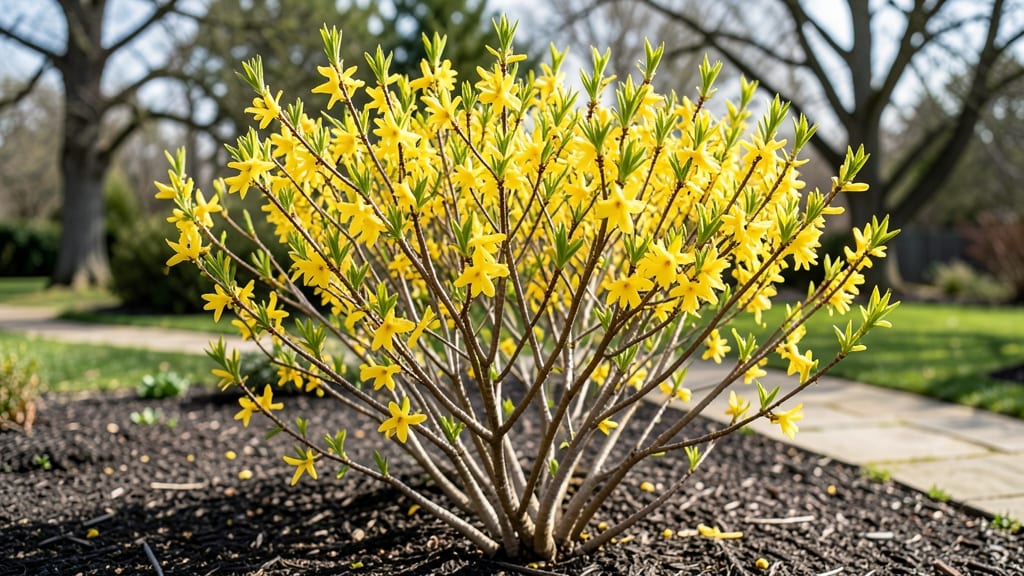
Your garden deserves a year-round showstopper—that’s what a green-and-yellow leaf shrub delivers. ✨ These shrubs bring vibrant contrast to any landscape, whether you’re dreaming of a bold focal point or subtle texture in borders.
The golden foliage glows in sunlight, creating a warm glow that makes other plants look more vibrant by comparison.
Forsythia’s bright yellow blooms in early spring are iconic, but its foliage stays interesting all season. Golden Privet offers dense, glossy leaves that turn deeper gold in winter, while Variegated Boxwood provides lush green and creamy yellow stripes.
These shrubs thrive in full sun to partial shade, making them adaptable for nearly any garden spot.
Imagine pairing a Forsythia with deep purple heuchera for a striking color combo, or tucking Golden Privet along a fence where its golden glow lights up the space. The contrast creates visual interest year-round, from fresh spring growth to winter’s crisp hues.
Your garden will feel more dynamic and inviting just by adding one of these standout shrubs.
Best of all, they’re low-maintenance once established—perfect for gardeners who want beauty without the fuss. Whether you’re designing a new bed or refreshing an existing one, these shrubs bring drama with minimal effort.
What Triggers Leaf Color Shifts
That stunning mix of green and yellow leaves on your shrub isn’t just a happy accident—it’s a response to specific environmental and biological cues. Understanding these triggers helps you nurture (or troubleshoot) the vibrant display. Let’s break down the science behind the color change.
Shrubs with variegated foliage often rely on chlorophyll (the green pigment) and anthoxanthins (yellow pigments) working in tandem. As daylight shortens in fall and winter, some shrubs reduce chlorophyll production to conserve energy, allowing the yellow pigments to stand out more prominently.
This is especially common in deciduous or semi-evergreen shrubs like Forsythia or Abelia.
Actionable tip: If your shrub’s yellowing is more dramatic in cooler months, it’s likely a natural response. Prune lightly in late winter to encourage fresh growth and maintain balance.
Too much or too little sun can force a shrub’s hand. Excessive sunlight can bleach chlorophyll, revealing yellow pigments underneath—a process called sunburn stress. Conversely, shade deprivation (especially in container-grown shrubs) can weaken chlorophyll, dulling greens and amplifying yellows.
Signs to watch for:
- Yellowing on exposed south/west-facing leaves = sun scorch
- Pale, stretched-out leaves = insufficient light
Fix it: Gradually acclimate shrubs to new light conditions (🌿 harden off container plants) or provide dappled shade with sheer curtains or lattice screens.
Water stress—whether from overwatering (root rot) or drought—disrupts nutrient uptake, particularly magnesium and nitrogen, which are critical for chlorophyll. Yellowing often starts between leaf veins (a classic chlorosis sign) when roots can’t access nutrients efficiently.
| Cause | Leaf Pattern | Solution |
|---|---|---|
| Overwatering | Yellowing + mushy stems | Improve drainage; water only when top 1–2" of soil is dry |
| Underwatering | Crispy edges + dull yellow | Deep water 1–2x/week; mulch to retain moisture |
| Nutrient deficiency | Uniform pale yellow (no brown spots) | Test soil; amend with chelated iron or compost |
Pro tip: 🌡️ Yellow leaves in spring? It might be a sign of early-season thirst—water deeply before new growth appears.
Not all yellowing is benign. Spider mites, scale insects, or fungal infections (like powdery mildew) can strip chlorophyll, leaving behind splotchy yellow or white patches. Check the undersides of leaves for:
- Sticky residue (aphids)
- Fine webbing (mites)
- Black sooty mold (fungus feeding on pest honeydew)
Treatment:
- 🔥 Neem oil spray (for pests)
- ✨ Baking soda solution (1 tsp/L water) for mildew
- 🌿 Prune infected branches and dispose of them off-site
Some shrubs—like Dwarf Fothergilla or Variegated Boxwood—are naturally variegated, with yellow sectors hardwired into their DNA. These plants rely on the contrast for survival, using yellow leaves to attract pollinators or regulate temperature.
What to do: If your shrub’s yellowing is consistent and healthy-looking, embrace it! Avoid over-fertilizing with high-nitrogen mixes, which can suppress variegation by encouraging too much green growth.
Revive Your Shrub’s Vibrant Glow
Seeing your once-lively green and yellow leaf shrub struggling can be frustrating, but the good news is that most issues have simple fixes. Below, we’ve mapped common causes to practical solutions—so you can restore that stunning contrast and keep your shrub thriving year-round. 🌿✨
If your shrub’s leaves are yellowing and wilting, it might be getting too much love—literally. Overwatering suffocates roots, depriving them of oxygen and nutrients.
How to Fix It:
🔹 🚰 Adjust Your Watering Schedule
- Water only when the top 1–2 inches of soil feel dry to the touch.
- Test it: Stick your finger in the soil—if it’s damp, wait a day or two.
- Pro tip: Use a moisture meter for accuracy, especially in clay or dense soils.
🔹 🌱 Improve Drainage
- Amend heavy soil with compost or perlite to help excess water drain faster.
- If planting in containers, ensure pots have drainage holes and use well-draining potting mix.
🔹 🌧️ Redirect Water Away
- Avoid watering leaves (especially in humid climates) to prevent fungal diseases like powdery mildew, which can mimic overwatering symptoms.
💡 Prevention Tips:
- Group plants with similar water needs to avoid confusion.
- Mulch around the base (2–3 inches of organic mulch) to regulate soil moisture and reduce evaporation.
Crispy, yellowing edges or leaves that feel dry and brittle? Your shrub might be thirsty. Drought stress is a sneaky culprit, especially in hot or windy conditions.
How to Fix It:
🔹 💦 Deep Watering Sessions
- Water deeply 1–2 times per week (depending on climate) rather than shallow daily sprinkles.
- Aim for 1–1.5 inches of water per week, including rainfall.
🔹 🌿 Hydrate at the Right Time
- Water in the early morning to minimize evaporation.
- Avoid evening watering, which can promote fungal growth.
🔹 🛡️ Shield from Wind
- Temporary windbreaks (like burlap screens) can protect young or delicate shrubs.
💡 Prevention Tips:
- Monitor soil moisture regularly, especially during heatwaves.
- Use soaker hoses or drip irrigation for consistent, targeted watering.
Yellowing leaves with black spots, powdery coatings, or mushy stems? Fungal infections like powdery mildew, leaf spot, or root rot can turn your shrub’s foliage into a sad, splotchy mess.
How to Fix It:
🔹 🧼 Clean Up the Area
- Remove and dispose of infected leaves (don’t compost them!).
- Prune back affected branches with sterilized pruners (wipe with rubbing alcohol between cuts).
🔹 🌿 Boost Airflow
- Thin out dense foliage to improve circulation.
- Space shrubs 3–5 feet apart (check plant tags for ideal spacing).
🔹 💊 Fungal Treatments
- Baking soda spray: Mix 1 tsp baking soda + 1 quart water + a few drops of dish soap. Spray leaves weekly.
- Neem oil or copper fungicide: Apply according to package instructions for severe cases.
💡 Prevention Tips:
- Avoid overhead watering—use drip irrigation or water at the base.
- Water in the morning so leaves dry quickly.
- Choose disease-resistant varieties if fungal issues are recurrent.
Pale yellow leaves (especially on new growth) or stunted growth? Your shrub might be hungry—lack of nitrogen, iron, or magnesium can drain its vibrancy.
How to Fix It:
🔹 🌱 Feed with the Right Fertilizer
- Nitrogen deficiency (yellow leaves, weak growth): Use a balanced fertilizer (10-10-10) or compost.
- Iron deficiency (yellow between veins): Apply chelated iron or use an Epsom salt solution (1 tbsp per gallon of water).
- Magnesium deficiency (yellow patches): Work Epsom salt into the soil or use a slow-release granular fertilizer.
🔹 🌿 Test Your Soil
- A simple soil test kit (available at garden centers) can reveal deficiencies.
- Amend soil with organic matter (compost, worm castings) for long-term health.
💡 Prevention Tips:
- Fertilize in early spring before new growth begins.
- Avoid over-fertilizing—follow package instructions to prevent burns.
Yellowing leaves with holes, webbing, or sticky residue? Pests like aphids, spider mites, or scale insects can sap your shrub’s energy.
How to Fix It:
🔹 🐜 Identify the Culprit
- Aphids: Tiny green/black bugs clustered on new growth.
- Spider mites: Fine webbing on undersides of leaves.
- Scale insects: Bumpy, immobile spots on stems/leaves.
🔹 🛡️ Manual & Natural Remedies
- Blast them off: Spray leaves with a strong stream of water to dislodge pests.
- Soapy water spray: Mix 1 tsp mild soap per quart of water and spray affected areas.
- Introduce beneficial insects: Ladybugs or lacewings eat aphids naturally.
🔹 💊 Chemical Control (Last Resort)
- Use insecticidal soap or horticultural oil for severe infestations.
💡 Prevention Tips:
- Inspect new plants before bringing them home.
- Encourage natural predators by planting companion flowers like marigolds or basil.
With these targeted fixes, your green and yellow leaf shrub should bounce back to its bold, eye-catching glory in no time. 🌟 The key is acting quickly—most issues are reversible with the right care!
Frequently asked questions
What's the best green-and-yellow shrub for small gardens?
For compact spaces, try Dwarf Fothergilla or Golden Privet. Both stay under 3 feet tall while delivering bold color contrast. These varieties thrive in containers too, making them perfect for patios or balconies where space is limited.
Can I mix green-and-yellow shrubs with other plants?
Pair them with deep purple foliage (like heuchera) or dark green evergreens (like boxwood) for maximum impact. The golden tones make neighboring plants appear richer—try combining Forsythia with blueberry bushes for a stunning seasonal display.
How do I keep my shrub's yellow leaves vibrant all year?
Give it 6+ hours of sunlight daily and well-draining soil. Mulch with 2-3 inches of organic matter to protect roots in winter. Most variegated shrubs naturally intensify their yellow tones in cooler months—just avoid over-fertilizing with high-nitrogen mixes that can dull the contrast.
Why did my shrub's yellow leaves turn brown?
Brown edges usually mean drought stress or sunburn. Water deeply 1-2 times per week and provide afternoon shade if your shrub is in a hot, exposed spot. If brown patches persist, check for fungal issues—prune affected areas and apply neem oil if needed.
Are green-and-yellow shrubs deer-resistant?
Some varieties like Golden Privet are moderately deer-resistant, but others (like Forsythia) are deer favorites. For extra protection, plant near deer-repellent herbs (like rosemary) or use physical barriers for young shrubs.