
Mower
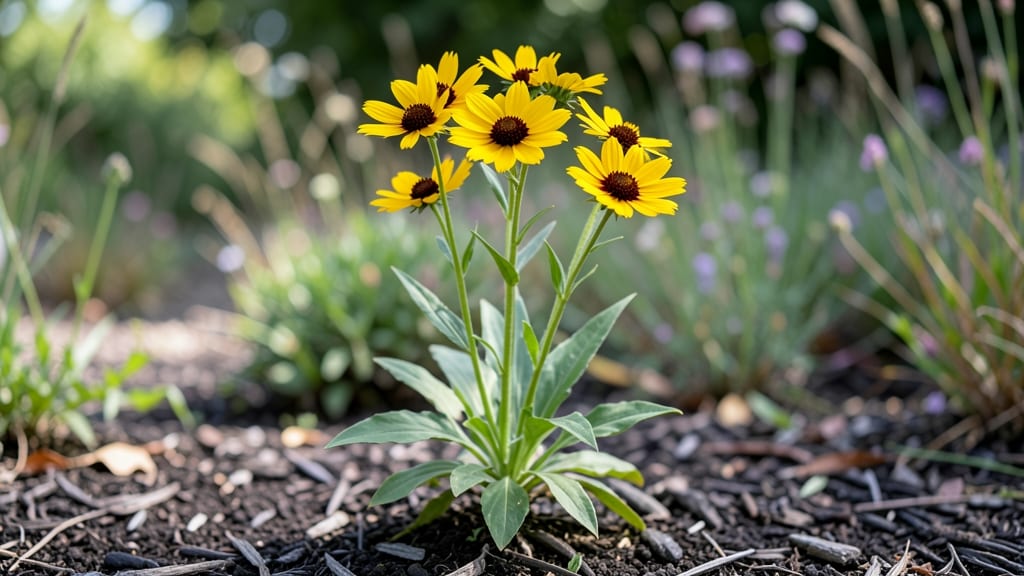
The Lanceleaf Coreopsis height you’re aiming for depends on whether you want a compact border plant or a bold statement in the back of your garden beds.
Picture this: a sunny perennial that tops out at 1 to 3 feet—taller than a standard kitchen countertop—yet stays neatly contained with the right spacing and pruning. That’s the magic of this drought-tolerant beauty, but getting its growth just right means understanding how varieties, soil, and timing play together.
If you’ve ever planted Lanceleaf Coreopsis only to watch it flop over or bloom unevenly, you’re not alone. The key to bushier blooms and controlled height lies in when you prune, how much sun it gets, and a few simple soil tweaks.
Below, I’ll break down the exact height ranges by variety, the best pruning schedule to keep it tidy, and the pro tips that turn leggy stems into a thriving, repeat-blooming star.
Ready to grow a Lanceleaf Coreopsis that’s both stunning and stress-free? Let’s dive into the details—from dwarf varieties for small spaces to pruning tricks that extend the bloom season from June through September.

Lanceleaf coreopsis height guide: how tall it grows & best varieties for your space
If you're planning your garden layout around lanceleaf coreopsis (Coreopsis lanceolata), knowing its mature height is key to creating the perfect balance. This cheerful perennial typically grows between 12 to 48 inches tall, but the exact height depends on the variety and growing conditions.
Whether you're designing a front-border display or a wildflower meadow, understanding these height ranges will help you choose the right plants for your space.
Lanceleaf coreopsis has a clumping growth habit, meaning it forms dense mounds rather than spreading aggressively. This makes it ideal for mixed borders or container gardens, where its upright stems and bright yellow blooms can shine.
The plant's height also influences its sunlight exposure needs—taller varieties may require more support in windy areas, while dwarf types thrive in smaller spaces or rock gardens.
Below is a comparison of the most popular lanceleaf coreopsis varieties, organized by height and ideal spacing. Use this guide to select the perfect fit for your garden's layout, whether you're working with a sunny patio, a perennial bed, or a wildflower meadow.
For small gardens or container planting, dwarf varieties like 'Moonbeam' (12–18 inches) are perfect. They fit neatly into window boxes or patio planters while still delivering those signature golden-yellow blooms. These shorter types also work well in rock gardens or as edging plants along pathways.
If you're designing a wildflower meadow or a sunny border, taller varieties like 'Golden Showers' (36–48 inches) will add height and drama. These types thrive in open spaces where they can spread their cheerful blooms without competition.
Just be sure to give them enough room to avoid overcrowding—30–36 inches apart is ideal for these taller varieties.
One of the biggest factors influencing lanceleaf coreopsis height is sunlight exposure. While these plants are incredibly adaptable, they perform best in full sun (6+ hours daily). In partial shade, they may grow slightly shorter and produce fewer blooms.
If you're planting in a shadier spot, choose a dwarf variety to keep the plant compact and healthy.
Another way to control height is through pruning techniques. Regular deadheading (removing spent blooms) encourages bushier growth and prevents the plant from becoming leggy or floppy. For taller varieties, you can also stake the stems in windy areas to maintain an upright form.
This is especially useful in meadow-style plantings where wind can cause taller coreopsis to lean.
When planning your garden layout, consider pairing lanceleaf coreopsis with other sun-loving perennials of similar height. For example, plant it alongside black-eyed Susans, coneflowers, or Russian sage to create a cohesive pollinator-friendly display.
The key is to group plants by height to avoid a jumbled or chaotic look.
Remember, lanceleaf coreopsis is a low-maintenance perennial that thrives with minimal intervention. Once established, it’s drought-tolerant and requires little more than occasional deadheading to keep it blooming all season. Whether you choose a dwarf variety for containers or a tall type for meadows, this versatile plant will bring
When and how to prune lanceleaf coreopsis for maximum blooms & bushier growth
Pruning your lanceleaf coreopsis isn't just about keeping it tidy—it's the secret to longer blooming seasons and denser foliage. This sun-loving perennial rewards precise pruning with vibrant yellow blooms from early summer through fall. The key?
Timing and technique. Prune too late or too aggressively, and you risk stunting growth or inviting pests. But get it right, and you'll transform a leggy, sparse plant into a lush, repeat-flowering powerhouse.
I’ve pruned lanceleaf coreopsis for years, and the difference between over-pruned and perfectly pruned plants is striking. The goal is to encourage bushier growth while removing dead or spent blooms—never more than one-third of the plant at once.
Think of it as giving your plant a haircut that promotes health, not stress. Below, I’ll walk you through the seasonal pruning schedule that keeps my plants thriving, plus the tools and tricks to avoid common mistakes.
Step-by-Step Pruning Guide for Lanceleaf Coreopsis
- Early Spring (March-April): Cut back dead or damaged stems to 1-2 inches above ground. This clears out winter debris and encourages new growth.
- Late Spring (May): Deadhead spent blooms by snipping stems just above a set of leaves. This redirects energy to new flowers and prevents seed formation.
- Summer (June-August): Lightly trim overgrown stems to maintain shape. Avoid heavy pruning—focus on removing only wilted blooms to prolong flowering.
- Early Fall (September): Reduce pruning to removing only dead or diseased foliage. Let the plant store energy for winter—avoid heavy cuts.
- Late Fall (October-November): Cut back all stems to 2-3 inches tall before first frost. This prevents snow mold and keeps the plant neat for winter.
✂️ Tools Needed: Bypass pruners, sterilized scissors, and gloves (to avoid sap irritation).
One of the biggest mistakes I see is pruning too late in the season, especially in fall or winter. Lanceleaf coreopsis needs time to recover and harden off before cold weather.
If you cut back stems in late fall, you risk weakening the plant just as it’s preparing for dormancy. Instead, wait until early spring to give it a fresh start.
If your lanceleaf coreopsis has become leggy or sparse, don’t panic—it’s often a sign of overcrowding or poor pruning habits. To revive it, trim back one-third of the tallest stems in early spring, then fertilize lightly with a balanced 10-10-10 mix.
This encourages new growth from the base, filling in that bare, woody look. Within a few weeks, you’ll see fresh foliage and more blooms.
For maximum blooms, pair pruning with deadheading. As soon as a bloom fades, snip it off at the base. This trick tells the plant to focus energy on new flowers instead of seed production.
I’ve seen lanceleaf coreopsis bloom continuously from June to October when deadheaded regularly—it’s like magic for your garden!
Remember, less is more with lanceleaf coreopsis. This drought-tolerant perennial thrives on minimal intervention, so avoid the urge to over-prune. Stick to the seasonal schedule, keep your tools sharp and clean, and your plants will reward you with years of vibrant, bushy growth. Happy pruning!