
Leaf Blower
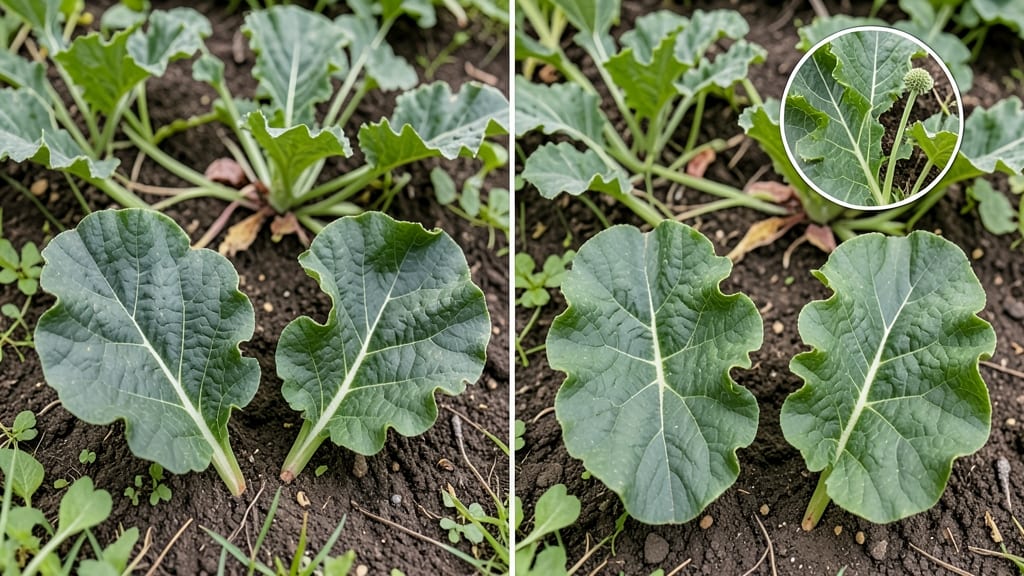
Mastering large-leaf weed identification before they take over saves you hours of weeding later. 🌿 I’ve spent too many weekends wrestling with broadleaf invaders—dock, plantain, and those stubborn purple ones—that look too much like actual plants.
The key is learning just three visual tricks to tell weeds from your prized veggies or flowers. Start by checking leaf shape: weeds like dock have deep veins that run straight to the edges, while plantain leaves form a fan shape with parallel lines.
Then look at the stems—dock stems are reddish and swollen, while most plants have smooth, green stems. Finally, check the roots: weeds often have fibrous or taproots that spread aggressively, unlike most garden plants. Once you spot them, removal is fast with the right tools.
A dandelion digger pulls dock roots clean, while a sharp hoe slices through plantain’s shallow roots. For stubborn patches, a vinegar spray (1:1 ratio with water) kills them in hours without harming nearby plants. I’ve cleared entire beds in under an hour using these methods.
Prevention is just as simple: mulch heavily in spring to block light, and hand-pull any new broadleaf sprouts before they grow bigger than your thumb. The earlier you catch them, the easier they are to remove—and your garden stays lush, not overrun.
Root Causes Of Leafy Overgrowth
Understanding why large leaf weeds invade your lawn or garden is the first step to stopping them in their tracks. These stubborn plants don’t just appear out of nowhere—they thrive because of specific conditions. Let’s break down the science behind their persistence and how you can outsmart them.
Large leaf weeds like dandelions, plantain, and broadleaf plantain love soil packed with nitrogen and organic matter. Here’s why:
- Lawn Fertilizer Overuse: Excessive nitrogen (common in fast-release fertilizers) fuels weed growth while weakening grass.
Weeds like henbit and creeping Charlie take advantage of this imbalance. - Compost or Manure Buildup: Fresh compost or animal waste adds nutrients that grass may not absorb quickly, giving weeds a head start. - Decaying Organic Debris: Leaves, grass clippings, or mulch left to decompose create a nutrient-rich layer where weeds sprout.
Actionable Fix:
- Test your soil and apply slow-release, balanced fertilizers (like 10-10-10) to avoid nitrogen spikes.
- Rake away thick layers of debris before they break down.
- Consider iron-based fertilizers for lawns—they strengthen grass without feeding weeds.
Watering habits play a huge role in weed dominance. Large leaf weeds often dominate because:
- Excess Moisture: Weeds like nutsedge and crabgrass thrive in soggy conditions, while grass struggles to establish roots.
- Infrequent, Deep Watering: Shallow watering encourages weeds to germinate near the surface, while deep watering (1–1.5 inches per week) promotes grass roots.
- Poor Drainage: Areas with standing water or compacted soil become breeding grounds for water-loving weeds like duckweed or water hyacinth.
Actionable Fix:
- Water early in the morning (4–8 AM) to reduce evaporation and fungal risks.
- Use a soaker hose or drip irrigation to target grass roots, not weeds.
- Aerate compacted soil to improve drainage—this chokes out moisture-dependent weeds.
Large leaf weeds often take over where grass can’t compete:
- Low Sunlight: Shady areas (under trees or fences) favor weeds like clover, moss, and wild violet, which tolerate less light than grass.
- Thin or Patchy Lawns: Bare spots from disease, pests, or poor seeding leave open space for weeds to colonize.
- Newly Sodded Areas: Fresh sod takes time to establish—weeds like chickweed and purslane move in during this vulnerable period.
Actionable Fix:
- Thicken grass with overseeding in fall (cool-season grasses) or spring (warm-season grasses).
- Use shade-tolerant grass varieties (like fine fescue) if sunlight is limited.
- Apply pre-emergent herbicides in early spring to block weeds before they sprout.
Neglecting basic lawn care is a fast track to a weed-dominated yard:
- Skipping Mowing: Tall grass shades the soil, creating a cool, moist environment where broadleaf weeds thrive.
- Incorrect Mowing Height: Cutting grass too short stresses it, while leaving it too long blocks sunlight—both scenarios favor weeds.
- No Regular Dethatching: A thick thatch layer (over ½ inch) traps moisture and nutrients, giving weeds like quackgrass an advantage.
Actionable Fix:
- Mow at the right height (3–4 inches for most grasses).
- Sharpen mower blades to avoid tearing grass, which invites disease and weeds.
- Dethatch once a year (spring or early fall) to prevent thatch buildup.
When grass is under attack, weeds move in:
- Grasshoppers, Chinch Bugs, or Sod Webworms: These pests chew grass roots, creating bare patches where crabgrass and foxtails take over.
- Fungal Infections (Like Brown Patch or Dollar Spot): Weakened grass struggles to recover, leaving gaps for broadleaf weeds to invade.
- Soil Compaction: Heavy foot traffic or machinery crushes grass roots, making it easier for weeds to establish.
Actionable Fix:
- Treat pest outbreaks early with targeted insecticides or natural predators (like ladybugs).
- Apply fungicides if disease is present, and improve airflow with proper mowing.
- Aerate compacted areas to relieve root stress.
Some large leaf weeds are seasonal invaders, while others adapt to your local climate:
- Spring Germinators: Weeds like chickweed and henbit sprout when soil temps rise (50–60°F).
- Summer Survivors: Crabgrass and goosegrass thrive in hot, dry conditions.
- Fall Opportunists: Dandelions and plantain store energy underground, then explode in early spring.
Actionable Fix:
- Apply pre-emergent herbicides in early spring (before weeds germinate) and late summer (to block fall weeds).
- Adjust watering based on seasonal needs—less in summer, more in drought-prone areas.
Large leaf weeds don’t just appear—they exploit weaknesses in your lawn.
By addressing nutrient imbalances, watering habits, shade issues, maintenance gaps, pests, and seasonal trends, you can create an environment where grass thrives and weeds struggle to take hold. The goal? A lawn so healthy that weeds don’t stand a chance. 🚀
Quick Fixes for Overgrown Leafy Weeds
Got an unwelcome invasion of large-leaf weeds choking your garden, lawn, or yard? Don’t let them take over—here’s how to tackle them fast and keep them from coming back.
Below, we’ve mapped out practical solutions based on the most common causes, from overgrowth to stubborn roots, plus prevention tips to save you time (and frustration) later.
Fix: Improve soil health and adjust watering habits to starve weeds naturally.
- 🔥 Smother the Problem
- Cover weed patches with cardboard, thick mulch, or landscape fabric to block sunlight. Weeds need light to grow—deprive them, and they’ll wither in 2–4 weeks.
- Pro tip: Wet the cardboard first to prevent it from blowing away! 🌧️
- 💧 Adjust Watering
- Large-leaf weeds thrive in consistently moist soil. Switch to deep, infrequent watering (1–2 inches per week) to encourage grass or ground cover to outcompete them.
- Water early in the morning to reduce humidity, which weeds love for rapid growth.
- 🌱 Boost Soil Competition
- Plant dense ground covers (like clover, creeping thyme, or moss) or fast-growing grasses to crowd out weeds. A healthy lawn or garden leaves no room for invaders!
Fix: Change your maintenance routine to weaken weeds before they reseed.
- ⏰ Mow High and Often
- Set your mower to 3–4 inches—taller grass shades weed seeds, preventing germination. Mow regularly (weekly in growing seasons) to avoid giving weeds a foothold.
- Pro tip: Bag clippings if weeds are flowering—they’ll spread seeds everywhere! 🧹
- 🔪 Hand-Pull or Dig Deep
- For stubborn weeds (like dock or plantain), grab the base and pull upward with a glove or tool to avoid breaking off roots. A weed torch (for dry conditions) can also zap regrowth.
- Warning: Avoid herbicides near edible plants—some chemicals linger! 🚫🍅
- 🌡️ Solarize the Soil (Summer Only)
- In hot months, cover weed patches with clear plastic for 4–6 weeks. The trapped heat kills roots and seeds—just remove the plastic and replant!
Fix: Create barriers and monitor edges to stop the spread.
- 🏡 Talk to Neighbors
- Politely ask neighbors to trim overgrown areas near your property line. A shared effort makes maintenance easier for everyone!
- 🛡️ Install Physical Barriers
- Line garden beds with edging stones, metal barriers, or wood chips to block weed creep. For driveways, use gravel or decomposed granite—weeds struggle to penetrate.
- 👀 Regular Scouting
- Check yard edges, sidewalks, and fence lines weekly. Remove weeds before they seed—one missed plant can turn into a hundred!
- 🌱 Plant Smart: Use native plants—they’re adapted to your climate and less likely to attract weeds.
- 🍂 Clean Up Debris: Rake leaves and remove weeds before they drop seeds in fall.
- 🔄 Rotate Solutions: Mix mulching, hand-pulling, and solarization to avoid weed resistance.
- 🌿 Feed Your Lawn: Apply slow-release fertilizer in spring to promote thick, competitive grass.
Remember: Consistency is key! Weeds don’t disappear overnight, but with these targeted fixes, you’ll regain control in weeks—not seasons. 🚀 Start with one area, then expand—your yard (and sanity) will thank you!
Frequently asked questions
How do I tell the difference between dock and plantain weeds?
Dock has deep veins that run straight to leaf edges, while plantain leaves form a fan shape with parallel lines. Dock stems are reddish and swollen, while plantain stems are usually green and hairy. Check the roots too—dock has a thick taproot, while plantain has fibrous roots.
Can I use vinegar to kill large leaf weeds?
Yes! Mix 1 part white vinegar with 1 part water and add 1 tablespoon dish soap as a surfactant. Spray directly on leaves on a sunny day—it kills weeds in 24-48 hours. Avoid spraying desirable plants, as vinegar can damage them too.
Why do large leaf weeds keep coming back after I pull them?
Most likely, you didn’t remove the entire root system. Weeds like dock and plantain have deep roots that regrow if even a small piece remains. Use a dandelion digger to get the whole root, or try solarization (covering with plastic) for stubborn patches.
Are there any large leaf weeds that are actually good for my garden?
Yes! Dandelions provide early spring pollen for bees, and clover fixes nitrogen in the soil. Plantain can even help heal wounds when crushed. If you want to keep beneficial weeds, just remove the aggressive ones like purslane or lambsquarters.
How often should I check for new weed growth?
Check your garden or lawn weekly during growing seasons (spring through fall). Weeds grow fastest when conditions are right—after rain or when soil is warm. Early detection makes removal much easier before they spread seeds.