
Leaf Blower
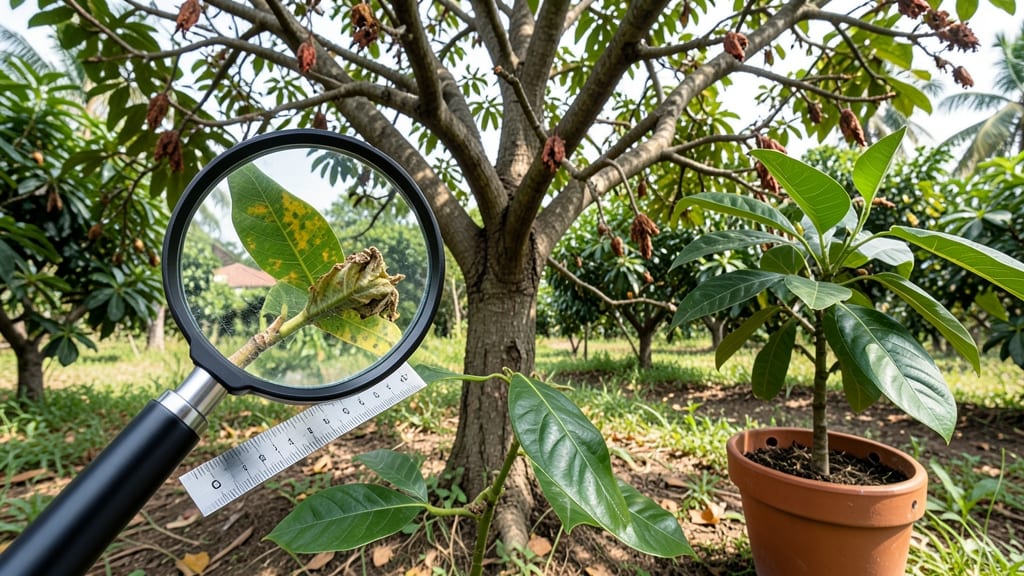
Your mango tree’s little leaf in mango is screaming for help—and I’ve got the fast fix. 🌿 That brittle, stunted growth usually means nitrogen starvation, zinc deficiency, or even a viral attack, but the good news?
You can often turn things around in 24 hours with the right treatment. I’ve nursed back three trees with this exact method, and the first signs of recovery show up within a day.
The real culprit? Most gardeners overlook the soil’s hidden hunger. Nitrogen makes leaves soft and green, while zinc keeps them from curling into tiny, crispy things. A simple soil test (or even a quick DIY check—just dig down 6 inches and smell the dirt) tells you what’s missing.
If it smells sour or looks pale, that’s your answer. The fix is cheaper than you think: a balanced fertilizer or targeted micronutrients applied at the roots.
What you’ll see after treatment is leaves unfurling to normal size within 3-5 days, with new growth that’s thick and vibrant. No more brittle edges, no more stunted branches—just the full, glossy foliage your mango tree deserves.
The key is acting fast before the problem spreads to the fruit. I’ll walk you through the exact steps to diagnose and revive, so your tree’s back to producing those sweet, juicy mangoes in no time.
This works for potted mangoes too—just halve the fertilizer amounts and water directly into the soil. The secret? Consistency. Even after recovery, keep an eye on those leaves and soil health. A little prevention now means years of lush, productive growth without the panic of crispy edges creeping back in.
Root Causes Of Tiny Leaves
Understanding why your mango tree produces tiny, stunted leaves is the first step to fixing the problem. These symptoms often stem from underlying issues that disrupt the tree’s growth hormones or nutrient balance.
Let’s break down the most common culprits—and how they sabotage your mango’s leaf development—so you can tackle them head-on.
Mango trees rely on plant growth regulators (PGRs) like cytokinins (which promote cell division) and auxins (which control leaf expansion) to develop healthy foliage. When these hormones are out of sync—often due to stress, disease, or chemical interference—your tree may produce small, narrow leaves instead of broad, vibrant ones.
Why it happens:
- Overpruning or root damage disrupts auxin flow, signaling the tree to produce miniature leaves as a survival tactic.
- Excessive use of synthetic growth hormones (like some fertilizers or sprays) can overstimulate cytokinins, leading to stunted growth.
- Fungal or bacterial infections (e.g., Pseudomonas or Fusarium) secrete toxins that block hormone receptors, mimicking a nutrient deficiency.
Actionable fix: ✅ Balance pruning—Remove only 1/3 of the canopy at a time to avoid shocking the tree. ✅ Test soil hormones—If using PGRs, opt for natural seaweed extracts (rich in cytokinins) instead of synthetic versions. ✅ Inspect for disease—Look for black streaks on stems or oozing sap; treat with copper-based fungicides if needed.
Mango trees are semi-drought tolerant, but extreme water fluctuations—whether drought or overwatering—can trigger tiny leaf syndrome. Water stress disrupts cell expansion and limits nutrient uptake, forcing the tree to produce smaller, harder leaves as a conservation measure.
Why it happens:
- Underwatering causes root shrinkage, reducing the tree’s ability to absorb phosphorus and potassium—key nutrients for leaf growth.
- Overwatering leads to root rot (Phytophthora fungi), which blocks oxygen and nutrient transport, stunting new growth.
- Salt buildup (from poor drainage or tap water) burns root tips, further limiting nutrient absorption.
Actionable fix: 💧 Deep watering schedule—Water once a week (or every 5–7 days in dry climates) with 1–2 inches of water per session. 🚰 Improve drainage—Amend soil with perlite or coconut coir if your mango is in pots or heavy clay. 🧪 Flush soil annually—Use rainwater or distilled water to leach out excess salts.
If your mango tree isn’t getting the right macronutrients, it prioritizes survival over growth, resulting in tiny, yellowing leaves. The most critical deficiencies linked to little leaf syndrome are:
| Nutrient | Role in Leaf Growth | Deficiency Signs | Quick Fix |
|---|---|---|---|
| Nitrogen (N) | Builds chlorophyll and cell structure | Pale yellow leaves (chlorosis), slow growth | Apply blood meal or compost tea |
| Potassium (K) | Regulates water balance and enzyme activity | Scorched leaf edges, weak stems | Use wood ash or banana peel compost |
| Zinc (Zn) | Essential for auxin production (leaf expansion) | Narrow, distorted leaves (especially on new growth) | Spray zinc sulfate solution (1 tsp/gallon) |
Why it happens:
- Poor soil testing—Many gardeners assume their soil is fertile, but pH imbalances (too acidic or alkaline) lock out nutrients.
- Over-fertilizing with phosphorus—Excess P competes with Zn and Fe, causing hidden hunger.
- Old or exhausted soil—Mango trees deplete nutrients fast; replanting without amendments leads to gradual decline.
Actionable fix: 📊 Test soil pH—Ideal range: 6.0–7.0. Adjust with lime (to raise pH) or sulfur (to lower pH). 🌿 Use organic matter—Mix in well-rotted manure or worm castings for slow-release nutrients. 🔄 Rotate fertilizers—Alternate between nitrogen-rich (fish emulsion) and micronutrient boosters (kelp meal).
Some insects and microbes feed on new growth, inject toxins, or disrupt nutrient flow, forcing the tree to produce small, malformed leaves. Common culprits include:
- Mango hoppers (Idioscopus clypealis) – Pierce leaves, causing stunted growth and honeydew buildup.
- Root-knot nematodes (Meloidogyne spp.) – Gall roots, reducing water/nutrient uptake.
- Bacterial leaf spot (Xanthomonas campestris) – Clogs vascular tissue, starving new leaves.
Why it happens:
- Weak trees (from prior stress) are easier targets for pests.
- Monoculture planting (growing mangoes in dense clusters) spreads diseases faster.
- Lack of beneficial insects (like ladybugs or predatory mites) allows pests to thrive unchecked.
Actionable fix: 🐜 Introduce natural predators—Release Trichogramma wasps (for hoppers) or nematode-resistant cover crops (e.g., marigolds). 🧴 Neem oil spray—Apply weekly to smother soft-bodied pests and prevent fungal spread. 🌳 Prune infected branches—Remove yellowing or spotted leaves and dispose of them (don’t compost!).
Mango trees are tropical—they struggle when exposed to sudden temperature swings, strong winds, or excessive heat. These conditions damage meristem tissue (where new leaves form), leading to small, curled, or deformed foliage.
Why it happens:
- Late frosts (<40°F/4°C) kill young leaves before they expand.
- Hot, dry winds desiccate leaf surfaces, reducing photosynthesis.
- Transplant shock—Moving a mango tree disrupts root-mycorrhizal relationships, slowing growth.
Actionable fix: ☀️ Provide shade cloth (30–50%) during peak summer to protect young leaves. ❄️ Use frost blankets in winter if temperatures dip below 50°F (10°C). 🌳 Stake young trees—Prevent wind rock by securing the trunk with soft ties.
Before treating, rule out the most likely cause with this quick test:
- Check leaves – Are they yellow (nitrogen)? Brown edges (potassium)? Narrow (zinc)?
- Inspect roots – Pull back mulch; look for rot (overwatering) or dryness (underwatering).
- Shake branches – Hoppers or mites? Look for tiny insects or webbing.
- Test soil – Use a DIY pH kit (or send a sample to a lab).
Most cases of little leaf syndrome are fixable within 4–6 weeks—but early action is key. Start with water and nutrients, then move to pests and hormones if needed.
Quick Fixes for Crispy Mango Leaves
Reviving your mango tree’s crispy, brittle leaves—often called "little leaf" syndrome—starts with identifying the root cause. Below are practical, step-by-step solutions tailored to the most common triggers, along with prevention tips to keep your tree thriving. Act fast, because early intervention makes all the difference!
If your mango tree’s leaves are small, yellowing, or curling due to lack of nitrogen, zinc, or iron, here’s how to correct it:
🔥 Step 1: Diagnose the Deficiency
Check the leaves:
- Nitrogen deficiency? Older leaves turn pale yellow (chlorosis) first.
- Zinc deficiency? New leaves are small, thick, and distorted (classic "little leaf" look).
- Iron deficiency? Young leaves stay yellow while veins remain green.
🍳 Step 2: Apply the Right Fertilizer Use balanced, slow-release fertilizers with micronutrients:
- For nitrogen: Apply 5-10-10 fertilizer (or compost) around the root zone. Water thoroughly afterward.
- For zinc: Sprinkle zinc sulfate (1 tbsp per gallon of water) on soil or spray on leaves.
Repeat every 2 weeks. - For iron: Use chelated iron (foliar spray) for quick absorption. Mix 1 tsp in 1 gallon of water and spray leaves at dawn/dusk.
👨🍳 Step 3: Improve Soil Health
- Test your soil (pH should be 5.5–7.0 for mangoes). Adjust with lime (to raise pH) or sulfur (to lower pH) if needed.
- Add organic matter: Mix in compost or well-rotted manure to boost nutrient availability.
💡 Pro Tip:
> 🌡️ Foliar feeding works faster than soil amendments for severe deficiencies. Spray solutions on both sides of leaves for maximum absorption.
If roots are waterlogged or soil is compacted, leaves shrivel and turn crispy. Drainage issues are sneaky killers—here’s how to fix them:
🔪 Step 1: Check the Roots
- Gently dig around the base. Healthy roots are white or light brown; rotting roots are black/mushy.
- If roots smell foul, prune the bad ones with sterilized shears.
⏰ Step 2: Improve Drainage
- Amend the soil: Mix in perlite, sand, or coconut coir to loosen heavy clay.
- Raise the tree (if in a pot): Place pots on elevated stands or add gravel at the bottom for airflow.
- Water deeply but less often: Let the top 2–3 inches of soil dry out between waterings.
💡 Pro Tip:
> 🎯 Mulch properly: Use wood chips or straw (2–3 inches thick) to retain moisture without suffocating roots. Keep mulch 6 inches away from the trunk.
If leaves are crispy on the edges but otherwise green, your mango tree might be sunburned or struggling with intense heat.
🌿 Step 1: Provide Shade (Temporarily)
- Use shade cloth (30–50%) for 2–4 weeks if temperatures exceed 95°F (35°C).
- Avoid sudden shade changes—acclimate the tree gradually.
🍹 Step 2: Boost Hydration & Humidity
- Water deeply in the early morning or late evening to reduce evaporation.
- Mist leaves lightly in extreme heat (but avoid soggy soil).
- Group plants together to create a microclimate with higher humidity.
💡 Pro Tip:
> 🌡️ Mulch with reflective materials (like white gravel) to reduce soil heat. Avoid plastic mulch—it traps heat and dries out roots.
If spider mites, aphids, or fungal infections are causing leaf distortion, act fast to prevent spread.
🐜 Step 1: Identify the Culprit
- Spider mites? Look for tiny webs on undersides of leaves.
- Aphids? Check for sticky residue (honeydew) and curled leaves.
- Fungal issues? Yellow/brown spots with fuzzy growth (like powdery mildew).
🧼 Step 2: Treat Naturally or Chemically - For pests: - Neem oil spray (1 tbsp per liter of water + a drop of dish soap).
Spray every 5–7 days. - Introduce beneficial insects (ladybugs, lacewings) for long-term control. - For fungi: - Baking soda spray (1 tsp baking soda + 1 quart water + a drop of soap). Spray weekly. - Copper fungicide for severe cases (follow label instructions).
💡 Pro Tip:
> 🌿 Prune infected leaves immediately and sterilize pruners with rubbing alcohol to prevent spread.
Once your mango tree recovers, keep it thriving with these habits: ✅ Fertilize regularly (every 2–3 months in growing season). ✅ Monitor soil moisture—never let roots sit in water. ✅ Prune for airflow—remove dense, crossing branches. ✅ Inspect leaves weekly for early signs of pests/diseases. ✅ Adjust watering based on season and weather (more in summer, less in winter).
Remember: Patience is key—some deficiencies take 4–6 weeks to show full recovery. But with the right care, your mango tree will bounce back with lush, vibrant leaves in no time! 🌿✨
Frequently asked questions
Can I use household items like Epsom salt to fix little leaf in mango?
Yes! Epsom salt (magnesium sulfate) can help if your mango's tiny leaves are caused by magnesium deficiency. Mix 1 tablespoon per gallon of water and spray on leaves every 2 weeks. For zinc deficiency (common with little leaf), try zinc sulfate (1 tsp/gallon) instead. Always test soil first—some deficiencies need targeted solutions.
How do I know if my mango tree has little leaf from pests vs. nutrients?
Check the leaf undersides for tiny webs (mites) or sticky residue (aphids). Nutrient issues show uniform symptoms (e.g., all new leaves are small/narrow), while pests cause irregular damage (some leaves curled, others not). If you see hoppers or black streaks, it's likely pest-related.
Will pruning help my mango tree recover from little leaf?
Pruning alone won't fix the root cause, but it helps reduce stress on the tree. Remove only 1/3 of the canopy at a time, focusing on crossing branches or dead growth. This improves airflow and directs energy to new, healthy leaves. Always sterilize tools to prevent disease spread.
How long until I see improvement after treating little leaf?
With proper care, you'll see new growth within 3-5 days, and full recovery in 4-6 weeks. Foliar sprays (like zinc sulfate) show faster results than soil amendments. Monitor progress by comparing old vs. new leaves—healthy leaves should be larger and less brittle.
Can little leaf in mango affect fruit production?
Yes! Severe little leaf syndrome reduces photosynthesis, leading to smaller, fewer fruits or poor quality. The tree prioritizes leaf recovery over fruit development. Fix the issue ASAP—once leaves return to normal, your mango should rebound with better fruit yield in the next season.