
Leaf Blower
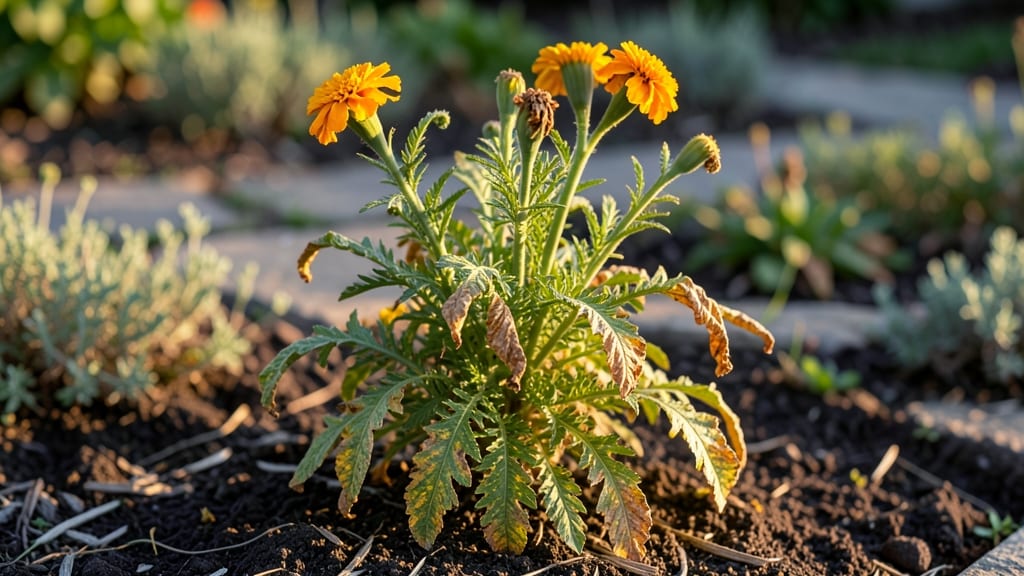
Marigold leaf curl can turn your bright golden blooms into a sad, twisted mess in just weeks. 🌻 I’ve watched this stubborn problem ruin entire beds—until I discovered copper spray works faster than I expected when applied right.
The key isn’t just spraying; it’s timing, concentration, and knowing when to cut your losses on hopeless plants.
This crinkled, stunted growth usually means either cucumber mosaic virus (spread by aphids) or whitefly infestations stealing plant energy. Copper spray disrupts fungal and bacterial hitchhikers while deterring pests, but it’s not magic—you’ll need to repeat treatments every 7-10 days until new growth appears.
Think of it as a garden antibiotic for your marigolds.
Within 10-14 days of consistent spraying, you’ll see leaves unfurl straighter and bushier. The copper also prevents spread to healthy plants, so spray nearby foliage too. For severe cases, snip off curled leaves immediately—they’re virus factories.
Your marigolds can bounce back if you act before the entire plant turns into a sad, stunted shadow of itself.
Pro tip: Mix copper spray with neem oil for double protection against both viruses and pests. And here’s the secret weapon—companion planting with basil acts as a natural early warning system, alerting you to pests before they reach your marigolds. Prevention beats cure every time.
Root Causes Behind Leaf Distortion
Marigold leaf curl isn’t just an eyesore—it’s a plant’s distress signal, often triggered by a mix of environmental stressors and unseen invaders. Understanding the why behind the symptoms is the first step to restoring your marigolds to their vibrant best.
Let’s break down the key culprits, from microscopic pests to overlooked gardening habits, and why they turn your leaves into twisted, stunted messes.
Leaf curl in marigolds is most famously linked to the Marigold Yellow Mottle Virus (MYMV) or Cucumber Mosaic Virus (CMV). These viruses hijack your plant’s cellular machinery, disrupting nutrient flow and causing leaves to pucker, thicken, and curl upward like a crumpled piece of paper.
- How it spreads: Aphids, whiteflies, and even contaminated tools or hands can transmit these viruses from plant to plant. Once inside, they’re nearly impossible to eradicate.
- Tell-tale signs: Look for yellowing between veins (vein clearing), stunted growth, and a general decline in flower production. Infected plants may also show mosaic patterns—a mix of dark and light green patches.
- Prevention tip: Remove infected plants immediately and disinfect pruners with 70% rubbing alcohol. 💡 Pro tip: Grow marigolds away from cucumbers, squash, and other cucurbits, which are common virus hosts.
Marigolds are tough, but extreme conditions—like scorching heat or inconsistent watering—can force leaves to curl as a survival tactic. Think of it as your plant’s version of wilting under a heat lamp.
| Cause | Symptoms | Fix It Fast |
|---|---|---|
| Overwatering | Yellowing leaves, mushy stems, and downward curling (unlike viral curl, which curls upward). | Let soil dry 2–3 inches deep between waterings. Improve drainage with perlite or sand. |
| Underwatering | Leaves curl inward, crispy edges, and a general droop. | Water deeply 1–2 times per week (more in full sun). Use drip irrigation to avoid wetting leaves. |
| Heat Stress | Leaves curl upward and may develop sun scorch (brown patches). | Provide afternoon shade in extreme heat (35°C/95°F+). Mulch with straw to retain moisture. |
🔥 Quick test: Gently tug on a curled leaf. If it snaps easily, it’s likely heat/drought stress. If it’s flexible, pests or viruses are the culprit.
While viruses are the top offenders, sap-sucking insects like whiteflies, aphids, and spider mites can also trigger leaf curl by draining nutrients and injecting toxins. Their damage weakens the plant, making it more susceptible to secondary infections.
- Whiteflies: Cluster on undersides of leaves, leaving a sticky residue (honeydew) that attracts sooty mold. Curl is often paired with silvering of leaves.
- Aphids: Curling is usually localized near their feeding sites. Look for tiny green/black bugs and sticky trails.
- Spider Mites: Cause bronzing or yellow stippling on leaves, which may then curl. Check for fine webbing in leaf axils.
🎯 Action plan: Blast pests off with a strong stream of water or introduce beneficial insects (ladybugs, lacewings). For severe infestations, neem oil or insecticidal soap can help—but avoid copper sprays if viruses are suspected (they won’t help and may worsen stress).
Marigolds are heavy feeders, and deficiencies—especially in nitrogen, magnesium, or potassium—can cause leaves to curl as the plant struggles to maintain structure.
| Deficiency | Leaf Curl Pattern | Quick Fix |
| Nitrogen (N) | Older leaves yellow uniformly (chlorosis) and curl downward. | Apply blood meal or fish emulsion (high in N). |
| Magnesium (Mg) | Interveinal yellowing (between veins) on older leaves, which curl upward. | Use Epsom salt (1 tbsp/gallon of water) as a foliar spray. |
| Potassium (K) | Leaf edges curl and brown (scorch-like), often with weak stems. | Feed with kelp meal or wood ash (sparingly). |
🌡️ Soil test tip: If you’re unsure, grab a soil sample from the root zone and test it. Marigolds thrive in slightly acidic to neutral soil (pH 6.0–7.0)—adjust with lime (to raise pH) or sulfur (to lower it).
Now that you’ve pinpointed the likely cause, the next step is targeted treatment—but remember, prevention (like copper sprays before symptoms appear) is always easier than curing!
Quick Fixes for Wrinkled Marigold Leaves
Reviving your marigolds from leaf curl doesn’t have to be a guessing game. The key is identifying the root cause and applying targeted solutions—whether it’s a nutrient deficiency, pest attack, or environmental stress.
Below, we’ve mapped out practical, step-by-step fixes for the most common triggers, plus prevention tips to keep your plants thriving. Let’s get those leaves smooth and vibrant again! 🌿✨
If your marigolds are battling leaf curl disease (often caused by viruses like Tomato Leaf Curl Virus or fungal infections), copper-based sprays are your best defense. Copper disrupts pathogen growth without harming beneficial insects.
Step-by-Step Fix:
- 🍳 Mix the Spray:
- Use 1 teaspoon of copper sulfate (or a pre-mixed copper fungicide like Copper Soap) per 1 quart of water.
- Add a dash of liquid soap (like Castile soap) to help the solution stick to leaves.
- 👨🍳 Apply at Dawn or Dusk:
- Spray undersides and tops of leaves thoroughly—this is where pathogens hide!
- Focus on new growth and curl-affected areas.
- Reapply every 7–10 days until symptoms improve (or for preventive care).
- ⏰ Follow-Up Care:
- Remove severely infected leaves (wear gloves!) to prevent spread.
- Water at the base (avoid wetting foliage) to reduce fungal spores.
💡 Pro Tip: For organic growers, neem oil spray (1 tbsp neem oil + 1 tsp soap per quart of water) can also help suppress fungal leaf curl. Test on a small area first!
Yellowing, curling, or stunted leaves often signal nitrogen (N), phosphorus (P), or magnesium (Mg) shortages. Marigolds need a well-rounded diet to bounce back.
Quick Fixes by Symptom:
| Symptom | Likely Deficiency | Solution |
|---|---|---|
| Yellowing between veins | Magnesium (Mg) | Spray Epsom salt solution (1 tbsp per gallon of water) every 2 weeks. |
| Pale green or yellow leaves | Nitrogen (N) | Use a balanced fertilizer (10-10-10) or compost tea for a slow release. |
| Purple stems/leaves | Phosphorus (P) | Apply bone meal or a phosphate-rich fertilizer (5-10-10 ratio). |
| Stunted growth | Potassium (K) | Feed with wood ash (sprinkle lightly around the base) or a potassium sulfate spray. |
🌡️ Prevention Tip: Conduct a soil test every 2–3 years to avoid over- or under-fertilizing. Marigolds prefer slightly acidic to neutral soil (pH 6.0–7.0).
Aphids, whiteflies, and spider mites love curling marigold leaves—and their sticky residue worsens the problem. Knock them out with non-toxic but effective methods.
Step-by-Step Pest Control:
- 🔪 Blast Off Pests:
- Strong water spray (early morning) dislodges aphids and whiteflies.
- Use a soft brush to wipe off spider mites from undersides.
- 🍳 Homemade Sprays:
- Soap spray: 1 tbsp dish soap + 1 quart water (test on a leaf first).
- Garlic spray: Blend 3 garlic cloves + 1 tsp cayenne pepper in 1 quart water; strain and spray.
- 🎯 Trap & Prevent:
- Yellow sticky traps catch whiteflies and aphids.
- Release ladybugs (natural predators) or spray neem oil weekly.
✨ Pro Tip: Diatomaceous earth (food-grade) works for spider mites—sprinkle lightly on soil and leaves (reapply after rain).
Heatwaves, drought, or sudden temperature drops can curl leaves overnight. Adjust your growing conditions to stress-proof your marigolds.
Fixes by Trigger:
- 🔥 Too Hot/Dry:
- Mulch with straw or shredded leaves to retain moisture.
- Water deeply in the morning (1–2 inches per week).
- Provide shade cloth (30–50%) during peak heat (100°F+).
- 🌧️ Overwatering/Poor Drainage:
- Let soil dry 1–2 inches deep between waterings.
- Amend soil with perlite or sand if it’s too compacted.
- 🌬️ Wind or Hail Damage:
- Stake tall varieties or use cloche covers for young plants.
- Prune damaged leaves to encourage new growth.
💡 Prevention Tip: Marigolds thrive in full sun (6+ hours/day) but may curl if suddenly shaded (e.g., by a new tree). Gradually acclimate them if relocating.
Final Reminder: Consistency is key! Monitor your plants weekly, rotate solutions (e.g., alternate copper spray with neem oil), and act fast at the first sign of curl. With these fixes, your marigolds will be back to their golden, healthy selves in no time. 🌻💚
Frequently asked questions
Why do marigold leaves curl upward instead of downward?
Upward curling is a classic sign of viral infections like Cucumber Mosaic Virus or Marigold Yellow Mottle Virus. These viruses disrupt cell growth, causing leaves to pucker and twist upward. Downward curling, however, often indicates environmental stress like underwatering or heat stress. Test by gently tugging a leaf—if it snaps easily, it's likely heat/drought stress.
Can copper spray actually cure viral leaf curl in marigolds?
Copper spray won't cure viral infections, but it can help manage secondary fungal/bacterial issues that worsen symptoms. For viral curl, focus on removing infected plants immediately and preventing spread. Copper works best for fungal leaf curl or when pests (like whiteflies) are the primary cause. Always combine with good garden hygiene for best results.
How often should I apply copper spray to prevent leaf curl?
Apply copper spray every 7-10 days during growing season (spring-fall) for prevention. For treatment, spray every 5-7 days until new growth appears. Always spray in the early morning or evening to avoid leaf burn from sunlight. Mix 1 tsp copper sulfate per quart of water with a drop of soap as a surfactant.
What's the difference between leaf curl from pests vs. viruses?
Pest-related curl (from aphids/whiteflies) often shows localized curling near feeding sites, with visible insects or sticky honeydew. Viral curl appears uniformly across leaves, with yellowing between veins and no visible pests. Viral curl also spreads throughout the plant systemically, while pest damage stays concentrated.
Will pruning curled leaves help my marigolds recover?
Yes, but only if you remove entire infected leaves (not just curled portions). Pruning helps by reducing the plant's energy drain and preventing viral spread. For severe cases, remove the whole plant and disinfect tools with rubbing alcohol. Never compost infected marigold leaves—they can spread viruses to other plants.