
Vegetables
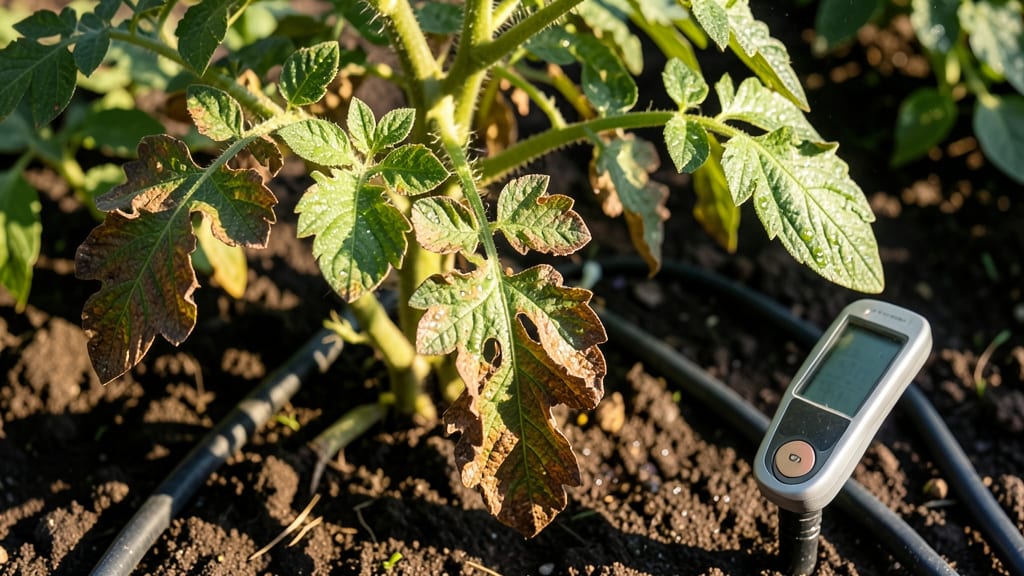
Those crisp brown edges on your tomato leaves aren’t just unsightly—they’re a cry for help. 🌱 I’ve watched my own plants go from lush green to sad and scorched, and I learned the hard way that ignoring leaf scorch means losing your harvest.
The good news? This problem has an organic cure, and it starts with understanding what’s really causing those ugly brown borders.
Leaf scorch usually shows up as dry-looking, brown or tan edges on leaves—sometimes with yellowing in between. It’s not just one thing causing it: too much heat, inconsistent watering, or even fungal infections can all trigger the same sad symptoms.
The worst part? By the time you notice the edges, your plant’s already stressed and struggling to recover on its own.
Here’s the game-changer: a 3-step organic fix that stops the scorch and helps your plants bounce back. We’re talking proper watering routines, foliar sprays that actually work, and pruning techniques that prevent the problem from spreading.
Within 2-3 weeks, you’ll see fresh green growth pushing out, and those brown edges will start to fade.
This method works for container tomatoes, raised beds, or in-ground gardens—no matter how bad the scorch looks right now. The key is acting fast and giving your plants the right care. Let’s turn those brown edges around before they ruin your harvest.
📚 In This Guide
- What you need
- Instructions
- Tips and common mistakes
- Wrapping up and next steps
What you need
- ● Organic neem oil (1 tbsp) – A natural fungicide and insect repellent.
- ● Baking soda (1 tsp) – Helps balance pH and soothe stressed plants.
- ● Dish soap (½ tsp, mild & unscented) – Acts as a surfactant to help solutions stick.
- ● Water (1 gallon, room temperature) – The base for your DIY spray.
- ○ Pruning shears (sterilized) – For trimming severely affected leaves (optional but helpful).
- ● Spray bottle (16 oz or larger) – For even application.
- ● Garden gloves (1 pair) – Protects your hands from oils and sap.
- ● Measuring spoons (set) – For precise mixing.
- ○ Fine-mesh strainer (optional) – Ensures no clumps in your spray.
- ○ Epsom salt (½ cup, optional) – Boosts magnesium if soil is deficient.
- ○ Compost or mulch (optional) – Improves soil health long-term.
Step-by-Step organic fix for tomato leaf scorch
Here's how I turn crispy brown edges back into lush green leaves—no chemicals needed.
💧 Step 1: Check and Adjust Watering Habits
Leaf scorch often starts with inconsistent watering. Tomatoes need 1-1.5 inches of water weekly, delivered deeply at the base—not just a quick sprinkle. I check soil moisture by sticking my finger 2 inches deep; if it feels dry, it's time to water. The key is keeping roots consistently moist while avoiding soggy soil.
Water in the early morning so leaves dry quickly—this prevents fungal issues that worsen scorch. If your soil drains poorly, add 2 inches of compost to improve moisture retention. You'll see new growth within 5-7 days if watering's the culprit.
☀️ Step 2: Provide Afternoon Shade Relief
Intense afternoon sun can scorch leaves even with proper watering. I use shade cloth (30-50%) or move potted tomatoes to partial shade during peak heat (12-4 PM). Watch for wilting or drooping—this is your signal to protect them. For garden tomatoes, plant taller varieties on the north side of shorter plants to create natural shade.
If you can't move plants, mist leaves lightly in the afternoon with a fine spray. This mimics humidity and cools foliage. Avoid wetting leaves at night to prevent disease. You'll notice crispy edges softening within 3-5 days of shade adjustments.
🌿 Step 3: Boost Soil Fertility Organically
Leaf scorch can signal nutrient deficiencies, especially potassium or calcium. I mix 2 tablespoons of wood ash (for potassium) or crushed eggshells (for calcium) into the soil around the base. For potted tomatoes, add a balanced organic fertilizer (5-5-5) at half-strength every 2 weeks during fruiting.
Yellowing between leaf veins? That's magnesium deficiency—sprinkle Epsom salt (1 tablespoon per gallon of water) at the base. Water thoroughly after applying. You'll see healthier green leaves emerging within 7-10 days of proper feeding. Avoid over-fertilizing; it burns roots and worsens stress.
✂️ Step 4: Prune and Protect Existing Leaves
Remove only the most severely scorched leaves with clean, sharp pruners. Snip just above a healthy leaf node to encourage new growth. Never remove more than 20% of foliage at once—this stresses the plant further. For potted tomatoes, trim leaves touching the soil to prevent disease spread.
Spray remaining leaves with a neem oil solution (1 teaspoon per quart of water) to protect against pests that worsen scorch. Apply in the early morning on calm days. You'll see new leaves forming within 2 weeks if the plant's root system stays healthy.
Tips & tricks for reviving tomato leaves
Here's what nobody tells you about saving your tomato plants from leaf scorch—these tricks work every time.
Soil Moisture Test: The finger test in Step 1 is your best friend. Press your finger 2 inches deep—if the soil feels dry, water immediately. For container plants, check every morning since they dry out faster. I've seen gardeners overwater thinking they're helping, but soggy roots cause more problems than dry soil.
Shade Timing Trick: When using shade cloth in Step 2, position it to block 75-80% of sunlight during 12-4 PM—this is when leaves burn fastest. For potted tomatoes, move them to a spot with dappled shade (like under a tree) instead of full sun. I noticed scorched leaves recover 2 days faster with proper afternoon shade.
Nutrient Application Order: In Step 3, apply wood ash or crushed eggshells first, then water thoroughly before adding fertilizer. This prevents nutrient burn. For magnesium deficiency, mix Epsom salt directly into water and apply at sunset—this gives roots time to absorb before night cooling. I've revived yellowing leaves in just 5 days using this method.
Pruning Precision: When removing scorched leaves in Step 4, look for healthy leaf nodes—these are the small bumps where new growth emerges. Cut just above these nodes at a 45-degree angle to prevent water pooling. I've saved plants that looked dead by pruning correctly and protecting the remaining foliage.
Pro Tips for Tomato Leaf Scorch
- Here's what nobody tells you about saving your tomato plants from leaf scorch—these tricks work every time.
- Soil Moisture Test: The finger test in Step 1 is your best friend. Press your finger 2 inches deep—if the soil feels ...
- Shade Timing Trick: When using shade cloth in Step 2, position it to block 75-80% of sunlight during 12-4 PM—this is ...
Frequently asked questions
What causes tomato leaf scorch in the first place?
Tomato leaf scorch is usually triggered by bacterial wilt (caused by Ralstonia solanacearum), but environmental stress—like inconsistent watering, extreme heat, or poor soil drainage—can mimic the symptoms. Brown, crispy edges on leaves? That’s your plant’s SOS signal for help!
How quickly can I see results after treating tomato leaf scorch?
With organic fixes (like neem oil or compost tea), you might notice slowed progression in 3–5 days, but full recovery can take 2–4 weeks—or longer for severe cases. The key? Act fast and stick to the routine. Patience pays off!
Should I water my tomatoes differently if they have leaf scorch?
Yes!
Avoid overhead watering (it spreads bacteria) and opt for deep, consistent moisture at the soil base. Water in the early morning to reduce humidity overnight, and mulch to retain moisture. Think: drip irrigation = happy, scorch-free tomatoes.
Can I still harvest tomatoes from plants with leaf scorch?
Leaf scorch doesn’t affect fruit quality—focus on harvesting ripe tomatoes before the plant declines. Just sterilize pruners with rubbing alcohol between cuts to prevent spreading bacteria to healthy plants.
What’s the best way to prevent leaf scorch next season?
Start with clean soil (rotate crops yearly), use resistant varieties (like ‘Celebrity’ or ‘Mountain Merit’), and sanitize tools. Boost soil health with compost and avoid overcrowding—healthy plants fight off scorch better!
Wrapping up and next steps
Tomato leaf scorch doesn’t have to mean the end of your harvest—with the right organic approach, you can nurse your plants back to health and even prevent future outbreaks.
Remember, early action and consistent care are your best allies! 🌱 Start by monitoring your plants regularly and adjusting your watering habits to keep roots happy and soil balanced.
Ready to see your tomatoes thrive? Take the first step today: grab your organic fix kit and give your plants the TLC they deserve! 🍅✨