
Orchid Care
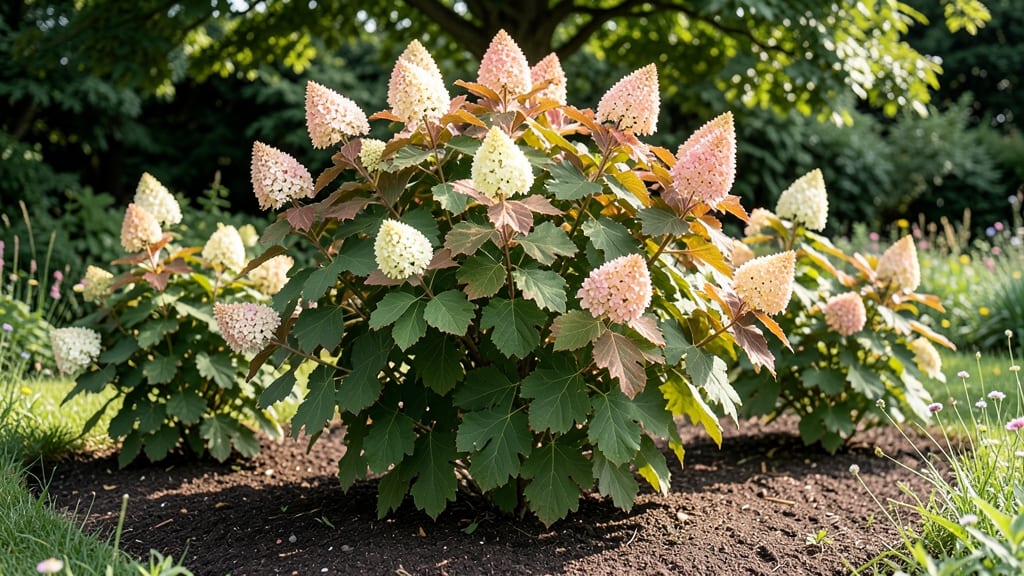
An oakleaf hydrangea thrives in sun or shade with just the right balance—too much of either can turn its stunning foliage dull or sparse.
Picture this: your 🌿 oakleaf hydrangea planted in full afternoon sun, leaves crisping by July, or tucked too deep in shade, growing leggy with few blooms. The difference between a showstopper and a struggle often comes down to light.
These shrubs love morning sun and afternoon shade, especially in hotter climates like USDA Zone 6a. But with a few tweaks—like adjusting watering or pruning—you can coax vibrant foliage and abundant flowers even in trickier spots.
Below, I’ll break down the ideal light mix, how to spot stress signs, and regional adjustments to keep your oakleaf hydrangea looking its best year-round.
 Best Window Placement
Optimal sunlight requirements for oakleaf hydrangea growth and blooms
If you've ever watched your oakleaf hydrangea struggle with leaf scorch or sparse blooms, chances are its sunlight exposure is the culprit. Unlike some shrubs, oakleaf hydrangeas thrive in partial shade but can adapt to varying light conditions—with key differences between hot climates and cooler zones.
Getting this balance right transforms their foliage color from dull green to fiery reds and purples, while maximizing bloom intensity.
In my USDA Zone 6a garden, I’ve learned that oakleaf hydrangeas prefer morning sun and afternoon shade, especially in summer when temperatures climb. But in cooler northern climates, they can handle more direct light without stress.
The trick lies in understanding how light intensity affects their growth patterns—and how to spot signs of improper exposure before they become permanent damage.
Too much direct afternoon sun in hot areas causes leaf scorch (brown, crispy edges), while too little light leads to pale, leggy growth and fewer blooms. Even the leaf color shifts dramatically: deep reds and purples develop in partial shade, while full sun can bleach them out.
Let’s break down the ideal conditions by region and how to adjust care for peak performance.
| Climate Zone | Ideal Sunlight | Leaf Color Impact | Bloom Intensity | Signs of Stress |
|---|---|---|---|---|
| Hot Climates (Zones 7-10) | Morning sun (2-4 hrs), afternoon shade | Deep red/purple foliage | Large, abundant blooms | Leaf scorch, yellowing |
| Cooler Zones (Zones 3-6) | Partial shade (4-6 hrs filtered light) | Rich green or bronze hues | Moderate blooms, longer season | Leggy growth, sparse blooms |
| Transition Zones (6a-7) | East-facing exposure, dappled shade | Balanced red/green foliage | Consistent blooms year-round | Wilting, leaf drop |
In hot climates, oakleaf hydrangeas perform best with morning sunlight and afternoon shade. The intense midday sun can bake their leaves, causing leaf scorch—those unsightly brown patches that ruin their ornamental appeal.
I’ve seen this firsthand in my Zone 8 garden, where plants near the patio suffered until I moved them under a lattice trellis for afternoon relief. The result? Vibrant red foliage and larger blooms by late summer.
Conversely, cooler zones like Zone 5 allow for more flexibility. Here, oakleaf hydrangeas can tolerate partial shade all day, though they’ll still reward you with brighter blooms if given 2-3 hours of morning sun.
The key difference is their foliage color: in shade, leaves stay green or bronze, while partial sun brings out deep purples and oranges. For maximum impact, place yours where they get dappled sunlight through trees.
Watch for these red flags of improper light exposure:
- Yellowing leaves = Too much shade or poor drainage
- Brown, crispy edges = Leaf scorch from too much sun
- Sparse or small blooms = Inconsistent light levels
- Leggy, weak stems = Not enough light for photosynthesis
If you spot these, adjust their position immediately—hydrangeas are forgiving but won’t recover quickly from stress.
Pro tip: Use a light meter or observe your plant’s shadow throughout the day. Oakleaf hydrangeas in full shade may survive but will look lanky and pale. In full sun, they’ll struggle in hot afternoons unless you provide artificial shade (like a cloth shade sail).
The sweet spot is 4-6 hours of filtered light, which keeps their foliage vibrant and blooms prolific.
One of my favorite tricks? Pairing oakleaf hydrangeas with tall grasses or ornamental trees to create natural shade. For example, planting them under a Japanese maple gives them dappled light while adding year-round interest. In containers, move them to shadier spots during
How to adapt oakleaf hydrangea care for sun vs. shade conditions
Oakleaf hydrangeas are famously adaptable, but their care changes dramatically based on whether they're basking in sun or nestled in shade. In full sun, these shrubs need more frequent watering and afternoon shade protection to prevent leaf scorch.
Meanwhile, in deep shade, they may produce fewer blooms but retain their stunning fall foliage colors. The key is understanding how light exposure affects every aspect of their care routine.
Your oakleaf hydrangea's location isn't static—seasonal sun patterns shift, and even a single tree can create microclimates in your garden. What works in morning sun might fail in afternoon heat.
Let's break down how to adjust your care approach for both scenarios, ensuring your hydrangea thrives year-round with vibrant foliage and abundant blooms.
⚠️ CAUTION: Sunburn Risk! Oakleaf hydrangeas in direct afternoon sun (especially in USDA Zones 7-9) face severe leaf scorch and bloom damage. If your plant shows crispy edges or yellowing leaves, it's getting too much sun. Move it to dappled shade immediately and increase watering to every 5-7 days during heatwaves.
Shade Tip: In deep shade, hydrangeas may become leggy (long, weak stems). Prune back 1/3 of old wood in late winter to encourage bushier growth and more blooms.
Let's start with watering adjustments. In sun-exposed areas, oakleaf hydrangeas need 1-2 inches of water weekly—double what they'd need in shade. The secret is deep watering in the early morning to prevent evaporation.
Use a soaker hose to deliver moisture directly to the roots while keeping foliage dry, which reduces fungal risks like powdery mildew.
For fertilizer use, sun-loving hydrangeas benefit from balanced 10-10-10 fertilizer applied in early spring and mid-summer. Shade-grown plants, however, need less frequent feeding—just a light application in spring prevents over-fertilization, which can lead to weak stems. Always water thoroughly after applying fertilizer to prevent root burn.
Pruning techniques also shift with light conditions. In sunny spots, prune in late winter to remove dead or damaged branches and open the center for airflow. In shady locations, focus on rejuvenation pruning every 2-3 years to stimulate new growth.
Never prune after mid-summer, as this can reduce next year's blooms regardless of light exposure.
Don't forget about seasonal light changes. In hot summer months, even partially shaded hydrangeas may need temporary shade cloth (30-50% coverage) to protect them from intense afternoon sun.
In cooler climates, they can handle more sun, especially in morning exposures, which gently warms the foliage without scorching.
With these light-adapted care strategies, your oakleaf hydrangea will reward you with vibrant foliage and prolonged blooming—whether it's basking in filtered sun or thriving in dappled shade. The key is observing your plant's seasonal needs and adjusting accordingly. 🌿