
Leaf Blower
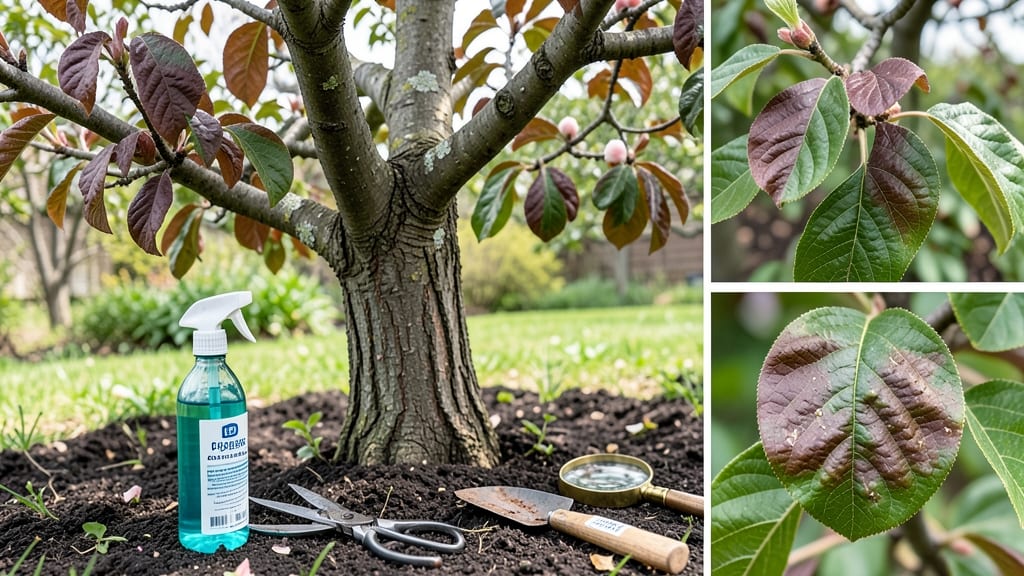
Your peach tree’s twisted, puckered leaves aren’t just ugly—they’re a fungal blockade called a problem with leaf curl, and Bordeaux mixture is your secret weapon. 🌿 I’ve seen this disease turn vibrant peach trees into sad, stunted shadows, but with the right spray timing and technique, you can stop it in its tracks before next spring’s buds even think about opening.
The problem starts when fungal spores (hiding in last year’s leaves or bark) wake up in wet spring weather and infect new growth. Those curled, leathery leaves? They’re the tree’s failed attempt to protect itself—by the time you notice them, the damage is already done.
But here’s the good news: copper-based sprays like Bordeaux mixture (mixed correctly) create a protective shield that smothers spores before they can take hold.
You’ll know you’re winning when new leaves unfurl smooth and bright green by late spring, and your tree starts putting energy into fruit instead of fighting disease.
The key is spraying before buds swell in late winter or early spring—think of it like putting on a raincoat before the storm hits. One application at the right time can save your tree for years.
Even if you’ve lost a tree to leaf curl before, this method works—I’ve revived multiple trees using the same approach. The trick is consistency: clean up fallen leaves in fall, prune for airflow, and don’t skip that first spray.
Your peach tree’s future depends on acting now, not next year.
Root Causes Of Leaf Curl
Peach tree leaf curl is a frustrating sight for any gardener—those thickened, puckered leaves that look like they’ve been crumpled overnight. But why does this happen? The answer lies in a mix of fungal infections, environmental stress, and sometimes even poor tree health.
Understanding the real culprits behind leaf curl helps you take targeted action to protect your peach tree. Let’s break down the science behind this common issue.
The most common cause of leaf curl in peach trees is the Taphrina deformans fungus. This microscopic pathogen thrives in damp, cool conditions and infects young, tender leaves as they emerge in spring. Here’s how it works:
- Spore Germination: Fungal spores overwinter on infected leaves, buds, or even bark. When spring arrives, warm, moist conditions trigger them to germinate and infect new growth.
- Leaf Distortion: Once inside the leaf tissue, the fungus disrupts normal cell growth, causing the leaves to thicken, curl, and sometimes develop a reddish hue.
- Weakened Tree Defense: A stressed or nutrient-deficient tree is more susceptible to fungal attacks, as its natural defenses are compromised.
💡 Pro Tip: Fungal spores spread via wind and splashing water, so avoiding overhead irrigation and removing infected leaves promptly can reduce reinfection.
While fungi are the main instigators, environmental factors can create the perfect storm for leaf curl. These conditions don’t cause the disease directly but make your peach tree more vulnerable:
| Factor | How It Contributes |
|---|---|
| 🌧️ Excess Moisture | Prolonged dampness (like rainy springs) keeps fungal spores active longer and delays leaf drying, giving the pathogen more time to invade. |
| 🌡️ Temperature Fluctuations | Sudden warm-ups after cold snaps shock the tree, stressing it and making it easier for fungi to take hold. |
| 🌬️ Poor Air Circulation | Dense foliage or crowded trees trap humidity, creating a fungal-friendly microclimate. |
✨ Actionable Fix: Prune your tree to improve airflow, and water at the base (not overhead) to keep leaves dry.
A peach tree that’s malnourished or deficient in key nutrients is like an open invitation for leaf curl. Common deficiencies that increase susceptibility include:
- Nitrogen (N): Leaves may appear pale or yellow (chlorosis), weakening the tree’s ability to fight infections.
- Zinc (Zn): A deficiency can cause distorted, curled leaves—mirroring fungal symptoms—but without the reddish tint.
- Potassium (K): Low potassium reduces the tree’s disease resistance, making it easier for pathogens to establish.
📊 Soil Test Tip: Conduct a soil test to check nutrient levels. Amend with compost or a balanced fertilizer (like 10-10-10) in early spring to bolster tree health before fungal spores wake up.
By addressing these root causes—fungal pressure, environmental stress, and poor nutrition—you can significantly reduce the severity of leaf curl in your peach tree. The next step? Proactive treatments to keep your tree thriving!
Quick Fixes for Leaf Curl Woes
Peach tree leaf curl can feel like a losing battle, but with the right approach, you can restore your tree’s health and prevent future outbreaks. Below are practical, step-by-step solutions tailored to the most common causes—fungal infections, environmental stress, and nutrient deficiencies—plus prevention tips to keep your tree thriving.
If leaf curl is caused by peach leaf curl fungus (Taphrina deformans), act fast with copper-based fungicides—the gold standard for organic growers.
🔥 Step 1: Apply Bordeaux Mixture (Best for Prevention & Early Treatment)
Bordeaux mixture (a mix of copper sulfate and hydrated lime) is highly effective when applied before buds swell in late winter or early spring.
- When to spray: Apply 2-3 sprays at 10-day intervals starting in late winter (before buds break).
- How to mix: Follow package instructions (typically 1 lb copper sulfate + 1 lb hydrated lime per 5 gallons of water).
- Safety tip: Wear gloves and avoid spraying on windy days to prevent drift onto edible crops or nearby plants.
🍳 Step 2: Use Liquid Copper Fungicides (For Active Infections)
If leaf curl is already visible, switch to a ready-to-use copper fungicide (like Copper Soap or Cueva).
- Application: Spray thoroughly on both sides of leaves and bare branches until glistening wet.
- Frequency: Reapply every 2-3 weeks until new growth is healthy.
- Pro tip: Add a sticky spreader (like horticultural oil) to help the copper adhere better.
🌡️ Step 3: Improve Air Circulation & Sanitation Fungus thrives in humid, stagnant conditions.
Help your tree recover by: - Pruning infected branches 1-2 inches below the damage (sterilize shears with rubbing alcohol between cuts). - Thinning out dense foliage to reduce moisture retention. - Removing & disposing of fallen leaves (do not compost them—burn or trash them).
If leaf curl stems from drought, frost, or poor soil, focus on correcting growing conditions rather than fungicides.
💡 Step 1: Water Deeply & Consistently
- Drought stress weakens trees, making them susceptible to disease. Water deeply 1-2 times per week (1-2 inches per session).
- Mulch with 2-3 inches of wood chips to retain moisture and regulate soil temperature.
🌡️ Step 2: Protect from Late Frosts
Peach trees are frost-sensitive—late spring frosts can shock new growth, mimicking leaf curl.
- Use frost cloth or row covers during last-frost dates in your area.
- Avoid heavy nitrogen fertilizers in late summer/fall—they encourage tender, frost-vulnerable growth.
🎯 Step 3: Test & Amend Soil
Poor soil locks out nutrients, leading to weak, curled leaves.
- Test soil pH (ideal: 6.0-6.5 for peaches).
- Add compost or balanced fertilizer (10-10-10) in early spring before bud break.
- Avoid over-fertilizing—too much nitrogen = soft, disease-prone leaves.
Yellowing, curling leaves may signal iron, zinc, or magnesium deficiencies.
| Symptom | Likely Deficiency | Solution |
|---|---|---|
| Yellow between veins | Iron (chlorosis) | Apply chelated iron or iron sulfate in early spring. |
| Purple-red leaves | Phosphorus | Use a phosphorus-rich fertilizer (5-10-10). |
| Brown leaf edges | Magnesium | Spray Epsom salt solution (1 tbsp/gallon) every 2 weeks. |
| Stunted growth | Nitrogen | Apply slow-release nitrogen (like alfalfa meal). |
- Spray preventatively with Bordeaux mixture in late winter (before buds swell).
- Monitor humidity—use a dehumidifier in greenhouses or space trees 10+ feet apart.
- Rotate fungicides if you use chemical sprays to prevent resistance.
- Plant resistant varieties like Redhaven or Elberta if leaf curl is recurrent.
- Inspect trees annually in early spring—catch curling leaves before they spread!
Final Note: Patience is key—some trees take 1-2 seasons to fully recover, but consistent care pays off with healthier foliage and bigger harvests. 🍑🌿
Frequently asked questions
Can I still harvest fruit from a peach tree with leaf curl?
The fruit itself won't be directly infected by leaf curl, but severely affected trees may produce smaller or lower-quality peaches due to overall stress. Focus on treating the disease first—healthy leaves mean better fruit development. Remove any heavily curled leaves before harvest to improve air circulation.
How do I know if my peach tree has leaf curl or just nutrient deficiency?
Leaf curl from fungus (Taphrina deformans) causes thick, puckered leaves with a reddish tint, while nutrient deficiencies (like zinc or iron) create curling but usually with yellowing between veins or purple hues. The key difference: fungal leaf curl appears on new spring growth, while deficiency symptoms often show on older leaves first.
Is Bordeaux mixture safe for organic gardening?
Yes! When properly mixed (copper sulfate + hydrated lime), Bordeaux mixture is OMRI-listed for organic use. Just follow the 1:1 ratio (1 lb copper sulfate to 1 lb lime per 5 gallons water) and wear gloves—copper can irritate skin. Apply before buds swell in late winter for best results.
Will pruning help stop leaf curl from spreading?
Prune 1-2 inches below infected branches to remove fungal spores hiding in bark crevices. Sterilize shears with rubbing alcohol between cuts, and dispose of pruned material (don't compost). Thin dense foliage to improve airflow—fungus thrives in humid, stagnant conditions.
How often should I reapply copper fungicide after the first treatment?
For active infections, reapply copper fungicide every 2-3 weeks until new growth appears healthy. For prevention, 2-3 sprays at 10-day intervals in late winter (before buds swell) creates a protective shield. Always spray until leaves glisten wet, covering both sides and bare branches.