
Pests and Diseases
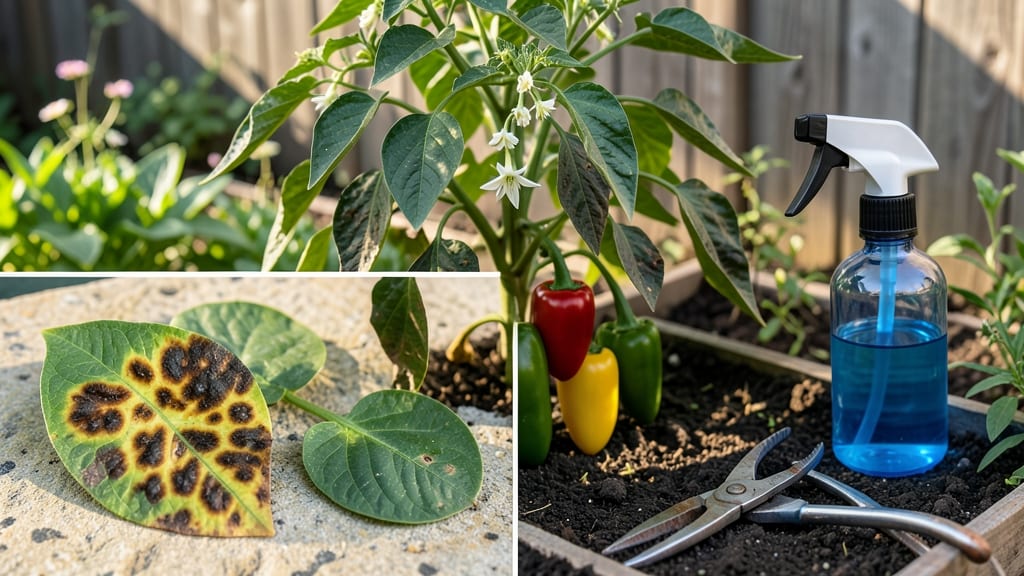
A copper spray saved my peppers from the leaf spot last summer—fast and organic. 🌱 Those ugly brown spots on leaves? That’s pepper leaf spot, a fungal nightmare that turns vibrant plants into sad, defoliated sticks if you don’t act.
I’ve battled it three seasons running, and this is the method that finally worked without chemicals. The problem starts with too much moisture and poor airflow—think crowded plants or overhead watering. Fungal spores lurk everywhere, waiting for damp leaves to throw a party.
Once they take hold, the spots spread like wildfire, yellowing leaves and dropping them faster than you can say “harvest season.” With copper spray, I saw visible improvement in 7 days—new growth emerged without spots, and existing leaves stopped spreading.
The key is prevention: prune for airflow, water at the base, and spray before symptoms appear. It’s not just about saving plants; it’s about keeping your harvest thriving. This works for organic growers, container gardens, and even greenhouse setups. The same principles fight bacterial spot too.
Let’s get those peppers back to their healthy, productive selves—without losing the season.
Understanding The Hidden Triggers
Pepper leaf spot isn’t just a random attack—it’s a wake-up call from your plants, signaling that something’s off in their environment. Fungal spores, the culprits behind this disease, thrive when conditions align perfectly for them.
Let’s break down the key reasons why your peppers develop those unsightly brown or black spots, so you can nip the problem in the bud (literally).
Fungal pathogens like Phytophthora or Xanthomonas (common leaf spot culprits) love dampness. When peppers sit in soggy soil or get drenched by overhead watering, spores germinate and infect leaves through tiny wounds or natural openings like stomata.
- Why it happens: Prolonged leaf wetness (over 6–12 hours) creates the perfect fungal buffet. Poor drainage traps excess water at the roots, weakening the plant’s defenses.
- Actionable fix:
- Water at the base of plants in the morning to allow foliage to dry quickly.
- Ensure raised beds or containers have drainage holes.
- Avoid mulching too close to stems—keep it 2–3 inches away.
- Pro tip: 💡 Use a moisture meter to monitor soil—aim for 40–60% moisture, not soggy.
Fungal spores spread like wildfire in warm (70–90°F) and humid (70%+ relative humidity) conditions. Pepper leaf spot outbreaks often spike during summer downpours or in greenhouses with poor ventilation.
- Why it happens: Heat + humidity = fungal growth party. Spores release and infect plants within 24–48 hours of ideal conditions.
- Actionable fix:
- Space plants 18–24 inches apart for airflow.
- Use fan circulation in greenhouses or shade cloth to reduce humidity.
- Harvest promptly to avoid overcrowded, moisture-rich foliage.
- Pro tip: 🌡️ Check weather forecasts—if humidity hits 80%, proactively spray copper fungicide as a preventative.
Stressed peppers are like open doors for fungi. Nutrient deficiencies, physical damage, or transplant shock leave plants vulnerable to infections.
- Why it happens:
- Nitrogen deficiency → Yellow leaves (weak cell walls = easy fungal entry).
- Physical trauma (hail, pests, rough handling) creates wounds.
- Transplant shock disrupts root systems, slowing recovery.
- Actionable fix:
- Fertilize with balanced NPK (10-10-10) or compost tea for immunity-boosting nutrients.
- Hardening off seedlings gradually to reduce shock.
- Remove damaged leaves immediately to prevent spore spread.
- Pro tip: ✨ Add beneficial microbes (like Trichoderma) to soil—they outcompete harmful fungi naturally.
Fungal spores hitchhike on dirty pruners, gloves, or infested soil, reinfecting plants after "treatment." Even compost or potting mix can harbor dormant spores.
- Why it happens: Spores survive in organic matter for years. Reusing contaminated tools or planting in old infected beds spreads the problem.
- Actionable fix:
- Sterilize tools with 70% rubbing alcohol or a 10% bleach solution between uses.
- Avoid planting peppers in the same spot for 3+ years (crop rotation).
- Test soil for fungal activity before planting—use a home compost thermometer (140°F+ kills spores).
- Pro tip: 🔥 Solarize soil in late summer: Cover beds with clear plastic for 4–6 weeks to bake out pathogens.
Now that you know the root causes, the next step is targeted prevention—like copper sprays—to stop leaf spot in its tracks.
Quick Fixes for Fungal Leaf Damage
Fungal infections like pepper leaf spot can turn your thriving plants into a sad, spotted mess—but don’t panic! With the right approach, you can stop the spread, heal your plants, and prevent future outbreaks.
Below, we break down the most effective solutions based on the root cause of your problem, from quick fixes to long-term prevention. Let’s get your peppers back to their vibrant best!
If you’ve spotted dark, greasy, or yellowing patches on your pepper leaves, prune them fast to prevent the fungus from spreading. Here’s how:
- 👨🍳 Use clean, sharp scissors or pruners (sterilize with rubbing alcohol first).
- 🌿 Snip off infected leaves at the base—don’t leave stubs, or the fungus can linger.
- 🗑️ Dispose of the leaves in the trash (not compost!) to avoid reinfecting your garden.
- ✨ Pro Tip: If the damage is severe, remove entire branches if needed—better to sacrifice a few leaves than lose the whole plant!
Copper-based fungicides are one of the most effective organic treatments for leaf spot. Here’s how to use them properly:
- 🛒 Choose a ready-to-use copper spray (like Copper Soap or Bordeaux Mixture) or make a DIY version:
- Mix 1 tsp copper sulfate + 1 gallon water + a few drops of dish soap (as a surfactant).
- 🌧️ Spray thoroughly on the top and bottom of leaves**, stems, and even the soil around the base.
- 🕒 Apply in the early morning or late afternoon (avoid direct sunlight to prevent leaf burn).
- 🔄 Repeat every 7–10 days until new growth appears without spots.
- 💡 Pro Tip: For prevention, spray once a month during humid or rainy seasons.
Fungal spores love damp, stagnant air—so increase airflow and dry leaves faster to starve the fungus.
- 🌬️ Space plants 12–18 inches apart (if growing in beds) or prune crowded branches in containers.
- 🌿 Use a fan on low speed near plants (especially indoors) to circulate air without damaging leaves.
- 💦 Water at the base, not overhead—wet leaves for too long = fungus party.
- ☀️ Ensure 6–8 hours of sunlight daily—strong, dry plants resist infections better.
- ✨ Pro Tip: If growing in pots, choose containers with drainage holes and empty saucers after watering to prevent soggy roots.
A healthy pepper plant fights off diseases better. Boost its defenses with these low-effort, high-impact tricks:
- 🍄 Feed with compost or worm castings (rich in beneficial microbes that outcompete bad fungi).
- 🌿 Use neem oil or baking soda spray as a preventive fungicide:
- Mix
Once you’ve treated the current outbreak, keep your peppers spot-free with these easy habits:
| Do This ✅ | Avoid This ❌ |
|---|---|
| Clean tools after pruning (rubbing alcohol wipe). | Overwatering—stick your finger in the soil first! |
| Mulch with straw (keeps soil dry and blocks spores). | Planting in low-lying areas (water pools = fungus heaven). |
| Harvest ripe peppers promptly (stressed plants get sick). | Ignoring early signs—act fast at the first spot! |
| Use resistant pepper varieties (like ‘Aristotle’ or ‘Carmen’). | Skipping copper sprays in humid seasons. |
If your peppers are severely infected (more than 30% leaf damage) or the fungus keeps coming back, consider:
- 🍄 Switching to a systemic fungicide (like myclobutanil or chlorothalonil) for stubborn cases.
- 🌱 Replacing heavily infected plants if they’re not recovering (better to lose one than the whole crop!).
Final Thought: With copper sprays, better airflow, and smart watering, you can beat leaf spot fast—and keep your peppers lush, disease-free, and productive all season. Your garden’s health is in your hands!** 🌱💪
Frequently asked questions
What do pepper leaf spot symptoms look like?
Pepper leaf spot shows as dark brown or black spots with yellow halos on leaves, often starting at the edges. Severe cases cause leaf yellowing, curling, and premature drop. Check both leaf surfaces—spots on undersides are a key sign of fungal spread.
Can I still harvest peppers if they have leaf spot?
Yes, but focus on healthy fruit—the disease doesn’t directly infect peppers. Remove and discard any spotted leaves immediately to prevent further spread. Harvest frequently to reduce plant stress, which helps prevent new infections.
How often should I apply copper spray for prevention?
For prevention, spray copper fungicide every 2–4 weeks during humid seasons or after heavy rains. If you notice early signs (tiny spots), increase to weekly applications until the threat passes. Always apply in the evening to avoid leaf burn.
Will pepper leaf spot kill my plants?
Not necessarily—if caught early, you can save your plants with proper treatment. Severe cases with widespread defoliation may weaken plants, but they rarely die. Focus on removing infected leaves, improving airflow, and applying copper sprays to stop the spread.
Can I use the same copper spray on tomatoes too?
Copper sprays are safe for most vegetables, including tomatoes, eggplants, and peppers. Just follow the same application guidelines—avoid spraying when plants are wet or in direct sunlight. Always test a small area first for sensitivity.