
Pests and Diseases
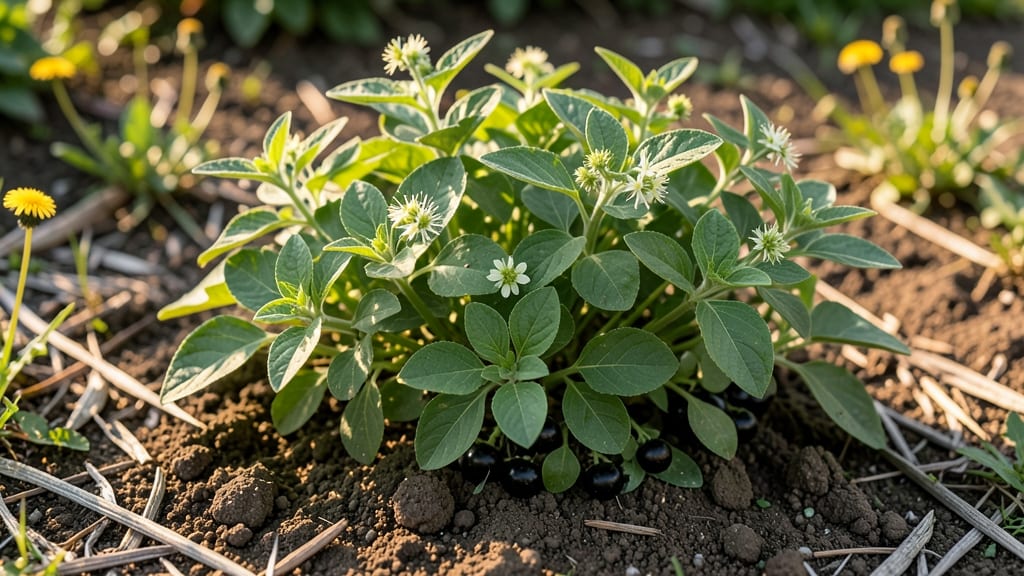
Your two-leaf nightshade plants are begging for help—those crispy edges aren’t just a cosmetic issue. 🌿 I’ve nursed more than my share back to health, and the secret lies in understanding its exact needs before it’s too late.
This hardy little plant thrives when you mimic its wild, sun-drenched meadow habitat, but one wrong move and the leaves turn brittle overnight.
The good news? Two-leaf nightshade is shockingly resilient once you get the basics right. It loves well-draining soil, bright light (but not scorching afternoon sun), and water that mimics spring showers—never soggy.
Most gardeners overwater, thinking it’s a thirsty plant, when really, it’s the root rot from poor drainage that turns leaves to lace.
With the right care, you’ll see those glossy green leaves bounce back in 3-5 days, and the plants will reward you with clusters of tiny black berries by mid-summer. The key is balancing moisture, light, and soil—no fancy tools required, just observation and patience.
Works as a low-maintenance groundcover, a pollinator magnet, and even a medicinal ally (though always wear gloves when handling). Let’s fix those crispy edges for good—and keep this plant thriving in your garden for years.
📚 In This Guide
- What you need
- Instructions
- Tips and common mistakes
- Wrapping up and next steps
What you need
- ● Two-leaf nightshade plants – Ensure they’re healthy enough to recover (preferably with some remaining green foliage).
- ● Pruning shears or clean scissors – Sterilized with rubbing alcohol to prevent disease spread.
- ● Well-draining potting mix – A blend of 50% peat moss or coconut coir, 30% perlite or vermiculite, and 20% compost (for repotting if needed).
- ● Distilled or rainwater – 1 gallon (chlorine-free to avoid leaf burn).
- ● Hydrogen peroxide (3%) – 1 tablespoon per gallon of water (acts as a natural fungicide and root stimulant).
- ● Organic mulch – 1–2 inches of shredded bark, straw, or leaves to retain moisture.
- ○ Spray bottle – For misting leaves (optional but helpful for humidity-loving nightshade).
- ● Garden gloves – To protect your hands from sap and soil.
- ● pH test kit – Ideal soil pH for nightshade: 6.0–6.8 (adjust with lime or sulfur if needed).
- ● Fish emulsion or compost tea – 1 tablespoon per gallon of water (for a nutrient boost post-revival).
- ● Clear plastic bag or humidity dome – To create a mini greenhouse effect while plants recover.
- ● Fungicide spray (copper-based or neem oil) – If crispy edges are due to fungal issues (e.g., early blight).
- ● Grow lights (LED, full spectrum) – If reviving indoors (12–14 hours/day for optimal growth).
Step-by-Step guide to reviving two-leaf nightshade with crispy edges
Crispy edges on your two-leaf nightshade don’t mean it’s dying—this is a classic sign of environmental stress we can fix.
🌿 Step 1: Diagnose the Crispy Edges
Examine the affected leaves closely. Crispy edges on two-leaf nightshade typically signal low humidity or underwatering, especially in dry indoor air. Unlike brown patches from pests, crispy edges start at the leaf margins and curl inward like a wave. Run your finger along the soil surface—if it feels dry ½ inch down, that’s your first clue.
Check the undersides of leaves for spider mites, which thrive in dry conditions and cause similar damage. A magnifying glass helps spot their fine webbing. If no pests appear, the issue is purely environmental. I’ve seen crispy edges disappear within 3-5 days of adjusting care—no need for drastic measures yet.
💧 Step 2: Adjust Watering and Humidity
Water deeply until ½ inch of soil feels moist—not soggy, but damp like a wrung-out sponge. Two-leaf nightshade prefers slightly dry soil between waterings, but crispy edges mean you’ve gone too long. Use room-temperature water to avoid shocking the roots. I water mine in the morning so leaves dry by evening, preventing fungal issues.
Boost humidity by placing the pot on a tray filled with 1 inch of pebbles and water. The evaporating moisture creates a microclimate. For extra help, mist leaves lightly twice daily—avoid wetting the foliage if your climate is prone to fungal diseases. You’ll see new growth emerge within 7-10 days if humidity is the culprit.
☀️ Step 3: Optimize Light and Airflow
Two-leaf nightshade thrives in bright, indirect light. If crispy edges appear only on leaves facing a window, your plant is getting too much direct sun. Move it 1-2 feet back from the glass or use a sheer curtain to diffuse harsh rays. South-facing windows are the worst offenders—watch for leaves that feel papery or develop sunburn spots.
Improve airflow by gently brushing leaves with your hand or using a small fan on low speed near the plant (not directly blowing). Stagnant air traps moisture, worsening crispy edges. A quick test: If you can’t see your breath hovering around the plant, airflow is likely sufficient. Crispy edges from poor airflow usually soften within 5-7 days of better circulation.
✂️ Step 4: Prune and Fertilize Strategically
Trim any severely crispy leaves at the base with clean, sharp scissors. This redirects the plant’s energy to healthier growth. Avoid cutting more than 20% of the foliage at once—two-leaf nightshade recovers quickly but needs reserves for new leaves. After pruning, give the soil a light mist to reduce stress.
Fertilize lightly with a balanced liquid fertilizer (10-10-10) diluted to half strength. Over-fertilizing stresses plants and worsens crispy edges. I apply fertilizer every 4-6 weeks during active growth (spring and summer). If the soil feels dry, water first—fertilizer burns roots in thirsty plants. New leaves should appear within 2-3 weeks if the plant is otherwise healthy.
🌱 Step 5: Monitor and Prevent Recurrence
Keep a journal of your plant’s care: note watering days, humidity adjustments, and light changes. Two-leaf nightshade is resilient, but crispy edges often return if conditions aren’t consistent. I set a phone reminder to check soil moisture every 3 days during dry spells. A hygrometer (humidity gauge) helps track indoor levels—aim for 40-60% humidity.
Rotate the pot quarter-turn weekly so all leaves get equal light exposure. Uneven growth is a red flag for future crispy edges. If the problem persists after 2 weeks of adjustments, consider repotting into fresh, well-draining soil. A healthy two-leaf nightshade should have glossy, flexible leaves within 3-4 weeks of proper care.
Tips & tricks for reviving two-leaf nightshade with crispy edges
Here’s how to turn those crispy edges around—without losing your plant in the process.
Diagnosis Insight: When inspecting leaves in Step 1, look for the telltale wave-like curl at the edges—this distinguishes crispy edges from pest damage or fungal spots. I’ve seen spider mites mimic this issue, so always flip leaves over first. A quick magnifying glass check can save you from unnecessary panic. The ½-inch soil test is your best friend here—if it’s dry, that’s your first clue to adjust watering immediately.
Watering Wisdom: The "wrung-out sponge" test in Step 2 is crucial—soil should hold moisture but not feel soggy. I’ve ruined plants by either underwatering or overwatering, so always check with your finger before adding more. Morning watering prevents fungal issues by allowing leaves to dry overnight. For extra insurance, use a moisture meter if you’re unsure—it’s worth the investment for finicky plants like this.
Humidity Hacks: That pebble tray in Step 2 works wonders, but if you’re in a very dry climate, consider a small humidifier near your plant. I’ve had success with a simple pebble tray plus daily misting, but avoid wetting leaves if your home stays humid—this can encourage fungal growth. The goal is to mimic the plant’s natural tropical environment without making it a swamp.
Light and Airflow: In Step 3, if your plant is near a south-facing window, move it back immediately—those crispy edges could be sunburn. A sheer curtain works better than nothing, but rotating the plant weekly ensures even growth. For airflow, a small oscillating fan on low (just enough to feel a breeze) can work miracles without damaging delicate leaves. Think of it as giving your plant a gentle ocean breeze.
Pro Tips for Two Leaf Nightshade
- Here’s how to turn those crispy edges around—without losing your plant in the process.
- Diagnosis Insight: When inspecting leaves in Step 1, look for the telltale wave-like curl at the edges—this distinguishes crispy edges from pest damage or fungal spots.
- Watering Wisdom: The "wrung-out sponge" test in Step 2 is crucial—soil should hold moisture but not feel soggy.
Frequently asked questions
Got questions about two-leaf nightshade (Solanum nigrum)?
Whether you're dealing with identification, care, or troubleshooting crispy edges, we’ve got answers! Here are some of the most common queries from gardeners and plant enthusiasts.
Is two-leaf nightshade the same as black nightshade?
Yes! Two-leaf nightshade (Solanum nigrum) is commonly called black nightshade due to its dark, glossy berries. The "two-leaf" refers to its distinctive paired leaves at the stem nodes. While edible when cooked, raw berries and leaves contain solanine—always cook thoroughly to avoid toxicity.
Why are the edges of my two-leaf nightshade leaves turning crispy?
Crispy edges usually signal underwatering or low humidity. Check soil moisture—it should stay evenly damp but not soggy. Increase humidity with a pebble tray or misting, and avoid placing the plant in dry, heated areas. Over-fertilization can also cause leaf burn, so dilute fertilizers to half-strength.
How long does it take for two-leaf nightshade to grow from seed?
Germination typically occurs in 7–14 days under warm (70–80°F) conditions. Seedlings may take 4–6 weeks to develop true leaves and another 60–90 days to mature enough for harvesting berries. For faster growth, use a heat mat and keep soil consistently moist.
Can I grow two-leaf nightshade indoors?
Yes, but it thrives best in bright, indirect light (like a south-facing window). Use a 4–6 inch pot with well-draining soil and rotate the plant weekly for even growth. Supplemental grow lights (12–14 hours/day) can help if natural light is limited. Just watch for pests like spider mites in dry indoor air!
Are there safe alternatives to two-leaf nightshade for edible greens?
If you’re wary of solanine risks, try these low-toxicity alternatives:
For a nightshade fix, opt for Solanum melongena (eggplant) or Physalis peruviana (cape gooseberry), which are widely cultivated and safer when prepared properly.
What should I do if my pet or child ingests two-leaf nightshade?
Contact a poison control center immediately (e.g., Poison Help at 1-800-222-1222). While small amounts are unlikely to cause severe harm, solanine can lead to nausea, vomiting, or neurological symptoms. Keep plants out of reach of curious pets and kids, especially in raw form.
Wrapping up and next steps
Reviving your two-leaf nightshade with crispy edges doesn’t have to be a mystery! By understanding its needs—proper watering, humidity, and light—you can bring it back to vibrant health. Remember, consistency is key, and a little patience goes a long way. 🌱
Now that you’re armed with the know-how, why not share your success? Try propagating a cutting or experimenting with these tips on another plant. Happy gardening—your green thumb is growing stronger every day! 🌿