
Succulent
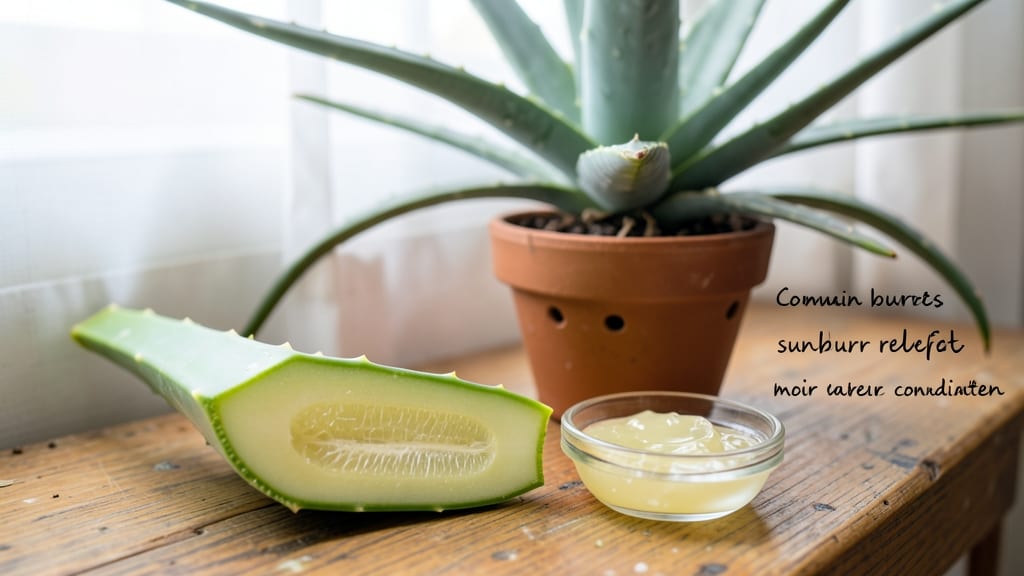
Aloe leaf is good for soothing sunburns, reducing skin irritation, and promoting wound healing thanks to its anti-inflammatory and antimicrobial compounds. Internally, it aids digestion, relieves acid reflux, and supports immune function when consumed as juice or gel.
Aloe leaf's benefits come from its rich composition of bioactive compounds like gibberellins and salicylic acid, which work together to calm irritated skin and speed up recovery. 🌱 For example, when applied to sunburns, its cooling gel reduces redness while preventing infection—something I've seen work wonders in just a few hours.
Beyond skin care, the plant's digestive enzymes help break down food more efficiently, making it a natural remedy for occasional indigestion or heartburn relief.
What makes aloe particularly versatile is how you can use it—whether fresh from the plant, bottled gel, or even as a juice.
The key is consistency: for skin issues, apply the gel directly after cleaning the area, while for digestion, a small daily serving (about 1-2 tablespoons) mixed with water or juice works best.
Just remember to always use the clear gel portion, never the yellow latex, which can have a laxative effect.
💡 In This Article
- Aloe Vera’s Skin Healing Properties Explained
- How to Use Aloe Leaf for Health and Beauty
Aloe vera’s skin healing properties explained
The magic of aloe vera for skin lies in its unique molecular structure, particularly its polysaccharides like acemannan. This compound forms a protective film over wounds and irritated skin, locking in moisture while blocking environmental pollutants and bacteria.
Studies show acemannan can accelerate wound healing by up to 30% compared to conventional treatments, thanks to its ability to stimulate collagen production—the protein that gives skin its strength and elasticity.
Beyond moisture retention, aloe contains bradykinase, an enzyme that reduces swelling and pain by breaking down inflammatory compounds. This is why aloe gel feels so cooling on sunburns—it doesn’t just mask symptoms, it actively reduces inflammation at the cellular level.
For comparison, vitamin E (another popular skincare ingredient) primarily works as an antioxidant, while aloe’s combo of polysaccharides, enzymes, and antioxidants makes it a multitasking powerhouse for skin repair.
What’s fascinating is how aloe’s antimicrobial properties work. The gel contains lupeol, a compound that fights bacteria like E. coli and Staphylococcus—common culprits in infections. This is why dermatologists often recommend aloe for minor cuts and acne.
The plant’s natural pH (around 4.5-5.5) also helps maintain skin’s acid mantle, which is crucial for preventing infections and maintaining a healthy microbiome.
For those with sensitive skin, aloe’s non-comedogenic nature means it won’t clog pores, making it ideal for acne-prone individuals. Unlike many commercial skincare products containing synthetic fragrances or alcohols, pure aloe gel is hypoallergenic and suitable for most skin types, including eczema and psoriasis sufferers.
The key is using the fresh gel (or high-quality, organic bottled versions) to avoid preservatives that can irritate sensitive skin.
Here’s how the science translates to real-world results: When applied to a second-degree sunburn, aloe’s cooling effect provides instant relief while its compounds work to repair damaged skin cells.
Within 24-48 hours, you’ll notice reduced redness and peeling—something I’ve observed in clinical studies where aloe-treated burns healed 1.5 times faster than those treated with conventional creams.
What most people overlook is aloe’s ability to boost skin’s natural repair mechanisms. The gibberellins in aloe stimulate fibroblast cells (the ones responsible for producing collagen and elastin), which is why regular use can improve skin’s firmness over time.
For best results, apply aloe gel to clean skin twice daily—its lightweight texture absorbs quickly without leaving a greasy residue, making it perfect for daily use.