
Pests and Diseases
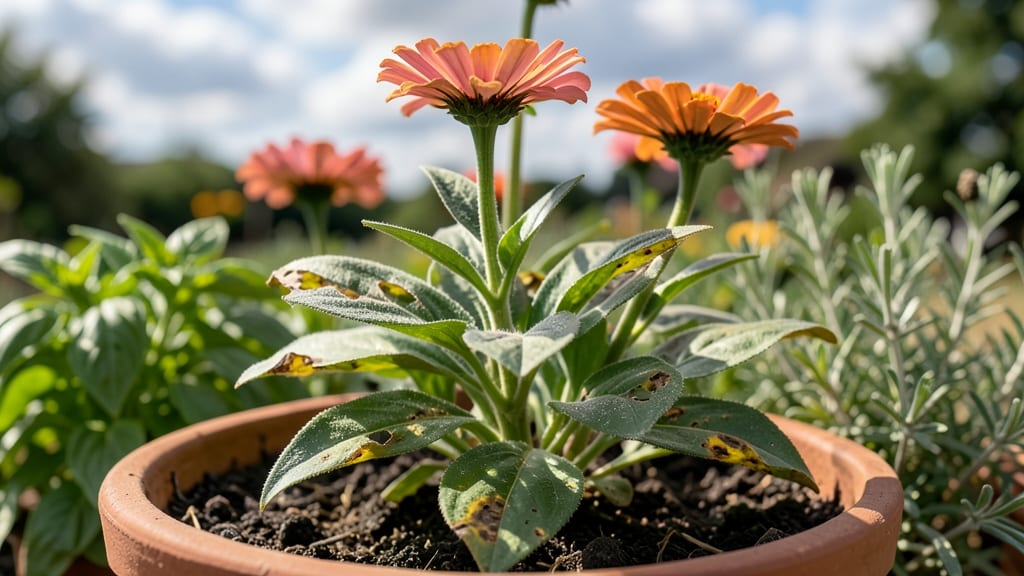
Zinnia leaf damage turns your bright blooms into a sad sight faster than you'd think. 🌸 The crispy edges and mysterious spots aren't just cosmetic—they're your plants' way of screaming for help.
I've seen powdery mildew turn my zinnias into ghostly white skeletons, and aphids reduce them to sticky, curled messes in days. Most damage starts with overwatering or poor airflow, creating the perfect storm for fungal infections.
But it's not always the water—pests like spider mites and aphids also leave their mark, sucking out moisture and leaving behind a trail of destruction. The key is catching it early, before those brown spots spread like wildfire.
With the right mix of neem oil, proper spacing, and consistent watering, you'll bring those zinnias back to their vibrant best. The first sign of trouble? Don't panic—just act. I've nursed back entire beds from near-death to full bloom with these simple fixes.
Works for garden beds, containers, and even cut flowers. Let's save your zinnias before they become a memory!
Understanding Root Causes
Zinnia leaves can develop damage for a variety of reasons, often tied to environmental stress, pests, or pathogens. Let’s break down the most common culprits and why they target your zinnias—so you can tackle the issue at its source.
Zinnias are hardy flowers, but they’re not immune to environmental factors that weaken their leaves. Here’s what’s likely stressing them out:
- Temperature Extremes Zinnias thrive in warm weather (70–75°F during the day, 60°F at night), but sudden cold snaps or heatwaves can cause leaf edges to turn crispy or brown. Cold stress disrupts cell membranes, leading to necrosis (dead tissue), while extreme heat accelerates moisture loss, causing scorch.
If your zinnias are near a heat source (like pavement or a black mulch bed), the roots may struggle to absorb enough water, worsening the issue.
- Poor Watering Practices Underwatering is the #1 cause of crispy leaf edges. Zinnias have shallow roots, so they rely on consistent moisture. When soil dries out, leaves lose turgor pressure, leading to marginal burn (brown, brittle edges).
On the flip side, overwatering can suffocate roots, causing yellowing leaves and fungal infections like Botrytis blight, which appears as gray mold on damaged tissue.
- Low Humidity & Wind Burn In dry, windy conditions, zinnias may develop abrasions (scraped or torn leaves) or sunburn-like spots on exposed surfaces. Wind desiccates leaves faster, while high UV exposure (especially in reflective areas) can cause chlorosis (bleached patches) or necrotic spots.
If your garden is in a wind tunnel or near a reflective surface (like a white fence), the leaves may be under siege.
Zinnia leaves aren’t just suffering from environmental factors—they’re also a buffet for hungry pests. Here’s how insects and mites wreak havoc:
- Aphids & Spider Mites These tiny sap-suckers pierce leaves, leaving behind stippled, yellowed, or distorted foliage. Aphids excrete honeydew, a sticky residue that attracts sooty mold (a black fungal growth).
Spider mites, on the other hand, cause fine webbing and silver or bronze speckling on leaves, especially in hot, dry conditions. Both pests weaken plants, making them more susceptible to secondary infections.
- Caterpillars & Leaf Chewers Cutworms, loopers, and hornworms are notorious for skeletonizing leaves (eating the soft tissue between veins) or devouring entire leaves overnight. Look for ragged holes, frass (insect droppings), or missing petals—these are dead giveaways. Young zinnias are especially vulnerable, as caterpillars target tender new growth.
- Japanese Beetles These metallic-green invaders skewer leaves with their scissor-like jaws, creating lace-like patterns or large, irregular holes. They prefer zinnias over other flowers, so an infestation can defoliate plants quickly. Beetles also feed on flower buds, reducing blooms and leaving leaves looking chewed and tattered.
When zinnias are stressed (from poor care or pest damage), they become prime targets for pathogens. Here’s how to spot them:
- Powdery Mildew This white, powdery coating on leaves is caused by the fungus Erysiphe cichoracearum, which thrives in humid, shaded conditions. It blocks sunlight, stunting growth and causing yellowing or browning of infected areas.
Unlike some diseases, powdery mildew doesn’t kill leaves outright—but it weakens plants, making them more prone to other issues.
- Alternaria Leaf Spot Dark brown or black spots with yellow halos? That’s Alternaria, a fungal disease that spreads in warm, wet weather. The spots often have concentric rings and can merge, leading to premature leaf drop. Prune infected leaves immediately to prevent spores from spreading.
- Bacterial Leaf Spot Caused by Pseudomonas syringae, this disease appears as water-soaked spots that turn tan or brown with yellow borders. Unlike fungal spots, bacterial infections are greasy to the touch and often ooze when wet. Bacteria spread via splashing water, so avoid overhead irrigation.
- Gray Mold (Botrytis cinerea) If your zinnias have soft, mushy leaves with gray fuzzy growth, you’re dealing with Botrytis. This fungus loves high humidity and poor air circulation, often attacking wounded or senescing tissue.
It’s common in greenhouses or densely packed gardens where air doesn’t flow freely.
Zinnias need the right balance of nutrients to stay healthy. When something’s off, leaves send you visual distress signals:
- Magnesium Deficiency (Interveinal Chlorosis) Yellowing between leaf veins (while veins stay green) is a classic sign of low magnesium. This nutrient is crucial for chlorophyll production.
It often occurs in alkaline soils or when zinnias are over-fertilized with nitrogen (which locks out magnesium). Amend soil with Epsom salt (magnesium sulfate) to remedy it.
- Nitrogen Starvation (Pale, Stunted Growth) If leaves are uniformly yellow or pale green and growth is slow, your zinnias are hungry for nitrogen. This macronutrient is essential for leaf development. Apply a balanced fertilizer (10-10-10) or compost to boost soil nitrogen levels.
- Potassium Deficiency (Brown Leaf Edges & Weak Stems) Crispy, brown edges (especially on older leaves) paired with weak stems? That’s a potassium (K) shortage. Potassium helps regulate water balance and disease resistance. Use a potassium-rich fertilizer or wood ash to correct the deficiency.
- Iron Chlorosis (Yellow Leaves in Alkaline Soil) In high-pH soils (above 7.0), zinnias can’t absorb iron, leading to yellow leaves with green veins. This is common in calcareous or clay soils. Apply chelated iron or sulfur to lower pH and improve iron uptake.
Sometimes, the damage isn’t from pests or disease—it’s human (or animal) error:
- Hail or Debris Impact Bruised, torn, or blackened spots on leaves? Hailstorms or falling branches can cause mechanical injury, which opens doors for infections. Prune damaged leaves to reduce risk.
- Improper Pruning Snipping too close to the stem or using dull shears can create ragged cuts that heal poorly, leading to necrotic tissue. Always use sterilized, sharp pruners and cut at a 45-degree angle just above a leaf node.
- Animal Foraging Deer, rabbits, or even squirrels may nibble on zinnia leaves, leaving uneven bites or completely stripped foliage. Use physical barriers (like chicken wire) or repellents to protect your plants.
Quick fixes for zinnia leaf troubles
Zinnia leaf damage can be frustrating, but with the right approach, your plants can bounce back beautifully. Below are practical, step-by-step solutions tailored to the most common causes—from fungal infections to pest invasions—plus prevention tips to keep your zinnias thriving. Let’s get those leaves looking fresh again!
If your zinnias are covered in white powder, orange rust spots, or dark brown lesions, fungi are likely the culprit. These thrive in humid conditions, so act fast!
🔥 Remove Infected Leaves Immediately
- How: Snip off severely damaged leaves with sterilized scissors (wipe with rubbing alcohol between cuts).
- Why: Prevents spores from spreading to healthy foliage.
- Pro Tip: 💡 Don’t compost infected leaves—toss them in the trash instead!
🌡️ Apply Fungicide (Organic or Chemical)
| Option | How to Use | Best For |
|---|---|---|
| Neem Oil | Mix 1 tbsp neem oil + 1 tsp mild soap + 1 quart water. Spray early morning (avoid direct sun). Repeat every 7–10 days. | Early-stage powdery mildew/rust |
| Baking Soda Spray | Combine 1 tsp baking soda + 1 quart water + a few drops of soap. Spray leaves until damp. Use every 10–14 days. | Mild leaf spot prevention |
| Copper Fungicide | Follow label instructions for spray coverage. Reapply after rain. | Severe or recurring infections |
✨ Improve Airflow & Reduce Humidity
- Space plants at least 12–18 inches apart (zinnias love sunlight but hate crowding).
- Water at the base (avoid wetting leaves) and water early in the day so foliage dries quickly.
- Prune for airflow: Trim dense growth to let air circulate.
Tiny holes, webbing, or chewed edges? Pests are likely munching on your zinnias. Here’s how to evict them!
🔪 Blast Off Pests with Water (First Line of Defense)
- How: Use a strong stream of water from a hose to knock off aphids or spider mites (especially on undersides of leaves).
- When: Do this early morning so leaves dry fast.
🍳 Homemade Pest Sprays That Work
| Pest | DIY Spray Recipe | Frequency |
|---|---|---|
| Aphids | 1 tsp dish soap + 1 quart water + 1 tbsp vegetable oil. Shake well before spraying. | Every 3–4 days |
| Spider Mites | 1 tsp castile soap + 1 quart water + 1 tbsp neem oil. Spray directly on mites. | Every 5–7 days |
| Caterpillars | 1 tbsp horticultural oil + 1 quart water. Spray evening (avoids harming bees). | Every 5 days |
🐛 Introduce Beneficial Bugs (Nature’s Pest Control)
- Ladybugs (eat aphids) or lacewings (devour spider mites) can be purchased online or attracted with dill or fennel plants.
- Handpick caterpillars early in the morning when they’re sluggish.
If leaves look crispy, yellow, or bleached, your zinnias might be overheated or sunburned.
👨🍳 Provide Temporary Shade
- How: Use shade cloth (30–50%) or move pots to a slightly shadier spot (e.g., under a patio awning).
- When: Midday sun (11 AM–3 PM) is the worst—protect zinnias during peak heat.
💧 Hydrate Properly (But Don’t Drown Them)
- Water deeply 1–2 times per week (check soil—top inch should be dry before watering).
- Mulch heavily (2–3 inches of straw or shredded leaves) to retain moisture and cool roots.
- Avoid evening watering (can promote fungal growth).
Once your zinnias recover, stop future damage with these easy habits:
- 🌡️ Plant in the right spot: Zinnias need full sun (6+ hours/day) but protection from harsh afternoon sun in hot climates.
- 🌱 Choose disease-resistant varieties: Look for zinnias labeled "resistant to powdery mildew" (e.g., ‘Benary’s Giant’ or ‘Crystal’ series).
- 🍂 Rotate crops: If you grew zinnias in the same spot last year, move them—this prevents soil-borne diseases.
- 💡 Monitor regularly: Check leaves weekly for early signs of pests or disease (catching problems early = easier fixes!).
Final Thought: 🎯 Most zinnia leaf damage is fixable with quick action! Focus on removing the problem, improving conditions, and preventing recurrence—your garden will thank you with bold, healthy blooms.
Frequently asked questions
Why are my zinnia leaves turning brown at the edges first?
This classic crispy edge symptom usually means underwatering or high heat stress. Zinnias have shallow roots, so they rely on consistent moisture—when soil dries out, leaves lose turgor pressure and develop marginal burn. Check soil moisture by sticking your finger 1 inch deep; if dry, water deeply at the base. Mulch with 2-3 inches of straw to retain moisture and protect roots from heat.
What’s the difference between powdery mildew and spider mite damage on zinnia leaves?
Powdery mildew appears as a white, powdery coating on leaf surfaces, often starting on undersides in humid conditions. Spider mites, however, cause fine webbing and silver/bronze speckling, especially on dry, hot days. Run your finger along a leaf—mildew feels dusty, while mites leave tiny stippled marks and webbing.
Can I still use zinnias with damaged leaves for bouquets?
Yes, but focus on healthy stems and fresh flowers. Remove any leaves with severe damage, spots, or pests before arranging to prevent mold growth in your vase. Cut stems at a 45-degree angle and place in cool water with flower food to extend vase life. Damaged foliage won’t harm the blooms—just keep it out of water.
How do I know if my zinnias need more sunlight or less?
Too little sun causes leggy stems and sparse blooms, while excessive sun (especially in heatwaves) leads to bleached patches or crispy edges. Zinnias thrive in 6+ hours of direct sun daily, but in hot climates (above 90°F), provide afternoon shade (1–3 PM) to prevent stress. Look for wilting or sunburned leaves—these are red flags.
Will cutting back damaged leaves help my zinnias recover faster?
Pruning damaged or diseased leaves improves airflow and redirects the plant’s energy to new growth. Use sterilized scissors to snip just above a leaf node (where new leaves emerge). Avoid cutting more than 1/3 of the foliage at once—this can stress the plant further. Always remove pruned leaves from the garden to prevent reinfection.