
Companion Plants
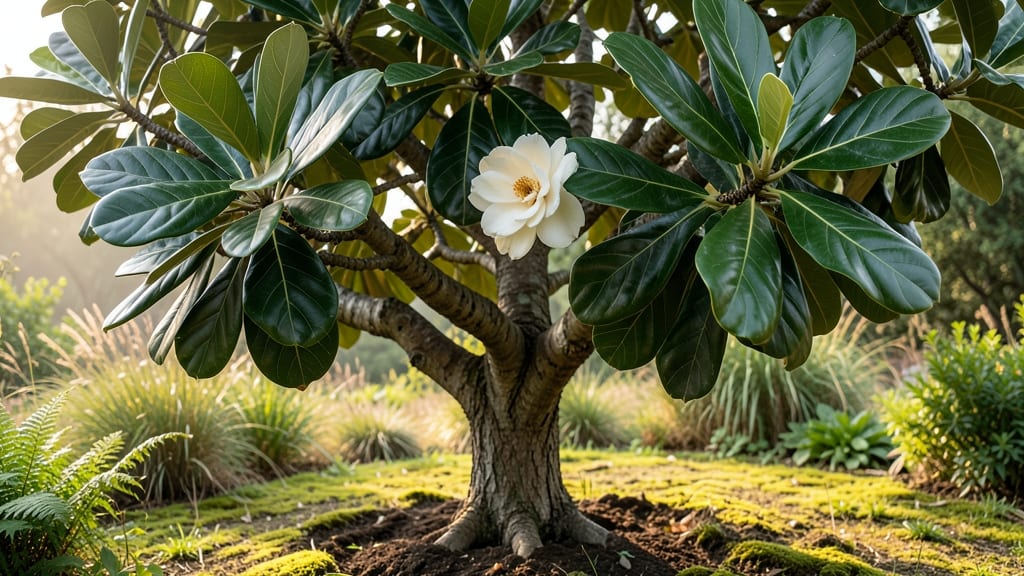
Mastering big leaf plants identification starts with noticing tiny details—like vein patterns and leaf edges—that turn a guess into a match. 🌿 I’ve spent years mistaking banana leaves for elephant ear plants (they’re not the same!), and the difference always comes down to texture and shape.
Whether you’re staring at a lush Monstera or a towering philodendron, these visual clues unlock the mystery behind your leafy friends.
First, check the leaf’s shape: lobed (like maple), pinnate (feather-like veins), or simple (one solid piece). Then look at the veins—are they straight, wavy, or branching?
A Monstera’s split leaves with glossy texture scream "tropical," while a banana plant’s broad, waxy leaves are unmistakable once you know what to spot. Even edible plants like Swiss chard hide identification secrets in their crinkled edges or vibrant stems.
You’ll quickly spot the differences between common look-alikes, like the deep cuts of a fiddle-leaf fig versus the smooth lobes of a rubber plant. Once you master these traits, you’ll confidently name plants at nurseries, troubleshoot garden mysteries, or even impress friends with your newfound leaf expertise.
The key? Start with one feature—veins or edges—and build from there.
For tricky cases, snap a photo and compare it to databases like PlantNet or iNaturalist. These tools let you cross-check your observations with verified plant profiles, so you’re never left guessing again. Happy identifying!
What Triggers Misidentification
Big leaf plants can be a gardener’s dream—but also a frustrating puzzle when their true identity stays hidden. Misidentification often stems from a mix of natural variations, human error, and environmental quirks. Understanding these causes helps you spot the real plant behind the foliage.
Many plants share similar leaf shapes, textures, or vein patterns, making them easy to confuse.
For example: - Heart-shaped leaves appear in Hosta, Caladium, and Philodendron—but their vein structures, leaf edges, and growth habits differ. - Large, glossy leaves might belong to Monstera deliciosa (swiss cheese plant) or Alocasia (elephant ear), but Monstera has fenestrations (holes) while Alocasia has prominent midribs and petioles.
Actionable Tip: 🔍 Cross-check multiple features—leaf arrangement (alternate vs. opposite), stem texture, and flower/fruit presence (if any) narrow it down.
A plant’s leaves change dramatically as it ages.
Seedlings often look nothing like mature specimens: - **Young Ficus elastica (rubber plant) has smooth, dark green leaves, while mature leaves develop leathery texture and lighter undersides. - Basil leaves start small and round but broaden into serrated edges as the plant matures.
Pro Tip:** 📊 Compare your plant to seedling vs. adult photos—many databases (like [iNaturalist](https://www.inaturalist.org/) or [PlantNet](https://identify.plantnet.org/)) categorize by growth stage.
Stress from light, water, or pests can alter leaf appearance, throwing off identification:
- Yellowing or curling leaves (from overwatering) might make a Peperomia look like a struggling Pothos.
- Sun scorch (brown patches) can distort a Calathea’s natural pattern, making it resemble a Maranta.
Key Fix: 🌡️ Adjust care conditions—if leaves look "off," rule out stress before identifying. Use a moisture meter or grow light guide to diagnose.
A flat, two-dimensional photo hides critical details:
- Top-down shots hide leaf undersides (e.g., Philodendron’s velvety reverse vs. Monstera’s smooth side).
- Close-ups may obscure stem structure or leaf arrangement (e.g., Epipremnum aureum’s aerial roots vs. Syngonium’s arrowhead shape).
Tech Hack: 📱 Take 3-angle photos—top, side, and underside—and compare with 360° plant databases like [PlantSnap](https://www.plantsnap.com/).
Not all plants look the same in every climate:
- Variegation (white/yellow streaks) varies by cultivar—e.g., Dracaena marginata can be solid green or burgundy-edged.
- Climate-adapted leaves may thicken in arid regions (e.g., Agave leaves) or thin in humidity (e.g., Fittonia’s delicate veins).
Research Tip: ✨ Note your plant’s origin—some species develop local adaptations. Check regional plant guides (e.g., [USDA Plant Database](https://plants.usda.gov/)).
Our brains fill in gaps based on prior knowledge:
- "It’s a fiddle-leaf fig"—but Ficus lyrata has asymmetrical bases, while Ficus benghalensis (banana fig) has symmetrical lobes.
- "All ivies are the same"—Hedera helix (English ivy) differs from Senecio macroglossus (elephant’s food) in leaf shape and growth habit.
Avoid Mistakes: 🎯 Use a key-based identifier—apps like [PictureThis](https://www.picturethisai.com/) or [Google Lens](https://lens.google.com/) force objective comparisons.
Insects, fungi, or bacteria can warp leaves into unrecognizable shapes:
- Spider mites cause stippling (tiny white dots) on Peperomia, mimicking a different species.
- Bacterial leaf spot on Caladium creates irregular holes, unlike its natural perforations.
First Aid: 🚑 Isolate the plant—treat pests/diseases before identifying. Use neem oil or copper fungicide as needed.
Final Reminder: Misidentification often boils down to one missing detail. Treat plant ID like a detective game—gather clues, eliminate red herrings, and verify with multiple sources. 🕵️♂️🌿
Quick Fixes for Leafy Plant Puzzles
If you’ve ever stared at a sprawling green mystery in your garden or pot and thought, "What in the world is this?"—don’t panic! Identifying big-leafed plants doesn’t have to be a guessing game.
Below, we’ll tackle common challenges with practical, step-by-step solutions, whether your plant is thriving or throwing red flags. Let’s turn confusion into clarity!
Problem: The leaf shape and veins almost match your reference, but something’s off—maybe the edges are too jagged, the color is wrong, or the plant’s growth habit doesn’t align.
How to Fix It:
- 📏 Compare Like a Detective
- Grab a ruler or your phone’s measuring app to check leaf length, width, and texture. Big-leaf plants like Monstera deliciosa (Swiss cheese plant) have elliptical leaves with fenestrations, while Ficus lyrata (fiddle-leaf fig) boasts smooth, violin-shaped leaves. A 1-inch difference can mean a different species!
- Pro Tip: 💡 Snap a close-up photo of the leaf underside (some plants, like Philodendron bipinnatifidum, have distinct vein patterns or hairiness on the reverse side).
- 🌿 Check the Stem and Growth Pattern - Are the leaves alternate (one per node, like Alocasia) or opposite (paired, like Coleus)?
This narrows it down fast. - Look for aerial roots (common in Monstera or Philodendron) or milky sap (a dead giveaway for Euphorbia or Peperomia).
- 🌍 Narrow by Climate & Origin
- Tropical big-leaf plants (e.g., Caladium, Anthurium) love humidity, while Mediterranean varieties (e.g., Ficus carica) tolerate dry spells. Where did you source the plant? Nursery tags or origin stories are goldmines.
Prevention: 🌡️ Keep a plant journal with photos, purchase dates, and care notes. Label mystery plants with sticky flags until you ID them!
Problem: Your big-leaf beauty is developing yellow patches, brown spots, or holes—could be pests, disease, or environmental stress.
How to Fix It:
| Symptom | Likely Cause | Solution |
|---|---|---|
| Yellow edges | Overwatering or fluoride buildup | 💧 Let the top 2 inches of soil dry out; use rainwater or filtered water. |
| Black spots | Fungal infection (e.g., Alternaria) | 🔪 Prune affected leaves; spray with neem oil (1 tsp per quart of water). |
| Holes & chewed leaves | Spider mites or slugs | 🕷️ Wipe leaves with soapy water; set out beer traps for slugs. |
| Curling leaves | Underwatering or low humidity | 🌬️ Mist leaves daily or use a pebble tray with water. |
Prevention: ✨ Quarantine new plants for 2 weeks to spot pests early. Dust leaves monthly with a soft cloth to prevent fungal spores from settling.
Problem: Your big-leaf plant is stretching toward the light or growing painfully slow, even with good care.
How to Fix It:
- ☀️ Light Audit
- Most big-leaf tropicals (e.g., Alocasia, Monstera) need bright, indirect light. If leaves are pale or stretched, move it 6 inches closer to a window (but avoid direct sun, which burns them).
- Pro Tip: 🌡️ Use a light meter app to check if your space gets 10,000–15,000 lux—ideal for leafy growth.
- 🍽️ Fertilizer Fix
- Yellow leaves + weak stems? You’re likely underfeeding. Switch to a balanced liquid fertilizer (e.g., 10-10-10) every 4–6 weeks in spring/summer.
- Brown leaf tips? You’re overfertilizing. Flush the soil with water to leach excess salts.
- 🌿 Prune for Bushiness
- Trim long, leggy stems just above a leaf node to encourage new growth. Use sterilized scissors to avoid disease.
Prevention: 🎯 Rotate your plant weekly so all sides get even light. Avoid cold drafts (e.g., near AC vents), which stunt growth.
If your plant is beyond saving but you’re curious about its ID, share photos in plant forums like:
- Reddit’s r/whatsthisplant (goldmine for big-leaf IDs!)
- Facebook Groups (e.g., Houseplant ID)
- iNaturalist (for wild or unknown specimens)
Upload tips:
- 📸 Take 3 photos: Leaf front/back + whole plant.
- 📏 Include a coin or ruler for scale.
- 🌍 Note your location/climate (helps rule out non-native species).
Remember: Even seasoned gardeners misidentify plants—start with the basics, eliminate the impossible, and the answer will reveal itself! 🌿✨
Frequently asked questions
What’s the easiest way to tell a Monstera apart from a Philodendron?
Look for fenestrations (those signature holes) in Monstera leaves—they’re unmistakable! Philodendrons have smooth, heart-shaped leaves with visible aerial roots along the stems. Pro tip: Check the leaf underside—Monstera’s is glossy, while Philodendron’s may be slightly hairy.
Can I use a phone app to identify big-leaf plants?
Apps like PlantSnap or PictureThis analyze leaf shape, veins, and color to suggest matches. For best results, take 3 photos: front, back, and a full-plant shot. Include a coin for scale—apps need reference points to work accurately.
Why do some big-leaf plants have curly edges?
Curly or wavy edges are often a stress response—usually from low humidity or underwatering. Try misting leaves daily or placing the pot on a pebble tray. If the issue persists, check for pests like spider mites, which can distort leaf growth.
Are banana leaves and elephant ear plants the same?
No—they’re often confused but have key differences! Banana leaves are long, tapered, and waxy with parallel veins, while elephant ear (Alocasia) leaves are broad, arrow-shaped, and velvety. Banana leaves also grow in clumps, while elephant ears sprout from a single stem.
How do I know if my big-leaf plant is getting enough light?
Check the leaves: Pale or stretched leaves mean it needs more light (move 6 inches closer to a window). Brown patches mean too much direct sun—shift it to indirect light. Ideal light for most big-leaf plants is bright but diffused, like near an east-facing window.