
Companion Plants
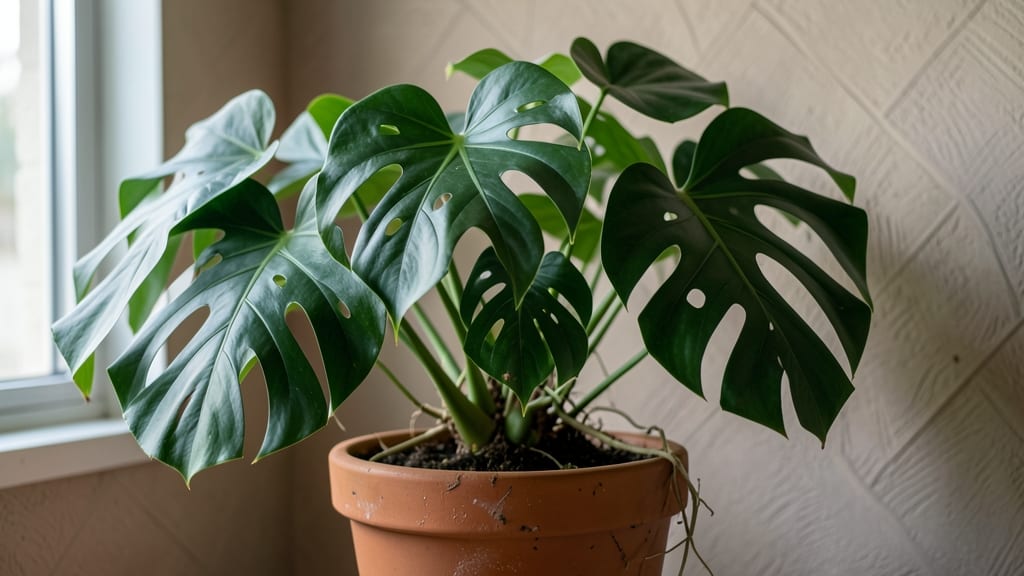
Fast-growing tropical big leaf plants transform any space into a jungle retreat. 🌿 I’ve watched my Monstera go from a single cutting to a towering canopy in just two years—no greenhouse needed.
The secret lies in mimicking their natural habitat: bright, indirect light, consistently moist soil, and humidity levels that feel like a rainforest morning.
These plants thrive in shady corners where others fail, making them perfect for north-facing rooms or under trees. You’ll need well-draining potting mix (add perlite or orchid bark for aeration), a watering routine that keeps soil damp but not soggy, and occasional misting or a pebble tray to boost humidity.
Pruning is simple: just snip leggy stems to encourage bushier growth and propagate new plants from cuttings.
By summer’s end, you’ll have lush foliage that casts dramatic shadows and purifies the air—no green thumb required. The biggest mistake? Overwatering (root rot is silent but deadly) or letting them dry out completely. These plants forgive small slip-ups but reward consistent care with rapid, eye-catching growth.
Works for both beginners (start with a Philodendron) and enthusiasts (try Alocasia’s bold patterns). The key is patience—these giants take time to reach their full potential, but the journey is half the fun. Ready to turn your space into a tropical oasis?
📚 In This Guide
- What you need
- Instructions
- Tips and common mistakes
- Wrapping up and next steps
What you need
- ● Tropical big leaf plants: Choose fast-growing varieties like Alocasia, Philodendron, Monstera deliciosa, or Calathea. Start with 3–5 plants for a dramatic effect.
- ● Well-draining potting mix: 1–2 bags (10–15 liters each) of a blend designed for tropical plants (e.g., 50% peat moss, 30% perlite, 20% compost).
- ● Containers or garden beds: For pots: 5–10-gallon containers with drainage holes (1 per plant).
- ● For outdoor planting: A shady, sheltered spot with fertile, moisture-retentive soil.
- ● Slow-release fertilizer: A balanced 10-10-10 or 20-20-20 formula (1–2 tbsp per plant, applied every 2–3 months).
- ● Gloves: Heavy-duty gardening gloves to protect from sap (e.g., Alocasia can irritate skin).
- ● Pruners or shears: Sharp, sterilized tools for trimming large leaves.
- ● Watering can or hose with a gentle nozzle: For deep, even watering (avoid overhead spraying to prevent fungal issues).
- ○ Misting bottle (optional): For humidifying leaves in dry climates.
- ○ Shade cloth (optional):strong> If growing in partial sun, use 30–50% shade cloth to filter harsh light.
- ○ Humidity tray or pebble tray (optional): Elevate pots slightly above a tray filled with water and pebbles to increase humidity.
How to grow tropical big leaf plants for quick canopy impact
These shade-loving giants deliver drama fast—here’s how to get them thriving in no time.
🌱 Step 1: Select the Right Varieties for Fast Growth
Start with proven performers like Philodendron bipinnatifidum (tree philodendron), Monstera deliciosa (split-leaf philodendron), or Ficus lyrata (fiddle-leaf fig). These grow 1-2 feet per year under ideal conditions. Avoid slow growers like Calathea—they take years to reach big-leaf potential. I always check the mature size first; a 6-foot plant in 3 years beats a 3-foot wait.
Buy established plants from reputable nurseries rather than seeds. Seedlings take 6-12 months just to reach transplant size, and tropicals hate the stress of germination. Look for plants with healthy, glossy leaves and no brown edges—those are signs of neglect or overwatering. A 1-gallon container gives you a head start over bare-root seedlings.
☀️ Step 2: Set Up the Perfect Low-Light Environment
Tropical big leaf plants thrive in bright, indirect light—think 50-70% shade. A north-facing window or 10-15 feet from a south-facing window works best. Direct sun scorches leaves, while dim corners slow growth to a crawl. I use a grow light on a timer (12-14 hours daily) if natural light is weak, but avoid LEDs that skew blue—tropicals need warm white spectrum for lush foliage.
Rotate your plants quarter-turn weekly so they grow evenly. You’ll notice leaves stretching toward the light? That’s a sign to move them closer. The ideal spot is where leaves stay deep green but never bleach out. A simple test: If you can read a book under the plant’s canopy, the light’s just right.
💧 Step 3: Master the Watering Routine for Big Leaves
Water when the top 2-3 inches of soil feel dry—stick your finger in to check. Overwatering is the #1 killer of tropicals; soggy roots rot before you see wilting. I water deeply once a week in summer, letting excess drain completely. In winter, cut back to every 10-14 days. Big leaves need more water, but the soil must dry between waterings to prevent fungal issues.
Use room-temperature water—cold water shocks roots. Fill a watering can and let it sit for 20 minutes before pouring. Mist leaves 2-3 times a week to mimic humidity, but avoid wetting the crown (where leaves meet stems). You’ll know humidity’s right when leaves stay plump and glossy—dull, crispy edges mean it’s too dry.
🪴 Step 4: Repot for Faster Growth Every 2 Years
Repot in spring when roots circle the pot or poke through drainage holes. Choose a container 2-3 inches wider than the current one—bigger isn’t always better. I use fabric pots for tropicals because they dry faster and prevent root rot. Fill the bottom 1/3 with chunky orchid mix for drainage, then add high-quality potting soil (look for "moisture control" blends).
Gently loosen roots before repotting—tropicals hate being root-bound. Trim any black, mushy roots with clean scissors, but leave healthy white roots intact. After repotting, water lightly and place in dappled shade for a week to reduce stress. You’ll see new growth in 4-6 weeks if done right.
✂️ Step 5: Prune Strategically to Encourage Bushier Growth
Prune in early spring before new growth starts. Cut back 1/3 of leggy stems just above a leaf node (where leaves attach). This forces the plant to branch out instead of growing tall and sparse. I always sterilize my pruners with rubbing alcohol—open wounds invite pests. Remove yellow or damaged leaves immediately; they drain energy from the plant.
Save your prunings! Stick them in water to root—Monstera and Philodendron propagate easily. You’ll have 2-3 new plants in 4-6 weeks. Avoid heavy pruning in fall or winter; tropicals need all their energy to survive dormancy. With regular pruning, your plant will fill out faster than unpruned neighbors—think lush canopy in half the time.
Tips & tricks for perfect tropical big leaf plant growth
These little details make all the difference between a struggling plant and a thriving tropical giant.
Light Placement: The 50-70% shade rule is your golden standard, but here's the secret: position your plant where it gets morning sun and afternoon shade. I've found that east-facing windows work best for consistent growth. If you notice leaves stretching dramatically toward the light, it's time to rotate or move closer to the window. That quarter-turn weekly rotation in Step 2 isn't just about looks—it prevents lopsided growth that can weaken your plant over time.
Watering Wisdom: When checking those top 2-3 inches of soil, press gently with your finger—if it feels like a damp sponge, wait another day. I've learned the hard way that tropicals hate soggy roots, especially in winter when growth slows. For extra insurance, use a moisture meter in your tropical plants' pots. The 10-14 day winter watering schedule might seem long, but remember: big leaves mean more moisture loss through transpiration. Think of it as watering for the plant's future size, not just its current needs.
Root Care: That 1-gallon container starting point is crucial for fast growth, but here's what nobody tells you: tropicals develop a symbiotic relationship with beneficial fungi in the soil. When repotting in spring, preserve some of that old soil around the roots—it contains these helpful microbes. And about those black, mushy roots? Trim them aggressively but carefully. I use sterilized scissors and wipe them clean with rubbing alcohol between cuts to prevent spreading any potential infections.
Growth Accelerator: The 4-6 week timeline after repotting is exciting, but you can speed things up by giving your plants a gentle fertilizer boost. Use a balanced liquid fertilizer (like 10-10-10) at half strength every 4 weeks during growing season. The key is consistency—don't overdo it. I've seen tropicals respond dramatically to this routine, with new leaves emerging noticeably faster. Just remember to flush the soil with plain water every 3 months to prevent salt buildup.
Pro Tips for Tropical Big Leaf Plants
- These little details make all the difference between a struggling plant and a thriving tropical giant.
- Light Placement: The 50-70% shade rule is your golden standard, but here's the secret: position your plant where it gets morning sun and afternoon shade.
- Watering Wisdom: When checking those top 2-3 inches of soil, press gently with your finger—if it feels like a damp sponge, wait another day.
Frequently asked questions
Got questions about tropical big leaf plants?
We’ve got answers! Whether you’re troubleshooting, planning, or just curious, here’s what you need to know to keep your lush canopy thriving.
How fast do tropical big leaf plants grow?
Most tropical big leaf plants, like Alocasia or Philodendron, grow 1-2 feet per year under ideal conditions—bright, indirect light and consistent moisture. With proper care, you could see dramatic growth in just a few months!
Why are my big leaf plant’s leaves turning yellow?
Yellowing leaves usually signal overwatering or poor drainage. Let the top inch of soil dry out between waterings, and ensure your pot has drainage holes. If the roots smell rotten, repot in fresh, well-draining mix to revive your plant.
How often should I water tropical big leaf plants?
Water when the top 1-2 inches of soil feel dry—typically once a week in warm weather, but less in cooler months. These plants love humidity! Mist leaves or use a pebble tray to keep them happy in dry climates.
Can tropical big leaf plants grow in low light?
While they tolerate low light, they’ll thrive best with bright, indirect sunlight. In dim spaces, growth slows, and leaves may lose vibrancy. Rotate your plant occasionally for even exposure—just avoid harsh direct sun, which can scorch delicate foliage.
What are some low-maintenance alternatives to big leaf plants?
If you want drama without the fuss, try Monstera deliciosa (swiss cheese plant) or Calathea varieties—they’re equally stunning but more forgiving. For fast growth, Syngonium (arrowhead plant) is a great pick too!
Wrapping up and next steps
Tropical big leaf plants are the perfect way to transform your space into a vibrant, lush oasis with minimal effort!
Whether you're a seasoned gardener or just starting out, these fast-growing shade lovers offer dramatic foliage and easy care—ideal for adding instant greenery to patios, balconies, or shaded garden corners. 🌿✨
Ready to dive in? Start by picking your favorite variety—like Monstera deliciosa or Philodendron bipinnatifidum—and gather your supplies. Then, follow the steps to create a thriving canopy that’ll leave your neighbors green with envy! Your tropical paradise awaits—go plant it! 🌱