
Leaf Blower
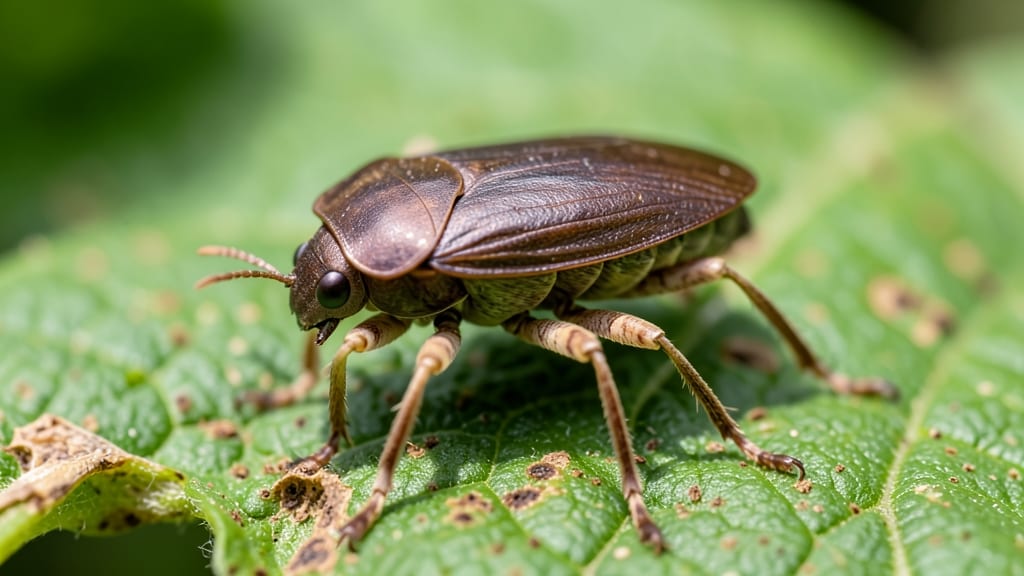
Crispy brown edges on leaves mean one thing: a hungry pest invasion. 🌿 The brown leaf bug—likely a stink bug or similar sap-sucker—is silently draining your plants, and copper spray is the game-changer you need to stop it.
These bugs thrive in warm weather, piercing leaves to suck out nutrients, leaving behind telltale brown, wilted patches. The damage spreads fast, so early action is key. A homemade copper spray (1 tsp copper sulfate per gallon of water) disrupts their feeding cycle without harming beneficial insects.
Within 3-5 days of treatment, you’ll see fresh green growth pushing back. The spray creates a protective barrier that deters pests and prevents further damage. Just reapply every 7-10 days or after rain. Works for vegetables, ornamentals, and even houseplants. The secret? Consistency—don’t wait until the bugs multiply.
Here’s how to make it work!
Understanding Leaf Discoloration Triggers
When your garden leaves start turning a dull brown, it’s often a cry for help from your plants. The brown leaf bug (or related pests like lace bugs, aphids, or environmental stressors) can leave foliage crispy and lifeless—but knowing the root causes helps you fight back.
Below, we break down the most common reasons behind brown, brittle leaves and how they tie into plant health.
Pests like lace bugs, spider mites, or brown leaf bugs (a type of lace bug) are stealthy sap-suckers. They pierce leaves to feed, injecting toxins that disrupt chlorophyll production. Over time, this causes:
- Stippling: Tiny white or brown speckles on leaf surfaces (a classic lace bug signature).
- Webbing: Fine silk strands under leaves (common with spider mites).
- Premature browning: Leaves dry out and curl as nutrients are siphoned away.
Why it happens: These bugs thrive in dry, dusty conditions. Their saliva clogs plant cells, starving them of water and nutrients. A single infestation can escalate quickly if left unchecked—especially on vulnerable plants like azaleas, camellias, or oaks.
Water stress is a top culprit for brown leaves, but the fix depends on the imbalance:
| Issue | Signs | Why It Happens |
|---|---|---|
| Underwatering | Crispy, papery edges; leaves pull away from stems. | Plants lose turgor pressure as cells dehydrate. Brown leaf bugs love stressed plants—dry conditions make them more aggressive. |
| Overwatering | Yellowing between veins; mushy stems; brown patches. | Root rot cuts off oxygen, and fungi (like Phytophthora) take hold. Weak roots can’t support foliage, leading to browning. |
| Poor Drainage | Brown spots on lower leaves; soil stays soggy. | Compacted or clay-heavy soil traps water, suffocating roots. Bugs and fungi move in faster when plants are waterlogged. |
Actionable fix: Check soil moisture 1–2 inches deep. If dry, water deeply; if soggy, improve drainage with organic matter (like compost) or raised beds.
Leaves act like solar panels—too much direct sun (especially after rain or transplant shock) can cause:
- Sunburn: Pale, brown patches on leaf surfaces (common on thin-leaved plants like boxwoods or roses).
- Heat scorch: Edges turn crispy and brown in hot, dry winds (a frequent issue for brown leaf bugs’ favorite hosts).
Why it happens: Plants acclimate slowly to light changes. Sudden exposure (e.g., moving a shade-loving fern to full sun) triggers oxidative damage. Bugs also target sun-stressed leaves because they’re easier to penetrate.
Pro tip: Gradually harden off plants by exposing them to 1–2 hours of morning sun daily. Mulch helps retain moisture to protect roots.
Brown leaves can signal cold damage (frost burn) or heat stress, especially in marginal climates:
- Cold damage: Brown, mushy spots or blackened edges after frost. Cells rupture when water freezes inside them.
- Heat stress: Scorched, papery leaves in prolonged 90°F+ temps. Proteins denature, halting photosynthesis.
Why it happens: Plants adapted to moderate climates (like many ornamentals) lack protective wax layers. Brown leaf bugs exploit weakened defenses, making infestations worse in temperature swings.
Solution: Use frost cloths in winter or shade cloth (30–50%) in summer. Group heat-loving plants (e.g., bougainvillea) together to create microclimates.
Once you identify the cause—whether it’s pests, water, sun, or temperature—you can target the fix. For brown leaf bug damage, copper sprays (like the ones we’ll cover next) disrupt their feeding cycle while boosting plant resilience. Stay tuned!
Fixing Crispy Leaf Edges Fast
Now that you know why your leaves are turning brown and crispy, it’s time to take action! The good news? Most of these issues have simple, effective fixes—whether you’re dealing with overblowing, weather damage, or pest problems.
Below are practical, step-by-step solutions tailored to the root cause, plus prevention tips to keep your foliage lush and healthy.
Cause: Too much force from your leaf blower (or strong winds) dries out leaf edges.
How to Fix It: 🔥 Adjust Your Blower Settings Lower the speed if your machine has variable settings. A gentle breeze (like a light "whisper" mode) is enough to move leaves without damaging them.
🍳 Use a Nozzle or Diffuser Attach a wide-angle nozzle (if available) to spread airflow evenly. This reduces concentrated pressure on delicate leaves.
👨🍳 Work in Sections Instead of blasting one area for minutes, move in short bursts (10–15 seconds per spot). Let leaves recover between passes.
🥘 Water Lightly After Blowing If leaves look stressed, give them a light misting with water to revive moisture. Avoid soaking—just a quick refresh.
⏰ Best Time to Blow Early morning or late afternoon (when temps are cooler) minimizes stress. Avoid midday heat, which dries leaves faster.
Cause: Sudden cold snaps or late-season frosts crisp leaves at the edges.
How to Fix It: 🔥 Prune the Damaged Parts Use clean, sharp pruners to trim brown, brittle edges. Cut just outside the crispy area to encourage new growth.
🌡️ Protect Remaining Leaves If frost is expected again, cover sensitive plants with frost cloth or old blankets. Secure edges to prevent windburn.
💡 Fertilize Gently A balanced, slow-release fertilizer (like 10-10-10) can help recovery. Avoid high-nitrogen feeds—they can stress plants further.
🎯 Mulch for Insulation Add a 2–3 inch layer of mulch around the base of plants to regulate soil temperature and protect roots.
Cause: Brown leaf bugs (like lace bugs, spider mites, or fungal infections) suck sap or clog pores.
How to Fix It: 🔥 Spray with Copper Fungicide or Insecticide Mix copper sulfate spray (1 tsp per gallon of water) or a neem oil solution (1 tbsp neem oil + 1 tsp mild soap per quart of water). Spray both sides of leaves thoroughly.
🍳 Introduce Beneficial Insects Release ladybugs or lacewing larvae (natural predators of brown leaf bugs) for organic control.
👨🍳 Remove Severely Infested Leaves Drop heavily damaged leaves into a sealed bag (not compost) to prevent spread. Check the undersides of leaves—this is where pests hide!
🥘 Improve Airflow Thin out dense foliage to reduce humidity, which pests love. A fan on low can also deter mites.
⏰ Reapply Treatments Weekly Pests and fungi often return. Stick to a 7-day schedule until new growth appears.
- Blower Maintenance: Clean your leaf blower’s vacuum and fan regularly to ensure even airflow.
- Leaf Moisture: Water plants deeply before blowing to strengthen their resilience.
- Monitor Weather: Check the 10-day forecast and cover plants if frost is predicted.
- Regular Inspections: Spot-check leaves weekly for early signs of pests or disease.
- Choose Resilient Plants: If you’re prone to brown edges, opt for drought-tolerant varieties like boxwood or holly.
Pro Tip: 🌟 For a quick visual fix, mix 1 cup milk + 1 gallon water in a spray bottle. The proteins in milk help reduce leaf burn and improve recovery—nature’s gentle remedy!
By tackling the problem at its source and keeping up with these simple steps, your leaves will bounce back greener and stronger in no time. 🚀
Frequently asked questions about brown leaf bugs
What exactly is a brown leaf bug?
The term usually refers to pests like lace bugs or brown marmorated stink bugs, which suck plant sap and leave brown, stippled damage. These insects thrive in warm weather and target plants like azaleas, camellias, and oaks by injecting toxins that disrupt chlorophyll production.
How can I tell if my plants have brown leaf bugs?
Look for tiny white or brown speckles on leaves (stippling), fine webbing under foliage, or brown edges that curl upward. Check leaf undersides—this is where adults and nymphs hide. A hand lens helps spot the 1/8-inch bugs themselves.
Will copper spray really work against these pests?
Yes! Copper sulfate spray (1 teaspoon per gallon of water) creates a protective barrier that disrupts feeding. Reapply every 7-10 days or after rain. For severe infestations, combine with neem oil (1 tablespoon + mild soap per quart) for better coverage.
Are there organic alternatives to chemical sprays?
Try these natural solutions:
- Release ladybugs or lacewing larvae (natural predators)
- Spray with soapy water (1 tsp mild soap per quart)
- Use kaolin clay (1 tablespoon per gallon) as a physical barrier
How long until I see improvement after treatment?
With consistent applications, you should notice new green growth within 3-5 days. Severely damaged leaves won't recover, but healthy foliage will push out. Monitor weekly and reapply treatments until pests disappear completely.