
Pruning
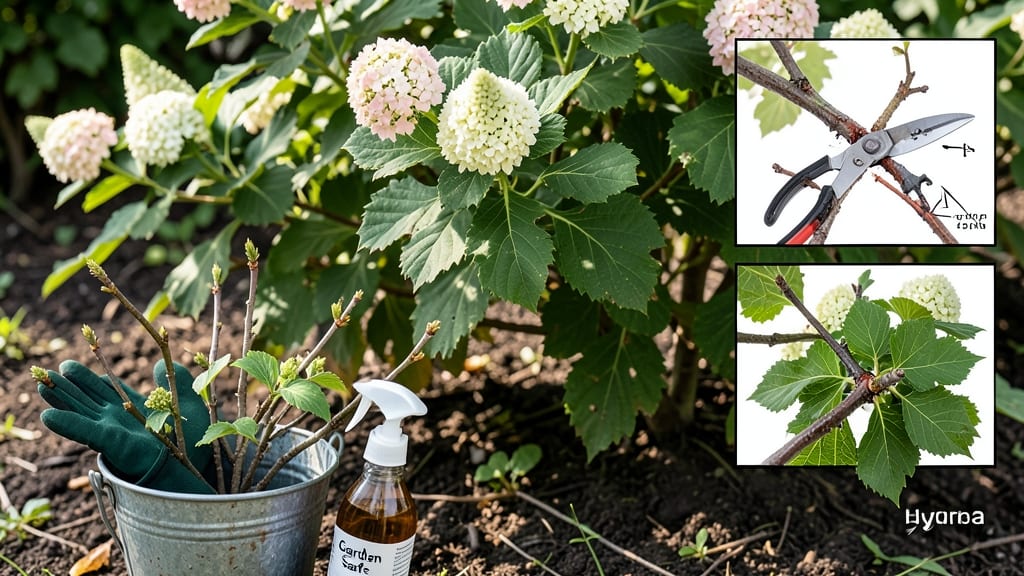
Trimming oak leaf hydrangeas transforms your yard from "meh" to "wow" with just three strategic cuts. ✂️ I’ve spent years watching these plants go from scraggly to showstopping—all it takes is timing, the right tools, and knowing where to stop.
The secret isn’t shearing like a hedge; it’s shaping the plant to encourage dense, lush foliage year-round. Late winter or early spring is prime time, when the plant’s dormant but about to burst with new growth.
Grab your pruners, gloves, and a sharp pair of loppers—you’ll only need these for thicker stems. Start by removing dead or crossing branches first, then step back to shape the plant like you’re sculpting a topiary. The goal?
Keep the outer framework intact while opening up the center for airflow. By summer, you’ll see fuller, bushier growth with fewer gaps where pests hide. The blooms? They’ll be more abundant because the plant isn’t wasting energy on weak, overcrowded stems.
And here’s the best part: oak leaf hydrangeas bloom on old and new wood, so you won’t accidentally prune off next year’s flowers like you would with some other varieties. This method works for container-grown plants too—just scale down the cuts.
Avoid the temptation to go wild in fall, though; pruning then can leave the plant vulnerable to winter damage. Stick to these steps, and your hydrangeas will thank you with vibrant, glossy leaves that last well into autumn.
📚 In This Guide
- What you need
- Instructions
- Tips and common mistakes
- Wrapping up and next steps
What you need
- ● Pruning shears – Bypass-style (sharp, clean blades, 6–8" long) for clean cuts. Disinfect with rubbing alcohol before and after use to prevent disease spread.
- ● Loppers – 8–10" long, for thicker branches (½" or larger). Look for ratchet-style for extra leverage.
- ● Hand pruners – For small stems (⅛–½" thick). Choose ergonomic handles to reduce hand fatigue.
- ● Garden gloves – Heavy-duty, cut-resistant (e.g., mechanized or leather) to protect hands from thorns and sharp edges.
- ● Ladder or step stool – Sturdy, non-slip (4–6 ft tall) if hydrangeas exceed 6 ft in height.
- ○ Disposable pruning bags or bucket – For collecting trimmings (5–10 gallon capacity). Optional: compost bin for eco-friendly disposal.
- ● Permanent marker – Fine-tip (for labeling cuts if training the plant).
- ● Rubbing alcohol (70% isopropyl) – Small bottle (4 oz) for sterilizing tools between cuts.
- ● Hydrangea fertilizer – Balanced (10-10-10) or acidic (e.g., Miracle-Gro Azalea) to replenish nutrients after pruning.
- ● Mulch (pine bark or shredded leaves) – 2–3 inches to retain moisture and protect roots post-pruning.
- ● Plant tie or soft twine – For securing young branches if shaping the hydrangea.
- ● Camera or phone – To document "before" and "after" shots for tracking growth progress!
How to trim oak leaf hydrangeas: year-round lushness with 3 simple cuts
Here's the straightforward method I use to keep my oak leaf hydrangeas thriving—no complicated pruning, just three clean cuts.
✂️ Step 1: Prune in Late Winter or Early Spring
Timing matters most here. Wait until just before new growth begins—usually late February to early March in most climates. You'll know it's time when you see fat, plump buds swelling on the stems. These hydrangeas bloom on old wood, so cutting too early removes next year's flowers.
Grab your pruners and make your first cut at the base of any dead, damaged, or crossing branches. Remove these completely down to the main stem. You'll see the difference immediately—more air circulation and sunlight reaching the center of the plant. I like to do this on a dry, sunny morning when the plant is dormant and won't bleed sap.
✂️ Step 2: Shape for Fullness and Airflow
Now focus on shaping. Look for branches that are growing inward or rubbing against others—these need to go. Cut them back to an outward-facing bud or branch. This ensures your plant grows fuller and healthier. For oak leaf hydrangeas, I aim to create an open, vase-like shape that lets light penetrate to the center.
Don't worry about being perfect—just follow the natural shape of the plant. You'll see the stems have little nodes where leaves grow. Cut just above these nodes at a slight angle to prevent water from pooling. If you're unsure, cut back to where the branch is about 1/3 of its total length—this keeps the plant balanced and encourages bushier growth.
✂️ Step 3: Lightly Trim for Renewal in Summer
Here's where most people miss the mark. After the spring flush of new growth, do a light trim in mid-to-late summer to encourage fresh foliage and flowers. Look for branches that are getting too leggy or have lost their vigor. Cut these back by about 1/4 of their length to stimulate new growth.
This is also the time to remove any spent flowers. Simply pinch or cut off the flower heads just above a set of leaves. You'll notice the plant perks up almost immediately, putting energy into new blooms for next season. I do this on a warm afternoon when the plant is actively growing—it responds best to this kind of encouragement.
🌿 Step 4: Clean Up in Fall for Next Year
When the leaves start turning brown and crispy in late fall, it's time for your final trim. Remove all the dead leaves by cutting them back to just above the first set of healthy buds. This keeps the plant looking tidy and prevents pests from overwintering in the debris.
I also take this opportunity to give the plant a final shape check. If any branches are still growing in the wrong direction or look sparse, do a light trim to encourage balanced growth. This is your last chance to shape the plant before winter dormancy sets in. After this, just let nature take its course until late winter when you start the cycle all over again.
Tips & tricks for perfect oak leaf hydrangea trimming
A few simple tricks will help you avoid common mistakes and keep your oak leaf hydrangeas looking their best year after year.
Timing is Everything: Don't rush the late winter/early spring prune—those plump buds are your signal. I've learned the hard way that cutting too early (before buds swell) means sacrificing next year's blooms. Mark your calendar for late February to early March in most climates, or wait until you see those fat buds. If you're in a warmer zone, watch for bud swell rather than following calendar dates exactly.
Clean Cuts Matter: Always cut at a 45-degree angle just above an outward-facing bud or node. This prevents water from pooling and creates a natural growth point. I use sharp pruners to make clean cuts—dull blades crush stems and invite disease. For thicker branches, make two cuts: one to remove half the wood, then another to complete the cut without tearing. This technique also helps prevent ragged edges that can snag on clothing.
Summer Trimming Secret: The mid-to-late summer trim is where most people go wrong by cutting too much. Remember: we're only removing about 1/4 of the branch length to stimulate fresh growth, not doing a major haircut. Look for branches that are leggy or have lost vigor—these are your targets. I like to do this on a warm afternoon when the plant is actively growing, as it responds best to this kind of encouragement.
Fall Cleanup Checklist: When doing your final fall trim, don't just remove dead leaves—take this opportunity to check for any branches growing in the wrong direction. Cut these back to encourage balanced growth. I also make it a habit to sterilize my pruners with rubbing alcohol between cuts in fall, as this helps prevent disease transmission during the plant's dormant period. This simple step has kept my hydrangeas healthier through winter.
Pro Tips for Trim Oak Leaf Hydrangeas
- A few simple tricks will help you avoid common mistakes and keep your oak leaf hydrangeas looking their best year after year.
- Timing is Everything: Don't rush the late winter/early spring prune—those plump buds are your signal.
- Clean Cuts Matter: Always cut at a 45-degree angle just above an outward-facing bud or node.
Frequently asked questions
Got questions about trimming your oak leaf hydrangeas?
You’re not alone! Here are the most common concerns—and straightforward answers—to help you keep your shrubs thriving with confidence.
When is the best time to trim oak leaf hydrangeas?
Prune your oak leaf hydrangeas in late winter or early spring (before buds swell) for best results. This timing encourages fresh, vigorous growth while avoiding the risk of frost damage. If you missed the window, you can lightly trim in summer after flowering, but avoid heavy cuts then.
What if I cut them back too hard?
Don’t panic! Oak leaf hydrangeas are resilient. If you prune too aggressively, they may take a year to bounce back, but they’ll still recover. Focus on structural cuts—never remove more than 1/3 of the plant at once. Next year, you’ll see fuller, healthier growth.
Can I trim oak leaf hydrangeas in fall or winter?
It’s not recommended to prune in fall or winter, as cold weather can stress the plant. However, if you must (e.g., removing dead wood), do it after the first hard frost and before new growth starts. Avoid heavy trims—just tidy up for now. Spring is your best bet!
Do I need to deadhead oak leaf hydrangeas?
Nope! Unlike other hydrangeas, oak leaf varieties don’t require deadheading—their unique foliage and seed heads add winter interest. Focus on structural pruning instead. If you love the look of seed pods, leave them be for texture and wildlife appeal.
What if my hydrangea isn’t blooming after pruning?
Oak leaf hydrangeas bloom on new wood, so pruning too late (after buds form) can delay flowers. If it’s not blooming, check for:
- Sunlight: Ensure it gets partial shade (6+ hours of sun).
- Water: Keep soil consistently moist but not soggy.
- Fertilizer: Use a balanced, acidic fertilizer in spring.
Wrapping up and next steps
Trimming your oak leaf hydrangeas doesn’t have to be intimidating—just remember the three simple cuts: late winter cleanup, spring shaping, and summer maintenance. With the right tools and timing, you’ll keep your shrubs thriving and blooming beautifully year after year. 🌿
Now that you’re armed with the know-how, grab those shears and give your hydrangeas the care they deserve. Next up? Watch your garden flourish with vibrant, healthy foliage and stunning blooms—you’ve got this! 🌟