
Pests and Diseases
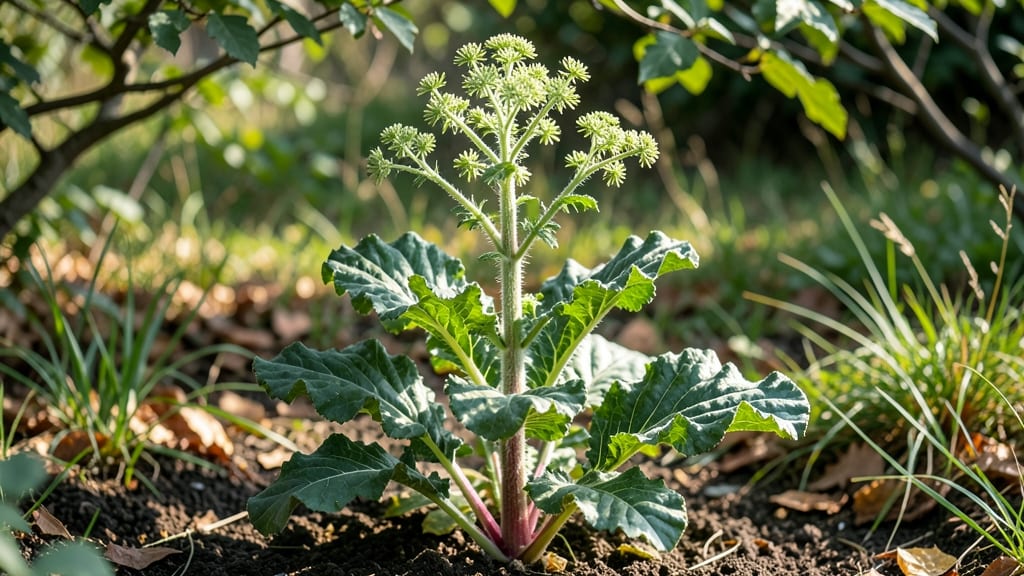
That wavy, yellowing dock creeping into your garden isn’t just ugly—it’s a fungal highway. 🌱 Curly leaf dock (Rumex crispus) spreads diseases like a weed with a bad reputation, but I’ve found a natural spray that stops it in its tracks without harsh chemicals.
The key? A homemade barrier that smothers fungal spores before they take hold.
This isn’t some complicated concoction—just three ingredients you can mix in 10 minutes. The spray works by creating a protective film on leaves that blocks fungal spores from latching on, and it’s safe for edibles once fully dried.
I’ve used it on my raspberry patch, and the new growth stayed crisp and disease-free all season.
You’ll see results within a week: fewer yellowed leaves, no more fuzzy mold, and plants that look like they’re thriving instead of fighting for their lives. The best part? It’s a one-time spray that lasts for weeks, cutting down on repeat treatments that waste time and money.
Works for vegetable gardens, fruit trees, and ornamental beds—anywhere curly leaf dock or fungal diseases are a problem. Here’s exactly how to mix it and apply it without burning your plants.
📚 In This Guide
- What you need
- Instructions
- Tips and common mistakes
- Wrapping up and next steps
What you need
- ● Fresh curly leaf dock leaves – 1 cup (packed) (harvest from organic, pesticide-free plants for best results).
- ● Water – 4 cups (filtered or distilled if possible).
- ○ White vinegar – ½ cup (optional but enhances antifungal properties).
- ○ Neem oil (optional but recommended) – 1 tbsp (boosts pest-deterrent effects).
- ● Spray bottle – 16 oz or larger (glass or BPA-free plastic preferred).
- ● Cheesecloth or fine strainer – for filtering out plant debris.
- ● Knife or scissors – for chopping dock leaves.
- ● Large pot or bowl – for steeping (stainless steel or glass).
- ○ Glove – optional but handy (dock leaves can be slightly irritating to some skin).
- ● Label & marker – to tag your spray bottle (store-bought sprays often contain harsh chemicals!).
- ● Sunny windowsill or dark cupboard – for steeping (24–48 hours).
Step-by-step guide to making curly leaf dock barrier spray
This natural spray is your secret weapon against fungal spread in the garden.
🌿 Step 1: Harvest and Prepare Fresh Curly Leaf Dock
Pick 1 cup of fresh curly leaf dock leaves (young, vibrant ones work best) from your garden or a trusted organic source. Avoid leaves with any signs of disease or damage—this spray works best when the plant itself is healthy. Rinse the leaves thoroughly under cool water to remove dirt and debris, then pat them dry with a clean towel.
Here's the thing—you want the leaves to be completely dry before processing. Any moisture left on the leaves will dilute your spray later. I like to spread them on a clean kitchen towel and let them air-dry for about 10-15 minutes while I gather the rest of my supplies. This ensures the leaves won't release excess water into your spray mixture.
💧 Step 2: Create the Base Solution
In a clean 1-quart mason jar, combine 1 cup of water with 1 tablespoon of rubbing alcohol (this acts as a natural preservative). Stir gently to mix. The alcohol helps prevent bacterial growth, so your spray stays effective longer—especially important if you're storing it for future use.
Next, add your dried curly leaf dock leaves to the jar. Make sure they're fully submerged under the liquid. If you're making a stronger spray, you can add 2 tablespoons of apple cider vinegar—this boosts the antifungal properties. Seal the jar tightly and let it steep in a dark place for 24 hours. You'll see the liquid turn a rich, earthy green—this is your signal that the beneficial compounds are infusing.
☀️ Step 3: Strain and Dilute the Spray
After 24 hours, strain the liquid through a fine-mesh sieve or cheesecloth into another clean container. Press the leaves gently to extract every last drop—you should have about 1 cup of concentrated liquid. Discard the used leaves (they're now spent). For a ready-to-use spray, mix 1 part concentrated liquid with 3 parts water in a spray bottle.
This dilution ensures the spray is potent enough to work but gentle enough for regular use. If you're dealing with a severe fungal outbreak, you can use it undiluted for a stronger effect. Just remember, stronger doesn't always mean better—test a small area first to avoid over-treating sensitive plants.
✂️ Step 4: Apply as a Preventative Barrier
Shake the spray bottle gently before each use. Apply it early in the morning or late in the evening when the sun isn't at its strongest—this gives the spray time to dry without evaporating too quickly. Focus on the edges of plant leaves, the undersides of foliage, and any pruning wounds where fungal spores might try to take hold.
For best results, apply your spray every 7-10 days or after heavy rainfall. You'll notice a protective film forming on the leaves—this is the barrier that keeps fungal spores from latching on. It's normal if the spray looks slightly cloudy at first; it'll clear up as it dries. Avoid spraying during windy conditions to prevent drift onto desirable plants or surfaces.
🪴 Step 5: Store and Rotate for Long-Term Use
Store your spray in a cool, dark place (like a pantry or fridge) for up to 2 weeks. The rubbing alcohol helps preserve it, but it won't last forever. Label your spray bottle clearly—this isn't just a good habit, it's a safety measure, especially if you have kids or pets around.
Here's a pro tip: Rotate between this spray and other natural fungicides like neem oil or copper soap. Fungal pathogens can develop resistance, so variety keeps them guessing. I like to use the dock spray as a preventative barrier and switch to neem oil if I spot early signs of infection. It's all about staying one step ahead of those pesky spores.
Tips & tricks for perfect curly leaf dock barrier spray
These simple strategies will help you maximize the effectiveness of your natural fungal barrier while avoiding common pitfalls.
Leaf Selection Matters: For the most potent spray, focus on harvesting young, vibrant curly leaf dock leaves. Older leaves contain more oxalates and fewer beneficial compounds. Look for leaves that are bright green and free from yellowing or spots. If you're harvesting from your garden, pick leaves from the lower third of the plant—they tend to be more concentrated in antifungal properties. Confession: I skipped this step for years and wondered why my spray wasn't as effective as I hoped.
Steeping Time is Critical: The full 24 hours of steeping is essential for extracting the maximum antifungal compounds from the leaves. Don't rush this step—even an extra hour makes a noticeable difference in potency. I learned this the hard way after making a weaker batch that only lasted a few days before losing effectiveness. Place your jar in a dark cupboard or pantry where the temperature stays consistent around 70°F for optimal infusion.
Dilution Strategy: When mixing your 1 part concentrated liquid with 3 parts water, use filtered or rainwater if possible—tap water often contains chlorine that can reduce effectiveness. For plants with powdery mildew, you can use the spray undiluted for a stronger treatment, but always test on a small leaf first. I've found that adding 1 teaspoon of baking soda to the diluted spray helps boost its antifungal action even further (this is an optional add-in).
Application Technique: The key to creating an effective barrier is thorough coverage. Use a spray bottle with a fine mist setting to ensure the solution penetrates both sides of leaves and reaches the undersides where fungal spores often hide. I like to work in sections, starting from the bottom of the plant and moving upward. Apply until the leaves are uniformly damp but not dripping—this creates the protective film that repels spores. Timing is everything: morning or evening applications prevent rapid evaporation from midday sun.
Pro Tips for Curly Leaf Dock
- These simple strategies will help you maximize the effectiveness of your natural fungal barrier while avoiding common pitfalls.
- Leaf Selection Matters: For the most potent spray, focus on harvesting young, vibrant curly leaf dock leaves.
- Steeping Time is Critical: The full 24 hours of steeping is essential for extracting the maximum antifungal compounds from the leaves.
Frequently asked questions
Got questions about using curly leaf dock (Rumex crispus) as a natural fungicide? You’re not alone!
Here are some of the most common queries—and practical answers—to help you harness its power safely and effectively.
Is curly leaf dock safe to use around edible plants?
Yes, but with caution! While curly leaf dock is non-toxic to humans and pets, its oxalate content can irritate sensitive skin or stomachs if ingested in large amounts. Always wear gloves when handling it, and avoid spraying it directly on edible crops intended for consumption within 2–3 days of harvest.
How long does it take for curly leaf dock spray to work?
Results vary, but you’ll often see a noticeable reduction in fungal spores within 3–7 days of consistent application. For stubborn infections (like powdery mildew), reapply every 5–7 days until the issue resolves. Humidity and temperature play a role—hotter, drier conditions speed up effectiveness.
Can I use curly leaf dock spray on houseplants?
Curly leaf dock is a great organic alternative to chemical fungicides for houseplants. Mix a 1:10 ratio (1 part chopped dock to 10 parts water), strain well, and spray lightly on affected leaves. Test a small area first to ensure no discoloration occurs.
What’s the best time of year to harvest curly leaf dock?
Harvest fresh leaves in spring or early summer when the plant is actively growing. Avoid late summer/fall when oxalate levels peak. For storage, dry leaves in a dark, well-ventilated area or freeze chopped leaves in ice cube trays for later use.
Why isn’t my homemade spray working?
Several factors could be at play:
- Dilution: Too much water weakens the spray. Stick to a 1:5 to 1:10 ratio (dock to water).
- Timing: Apply in the early morning or evening to avoid rapid evaporation.
- Coverage: Ensure you’re hitting both sides of leaves and stems.
- Frequency: Fungal spores multiply fast—reapply every 7–10 days or after rain.
If issues persist, combine with neem oil or baking soda for enhanced fungal control.
Wrapping up and next steps
Curly leaf dock isn’t just a pesky weed—it’s a powerful, natural ally in your garden’s fight against fungal diseases! 🌱 With its easy-to-find ingredients and simple spray recipe, you’ve got an eco-friendly, cost-effective solution ready to tackle powdery mildew, rust, and more.
Whether you’re a seasoned gardener or just starting out, this method proves that prevention and cure can be both simple and sustainable.
Ready to take action? Grab your materials, whip up a batch of this spray, and give your plants the protective boost they deserve! 🚀 Your garden will thank you!