
Pruning
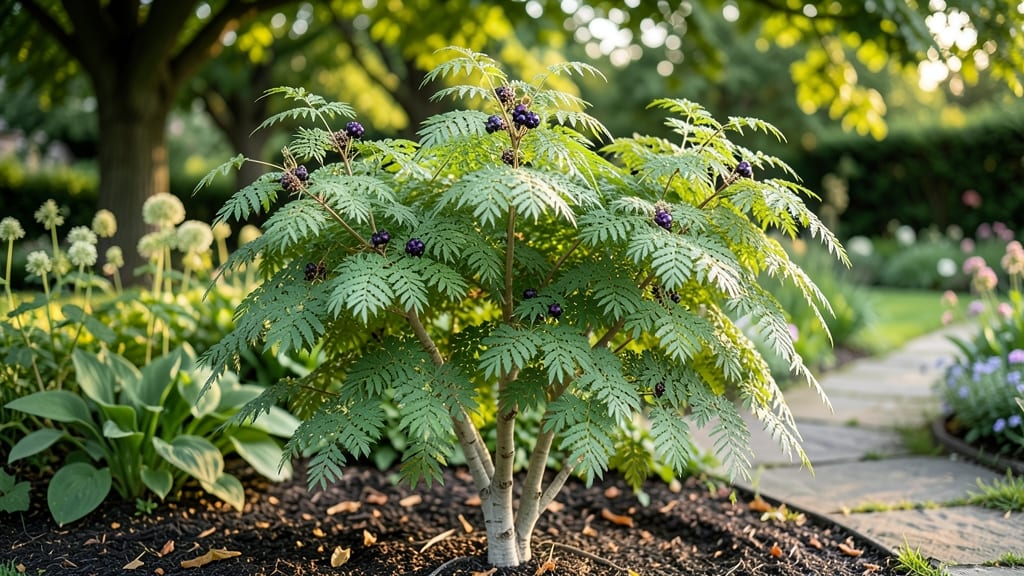
Pruning a fern leaf buckthorn tree transforms it from scraggly to stunning. ✂️ I’ve watched mine go from a tangled mess to a lush, wildlife-friendly hedge just by mastering a few simple cuts—no fancy tools or horticultural degree required. The secret lies in timing and technique, not brute force.
This tree thrives on light pruning in late winter or early spring, when it’s dormant but ready to rebound. You’ll want to shape it gradually, removing no more than one-third of its growth at a time.
The goal? Encourage dense, bushy branches that block wind, provide shelter for birds, and create that coveted privacy screen without sacrificing sunlight for your yard.
By summer, you’ll see the payoff: vibrant green foliage, sturdy stems, and a tree that feels like it’s been in your landscape for decades—not just a few years. The best part? Fern leaf buckthorn handles pruning like a champ, so you won’t be left with a sad, stressed plant.
Works for hedges, screens, or even as a standalone specimen—just adjust the cuts to match your vision. Let’s get those shears sharp and start shaping!
📚 In This Guide
- What you need
- Instructions
- Tips and common mistakes
- Wrapping up and next steps
What you need
- ● Pruning shears: Sharp, bypass-style shears (for clean cuts on small branches, ¼"–¾" thick). Quantity: 1 pair.
- ● Loppers: Heavy-duty, bypass or anvil loppers (for branches ¾"–2" thick). Quantity: 1 pair.
- ● Pruning saw: Curved-tooth saw for branches >2" thick. Quantity: 1.
- ● Gloves: Sturdy, cut-resistant gloves (to protect hands from thorns and sap). Quantity: 1 pair.
- ● Disinfectant: 70% isopropyl alcohol or rubbing alcohol (to sterilize tools between cuts and prevent disease). Quantity: Small bottle.
- ○ Pruning sealant: Optional but recommended for larger cuts (>½") to prevent disease entry. Quantity: Small tube.
- ● Ladder or step stool: Sturdy, non-slip (if tree exceeds 6 ft tall). Quantity: 1.
- ● Trash bags: Heavy-duty contractor bags (for debris disposal). Quantity: 2–3.
- ● Notebook & pencil: To sketch a pruning plan or jot down notes on branch removals.
- ● Hand saw: For stubborn, thick branches that loppers can’t handle.
- ● Extension pole pruners: If the tree is tall and you prefer not to climb.
- ● Safety glasses: To protect eyes from debris.
- ● Pruning rope: For supporting heavy branches during removal.
- ● Compost bin: If you plan to repurpose pruned branches as mulch.
Instructions for pruning fern leaf buckthorn for optimal growth
Here's how I transform leggy buckthorn into a full, healthy shrub with just a few strategic cuts.
✂️ Step 1: Time Your Pruning for Best Results
Prune your fern leaf buckthorn in early spring before new growth begins, or in late winter when the plant is still dormant. This timing ensures you're cutting back before the plant puts energy into new branches. I always wait until after the last frost date in my zone to avoid damaging tender new growth that might appear after pruning.
If you missed the spring window, you can still prune in early summer, but avoid heavy pruning after mid-July—this gives the plant enough time to harden off new growth before winter. Look for plants with bare stems at the bottom or branches growing inward—these are your first targets.
🌿 Step 2: Remove Dead or Weak Growth First
Start by cutting out any dead, diseased, or crossing branches using clean, sharp pruners. Dead wood is easy to spot—it's brown, brittle, and doesn't bend. Diseased branches often have black spots or oozing sap. I always sterilize my pruners with rubbing alcohol between cuts to prevent spreading any potential infections.
Next, remove any branches growing straight inward toward the center of the plant. These compete for sunlight and air circulation, creating a dense, shaded interior that encourages fungal problems. Cut these back to the main stem or to a healthy outward-facing branch. You'll notice the plant's natural shape become more open and inviting within minutes.
✂️ Step 3: Shape for Bushier Growth
To encourage bushier growth, focus on cutting back the longest, leggiest branches by about one-third. Make your cuts just above a leaf node or bud that faces outward. This outward-facing cut helps the new growth fill out the plant's shape rather than creating more inward growth.
For branches that are too long but not completely leggy, you can make a second cut further down the branch to create a more compact shape. Always cut at a 45-degree angle just above a bud to prevent water from pooling on the cut. After shaping, step back and visualize the plant—you should see an open center with branches spreading outward.
☀️ Step 4: Thin Out for Better Airflow
Fern leaf buckthorn thrives when it gets good airflow around its branches. Look for areas where branches are too close together and thin out some of the smaller or weaker ones. Aim to leave 3-5 inches of space between branches to improve circulation. This prevents fungal diseases and allows sunlight to reach the inner leaves.
Pay special attention to the bottom third of the plant. If it's bare, you can prune back some of the upper branches to encourage new growth lower down. This creates a more balanced, fuller shrub. After thinning, the plant should look like it's breathing—open and airy rather than dense and crowded.
🪴 Step 5: Clean Up and Monitor Growth
After pruning, remove all the clippings from the area to prevent pests or diseases from overwintering in the debris. I like to mulch around the base of the plant with 2-3 inches of organic mulch to retain moisture and suppress weeds. Water the plant deeply after pruning to help it recover and encourage new growth.
Watch the plant closely over the next few weeks. You should see new growth emerging from the cut areas within 4-6 weeks. If you notice any yellowing leaves or wilting, it might be a sign of stress—give the plant a little extra water and monitor for pests. With proper pruning, your fern leaf buckthorn will reward you with lush, bushy growth for years to come.
Tips & tricks for pruning fern leaf buckthorn for bushier growth
Transforming a leggy buckthorn into a full, healthy shrub takes more than just cutting branches—it's about understanding what your plant needs to thrive. Here's what I've learned after years of trial and error in my own garden.
Timing is Everything: I can't stress enough how critical the early spring timing is. Pruning too early (before the last frost) risks damaging tender new growth, while waiting too late (after mid-July) gives the plant insufficient time to harden off before winter. Check your local frost dates and mark your calendar—this small step makes all the difference in your plant's recovery. For those who miss spring, early summer works but requires more gentle pruning to avoid stressing the plant.
The Right Tools Make All the Difference: Using clean, sharp pruners isn't just about making neat cuts—it's about plant health. I sterilize my tools between each cut with rubbing alcohol to prevent spreading diseases. For thicker branches, I use loppers with a bypass blade that makes cleaner cuts without crushing the wood. And always cut at a 45-degree angle just above a bud—this prevents water from pooling on the cut and encourages new growth in the right direction.
Visualize the Plant's Future Shape: Before making any cuts, step back and visualize your plant's ideal shape. Look for branches that are growing inward—they're your first targets. Cutting these back to the main stem or to an outward-facing bud creates that open, airy structure that buckthorn thrives in. I like to imagine the plant as an umbrella—you want the branches spreading outward to catch sunlight, not crowding inward like a closed parasol.
Don't Forget the Bottom: Many gardeners focus on the top of the plant, but the bottom third is where you'll see the most dramatic transformation. If your buckthorn has bare stems at the bottom, prune back some of the upper branches to encourage new growth lower down. This creates that full, bushy look right from the ground up. Think of it as redistributing the plant's energy—what was going to the top now gets redirected to fill out the lower branches.
Pro Tips for Fern Leaf Buckthorn Tree
- Transforming a leggy buckthorn into a full, healthy shrub takes more than just cutting branches—it's about understand...
- Timing is Everything: I can't stress enough how critical the early spring timing is. Pruning too early (before the la...
- The Right Tools Make All the Difference: Using clean, sharp pruners isn't just about making neat cuts—it's about plan...
Frequently asked questions
Got questions about pruning your fern leaf buckthorn tree? You’re not alone! Here are some of the most common concerns—plus straightforward answers to keep your shrub thriving.
When is the best time to prune my fern leaf buckthorn?
Prune your fern leaf buckthorn late winter or early spring (before new growth starts) for the best results. You can also do a light shaping trim in summer if needed, but avoid heavy pruning then—it stresses the plant. Pro tip: Never prune in fall, as it encourages tender new growth that won’t survive winter frost.
How much can I trim back my fern leaf buckthorn?
You can safely prune up to one-third of the plant’s height in a single session, but avoid cutting into old, woody stems—this harms the shrub. For bushier growth, focus on removing 1-2 year-old stems to encourage new branches. Warning: Over-pruning weakens the plant and may reduce flowering.
What if my fern leaf buckthorn isn’t growing after pruning?
If your shrub looks leggy or sparse after pruning, it might need fertilizer or better sunlight. Fern leaf buckthorn thrives in full sun to partial shade—if it’s in deep shade, try relocating it. Also, check for pests or disease (like powdery mildew) and treat accordingly. Quick fix: A balanced, slow-release fertilizer in spring can boost growth.
Can I shape my fern leaf buckthorn into a hedge?
This shrub is great for hedges due to its dense, glossy foliage. Prune regularly (every 4-6 weeks) in spring/summer to maintain shape. Use hand pruners for detail work and hedge shears for larger sections. Bonus tip: Prune new growth more aggressively to encourage a tighter, fuller hedge.
Are there alternatives to fern leaf buckthorn for pruning?
If you love the look but want low-maintenance options, consider:
- Boxwood – Dense, evergreen, and easy to shape (but slower-growing).
- Oakleaf Hydrangea – Lush foliage with seasonal color changes.
- Dwarf Fothergilla – Fragrant flowers and great for hedges.
- Abelia – Semi-evergreen with long blooming seasons.
Wrapping up and next steps
Pruning your fern leaf buckthorn tree is a rewarding way to encourage lush, healthy growth while keeping its shape in check.
By following the right techniques—like timing, tool selection, and proper cuts—you’ll foster a thriving plant that’s both beautiful and resilient. Now’s the perfect time to grab those shears and get started!
🌱 Next step: Pick a clear day, gather your tools, and give your buckthorn the TLC it deserves. Watch it flourish with every careful snip! 🌿