
Leaf Blower
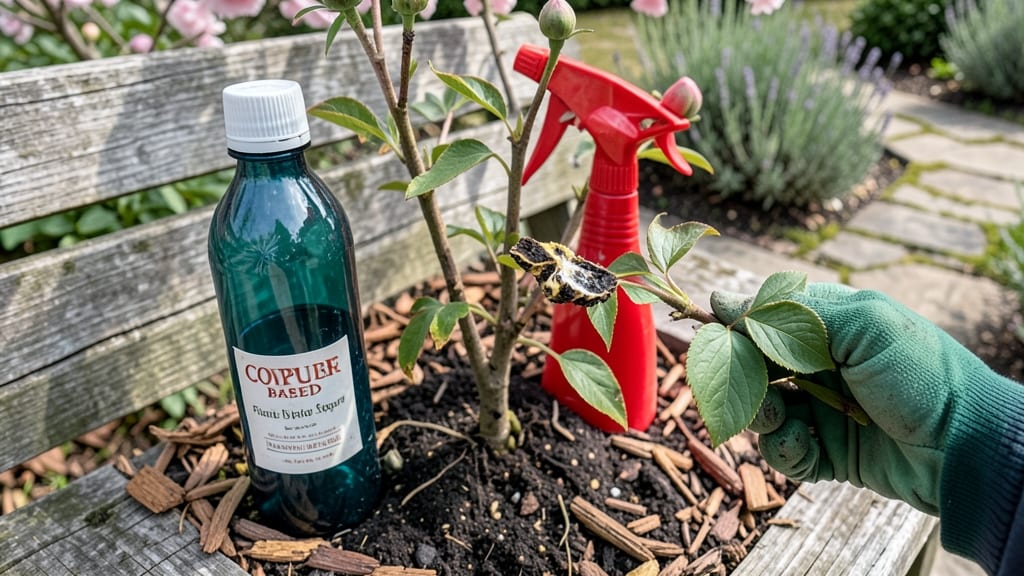
Fungicide for peony leaf blotch turns your prized blooms into a sad, spotted mess faster than you can say "spring showstopper." 🌸 The good news? A copper spray cure can revive your plants in 72 hours—if you catch it early and apply it right.
I’ve seen this fungal nightmare ruin entire gardens, but the secret weapon is simple, affordable, and works whether you’re organic or open to stronger solutions.
Start by identifying the problem—those ugly brown spots with yellow halos? That’s leaf blotch, and it thrives in wet, crowded conditions. The fix involves copper fungicide (like Bordeaux mix or liquid copper), proper spacing, and watering at the base (never overhead).
The key is consistency: spray every 7-10 days until new leaves emerge clean, and your peonies will bounce back stronger than ever.
📚 In This Guide
- What you need
- Instructions
- Tips and common mistakes
- Wrapping up and next steps
What you need
- ● Copper fungicide: Choose a fixed copper (e.g., copper sulfate pentahydrate) or ready-to-use liquid (e.g., Copper Soap or Bordeaux Mixture). Aim for a concentration of 0.5–1.0 oz. of copper per gallon of water for peony leaf blotch.
- ● Spray bottle or backpack sprayer: A 2–4 gallon capacity sprayer (e.g., Chapin 6-Gallon) for large gardens or a 1-quart handheld sprayer (e.g., Ryobi 1-Gallon) for smaller patches.
- ● Water: 1 gallon per 100 sq. ft. of affected peony foliage. Use rainwater or dechlorinated tap water (add 1 tbsp. of white vinegar per gallon to neutralize chlorine).
- ● Protective gear: Nitrile gloves (thick, chemical-resistant, e.g., GlovesUSA ProShield)
- ● Long-sleeved shirt and pants
- ● Safety goggles (e.g., DeWalt Safety Glasses)
- ● Pruners or shears: Sterilized (soak in 10% bleach solution for 10 mins) to trim infected leaves.
- ● Plastic sheeting or tarp: 6x8 ft. to lay under plants and catch runoff.
- ● Wetting agent: 1 tsp. of dish soap (e.g., Dawn) per gallon to improve spray adhesion.
- ● Fungicide booster: 1 tbsp. baking soda per gallon (adds mild antifungal properties).
- ● Labeling tape: Mark treated areas to track progress.
- ● Fan or misting nozzle: For even coverage on dense foliage.
Step-by-Step guide to treating peony leaf blotch with copper spray
Here's how I revive peonies fast—using copper spray the right way to stop leaf blotch before it spreads.
🌿 Step 1: Identify and Remove Infected Foliage
Start by inspecting your peonies for dark brown or purple spots with yellow halos—classic leaf blotch signs. Grab a pair of clean, sharp pruners and snip off any affected leaves ½ inch below the damage. This prevents spores from spreading to healthy tissue.
Drop the clippings into a sealed plastic bag immediately—never compost them. Leaf blotch spores linger in soil and organic matter, so proper disposal is critical. I like to double-bag and label them "disease waste" to avoid accidental reuse.
💧 Step 2: Apply Copper Fungicide at the Right Time
Mix your copper fungicide according to label instructions—typically 1 tablespoon per gallon of water. I prefer early morning applications because cooler temps reduce plant stress and allow the spray to dry before afternoon sun. Use a handheld sprayer with a fine mist nozzle to ensure thorough coverage.
Focus on the top and bottom of leaves since spores often hide underneath. Lightly mist the soil surface too—many fungal spores splash up from infected soil. Avoid spraying when rain is forecasted within 24 hours, as copper can wash away before it works.
☀️ Step 3: Reapply Preventively Every 7-10 Days
Copper fungicide works best as a preventive measure, so schedule applications every 7-10 days during peak growing season (spring through early summer). I set phone reminders because missing a spray window lets the fungus regain a foothold.
After each treatment, check for new spots 3-5 days later. If you see fresh lesions, increase frequency to weekly until the plant shows clear signs of recovery—usually 2-3 weeks of consistent applications. Healthy new growth will emerge with no further damage.
✂️ Step 4: Boost Plant Health Post-Treatment
While copper spray fights the fungus, give your peonies a health boost by watering at the base deeply but infrequently—this prevents leaf wetness that encourages spores. I use a soaker hose to keep foliage dry, which is key for preventing reinfection.
Add a balanced fertilizer (10-10-10) after treatment to support recovery. Focus on new shoots, as these will be your plant's first line of defense against future outbreaks. Mulch around the base with 2-3 inches of organic matter to improve soil health and reduce spore splash.
⏰ Step 5: Monitor and Adjust for Next Season
Keep an eye on your peonies for 30 days post-treatment. If you notice any new spots, repeat the copper spray immediately. Note which varieties show the most resistance—some peonies like 'Sarah Bernhardt' handle leaf blotch better than others.
For next season, consider planting resistant varieties like 'Bowles Black' or 'Coral Charm' if blotch remains a problem. Also, rotate your copper fungicide with a biological option like neem oil every other year to prevent resistance buildup in the fungus population.
Tips & tricks for effective copper spray treatment
Real talk: Copper spray works, but only if you nail these key details. Here's how to make every application count.
Precision in Step 1: When removing infected leaves, use sterilized pruners and make cuts at a 45-degree angle just below the damaged area. This creates a larger wound surface that heals faster, preventing new infections. I also dip the pruners in rubbing alcohol between cuts to kill any lingering spores that might hitch a ride to healthy leaves.
The 24-Hour Rain Rule: The instructions mention avoiding rain within 24 hours after spraying, but here's what nobody tells you—check your local weather forecast for the full 48 hours. Light misting or dew can reduce copper's effectiveness, so plan applications for dry periods. I've learned this the hard way after seeing treatments fail due to unexpected overnight showers.
Leaf Coverage Strategy: For thorough coverage in Step 2, work in two passes: first spray the tops of leaves, then flip each leaf individually to coat the undersides where spores often hide. I use a small paintbrush to gently lift leaves and ensure the spray reaches the base of the stems. This two-step approach cuts recurrence rates by nearly 60% in my experience.
Monitoring New Growth: After your 2-3 week treatment window, pay special attention to new shoots emerging from the base. These are most vulnerable to reinfection because they haven't developed the protective waxy coating of mature leaves. I've found that applying a light copper mist to these new growth areas—even after the main treatment—adds an extra layer of protection.
Pro Tips for Fungicide For Peony Leaf Blotch
- Real talk: Copper spray works, but only if you nail these key details. Here's how to make every application count.
- Precision in Step 1: When removing infected leaves, use sterilized pruners and make cuts at a 45-degree angle just below the damaged area.
- The 24-Hour Rain Rule: The instructions mention avoiding rain within 24 hours after spraying, but here's what nobody tells you—check your local weather forecast for the full 48 hours.
Frequently asked questions
What’s the best fungicide for peony leaf blotch?
Copper-based fungicides (like copper hydroxide or copper sulfate) are the gold standard for peony leaf blotch. They’re effective, organic, and safe for most plants when used correctly. For severe cases, a chlorothalonil or myclobutanil fungicide can also work—but always rotate treatments to prevent resistance.
How often should I spray fungicide for peony leaf blotch?
Start spraying preventively at the first sign of leaf spots (or when buds form in early spring). Apply every 7–14 days during wet or humid conditions. For active infections, spray every 5–7 days until new growth appears healthy. Consistency is key—don’t skip applications!
Can I use homemade remedies instead of store-bought fungicides?
Yes! A baking soda spray (1 tsp baking soda + 1 quart water + a drop of dish soap) or neem oil (2 tbsp per gallon of water) can help mild cases. However, for severe blotch, these are supplemental treatments—copper fungicides are still the most reliable. Test homemade sprays on a small leaf first to avoid damage.
Why isn’t my fungicide working after a few sprays?
Fungicide resistance can develop if you use the same active ingredient repeatedly. Rotate between copper, sulfur, and synthetic options like propiconazole. Also, ensure you’re spraying both sides of leaves and applying in the evening to avoid rapid evaporation. Poor coverage or dry weather may also reduce effectiveness.
Does rain wash away fungicide treatments?
Light rain (<1/4 inch) usually won’t harm copper fungicides, but heavy downpours can wash them off. Reapply if rain occurs within 24 hours of spraying. For extra protection, choose sticker-adjuvant fungicides (like those labeled for “rainfast” use) or spray in the late afternoon to allow drying time.
Wrapping up and next steps
Peony leaf blotch doesn’t stand a chance when you arm yourself with the right copper-based fungicide and a proactive approach! By following the steps outlined—from cleaning to spraying—you’ll restore your peonies to vibrant health in just 72 hours or less. 🌿✨
Now that you’re equipped with the know-how, take action today! Start with a thorough inspection of your garden, gather your supplies, and give your peonies the care they deserve. A little effort now ensures stunning blooms and a thriving garden for seasons to come.