
Pests and Diseases
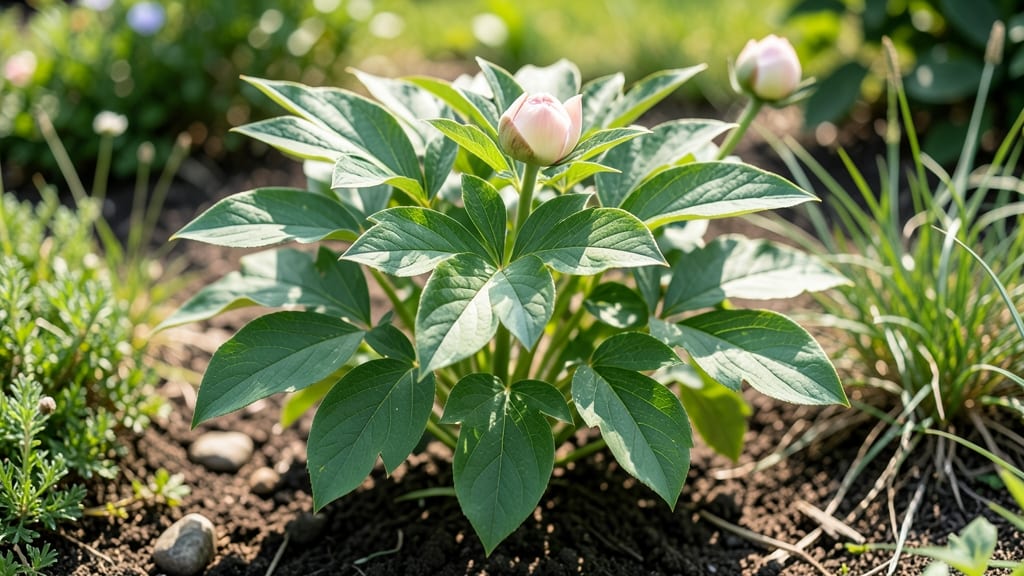
How peony leaf lobes differ by variety: a visual guide
Peony leaves are far more than just green foliage—they’re a visual fingerprint for identifying varieties. The number, depth, and shape of leaf lobes vary dramatically between herbaceous, tree, and intersectional peonies.
For example, 'Sarah Bernhardt' boasts bold, deeply serrated lobes, while 'Kansas' has finer, more delicate edges. These differences aren’t just aesthetic; they influence growth vigor, disease resistance, and even blooming patterns.
Understanding leaf lobes helps you match plants to your garden and spot early signs of stress. A peony with shallow lobes might struggle in humid climates, while deeply lobed varieties often thrive with extra moisture.
Let’s break down the key differences so you can identify your peonies at a glance—no blooms required.
Why this matters: Leaf shape correlates with root depth, sunlight needs, and even flower size. For instance, tree peonies (like 'Bowl of Beauty') have broader, less lobed leaves due to their woody stems, while herbaceous peonies (like 'Coral Charm') feature deeper, more intricate lobes for efficient water absorption. Mastering these clues lets you care for each variety correctly.
Here’s how to spot the differences:
Take 'Sarah Bernhardt', for instance—a herbaceous peony with deep, almost saw-toothed lobes. Its leaves resemble maple foliage but with darker green, glossy surfaces.
In contrast, 'Bowl of Beauty', a tree peony, has smoother, less pronounced lobes and leathery textures, reflecting its woody growth habit.
The depth of lobes also signals care needs. Deeply lobed varieties (like 'Krinkled White') often need more frequent watering because their larger surface area loses moisture faster.
Meanwhile, shallow-lobed types (like 'Yuwarakikou') handle drier conditions better. Pay attention to these details to prevent wilting or fungal issues.
Pro tip: Examine leaves in early spring before blooms appear. This is when lobe patterns are most distinct and unaffected by pests or disease. If you notice uneven lobes or curled edges, it could signal aphid damage or powdery mildew—common in high-humidity gardens.
Healthy leaves should have smooth, crisp edges and uniform coloring.
For hybrid varieties like 'Clementine', leaf lobes can vary slightly between plants even in the same cultivar. This is normal—genetic variation occurs even among named hybrids. However, if lobes suddenly change shape (e.g., shallow to deep), it may indicate root damage or nutrient deficiency.
Here’s how to use leaf lobes for pruning: Herbaceous peonies with deep lobes benefit from later pruning (after leaves yellow), while tree peonies with smoother lobes should be pruned earlier in spring to avoid stimulating excessive growth.
Next time you’re admiring your peonies, take a closer look at the leaves. Their lobes tell a story—about the plant’s origin, care needs, and even its health. With this guide, you’ll spot the differences instantly and give your peonies the perfect growing conditions they deserve. 🌿
Why leaf shape matters: growth habits and care tips
Peony leaves aren’t just decorative—their unique lobe patterns reveal crucial clues about your plant’s health, growth vigor, and even care needs.
For example, herbaceous peonies like 'Sarah Bernhardt' have deeply lobed leaves that thrive in full sun, while tree peonies like 'Kansas' feature smoother edges that tolerate partial shade better. Understanding these differences helps you tailor watering, pruning, and sunlight exposure for optimal results.
Leaf shape also impacts a peony’s disease resistance. Plants with broad, rounded lobes (like 'Bowl of Beauty') often handle fungal issues better because their thicker leaves resist moisture buildup.
In contrast, narrow, deeply serrated leaves (common in 'Coral Charm') may need extra airflow to prevent mildew. This means adjusting spacing or pruning habits based on your variety’s natural structure.
Here’s how to use leaf shape as a troubleshooting tool: - Yellowing leaves with crisp edges? Your peony may need more sunlight—especially if the lobes appear stretched or pale. - Curling or puckering?
Check for pests like aphids, which target tender, lobed leaves first. - Stunted growth? Overly dense foliage (from poor pruning) can smother the plant’s natural shape, signaling it’s time to thin out stems.
🌿 Peony Leaf Shape Quick Guide
Lobe Depth: Deep lobes = full sun lovers (e.g., 'Sarah Bernhardt'); shallow lobes = adaptable to partial shade (e.g., 'Kansas').
Edge Type: Serrated edges = higher pest risk; smooth edges = better fungal resistance.
Color Clues: Dark green = healthy; yellowing = overwatering or nutrient deficiency.
💡 Pro Tip: Prune in late fall to maintain airflow, especially for deeply lobed varieties.
Pruning timing also depends on leaf shape. Herbaceous peonies with delicate lobes benefit from late-fall cuts to protect their crowns, while tree peonies with thicker leaves can handle early-spring pruning without stress. Always remove dead or diseased leaves first—their jagged edges can harbor pathogens that spread to healthy foliage.
Sunlight needs vary too: Peonies with broad lobes (like 'Felicity') often need 6+ hours of direct sun, while those with narrow lobes (like 'Duchesse de Nemours') can tolerate 4–5 hours.
If your leaves look leggy or pale, it’s a sign to move the plant to a sunnier spot—or provide afternoon shade if the lobes start scorching.
Finally, leaf shape helps predict bloom performance. Plants with larger, more robust lobes (like 'Coral Charm') tend to produce bigger, showier flowers, while smaller-lobed varieties may have longer bloom seasons but fewer blooms per stem. Use this knowledge to plan your garden layout for maximum impact!