
Pruning
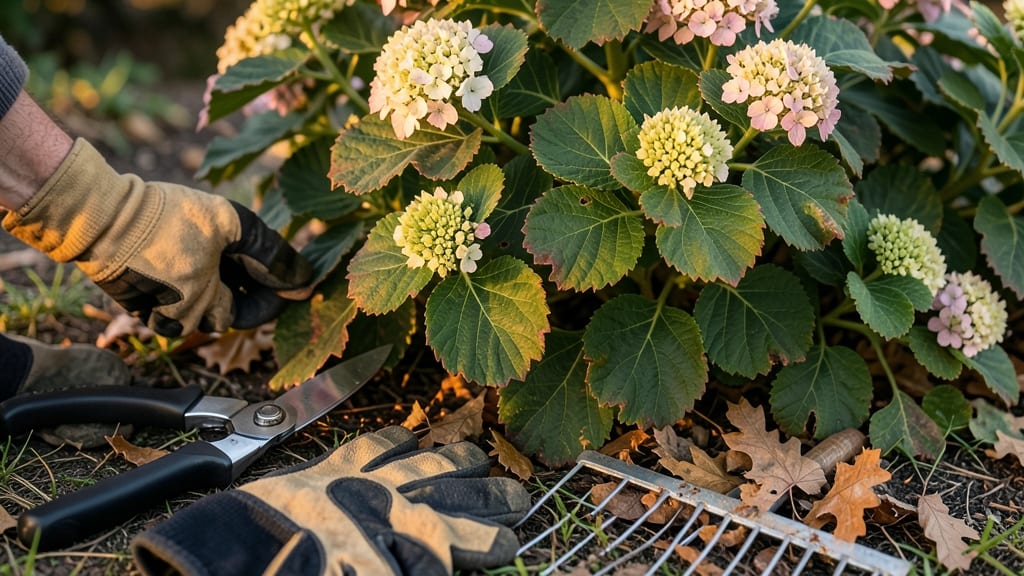
Pruning oak leaf hydrangeas transforms them from scraggly to showstopping within a single season. 🌿 I’ve watched mine go from tangled messes to vibrant, lush shrubs with just a few strategic cuts—no green thumb required. The key is timing, technique, and knowing exactly where to snip for maximum impact.
Timing matters most: prune in late winter or early spring before new growth starts, but never after buds swell. You’ll need sharp bypass pruners, loppers for thicker stems, and gloves to protect from those serrated leaves. The goal? Shape the plant while encouraging dense foliage and those iconic oak-shaped leaves.
After pruning, your hydrangea will reward you with longer branches, bigger leaves, and more blooms by summer. The secret is cutting just above outward-facing buds—this opens the plant up to sunlight and air, reducing disease risk. I’ve seen dramatic turnarounds in just one season with this method.
Works for both young plants and mature shrubs needing rejuvenation. The same principles apply whether you’re shaping a new plant or reviving an overgrown one. Let’s get those shears ready—your hydrangea’s transformation starts now.
📚 In This Guide
- What you need
- Instructions
- Tips and common mistakes
- Wrapping up and next steps
What you need
- ● Pruning shears: Bypass pruners (sharp, 5–7" blades) for clean cuts—1 pair (sterilize with rubbing alcohol between cuts!).
- ● Loppers: Bypass or anvil type (8–10" blades) for thicker stems—1 pair (for branches up to 1.5" thick).
- ● Hand pruners: Anvil or bypass (3–4" blades) for small stems—1 pair (for precision trimming).
- ○ Garden gloves: Cut-resistant (nitrile-coated) to protect hands—1 pair (optional but highly recommended!).
- ● Disinfectant: Rubbing alcohol (70%+) or bleach solution (1:9 ratio)—small bottle (to prevent disease spread).
- ● Twine or zip ties: For temporary support if needed—5–10 pieces.
- ● Sharpie or marker: Waterproof—1 (to mark cuts if needed).
- ● Extension pole saw: For high branches—1 (saves your back!).
- ● Hose with spray nozzle: To rinse tools and clean cuts—1 (prevents sap buildup).
- ● Mulch: Shredded bark or pine straw—1–2 bags (to protect roots post-pruning).
- ● Plant food: Balanced fertilizer (10-10-10)—1 bag (apply after major pruning).
- ● Camera or phone: To snap before/after pics—1 (for bragging rights!).
Instructions: pruning oak leaf hydrangeas for year-round beauty
Here's how I keep my oak leaf hydrangeas thriving—with the right cuts at the right time.
✂️ Step 1: Time Your First Cut in Late Winter or Early Spring
Prune your oak leaf hydrangea just as new growth begins, typically in late February or early March in most climates. This is critical because oak leaf hydrangeas bloom on old wood, meaning last year's growth produces this year's flowers. Cutting too early removes flower buds before they open.
Look for swollen buds along the stems—these are your signal to start. I always prune before the leaves emerge, which usually happens within 2-3 weeks of the first warm spell. Use sharp, clean pruners to make cuts at a 45-degree angle about ¼ inch above a leaf node or outward-facing bud.
✂️ Step 2: Remove Dead, Weak, or Crossing Branches
Start by eliminating any dead or diseased wood—these branches turn brown and brittle, and removing them improves airflow. Next, cut back any weak, spindly growth that doesn’t contribute to the plant’s structure. These are often the thin stems growing from the center of the plant.
Watch for branches that cross or rub against each other—they’ll eventually create wounds where pests or disease can enter. I like to step back and visualize the plant’s natural shape. Remove any branches growing straight upward (called "watersprouts") unless they’re part of your desired form. Always cut back to a strong outward-facing bud to encourage fuller growth.
✂️ Step 3: Shape the Plant for Balance and Airflow
Oak leaf hydrangeas respond well to light shaping, so I focus on creating an open, vase-like form. Start by thinning out the center of the plant to allow light and air to reach the inner branches. This prevents fungal issues and encourages stronger growth deeper in the shrub.
Cut back the longest branches by about ⅓ to maintain a natural, balanced shape. Avoid over-pruning—you want to preserve the plant’s structure while still promoting new growth. If a branch is too long, make your cut just above a leaf node where a side branch or bud is visible. This ensures the plant continues to fill out beautifully.
🌿 Step 4: Light Summer Pruning for Maintenance
After the initial spring pruning, oak leaf hydrangeas need minimal maintenance. In mid-summer, I do a quick check for any spent flowers or leggy growth. Remove these by cutting just above a leaf node to encourage bushier growth.
This is also the time to shape the plant further if needed. Pinch back the tips of new growth to promote a fuller, denser habit. Avoid heavy pruning in summer, as it can stimulate tender new growth that may not harden off before winter. A light touch keeps the plant looking tidy without stressing it.
⏰ Step 5: Final Light Pruning in Early Fall
In early fall, I do a final light pruning to remove any deadheading flowers or weak growth that appeared over the summer. This keeps the plant looking neat and prepares it for winter. Avoid heavy cuts now—you want to let the plant enter dormancy with its energy reserves intact.
I also check for any branches that may have grown out of balance over the summer and make minor adjustments. This final pruning ensures the plant starts the next growing season strong. Water deeply after pruning to help the plant recover and establish roots for the winter ahead.
Tips & tricks for pruning oak leaf hydrangeas
These precision-focused tips will help you avoid common mistakes and keep your oak leaf hydrangeas thriving for years to come.
Timing is Everything: In Step 1, don't rush to prune as soon as the weather warms up. Wait until you see those first swollen buds—this is your plant's natural signal that it's ready. I've learned the hard way that cutting too early removes the flower buds before they can open, leaving you with no blooms. Mark your calendar for late February or early March, and double-check by looking for those telltale buds along the stems. The 2-3 week window before leaves emerge is your sweet spot for perfect timing.
Tool Technique: When making those critical 45-degree angle cuts in Step 1, use pruners that are sharp enough to make clean cuts without crushing the stems. Dull tools cause jagged cuts that heal poorly and invite disease. I like to clean my pruners with rubbing alcohol between cuts to prevent spreading any potential pathogens. For thicker branches, use bypass pruners—they leave a smoother cut than anvil pruners, which can crush the stem tissue.
Visual Cues for Pruning: In Step 3, when shaping your plant, step back frequently to visualize the overall form. Oak leaf hydrangeas naturally grow in a vase shape, so aim to maintain that open center. Look for branches that create a "Y" shape—these are ideal for maintaining that natural form. When cutting back the longest branches by about ⅓, make sure to cut just above a leaf node where you can see a strong outward-facing bud. This ensures the plant will grow outward rather than inward, creating that lush, full look we all love.
Seasonal Strategy: The light summer pruning in Step 4 is where you can really customize your plant's shape. I find that pinching back new growth in mid-summer encourages bushier growth, but only do this if you want denser foliage. For a more natural look, focus on removing spent flowers and leggy growth. Remember, oak leaf hydrangeas are forgiving—you can't over-prune them like some other plants. The key is to work with their natural growth patterns rather than forcing them into a shape they don't prefer.
Pro Tips for Pruning Oak Leaf Hydrangea
- These precision-focused tips will help you avoid common mistakes and keep your oak leaf hydrangeas thriving for years to come.
- Timing is Everything: In Step 1, don't rush to prune as soon as the weather warms up.
- Tool Technique: When making those critical 45-degree angle cuts in Step 1, use pruners that are sharp enough to make clean cuts without crushing the stems.
Frequently asked questions
Got questions about keeping your oak leaf hydrangea (Hydrangea quercifolia) thriving with the right pruning? Here are answers to the most common ones—so you can trim with confidence!
When is the best time to prune oak leaf hydrangeas?
Prune oak leaf hydrangeas in late winter or early spring (just before new growth starts). This timing ensures you don’t cut off next year’s blooms, which appear on old wood. Avoid pruning in fall—it can stimulate tender growth that may freeze.
Should I cut back dead or diseased branches now, or wait?
Remove dead, diseased, or damaged branches anytime—even in winter. These branches won’t regrow and can spread problems. Just avoid heavy pruning until late winter/early spring to preserve blooms. Pro tip: Sterilize your pruners with rubbing alcohol between cuts!
How much can I trim without harming my hydrangea?
Oak leaf hydrangeas are forgiving! You can safely remove up to 1/3 of the plant’s oldest stems to rejuvenate it. For shaping, trim back overlapping or crossing branches to improve airflow. Never cut more than 20-30% of the plant in one season.
What if I prune at the wrong time and lose my flowers?
Don’t panic! Oak leaf hydrangeas are resilient. Even if you prune too late, they’ll still produce blooms (though fewer) on new wood. Focus on removing dead wood and shaping in future years. Over time, your plant will bounce back—just be patient!
Are there alternatives to traditional pruning for oak leaf hydrangeas?
Yes! Try thinning cuts (removing entire branches at the base) for a more natural look. You can also pinch back tips in early summer to encourage bushier growth. For mature plants, selective pruning (targeting only the oldest stems) works wonders without sacrificing blooms.
Wrapping up and next steps
Pruning your oak leaf hydrangea doesn’t have to be intimidating—it’s all about timing, technique, and a little patience. 🌿 Whether you’re shaping for winter interest or encouraging lush summer blooms, the key is to trim confidently while respecting the plant’s natural rhythm.
With the right tools and a clear plan, you’ll enjoy a thriving, picturesque shrub year after year.
Ready to take the next step? Bookmark this guide and grab your pruners—then pick a calm day to give your hydrangea the care it deserves. Your future self (and your neighbors!) will thank you for the stunning results. 🌸