
Diseases
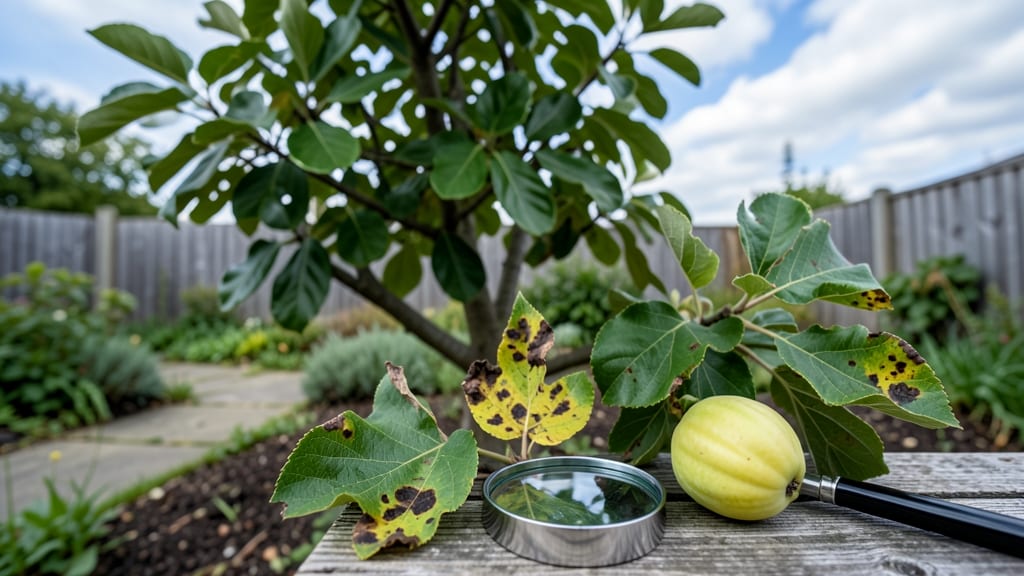
That quince diseases leaf blight on your quince trees won’t disappear on its own—it’s a fungal infection that spreads like wildfire when conditions are right. 🌿 I’ve battled Cercospora and Alternaria on my own trees, and copper spray isn’t just a last resort; it’s the fastest way to stop the spots from turning every leaf brown by midsummer.
The first sign? Tiny black or brown spots with yellow halos that multiply when humidity stays high. Prune infected branches immediately and space trees for airflow, but even then, you’ll need copper fungicide every 7-10 days during wet seasons.
Skipping this step means watching your tree struggle through another season of weak growth.
With the right protocol, you’ll see new leaves emerge clean and vibrant within weeks—not just surviving, but thriving. The key is acting fast when you spot the first spots, because once the blight takes hold, even copper can’t fully reverse the damage.
This works for both backyard quince and commercial orchards, though organic growers should pair copper with neem oil for extra protection. The goal isn’t just to treat the current outbreak—it’s to break the cycle for next year.
Root Causes Of Leaf Blight
Leaf blight in quince trees—particularly the dreaded Quince Leaf Blight (often caused by Didymella bipinnata or Mycosphaerella spp.)—isn’t just random bad luck. It thrives when specific conditions align, turning your fruit tree’s lush foliage into a sad, spotted mess.
Understanding the why behind this fungal frenzy is your first step toward prevention. Let’s break down the key culprits, backed by science and actionable insights.
Fungal spores—like those behind quince leaf blight—love moisture. When humidity hovers above 75-80% for prolonged periods, spores germinate and spread like wildfire. Here’s the science:
- Spores need water: Fungal spores require a film of water on leaf surfaces to penetrate plant tissues. Heavy dew, frequent rain, or poor airflow create the perfect petri dish.
- Stagnant air = fungal buffet: Without circulation, infected leaves stay damp longer, allowing spores to colonize and multiply. Think of it like a fungal party—everyone’s invited when the air is thick and still.
- Temperature matters: Ideal fungal growth occurs between 60–80°F (15–27°C). Cooler, damp mornings (common in spring/fall) are peak infection windows.
Actionable fix: Improve airflow with pruning (remove dense branches) and spacers between trees. If humidity is chronic, consider a fan or dehumidifier in greenhouses.
Fungal spores hibernate in dead leaves, fallen fruit, and pruning debris. If you’re not cleaning up, you’re basically handing the fungus a free real estate deal every season.
- Spores survive winters: Didymella bipinnata can overwinter in infected plant material, ready to re-infect the next growing season.
- Mulch matters: Thick mulch layers trap moisture, creating a fungal hotspot at the tree’s base.
- Tools spread spores: Pruners, rakes, or even your hands can unwittingly transport spores to healthy leaves.
Actionable fix:
- ✂️ Sterilize tools with 70% rubbing alcohol or a 10% bleach solution between cuts.
- 🧹 Rake up debris—especially under the tree—and compost it away from the garden (or burn it).
- 🌿 Prune properly: Remove all infected leaves (even small spots!) and dispose of them off-site.
Quince trees under stress—whether from root rot, nutrient deficiencies, or overwatering—are weakened hosts for fungal attacks. Here’s how it plays out:
- Waterlogged roots = fungal feast: Excess moisture in the soil invites root pathogens (like Phytophthora), which compromise the tree’s immunity.
- Nutrient deficiencies: Lack of potassium (K) or calcium (Ca) makes leaves more susceptible to fungal penetration.
- Salt buildup: Over-fertilizing or poor drainage can burn roots, stressing the tree and making it an easy target.
Actionable fix:
- 💧 Water deeply but infrequently: Aim for 1–1.5 inches per week, letting the top 2–3 inches of soil dry between waterings.
- 🪴 Amend soil with compost or sand to improve drainage. Raised beds help in clay-heavy soils.
- 🍄 Test soil pH: Quince prefers 6.0–7.0. Adjust with lime (to raise) or sulfur (to lower) if needed.
Pests like quince aphids, scale insects, or spider mites don’t just chomp on leaves—they create entry points for fungi. Here’s how:
- Honeydew = fungal magnet: Aphids excrete sticky honeydew, which traps spores and provides a nutrient boost for fungal growth.
- Physical damage: Chewed leaves have open wounds, making it easier for spores to invade.
- Stress response: A tree fighting off pests diverts energy from defense, leaving it vulnerable to secondary infections.
Actionable fix:
- 🐜 Monitor for pests regularly. Use neem oil or insecticidal soap for early infestations.
- 🌿 Encourage natural predators: Ladybugs and lacewings devour aphids. Plant companion flowers (like marigolds) to attract them.
- 🧼 Clean up honeydew with a water spray to prevent fungal hitchhiking.
Pro Tip: 💡 Prevention is cheaper than cure. If your quince tree is already showing blight symptoms, jump to our copper spray protocol for fast fungal eradication. But the real win? Stopping the problem before it starts!
How to Fix Fungal Leaf Blight
Fungal leaf blight on quince trees can feel overwhelming, but with the right approach, you can restore your tree’s health and prevent future outbreaks. Below, we’ve mapped practical solutions directly to the most common causes—fungal spores, poor airflow, and environmental stress—along with preventive measures to keep your quince thriving.
Let’s tackle this step by step!
Cause: Fungal spores spread rapidly on infected leaves. Fix: Act fast to stop the cycle before the disease worsens.
- 🍳 Prune infected leaves (including those with dark spots, yellowing, or blighted edges) using sterilized pruners (wipe with rubbing alcohol between cuts).
- 🗑️ Bag and discard the clippings in the trash—do not compost them, as spores can survive.
- 🌿 Thin out dense branches to improve airflow (aim for 6–12 inches between leaves).
Pro Tip: 💡 If the blight is severe, consider removing 10–20% of the tree’s canopy to reduce humidity in the foliage.
Cause: Fungal pathogens like Venturia or Alternaria thrive in moist conditions. Fix: Copper-based fungicides are highly effective against leaf blight and preventative when used correctly.
| When to Spray | How to Apply | Frequency |
|---|---|---|
| Early spring (bud break) | Mix 1 tbsp copper fungicide per gallon of water | Every 7–10 days |
| After rain | Reapply if leaves are wet (fungi love moisture!) | As needed |
| Late summer (preventative) | Use organic copper soap for residual protection | Every 2–3 weeks |
Pro Tip: 🌡️ Best timing: Spray early in the morning or late afternoon to avoid burning leaves in direct sunlight.
Cause: Stagnant, humid air fuels fungal growth. Fix: Adjust your tree’s environment to dry out leaves faster.
- 🌿 Prune for airflow: Remove crossing branches and overcrowded growth.
- 💦 Water at the base: Avoid overhead watering—use a soaker hose or drip irrigation instead.
- ☀️ Space trees properly: Plant quince at least 10 feet apart from other trees/shrubs.
- 🌬️ Use a fan (for potted quince): If growing in containers, a small oscillating fan (on low) can help dry leaves.
Pro Tip: ✨ Mulch correctly: Apply 2–3 inches of organic mulch (wood chips, straw) away from the trunk to retain moisture in the soil—but not so thick it traps dampness.
Cause: Weak or stressed trees are more susceptible to infections. Fix: Boost your quince’s natural resistance with proper care.
- 🌱 Fertilize wisely: Use a balanced, slow-release fertilizer (10-10-10) in early spring—avoid over-fertilizing with nitrogen, which promotes lush (but vulnerable) growth.
- 💧 Water deeply but infrequently: 1–1.5 inches per week (adjust for drought). Yellowing leaves? Could be overwatering—let the top 1–2 inches of soil dry out between waterings.
- 🍃 Avoid late-season pruning: Prune only in late winter/early spring to prevent new growth from being stressed before winter.
Pro Tip: 💪 Neem oil spray (optional): Mix 1 tsp neem oil + 1 tsp mild soap per quart of water and spray every 2 weeks as a fungal deterrent (best for mild cases).
Cause: Fungal spores persist in soil and debris. Fix: Break the cycle with these long-term strategies:
- 🧹 Clean up thoroughly: Remove all fallen leaves and debris from under the tree by fall.
- 🌿 Rotate copper sprays: If you used copper last season, switch to a different fungicide (like sulfur or potassium bicarbonate) this year to prevent resistance.
- 🌱 Plant resistant varieties: If blight is recurrent, consider quince cultivars like ‘Champion’ or ‘Meeker’, which are more disease-resistant.
- 🌧️ Monitor weather: Fungal spores love rain + warm nights (60–80°F). Set up a rain gauge and spray 24–48 hours after heavy rain.
Pro Tip: 🎯 Early detection saves time! Check leaves weekly during spring and summer—catch blight early, and treatment is easier.
If your quince tree:
- Shows widespread defoliation (more than 50% of leaves affected).
- Has blackened branches or oozing cankers (signs of advanced disease).
- Doesn’t respond to 4+ weeks of treatment.
A local arborist can assess whether systemic fungicides or pruning are needed to save the tree.
Final Thought: 🌿 With consistent copper sprays, proper pruning, and smart watering, your quince can bounce back—and even thrive despite fungal threats. Start today, and next season, you’ll enjoy healthy, blight-free foliage!
Frequently asked questions
What do quince leaf blight spots actually look like?
Quince leaf blight spots typically start as tiny dark brown or black specks with yellow halos around them. As the disease progresses, these spots grow larger, often merging into irregular brown patches that can cover most of the leaf surface. In advanced cases, leaves may turn entirely brown and crispy. The key difference from powdery mildew is that blight spots are water-soaked looking, not white and powdery.
Can I still harvest fruit from a quince tree with leaf blight?
Yes, but only if the blight hasn't affected the fruit directly. Focus on harvesting healthy, unblemished fruit from branches that show minimal leaf damage. Avoid using fruit from trees with severe defoliation or blackened branches, as the tree's overall health will be compromised. Always wash fruit thoroughly before eating or processing.
How often should I apply copper fungicide for prevention?
For prevention, apply copper fungicide every 7-10 days during peak fungal season (spring through early summer). Start spraying at bud break and continue through late summer. After heavy rains, reapply immediately to protect newly exposed leaves. Remember to rotate with other fungicides like sulfur or potassium bicarbonate every few years to prevent resistance.
Will pruning help if my quince tree already has leaf blight?
Pruning is critical when dealing with leaf blight. Remove all infected leaves and branches (even small spots!) using sterilized tools. Thin out dense foliage to improve airflow, which helps leaves dry faster. The goal is to reduce humidity in the canopy and remove infection sources. Dispose of pruned material in the trash, not compost.
Can I use homemade remedies instead of copper spray?
While homemade remedies like neem oil or baking soda spray can help with mild cases, they're not as effective as copper for severe quince leaf blight. For best results, use copper fungicide as the primary treatment and supplement with neem oil (1 tsp + 1 tsp mild soap per quart of water) every 2 weeks for extra protection. Always test remedies on a small area first.