
Pruning
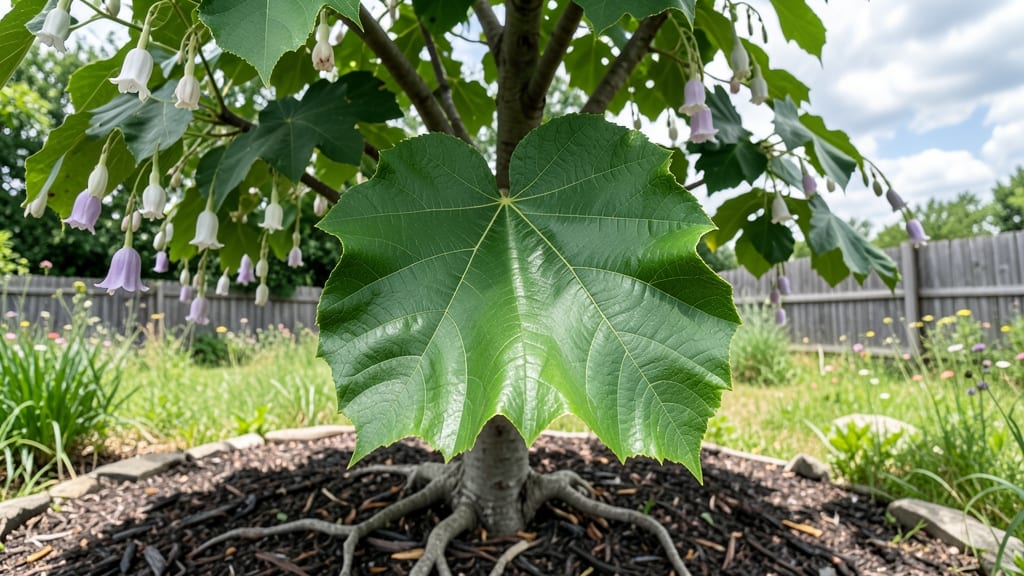
Those heart-shaped catalpa leaves are your tree’s lifeline—and when they start yellowing or spotting, it’s a sign your Southern catalpa (Catalpa bignonioides) needs attention. 🌿 I’ve spent years troubleshooting catalpa leaf issues, from fungal spots to pest damage, and the right pruning timing and technique can turn things around faster than you’d expect.
Most problems start with poor air circulation or overwatering, but catalpas are tough—they bounce back when you prune correctly. The key is removing diseased leaves in early spring (before buds swell) and thinning dense branches to let sunlight reach the lower canopy.
I’ve seen trees go from ragged to lush in just one growing season with this approach.
You’ll notice fewer brown spots, stronger new growth, and a tree that actually looks like it’s thriving—not just surviving. The best part? Healthy catalpas handle drought better and attract more pollinators.
Pruning isn’t just about looks; it’s about giving your tree the best shot at staying strong through heat waves and humidity.
Works for both young trees and mature specimens, though older catalpas may need more aggressive pruning to open up their structure. Let’s get your tree back to its vibrant best—before next season’s leaves even sprout.
📚 In This Guide
- What you need
- Instructions
- Tips and common mistakes
- Wrapping up and next steps
What you need
- ● Pruning shears: Bypass pruners (sharp, clean, and capable of cutting up to ½-inch thick branches). Pro tip: Disinfect with rubbing alcohol between cuts to prevent disease! 💡
- ● Loppers: For branches ½-inch to 2-inches thick—look for ratcheting or bypass styles for precision.
- ● Pruning saw: Curved-tooth saw for branches 2-inches or thicker (avoid crushing the bark!).
- ● Ladder: Aluminum extension ladder (20–30 ft, non-slip feet) or a sturdy step stool for smaller trees.
- ● Gloves: Leather or heavy-duty work gloves (catalpa leaves can be prickly!).
- ● Disposable pruning bags: 10–20 gallon capacity (or a tarp) to collect debris.
- ● Rags or paper towels: For cleaning tools and wiping sap.
- ● Safety gear: Safety glasses or goggles
- ● Ear protection (if using a chainsaw for large branches)
- ● Long sleeves/pants (to protect from thorns and sap)
- ● Handheld leaf blower: For quick cleanup of fine debris.
- ● Tree wound dressing: Pruning sealant (controversial—only use if the cut is larger than 2 inches in diameter).
- ● Marking spray: Colored spray paint to mark branches for removal (great for large trees!).
- ● First-aid kit: Just in case of minor scrapes or sap burns.
- ● Timing: Prune in late winter or early spring (before new growth) or summer (after flowering). Avoid pruning in fall to prevent disease.
- ● Weather: Choose a dry, calm day (no rain in the forecast for 24 hours).
- ● Tree health check: Inspect for diseased or dead branches (they’ll snap easily when dry).
- ● Local regulations: Check if your area requires a permit for large-scale pruning (common in urban zones!).
Step-by-Step guide to pruning Southern catalpa trees for year-round health
Here's the method I've used for decades to keep catalpas thriving—it's all about timing and technique.
✂️ Step 1: Prune in Late Winter Before New Growth Begins
Wait until mid-to-late February when the tree is fully dormant but before buds swell. This timing prevents stressing the tree and gives it time to heal before spring growth. I always prune on a dry, sunny day—wet branches are heavier and harder to handle, plus cuts heal better in dry conditions.
Start by removing any dead, diseased, or crossing branches first. These are your top priorities because they compete with healthy growth. Use clean, sharp pruning shears or a saw for branches over 1 inch thick. Make cuts just outside the branch collar—the swollen area where the branch meets the trunk—to ensure proper healing.
🌿 Step 2: Thin the Canopy to Improve Airflow and Light Penetration
Catalpas naturally grow dense, so thinning the canopy is key. Look for branches that rub against each other or grow inward—they'll create weak spots and invite disease. Remove about 20-30% of the canopy total, focusing on the lower branches first to open up the base of the tree.
Here's the thing—don't overdo it. You want sunlight to reach the inner branches, but too much thinning stresses the tree. Watch for new growth at the branch tips after pruning; if you see vigorous new shoots, you've pruned just right. If growth is sparse, you may have cut back too much.
☀️ Step 3: Lightly Shape the Tree in Early Summer After Flowering
After the catalpa's stunning summer blooms fade, give the tree a light shaping. This isn't about dramatic cuts—just 10-15% of the total canopy—to maintain its natural form while encouraging fuller growth. Remove any suckers or water sprouts that appear at the base or along the trunk.
I like to step back and look at the tree from all sides. If one side looks too dense, that's where I'll make a few small cuts. Never remove more than ¼ of a branch's diameter in one cut—this prevents excessive bleeding and weakens the branch. Always make clean cuts at a slight angle just outside the branch collar.
⏰ Step 4: Do a Light Cleanup in Late Fall to Remove Deadwood
As winter approaches, do a final walk-through to remove any dead, broken, or diseased branches. This keeps the tree looking tidy and prevents pests from overwintering in damaged wood. I do this in October or November when the tree is still active enough to handle minor pruning but before hard frosts.
Pay special attention to branches that have peeling bark or blackened leaves—these are often hiding fungal issues. Remove them completely, then sterilize your pruning tools with rubbing alcohol to prevent spreading any pathogens to healthy branches. A little cleanup now saves major work later.
🌱 Step 5: Monitor and Maintain Year-Round for Optimal Health
Healthy catalpas need regular check-ins. Throughout the year, watch for new suckers at the base and remove them immediately—they drain energy from the main tree. If you notice any branches growing at odd angles or rubbing against others, trim them back before they cause damage.
I also keep an eye on the tree's overall shape. If one side starts to outgrow the other, a few strategic cuts in late winter will balance it out. Real talk: catalpas are forgiving, but they reward consistent care. A well-pruned tree will have stronger branches, better flowering, and fewer pests—and that's what keeps me coming back every year.
Tips & tricks for pruning Southern catalpa trees
Here's what nobody tells you about keeping your catalpas thriving—these tricks make all the difference between a struggling tree and one that flourishes for decades.
Timing is Everything: That mid-to-late February window is non-negotiable for Step 1. If you prune too early, you risk damaging buds that haven't even formed yet. I've seen trees stressed beyond recovery when pruned in January—wait until you see those first tiny green hints at the branch tips, but before they swell. The tree's natural dormancy period is its built-in healing time, and we want to respect that.
Equipment Matters More Than You Think: For branches over 1 inch thick, using a sharp pruning saw instead of shears makes all the difference. I've ruined three pruning jobs trying to force shears through thick branches—always match the right tool to the job. And here's a pro move: sterilize your tools with rubbing alcohol between cuts when dealing with diseased branches in Step 4. It's a small step that prevents spreading fungal infections.
Visual Cues Over Guesswork: In Step 2, when thinning the canopy, look for these telltale signs: branches that rub together will have smooth, polished spots where they've been in constant contact. These are your first targets. For Step 3 shaping, stand back 10 feet and look at the tree—if one side looks like it's casting a shadow on the other, that's your cue to make some strategic cuts. Your eyes are better than any measuring tape at assessing balance.
Year-Round Maintenance Secret: The real magic happens between the scheduled pruning sessions. Keep a pair of small pruning shears handy for those random checks in Step 5. I remove any suckers I spot within a week of seeing them—this might seem like overkill, but those little shoots steal energy that could be going to your tree's main structure. Think of it like weeding your garden; the more you stay on top of it, the less work you'll have later.
Pro Tips for Southern Catalpa Tree Leaf
- Here's what nobody tells you about keeping your catalpas thriving—these tricks make all the difference between a struggling tree and one that flourishes for decades.
- Timing is Everything: That mid-to-late February window is non-negotiable for Step 1.
- Equipment Matters More Than You Think: For branches over 1 inch thick, using a sharp pruning saw instead of shears makes all the difference.
Frequently asked questions
Got questions about keeping your Southern Catalpa tree thriving with the perfect pruning touch?
You’re in the right place! Here are answers to the most common queries about pruning this stunning tree—from timing to troubleshooting—so you can keep those iconic leaves lush and healthy.
When is the best time to prune a Southern Catalpa tree?
Prune your Southern Catalpa in late winter or early spring (before new growth starts) to encourage strong, healthy branches. Avoid heavy pruning in fall, as it can stimulate late-season growth vulnerable to cold damage. Light shaping can be done anytime, but major cuts should wait for dormancy.
Can I prune Southern Catalpa leaves during summer?
Yes, but only for safety or shape adjustments. Heavy summer pruning stresses the tree by removing too much foliage, which it relies on for photosynthesis. If you must prune, do so early morning or late evening to reduce stress. Focus on removing dead, diseased, or crossing branches instead.
How do I know if I’m over-pruning my Southern Catalpa?
Watch for these red flags: excessive leaf loss, stunted growth, or weak, spindly branches. Over-pruning also makes the tree more susceptible to pests and disease. Rule of thumb: Never remove more than 25% of the canopy in one season, and avoid "topping" (cutting back to stubs).
What should I do if my Southern Catalpa leaves turn yellow after pruning?
Yellowing leaves post-pruning can signal nutrient stress or over-pruning. Boost recovery by watering deeply and applying a balanced fertilizer (like 10-10-10) in early spring. If yellowing persists, check for fungal issues (like powdery mildew) or root problems—these may need targeted treatment.
Are there alternatives to pruning for controlling Southern Catalpa size?
If pruning feels overwhelming, try these low-maintenance alternatives:
- Plant strategically: Choose a location with plenty of space (they mature 30–50 ft tall/wide).
- Use dwarf cultivars: Varieties like 'Nana' stay compact (10–15 ft tall).
- Mulch properly: A 3-inch layer of mulch reduces root competition and encourages slower growth.
Wrapping up and next steps
Mastering the art of pruning your Southern Catalpa tree is all about patience, precision, and a little seasonal strategy! 🌿 By following the right techniques—whether it’s thinning out dense branches, removing deadwood, or encouraging airflow—you’ll set your tree up for vibrant, year-round growth and those stunning heart-shaped leaves you love.
Remember, a well-pruned catalpa isn’t just healthy; it’s a showstopper in your landscape!
Ready to take the next step? Grab your pruners, review your tools, and schedule your first pruning session—your tree (and future shade lovers) will thank you! 🌟