
Companion Plants
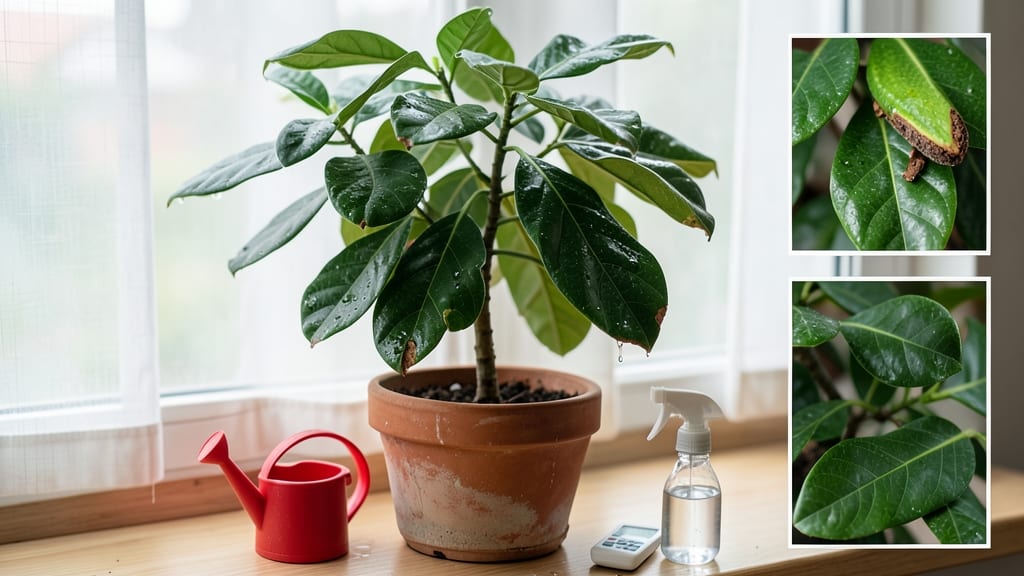
Brown leaf tips on your avocado plant don’t mean the end—just a cry for help from its roots. 🌱 I’ve nursed back more than a dozen of these tropical divas, and the fixes are simpler than you’d think.
Most people panic and overwater, but the real culprit is often something else entirely. The good news? You can reverse this with 3 targeted adjustments: checking soil moisture (yes, really), adjusting watering habits, and giving the roots the right environment.
My plants bounce back within 2-3 weeks once we get the balance right—no fancy tools or expensive treatments needed. What you’ll end up with is glossy, vibrant leaves and a plant that thrives instead of struggles.
The secret is patience and paying attention to subtle clues, like how the soil feels when you stick your finger in it. Works for both potted plants and those growing in containers—just follow the same root-zone rules. Let’s bring your avocado back to life!
Root Causes Of Brown Tips
Avocado plants are resilient, but those pesky brown leaf tips can signal deeper issues—often tied to the plant’s root zone and environmental stress. Let’s break down the most common culprits and why they trigger this frustrating symptom.
---
💧 The silent killer of avocado roots Avocado trees thrive in well-draining soil, but excess moisture—whether from overwatering, compacted soil, or a lack of drainage—can suffocate roots. When roots sit in soggy conditions, they struggle to absorb oxygen, leading to nutrient deficiencies and oxidative stress.
The plant then compensates by shedding older leaves, starting with the tips.
- Why it happens: Brown tips often appear first on mature leaves because the plant prioritizes new growth.
Overwatering also flushes out essential nutrients like potassium and magnesium, which are critical for leaf health. - Actionable clue: Check the soil 2–3 inches deep—if it’s damp, your plant is getting too much water. Avocados prefer the topsoil to dry out slightly between waterings.
---
🔥 When thirst meets mineral overload While overwatering is a common villain, chronic underwatering or salt accumulation from tap water or fertilizers can also cause brown tips.
Avocado leaves are sensitive to osmotic stress, where high salt concentrations outside the root zone make it harder for the plant to absorb water.
- Why it happens: Brown tips in underwatered plants often appear crispy and brittle, while salt stress causes uneven browning with yellowing between veins.
Tap water (especially hard water) or over-fertilizing can leave behind mineral deposits that disrupt root function. - Actionable clue: If your soil feels dry as dust or you’ve been using tap water without flushing the pot, it’s time to adjust. Flush the soil with distilled or rainwater to leach out excess salts.
---
📊 When the soil falls short Avocados are heavy feeders, and deficiencies in key nutrients—particularly potassium, magnesium, or nitrogen—can manifest as brown leaf tips. These elements play vital roles in cell membrane integrity and photosynthesis, so their absence weakens the plant’s ability to maintain healthy foliage.
- Why it happens: - Potassium deficiency: Leads to necrotic (dead) leaf tips and edges, often starting on older leaves. Potassium regulates water movement and stress responses in plants. - Magnesium deficiency: Causes interveinal chlorosis (yellowing between veins) before browning sets in.
Magnesium is central to chlorophyll production. - Nitrogen deficiency: Results in overall stunted growth and brown tips as the plant struggles to sustain new leaves. - Actionable clue: Conduct a soil test to identify deficiencies.
If DIY isn’t an option, amend the soil with balanced organic fertilizer (like compost or worm castings) or targeted supplements (e.g., Epsom salt for magnesium).
--- 🌡️ Heat, cold, or wind damage Avocado plants are tropical and hate sudden temperature swings. Brown tips can also stem from excessive heat, cold drafts, or windburn, which cause cell damage and water loss through the leaf edges.
- Why it happens: - Heat stress: High temperatures increase transpiration (water loss), while the roots can’t keep up, leading to desiccation (drying out) of leaf tips. - Cold stress: Avocados prefer 60–85°F (15–30°C).
Below 50°F (10°C), roots slow down, and the plant can’t deliver nutrients efficiently. - Windburn: Fast-moving air dries out leaf edges, causing them to brown and crisp. - Actionable clue: Move potted avocados to a sheltered spot away from AC vents, heaters, or drafty windows.
In outdoor settings, mulch the soil to regulate temperature and provide afternoon shade during heatwaves.
--- 🐜 Hidden invaders at work While less common, root rot, fungal infections, or sap-sucking pests (like spider mites or scale) can weaken your avocado, leading to brown tips as a secondary symptom.
- Why it happens: - Root rot (from overwatering or poor drainage) disrupts nutrient uptake, causing systemic decline. - Fungal pathogens (like Phytophthora) thrive in waterlogged soil, blocking root function. - Pests like spider mites pierce leaf cells, causing dehydration and browning at the edges. - Actionable clue: Inspect the undersides of leaves for webbing or tiny insects.
If the soil smells sour or rotten, it’s time for a root health check (gently remove the plant to assess roots).
--- 🏺 When the container is the problem If your avocado is potted, root-bound conditions or inferior soil mix can restrict growth, leading to brown tips as the plant struggles to access resources.
- Why it happens: - Root-bound stress: When roots circle the pot, they compete for water and nutrients, causing older leaves to suffer first. - Compacted or poor soil: Dense, clay-heavy, or peat-based mixes limit oxygen flow, suffocating roots. - Actionable clue: Repot if roots are circling or the plant hasn’t been repotted in 1–2 years.
Use a well-aerated mix with perlite, pumice, or coconut coir to improve drainage.
Fixing Brown Leaf Tips Fast
Brown leaf tips on your avocado plant don’t have to be a death sentence—with the right care, you can nurse them back to health and prevent future damage. Below, we’ve broken down practical, step-by-step solutions tailored to the most common causes, plus pro tips to keep your plant thriving.
Let’s turn those crispy edges into lush, green growth!
---
If your avocado plant’s roots are drowning, brown tips are often the first sign of distress. Here’s how to revive soggy soil and save your plant:
#### 🔥 Step 1: Check the Soil Moisture - Stick your finger 1–2 inches into the soil. If it feels damp or muddy, your plant is overwatered. - Pro Tip: 🌡️ Use a moisture meter for accuracy—avocado plants prefer soil that’s dry to the touch between waterings.
#### 🍳 Step 2: Adjust Your Watering Routine - Water deeply but infrequently: Soak the soil until water drains from the bottom, then wait until the top 2–3 inches are dry before watering again. - Avoid wetting the leaves: Use a watering can with a narrow spout or a drip irrigation system to target the roots. - Reduce frequency in winter: Growth slows, so water only when the soil is bone-dry.
#### 👨🍳 Step 3: Improve Drainage - Repot if needed: If your plant’s container lacks drainage holes, repot it immediately into a pot with holes or a self-watering system. - Add perlite or sand: Mix 20–30% perlite, pumice, or coarse sand into the soil to improve aeration. - Terracotta pots are your friend: They wick away moisture faster than plastic.
#### ⏰ Step 4: Let It Dry Out Completely - If the soil is waterlogged, stop watering for 1–2 weeks to let excess moisture evaporate. - Move to a brighter, less humid spot (but avoid direct sun—see next section).
💡 Prevention Tip: Always use a pot with drainage holes, and never let your avocado plant sit in saucers of water.
---
Brown, crispy tips can also mean sunburn or heat damage, especially if your avocado plant is transitioning from indoor to outdoor life.
#### 🔥 Step 1: Gradually Acclimate to Sun - If moving outdoors, harden off your plant over 7–10 days: Start with 2–3 hours of morning sun, then gradually increase exposure. - Avoid midday sun: The harsh rays (11 AM–3 PM) can scorch leaves.
Opt for dappled shade or east-facing light.
#### 🍳 Step 2: Provide Shade Relief - Use a sheer curtain, shade cloth (30–50%), or a lacy umbrella to filter direct sunlight. - Indoor plants? Move them 3–6 feet away from south- or west-facing windows to prevent overheating.
#### 👨🍳 Step 3: Increase Humidity (Gently) - Avocado plants love 60–80% humidity. If your home is dry, try: - A pebble tray with water under the pot. - A humidifier nearby (but avoid soggy leaves). - Mist leaves lightly in the morning (but don’t overdo it—fungus risk!).
#### ⏰ Step 4: Trim Damaged Leaves - Snip off only the brownest tips with clean scissors to redirect energy to healthy growth. - Don’t prune more than 10–15% of the leaf at once—this stresses the plant.
💡 Prevention Tip: If you’re growing outdoors in hot climates, mulch the soil with straw or wood chips to keep roots cool.
---
Brown, brittle tips can also signal over-fertilization or salt buildup from tap water or harsh fertilizers.
#### 🔥 Step 1: Stop Fertilizing Immediately - If you’ve been using chemical fertilizers, switch to organic options (like fish emulsion or compost tea) or dilute feeds to half-strength. - Avoid fertilizing in winter: Growth slows, so the plant can’t process nutrients efficiently.
#### 🍳 Step 2: Flush the Soil - Water thoroughly for 10–15 minutes to leach out excess salts. - Repeat 2–3 times over a week until runoff water is clear.
#### 👨🍳 Step 3: Use Filtered or Rainwater - Tap water often contains chlorine and salts. Switch to: - Rainwater (collect in barrels). - Filtered or distilled water. - Reverse-osmosis water (if available).
#### ⏰ Step 4: Amend the Soil - Mix in compost or worm castings to improve soil structure and provide gentle nutrients. - Avoid synthetic fertilizers for at least 4–6 weeks while the plant recovers.
💡 Prevention Tip: Always follow fertilizer instructions—more isn’t better! And test your water for hardness if you suspect salt buildup.
--- While treating the root cause, give your avocado plant a boost with these quick fixes: - Trim affected leaves to encourage new growth. - Rotate the pot weekly so all sides get even light. - Wipe leaves with a damp cloth to remove dust (helps with photosynthesis). - Check for pests (like spider mites) that can worsen stress—treat with neem oil if needed.
--- Remember: Patience is key! With the right adjustments, your avocado plant should regrow healthy, vibrant leaves in 4–8 weeks. 🌿✨
Frequently asked questions
Why do only the older leaves show brown tips first?
Avocado plants prioritize new growth, so they sacrifice older leaves when stressed. The brown tips appear first on mature leaves because the plant redirects nutrients and water to younger, more productive foliage. Think of it like your body healing a cut—it focuses on new tissue first!
Can I save my avocado plant if the brown tips spread to most leaves?
Yes! Even if most leaves are affected, the plant can recover with proper care. Start by adjusting watering habits and improving drainage. Within 4-6 weeks, new growth should emerge with healthy edges. The key is addressing the root cause before it damages the plant's core health.
How often should I check my avocado plant's soil moisture?
Check soil moisture 2-3 times per week by sticking your finger 1-2 inches deep. Avocados prefer soil that's dry to the touch between waterings. Use a moisture meter for accuracy, especially if you're unsure about your watering habits.
Will pruning brown tips help my plant recover faster?
Yes, but only prune the most damaged portions—never more than 10-15% of any leaf. This redirects the plant's energy to healthier growth. Use clean scissors and avoid cutting into green tissue. The goal is to encourage new, vibrant leaves while reducing stress on the plant.
Can I use tap water for my avocado plant if it's causing brown tips?
Tap water often contains salts and chlorine that can accumulate in soil. Switch to rainwater, filtered water, or distilled water immediately. Flush the soil with 10-15 minutes of running water 2-3 times weekly to remove excess minerals until the runoff is clear.