Shrubs
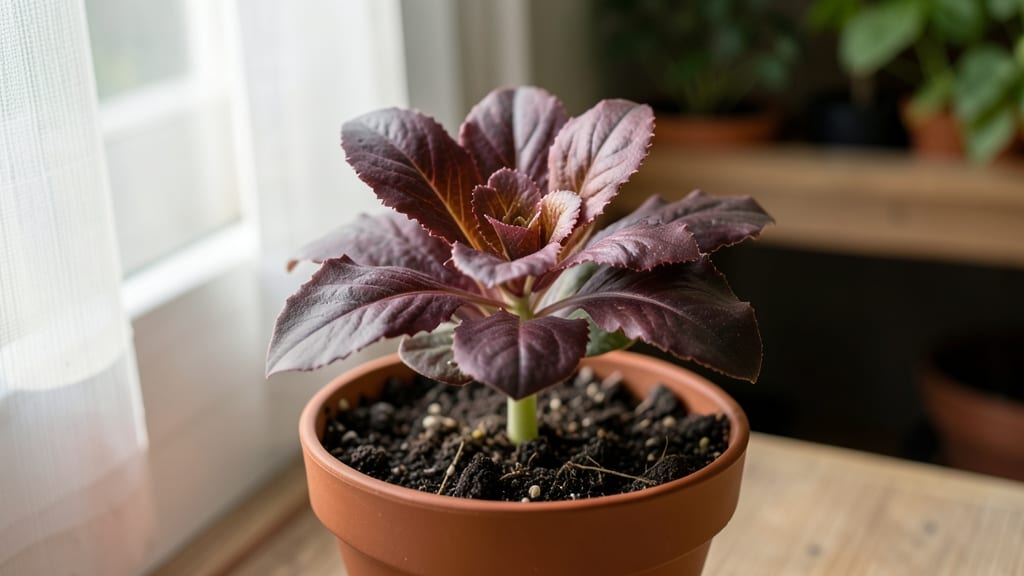
That first flush of vibrant red foliage in early spring is what makes red-leaf seedlings worth the wait. 🌿 I’ve grown these cold-hardy shrubs for years, and they’ve become my go-to for year-round color—even when most plants are still dormant.
The secret isn’t just the red leaves, though; it’s how they thrive in tough conditions and keep your garden looking alive all season long.
You’ll need full sun to partial shade, well-draining soil, and patience—these shrubs grow slowly but reward you with bold, fiery leaves that turn even dull winters into a showstopper. Most varieties handle temperatures down to -20°F, so they’re perfect for zones 3 through 7.
The key is planting them in the right spot early, where they won’t compete with faster-growing plants for sunlight or water.
By mid-summer, you’ll have a lush, disease-resistant shrub that needs minimal fuss—just occasional pruning to shape it and keep it compact. The leaves stay vibrant through fall, often turning deeper shades of burgundy before winter, and many varieties even keep a hint of color under snow.
It’s the kind of plant that makes neighbors stop and ask, “What is that?!”
Works in borders, foundation plantings, or even large containers—just give them room to grow to their mature size, usually 4-6 feet tall and wide. Once established, they’re nearly maintenance-free, which is a win for busy gardeners. Let’s get yours planted right!
📚 In This Guide
- What you need
- Instructions
- Tips and common mistakes
- Wrapping up and next steps
What you need
- ● Red leaf seedling (1-3 plants): Choose healthy, disease-free seedlings from a trusted nursery. Look for Physocarpus opulifolius 'Little Devil' or similar varieties.
- ● Well-draining potting mix (5-10 gallons): Use a blend of 60% garden soil, 30% perlite or sand, and 10% compost for pots. For in-ground planting, amend native soil with compost.
- ○ Container (optional, 12-18 inches deep): If growing in pots, use a fabric grow bag or terracotta pot with drainage holes.
- ● Slow-release fertilizer (5-10-5, 1 lb): Mix into soil at planting time for a nutrient boost.
- ● Garden trowel or shovel (for digging holes or transplanting).
- ● Gloves (1 pair) (to protect hands from thorns and soil).
- ● Watering can or hose with nozzle (for gentle watering).
- ● Mulch (2-3 inches of shredded bark or pine needles) (to retain moisture and regulate soil temp).
- ○ Stakes or plant ties (optional) (if your seedling is top-heavy or in windy areas).
- ● Epsom salt (1 tbsp) (for magnesium-rich foliage—mix into soil at planting).
- ● Pruning shears (for shaping or removing dead branches in early spring).
- ● Plant-based fungicide (like neem oil spray) (prevents powdery mildew in humid climates).
- ● Shade cloth (30-50%) (if planting in hot summers to protect young seedlings).
Step-by-Step instructions for planting and caring for red leaf seedlings
Here’s how to get your cold-hardy shrubs thriving with vibrant foliage year after year.
🌱 Step 1: Choose the Right Planting Location
Red leaf seedlings need full sun to partial shade—at least 4-6 hours of sunlight daily—to maintain their striking burgundy foliage. I always pick a spot that gets morning sun and afternoon shade in hotter climates, as direct afternoon sun can scorch the leaves. Test the area by observing how other plants grow there—if they’re thriving, it’s likely a good fit.
Check the soil drainage by digging a small hole and filling it with water. If it drains within 30-60 minutes, the spot is ideal. Poor drainage leads to root rot, which can kill seedlings quickly. If your soil drains too slowly, amend it with 1-2 inches of compost mixed into the top 6 inches of soil before planting.
🪴 Step 2: Prepare the Planting Hole and Transplant
Dig a hole twice as wide as the root ball but only as deep as the container’s height. This prevents burying the stem too deeply, which can cause rot. Gently remove the seedling from its container and loosen any circling roots with your fingers—this encourages outward growth instead of a tangled mess.
Place the seedling in the hole so the top of the root ball sits level with the surrounding soil. Fill the hole with soil, pressing lightly to remove air pockets but not compacting it too firmly. Water deeply until the soil is evenly moist to 6 inches down, which helps settle the roots into place. Avoid overwatering, though—soggy soil smothers roots.
☀️ Step 3: Mulch and Water for Establishment
Spread 2-3 inches of mulch (like shredded bark or pine straw) around the base of the plant, keeping it 2-3 inches away from the stem to prevent rot. Mulch conserves moisture and regulates soil temperature, which is especially helpful in the first year. I use organic mulch because it breaks down slowly and improves soil over time.
Water deeply once a week during the first growing season, aiming for 1-1.5 gallons per plant. You’ll know you’ve watered enough when the soil feels moist to the touch down to 6 inches deep. Avoid shallow watering, which encourages weak roots. After watering, check for wilting—if leaves droop slightly, give it another drink.
✂️ Step 4: Prune and Maintain for Year-Round Color
Prune in late winter or early spring before new growth begins. Remove any dead, diseased, or crossing branches first—this keeps air circulating and prevents pests. Then, cut back any overly long branches by one-third to encourage bushier growth. I always use clean, sharp pruners to make smooth cuts just above a leaf node.
Fertilize lightly in early spring with a balanced, slow-release fertilizer (like 10-10-10) to support new growth. Over-fertilizing can lead to lush green leaves instead of the bold red foliage you want. Monitor the plant’s response—if you see rapid but pale growth, cut back on fertilizer and focus on watering instead.
🌿 Step 5: Protect in Harsh Winters
Red leaf shrubs are cold-hardy, but young seedlings benefit from extra protection in extreme winters (below 10°F). Wrap the base of the plant with burlap or frost cloth to shield it from freezing winds. Avoid heavy mulch in winter—1-2 inches is enough to insulate without suffocating the roots.
Watch for dry winter winds, which can desiccate leaves. If the foliage looks crispy, give the soil a light watering in late winter (before the ground freezes) to keep roots hydrated. Come spring, you’ll see fresh growth emerging—proof your plant made it through the cold.
Tips & tricks for perfect red leaf seedling planting
Took me a while to figure out these essential tips—here’s how to avoid common pitfalls and give your seedlings the best start.
Sunlight Strategy: The 4-6 hours of sunlight mentioned in Step 1 should be spread throughout the day. If your location gets intense afternoon sun, consider partial shade during those hours to prevent leaf scorch. I’ve seen seedlings lose their vibrant color when exposed to too much direct afternoon heat, so positioning matters just as much as duration.
Root Ball Rescue: When loosening circling roots in Step 2, don’t be afraid to get your hands dirty—literally. Use your fingers to gently separate any tangled roots, but be careful not to tear them. I learned this the hard way after accidentally damaging roots and seeing stunted growth for weeks. This step ensures your seedling establishes strong, outward-growing roots instead of struggling with a tangled mess.
Winter Protection Hack: For extreme winters below 10°F, I’ve found that wrapping the base with burlap and adding a layer of straw mulch (instead of just burlap) provides extra insulation. The straw acts like a cozy blanket while still allowing airflow to prevent rot. This simple addition has saved my seedlings from frost damage in harsh climates.
Fertilizer Timing: The early spring fertilization in Step 4 is crucial, but don’t rush it. Wait until you see new growth emerging—typically when daytime temperatures consistently stay above 50°F. I’ve made the mistake of fertilizing too early, which can stress young plants and lead to nutrient burn. Patience here pays off with vibrant foliage all season.
Pro Tips for Red Leaf Seedling
- Took me a while to figure out these essential tips—here’s how to avoid common pitfalls and give your seedlings the be...
- Sunlight Strategy: The 4-6 hours of sunlight mentioned in Step 1 should be spread throughout the day. If your locatio...
- Root Ball Rescue: When loosening circling roots in Step 2, don’t be afraid to get your hands dirty—literally. Use you...
Frequently asked questions
Got questions about growing red leaf seedlings? You’re not alone! Whether you’re a first-time gardener or a seasoned green thumb, these answers will help you cultivate stunning year-round foliage with confidence.
What’s the best time to plant red leaf seedlings?
Plant red leaf seedlings in early spring (after the last frost) or early fall (4-6 weeks before the first frost). This gives roots time to establish before extreme temperatures. Avoid planting in summer heat, which can stress young seedlings.
How cold-hardy are red leaf seedlings really?
Most red leaf seedlings (like Physocarpus opulifolius) thrive in USDA Zones 2-9. They tolerate winters down to -30°F once established, but young plants may need winter mulch for extra protection. Their vibrant foliage stays gorgeous even in frost!
Can I grow red leaf seedlings from seed, or should I buy seedlings?
While possible, growing from seed is slow (2-3 years to maturity). For faster results, buy 1-2 year-old seedlings from nurseries. Seedlings are easier to transplant and will reward you with bold red-purple leaves sooner.
Why are my red leaf seedlings turning yellow or dropping leaves?
Yellow leaves often signal overwatering or poor drainage. Drop leaves? Check for underwatering or root rot. Ensure well-draining soil and water only when the top inch is dry. Pests (like spider mites) can also cause stress—inspect undersides of leaves!
How much space should I leave between red leaf seedlings?
Space seedlings 3-5 feet apart for single-stem shrubs or 4-6 feet for multi-stem varieties. This prevents overcrowding, improves airflow (reducing disease), and lets their dramatic foliage shine. Prune annually to maintain shape and encourage bushier growth.
Wrapping up and next steps
Growing a red leaf seedling is a rewarding way to add vibrant, cold-hardy beauty to your landscape—no green thumb required! 🌿 These striking shrubs thrive with minimal fuss, offering year-round color and resilience.
Whether you’re a beginner or a seasoned gardener, their adaptability makes them a perfect choice for borders, hedges, or standalone drama.
Ready to dive in? Start by selecting a healthy seedling, prepping your soil, and giving it the right care. Your future red-leafed masterpiece is just a few steps away—so grab those gloves and get planting! 🌱