
Leaf Blower
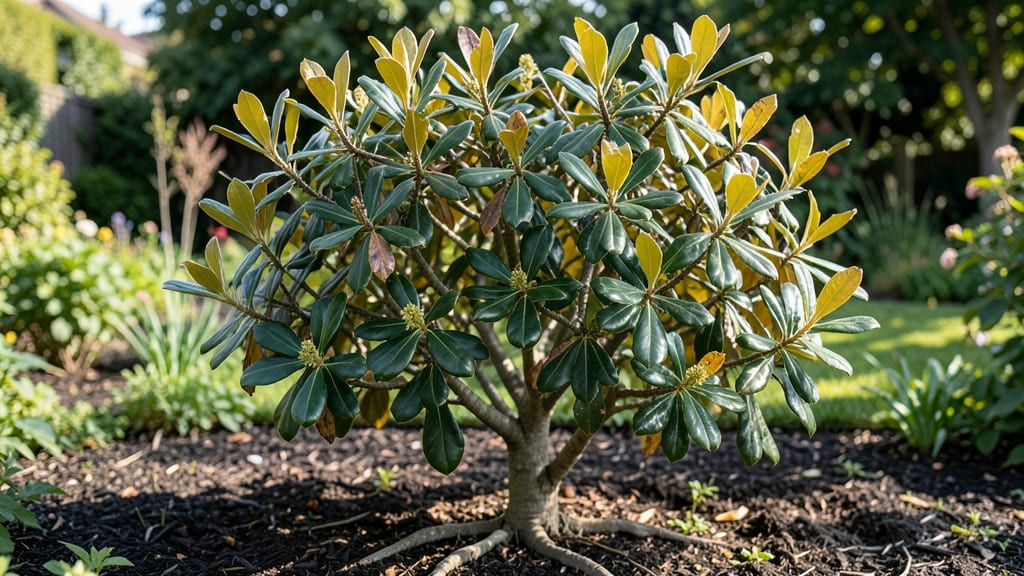
Your bay leaf tree leaves turning brown isn’t just unsightly—it’s a cry for help from your plant. 🌿 I’ve nursed back more than a few bay laurels from this exact problem, and the fix often comes down to two things: either you’re drowning the roots or starving the soil.
The good news? Most cases can be reversed in 72 hours with the right tweaks.
The most common culprits are overwatering (yellowing, mushy leaves) or underwatering (crispy edges, wilting), but fungal spots like Cercospora or spider mites can turn leaves brown too.
I’ve seen both issues in my own bay trees—once from a well-meaning neighbor who watered it daily, another time from neglect during a heatwave. The key is checking the soil first: stick your finger in 2 inches deep—if it’s soggy, cut back; if it’s dry, water deeply.
Here’s the game-changer: prune the damaged leaves immediately to stop the spread, then adjust your watering schedule to once a week (or when the top inch of soil feels dry). For fungal issues, a copper-free fungicide (like neem oil) works just as well—spray the undersides of leaves where spores hide.
Within three days, you’ll see new growth pushing through, and the brown patches will start fading.
This method works for both potted bay trees and those planted in the ground, whether you’re dealing with a single branch or the whole plant. The secret? Consistency—bay laurels hate extremes, whether it’s too much water, too little, or sudden temperature swings.
Once you nail the balance, your tree will bounce back faster than you think.
Root Causes Behind Browning Leaves
When your bay leaf tree’s leaves start turning brown, it’s often a cry for help from the plant itself. Understanding the why behind this discoloration is the first step toward reviving your tree.
Below, we break down the most common culprits—each with a clear scientific explanation and actionable insights to address them.
Bay leaf trees (Laurus nobilis) are drought-tolerant and hate soggy roots. When soil remains waterlogged, oxygen can’t reach the roots, leading to root rot—a fungal infection that strangles nutrient uptake. Brown, crispy leaves (often starting at the edges) are a classic sign.
Why it happens:
- Anaerobic conditions: Excess water displaces oxygen in the soil, creating an environment where harmful anaerobic bacteria thrive. These microbes produce toxins that damage root cells, disrupting the tree’s ability to absorb water and nutrients.
- Fungal invasion: Fungi like Phytophthora and Pythium flourish in wet soil, infecting roots and blocking vascular pathways. The tree compensates by shedding leaves to conserve energy.
- Nutrient leaching: Overwatering washes away essential minerals (e.g., potassium, magnesium) from the root zone, further stressing the plant.
Actionable fix: 🔹 Check the soil: Stick your finger 2–3 inches deep; if it’s damp, hold off on watering. Bay leaf trees prefer well-draining soil—amend heavy clay with perlite or sand. 🔹 Improve drainage: If planted in-ground, consider a raised bed or container with drainage holes. For in-ground trees, create a swale (a shallow trench) around the base to divert excess water. 🔹 Adjust watering: Water deeply once a week (or when the top 2 inches of soil are dry) and ensure the pot has drainage if potted.
Bay leaf trees thrive in partial shade, but sudden exposure to harsh sunlight—especially after a rainy spell—can cause sun scorch. Brown, papery patches on leaves (often on the upper surface) are a dead giveaway.
Why it happens:
- Photosynthesis overload: Excess light triggers an overproduction of reactive oxygen species (ROS) in leaf cells. These molecules damage chlorophyll and cell membranes, leading to browning.
- Water loss imbalance: Hot sun increases transpiration (water loss) faster than roots can replenish it. Leaves curl and dry out, turning crispy and brown at the edges.
- Temperature fluctuations: Rapid shifts (e.g., cold nights followed by scorching days) stress the tree, causing physiological drought even if soil moisture is adequate.
Actionable fix: 🔹 Provide shade cloth: Use a 30–50% shade cloth during peak sun hours (10 AM–4 PM) if the tree is in a sunny spot. Avoid full shade, as bay trees need 4–6 hours of indirect light daily. 🔹 Mulch strategically: Apply a 2–3 inch layer of organic mulch (wood chips, straw) around the base to regulate soil temperature and retain moisture. 🔹 Gradual acclimation: If moving a potted bay tree outdoors, harden it off over 7–10 days by exposing it to increasing sunlight.
Brown, spotted, or oily-looking leaves may signal a fungal or bacterial infection. Common offenders include anthracnose, leaf spot, or bacterial blight, which thrive in humid conditions.
Why it happens:
- Pathogen entry points: Fungi like Colletotrichum (anthracnose) enter through stomata (leaf pores) or wounds, while bacteria (e.g., Xanthomonas) exploit high humidity to spread via water splashes.
- Environmental triggers: Stagnant air (from poor airflow) and overhead watering create ideal conditions for spores to germinate and infect leaves.
- Weakened defenses: Stressed trees (from drought, nutrient deficiencies, or poor soil) are 3x more susceptible to infections.
Actionable fix: 🔹 Prune infected leaves: Remove and dispose of brown/spotted leaves immediately (don’t compost them). Sterilize pruners with 70% isopropyl alcohol between cuts. 🔹 Improve airflow: Thin out dense foliage or space trees 6–8 feet apart to reduce humidity around leaves. 🔹 Fungicide treatment: Apply a copper-free fungicide (e.g., neem oil or baking soda spray—1 tsp baking soda + 1 quart water + a drop of dish soap) every 7–10 days until new growth appears. 🔹 Avoid overhead watering: Use a drip irrigation system or water at the base to keep leaves dry.
Brown leaves with yellowing between veins (chlorosis) or purple stems often point to nutrient imbalances. Bay trees are particularly sensitive to magnesium, potassium, or iron deficiencies.
Why it happens:
- Magnesium deficiency: This mineral is central to chlorophyll production. Brown patches between veins (interveinal chlorosis) occur when magnesium is locked out of roots due to high soil pH (>7.0) or overwatering.
- Potassium deficiency: Leaves turn brown at the edges and tips (a condition called scorch) because potassium regulates water and nutrient transport. Stress from drought or poor soil exacerbates this.
- Iron chlorosis: Yellowing leaves with green veins indicate iron unavailability, often caused by alkaline soil (pH >7.0) or excessive lime.
- Toxicity (e.g., salt, fluoride): Brown, crispy leaves can result from over-fertilization or hard water buildup, which disrupts root function.
Actionable fix: 🔹 Test your soil: Use a home soil test kit to check pH and nutrient levels. Bay trees prefer slightly acidic to neutral soil (pH 6.0–7.0). 🔹 Amend soil:
- For low magnesium: Apply Epsom salt (1 tbsp per gallon of water, sprayed on leaves or soil).
- For alkaline soil: Mix in peat moss or sulfur to lower pH gradually.
- For potassium deficiency
Quick Fixes for Reviving Browned Leaves
If your bay leaf tree’s foliage is turning brown, don’t panic—most issues can be reversed with targeted care. Below, we break down practical, step-by-step solutions tailored to the most common causes, from overwatering to pest attacks. Each fix includes prevention tips to keep your tree lush and healthy long-term.
Signs: Yellowing leaves, brown edges, mushy stems, or roots smelling foul.
How to Fix It
- 🔥 Stop Watering Immediately
- Let the soil dry out completely before watering again. Stick your finger 2-3 inches deep—if it’s damp, wait.
- 🍳 Improve Soil Drainage
- Mix sand or perlite (1 part to 2 parts soil) into the root zone to aerate it. For potted trees, repot into a container with drainage holes.
- ⏰ Adjust Your Watering Schedule
- Bay leaf trees prefer moderate moisture—water only when the top 1-2 inches of soil feel dry. In winter, reduce watering by 50%.
💡 Prevention Tips
- Use a well-draining potting mix (avoid heavy clay).
- Never let the tree sit in standing water—ensure pots have saucers but empty them after watering.
- Mulch lightly (1-2 inches) to retain moisture without suffocating roots.
Signs: Crispy, dry brown edges, wilting leaves, or soil pulling away from pot sides.
How to Fix It
- 👨🍳 Water Deeply and Slowly
- Water until it drains from the bottom, then wait 10-15 minutes before repeating. This ensures roots absorb moisture.
- 🥘 Provide Shade Relief
- Move potted trees to a spot with morning sun and afternoon shade, especially in peak summer (10 AM–4 PM).
- Use a light shade cloth (30-50% coverage) if outdoors.
- 🌡️ Boost Humidity
- Mist leaves daily in dry climates or place the pot on a tray of pebbles with water (ensure the pot isn’t sitting in water).
💡 Prevention Tips
- Water consistently—bay trees hate moisture fluctuations.
- Avoid plastic pots in hot weather—they trap heat. Opt for terracotta or fabric grow bags.
- Mulch with straw to lock in moisture and cool roots.
Signs: Sticky residue (honeydew), tiny webs, or leaves curling with brown spots.
How to Fix It
- 🔪 Isolate the Tree
- Move it away from other plants to prevent spreading. Check nearby trees weekly.
- 🍎 Treat with Neem Oil or Insecticidal Soap
- Mix 1 tsp neem oil + 1 tsp mild soap per quart of water. Spray both sides of leaves and the stems. Repeat every 5-7 days for 2 weeks.
- 🌿 Blast Off Pests with Water
- Use a hose on gentle pressure to dislodge mites and aphids. Do this early morning for best results.
💡 Prevention Tips
- Inspect new plants before bringing them home (quarantine for 2 weeks).
- Encourage natural predators like ladybugs by planting marigolds or basil nearby.
- Wipe leaves monthly with a damp cloth to remove eggs and pests.
Signs: Torn leaves, brown patches from abrasion, or stems snapping.
How to Fix It
- 🌿 Prune Damaged Leaves
- Use clean, sharp pruners to trim browned or torn leaves at a 45-degree angle. Avoid cutting into healthy tissue.
- 🏡 Protect from Harsh Elements
- If outdoors, stake young trees or place them near a windbreak (like a fence or hedge).
- For potted trees, move them to a sheltered spot during storms.
- ✨ Fertilize for Recovery
- Apply a balanced, slow-release fertilizer (10-10-10) to help repair damaged foliage.
💡 Prevention Tips
- Avoid pruning in extreme heat—do it in early morning or evening.
- Use tree ties loosely if staking, to prevent girdling (cutting into the stem).
- Water deeply after windy days to reduce stress.
Signs: Brown spots with yellow halos, moldy soil, or leaves dropping prematurely.
How to Fix It
- 🔥 Remove Infected Parts
- Prune all browned or spotted leaves with sterilized shears (wipe with rubbing alcohol between cuts).
- 🍳 Apply Fungicide
- Use copper-free fungicide (like baking soda spray: 1 tbsp baking soda + 1 quart water + a drop of soap). Spray every 7-10 days until new growth appears.
- 🌱 Improve Airflow
- Space plants 3-5 feet apart if outdoors. For pots, avoid overcrowding.
💡 Prevention Tips
- Water at the base (avoid wetting leaves) to prevent fungal spores from spreading.
- Sterilize pruners before and after use to avoid cross-contamination.
- Avoid wetting foliage when irrigating—use drip systems instead of overhead sprinklers.
✨ Pro Tip: For all issues, a foliar feed (like seaweed extract) can boost recovery by providing quick nutrients. Apply every 2 weeks until leaves regain their glossy green hue!
Frequently asked questions
Why do bay leaf tree leaves turn brown in winter?
Winter browning often stems from low humidity or dry indoor air. Bay leaf trees thrive in 50-70% humidity, and indoor heating can drop levels below 30%, causing leaf edges to crisp. Group plants together or use a humidifier near your tree. Avoid placing it near heat vents or drafty windows.
Can I save my bay leaf tree if half the leaves are brown?
Yes! Prune the brown leaves immediately to stop nutrient drain, then focus on root health. Check soil moisture—brown leaves often signal overwatering (soggy soil) or underwatering (dry, cracked soil). Adjust watering to once a week (or when top 2 inches are dry) and amend soil with perlite for better drainage.
How do I tell if brown leaves are from pests vs. disease?
Pests like spider mites leave tiny webs or sticky residue (honeydew), while fungal diseases show yellow halos around brown spots. Inspect leaf undersides for mites or aphids. For diseases, check for moldy soil or spots with raised edges. Treat pests with neem oil; diseases need copper-free fungicide and improved airflow.
Will fertilizing help brown leaves recover?
Only if the browning is from nutrient deficiency (e.g., magnesium or potassium lack). Use a balanced fertilizer (10-10-10) or Epsom salt spray (1 tbsp/gallon) for magnesium. Avoid fertilizing if leaves are brown from overwatering or fungal issues—it can worsen root stress.
Can I use household items to fix brown leaves?
For fungal spots, mix 1 tbsp baking soda + 1 quart water + 1 drop dish soap and spray leaves. For pests, wipe leaves with a soapy cloth (1 tsp mild soap/quart water). For dryness, mist leaves daily or place the pot on a pebble tray with water (no standing water).