
Pests and Diseases
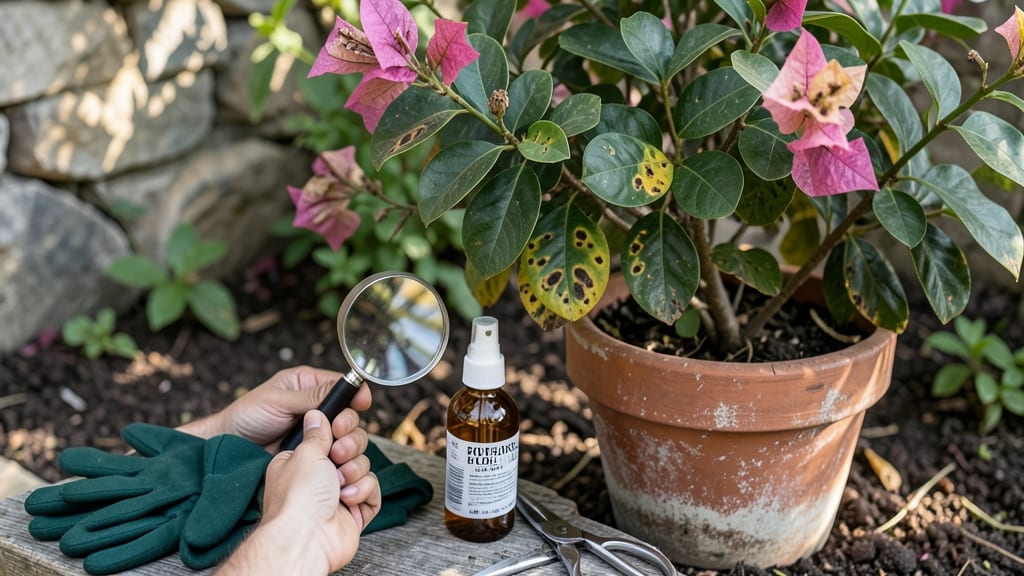
Copper spray turns your bougainvillea's leaf spot mess into a fast, 5-day fix. 🌿 I've battled this fungal nightmare for years—until I discovered the copper protocol that clears up those ugly brown spots without killing the plant's vibrant pink blooms.
The problem starts with too much moisture, whether from rain, overhead watering, or poor airflow. Fungal spores land on leaves, and before you know it, your bougainvillea looks like it's suffering from a bad sunburn—except it's worse because the spots keep spreading.
Copper spray works because it disrupts the fungus's life cycle while being safe for the plant once applied correctly. By day 3, new growth emerges spot-free, and by day 5, your bougainvillea looks revived.
The key is consistency: spray every 7-10 days during wet seasons, and always in the early morning so the leaves dry quickly. Prune affected leaves first—they're the fungus's fuel source. This method works for both indoor and outdoor bougainvilleas, and it's the secret weapon behind my neighbor-jealousy levels of blooms.
Let's get your plant back to its showstopping self!
Root Causes Of Leaf Discoloration
Bougainvillea leaf spot isn’t just a random nuisance—it’s usually a clear signal that your plant is under stress from specific environmental or biological triggers. Understanding these causes is the first step to stopping the spread and restoring your bougainvillea’s vibrant health.
Let’s break down the most common culprits behind those unsightly brown or black spots on the leaves.
Fungal pathogens are the #1 cause of leaf spot diseases in bougainvillea, thriving in warm, humid conditions. The most common offenders include:
- Alternaria spp. – This fungus creates dark, concentric ring spots (often with a yellow halo) and thrives in high humidity or overhead watering. It’s particularly aggressive in tropical climates or greenhouses where airflow is poor.
- Cercospora spp. – Known for causing target spot, this fungus produces small, angular brown spots with gray centers. It spreads rapidly in wet foliage, especially during monsoon seasons or frequent misting.
- Phyllosticta spp. – Produces tiny, black, pinpoint spots that may enlarge and turn grayish. It often appears after prolonged leaf wetness, such as during rainy spells or improper irrigation.
Why it happens: Fungal spores land on leaves, germinate in moisture, and penetrate through stomata (tiny leaf pores) or wounds. Poor air circulation, dense foliage, and high humidity create the perfect breeding ground. Pro tip: 💡 Fungi love dampness—if your bougainvillea’s leaves stay wet for more than 6 hours, you’re rolling out the welcome mat.
Bougainvillea is a drought-tolerant plant, and when it gets too much water, the roots suffocate, leading to stress that weakens the plant’s defenses. This stress makes it highly susceptible to fungal infections.
- Waterlogged soil – Compacted or poorly draining soil traps excess moisture at the roots, creating anaerobic conditions. This forces the plant to transpire more (release water through leaves), leaving them damp longer and inviting fungal spores.
- Frequent overhead watering – Splashing water onto leaves (especially in the evening) keeps them wet overnight, giving fungi a 24-hour buffet. Bougainvillea’s thin leaves are particularly vulnerable to prolonged moisture.
- Lack of mulch – Without a 2–3 inch layer of organic mulch (like bark or straw), soil stays cooler and wetter longer, slowing evaporation and promoting fungal growth.
Why it happens: Overwatering disrupts the plant’s natural balance, reducing its ability to produce antifungal compounds. The result? Weakened leaves become an all-you-can-eat buffet for pathogens. Pro tip: 🌡️ Stick your finger in the soil—if the top 2 inches are dry, it’s time to water. If it’s soggy, wait.
When bougainvillea lacks essential nutrients, its immune system weakens, making it an easy target for diseases. The most critical deficiencies linked to leaf spot include:
| Nutrient | Symptoms | Why It Leads to Leaf Spot |
|---|---|---|
| Nitrogen (N) | Pale, yellowing leaves (chlorosis), stunted growth | Nitrogen is vital for cell repair and disease resistance. A deficiency reduces the plant’s ability to produce callose (a protective compound that seals off fungal entry points). |
| Potassium (K) | Brown, dead spots along leaf edges (marginal scorch) | Potassium regulates stomatal closure and osmotic balance. Without it, leaves can’t properly expel excess water, staying damp longer and inviting fungal infections. |
| Calcium (Ca) | Blossom-end rot (on new growth), weak cell walls | Calcium strengthens cell membranes. A deficiency leads to plasmolysis (cell collapse), making leaves more permeable to fungal penetration. |
| Magnesium (Mg) | Interveinal yellowing (chlorosis between veins) | Magnesium is central to chlorophyll production. Without it, leaves can’t photosynthesize efficiently, weakening the plant’s overall vigor and disease resistance. |
Why it happens: Stress from poor nutrition creates entry points for fungi. For example, potassium-deficient leaves can’t regulate moisture, while nitrogen-starved plants lack the energy to fight off invaders. Pro tip: ✨ Test your soil every 2–3 years—bougainvillea thrives in slightly acidic to neutral soil (pH 6.0–7.0). Amend with compost or a balanced fertilizer (like 10-10-10) if levels are low.
Bougainvillea loves the sun, but intense heat combined with high humidity creates the perfect storm for fungal leaf spot. Here’s how:
- High temperatures (above 90°F/32°C) – Heat accelerates fungal spore germination and growth. Fungi like Alternaria and Cercospora thrive in these conditions, especially when coupled with stagnant air.
- Poor air circulation – Dense foliage or crowded plants trap moisture, creating microclimates with 100% humidity. Fungal spores love this environment and spread faster.
- Sudden temperature swings – Moving bougainvillea from a cool indoor space to a hot, humid outdoor area can shock the plant, weakening its cuticle (the waxy leaf coating) and making it easier for fungi to invade.
Why it happens: Heat stress increases transpiration rates, causing leaves to release moisture rapidly. If humidity is high, this moisture doesn’t evaporate—it lingers, creating a fungal paradise. Pro tip: 🌡️ If your bougainvillea is outdoors, position it where it gets morning sun and afternoon shade in extreme heat. Use a fan on low to improve airflow if growing in containers.
Wounds from pests, pruning, or hail create open doors for fungal infections. Common culprits include:
- Thrips and spider mites – These pests chew on leaf tissue, creating tiny wounds that fungi like Phyllosticta can exploit.
- Scale insects – Their sticky honeydew attracts sooty mold, which weakens leaves and blocks sunlight, stressing the plant.
- Improper pruning – Cutting too close to the stem or using dull tools can leave jagged edges, slowing healing and inviting infections.
- Hail or wind damage – Physical trauma ruptures the leaf cuticle, making it easier for spores to penetrate.
Why it happens: Every wound is a highway for fungal spores. Once inside, pathogens multiply rapidly in the damaged tissue. Pro tip: 🔥 After pruning, sterilize your shears with rubbing alcohol and seal cuts with a copper-based fungicide to prevent infections.
Quick Fixes for Fungal Leaf Troubles
Fungal leaf spots on your bougainvillea can feel like a frustrating setback, but with the right approach, you can revive your plant and prevent future outbreaks. Below are targeted solutions based on the most common causes—fungal infections, environmental stress, or poor care—and how to address them effectively.
If leaf spots are dark, spreading, or accompanied by yellowing, a fungal infection like anthracnose or alternaria is likely the culprit. Copper-based fungicides are your best defense because they disrupt fungal cell walls without harming the plant.
🔥 Step-by-Step Copper Spray Treatment:
- Choose the Right Spray:
- Use a copper fungicide (e.g., copper sulfate, copper hydroxide, or Bordeaux mixture).
- Opt for a ready-to-use liquid for convenience or mix a copper sulfate solution (1 tsp per gallon of water).
- Pro Tip: 💡 Avoid copper sprays if your soil is already copper-rich—test first or alternate with organic options like neem oil.
- Apply at the Right Time:
- Spray early in the morning or late afternoon to avoid leaf burn from direct sunlight.
- Focus on both sides of leaves, stems, and even the soil around the base (fungal spores lurk there too!).
- Reapply Preventively:
- Treat every 7–10 days until new growth appears spot-free.
- For severe cases, repeat 3–4 times over 3–4 weeks.
- Clean Up Debris:
- Remove infected leaves (wear gloves!) and dispose of them in the trash (not compost).
- Prune back dead or heavily spotted branches to improve airflow.
✨ Prevention Tip:
- Space plants 3–4 feet apart to reduce humidity and airflow issues.
- Water at the base (avoid overhead spraying) and water early in the day so leaves dry quickly.
If spots appear brown, crispy, or sunken (not fuzzy or slimy), your bougainvillea may be suffering from sun scorch or heat stress, especially in hot climates.
👨🍳 How to Cool Down Your Plant:
- Provide Afternoon Shade:
- Move potted bougainvillea to a shadier spot (east-facing or dappled light) during peak sun hours (11 AM–3 PM).
- Use a lightweight shade cloth (30–50%) if outdoor planting is unavoidable.
- Hydrate Deeply but Less Often:
- Water deeply 2–3 times per week (check soil moisture 2 inches down—if dry, water).
- Avoid shallow, frequent watering, which stresses roots and invites fungal secondary infections.
- Mulch to Retain Moisture:
- Apply 2–3 inches of organic mulch (straw, wood chips) around the base to keep roots cool and hydrated.
🎯 Pro Tip:
- Mist leaves lightly in extreme heat (early morning only) to help them cool down, but avoid soggy conditions.
Yellowish, water-soaked spots with soft, mushy leaves? Your bougainvillea is likely overwatered or sitting in soggy soil, inviting fungal growth.
🔪 Emergency Drainage Solutions:
- Check the Soil:
- Stick your finger 2 inches deep—if it’s damp, wait before watering.
- If the pot feels heavy with water, empty excess from the saucer.
- Improve Pot Drainage:
- Add perlite or coarse sand to the soil mix (aim for 60% potting soil, 30% perlite, 10% compost).
- Drill drainage holes in the bottom of pots if missing.
- Repot if Necessary:
- If roots are rotting or circling, repot into a clean, well-draining mix and trim away mushy roots with sterilized scissors.
🌡️ Prevention Tip:
- Use terracotta pots (they dry faster than plastic) and avoid saucers unless they have drainage holes.
Prevent future outbreaks with proactive care:
- Fertilize lightly with a balanced 10-10-10 or bloom booster (too much nitrogen weakens defenses).
- Prune for airflow—trim back dense growth to reduce humidity pockets.
- Rotate pots occasionally to ensure even sun exposure.
- Monitor nearby plants—fungal spores spread quickly, so quarantine new plants for 2 weeks.
Final Reminder: 📊 Act fast—fungal spots spread within days. Copper sprays work best on early-stage infections, while environmental fixes (shade, drainage) prevent recurrence. With consistent care, your bougainvillea will bounce back with vibrant, spot-free blooms!
Frequently asked questions
What do bougainvillea leaf spots look like?
Leaf spots on bougainvillea typically appear as brown or black marks with irregular shapes, often surrounded by yellow halos. Some spots may have concentric rings (like target spots) or tiny black dots. Severe cases show crispy, dead patches or soft, water-soaked areas. Check both leaf surfaces—the undersides often show signs first.
Can I save my bougainvillea if it has leaf spots?
Yes! With early action, you can fully recover your plant. Start by removing infected leaves and applying a copper fungicide spray every 7–10 days. Improve airflow by pruning dense growth and watering only at the base. Most bougainvilleas bounce back within 3–4 weeks if treated promptly—just don’t let the spots spread to new leaves.
Why does my bougainvillea keep getting leaf spots even after treatment?
Persistent spots usually mean fungal spores are still thriving due to poor growing conditions. Double-check these common culprits: overhead watering (keeps leaves wet), crowded plants (traps humidity), or compacted soil (poor drainage). Also, fungi like Alternaria can become resistant—rotate between copper fungicide and neem oil for better results.
Is it safe to use copper spray on bougainvillea flowers?
Copper sprays are safe for bougainvillea flowers when used correctly, but avoid spraying directly on blooms to prevent discoloration. Focus on leaves and stems, and apply in the early morning so the solution dries before afternoon sun. For extra protection, use a lightweight spray shield (like a paper cone) when treating flowering branches.
How can I prevent leaf spots before they start?
Prevention is all about reducing moisture and improving airflow. Water only at the base (never overhead), space plants 3–4 feet apart, and prune to open up the center. Use mulch to keep roots cool, and apply a preventive copper spray every 4–6 weeks during humid seasons. Healthy soil (pH 6.0–7.0) and balanced fertilizer also boost resistance.