
Pests and Diseases
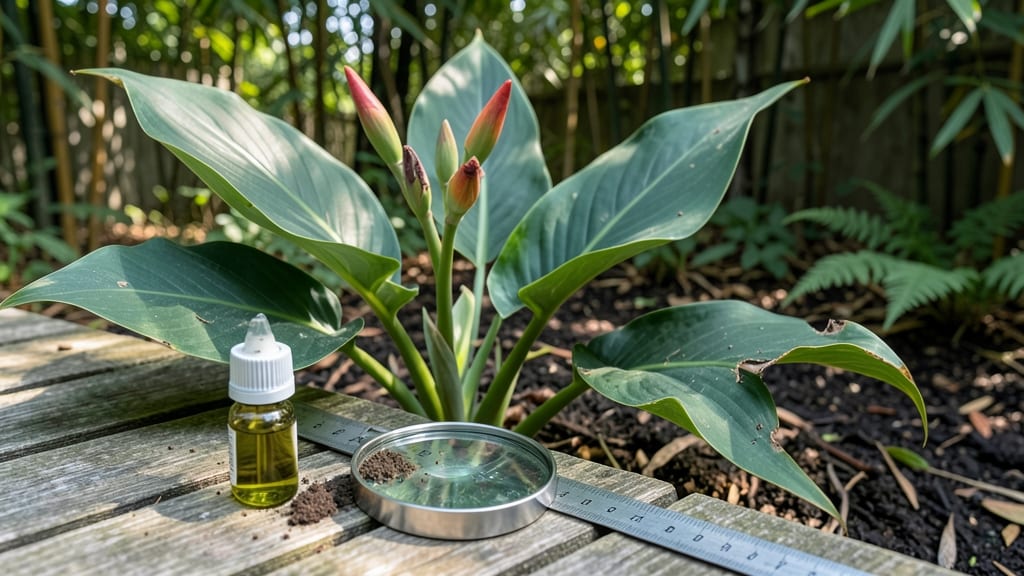
Noticing the leaf roller on your cannas?
Those tiny rolled leaves are a dead giveaway for canna leaf rollers—tiny caterpillars that can strip your plants bare if left unchecked. 🌿 I’ve battled these pests in my own garden, and the key to stopping them lies in early action and working with nature, not against it.
The first clue is leaves curled into tight tubes, often with webbing or tiny black droppings (frass). These caterpillars hatch from eggs laid on the undersides of leaves, and within weeks, they’ll devour your cannas from the inside out.
But here’s the good news: natural predators like parasitic wasps and lacewings can handle the job if you give them a fighting chance.
By introducing beneficial insects and practicing good garden hygiene—like removing rolled leaves and debris—you’ll create an environment where these pests struggle to survive. The result? Healthier cannas with fewer chewed leaves and more vibrant blooms, all without harsh chemicals.
This strategy works year-round, whether you’re dealing with a small infestation or trying to prevent one before it starts. Let’s get your cannas back to their full, lush glory—naturally.
📚 In This Guide
- What you need
- Instructions
- Tips and common mistakes
- Wrapping up and next steps
What you need
- ● Magnifying glass (10x magnification recommended for close inspection of larvae and eggs)
- ● Pruning shears (sharp, sterilized for cutting infested leaves)
- ● White sticky traps (2-3 traps per 100 sq. ft. of garden area)
- ● Pheromone lures (specific to canna leaf roller moths, 1-2 per acre or large garden)
- ● Neem oil or insecticidal soap (organic, for spot-treatment if needed)
- ● Spray bottle (8 oz, for applying neem oil or soap)
- ● Gloves (nitrile or latex, for handling plants and pests safely)
- ● Notebook & pen (to track infestation progress and treatment dates)
- ● Beneficial nematodes (e.g., Steinernema carpocapsae, for soil-dwelling larvae)
- ● Ladybugs or parasitic wasps (natural predators, available at garden centers)
- ● UV flashlight (for nighttime inspections of adult moths)
- ● Garden twine or mesh netting (to protect young canna plants)
- ● Camera or smartphone (for documenting infestations before/after treatment)
How to spot and manage canna leaf roller infestations naturally
Here’s the simple, early-action plan I use to keep my cannas thriving without harsh chemicals.
🌿 Step 1: Scout for Early Signs of Damage
Inspect your canna leaves weekly, focusing on the undersides where leaf rollers hide. Look for rolled or curled leaves—this is their first telltale sign. You’ll also spot tiny, dark green or brown frass (insect droppings) along the edges of the rolls. Check stems too; sawdust-like frass there means larvae are feeding inside.
Morning is the best time to scout, as dew keeps pests sluggish and easier to spot. If you find just a few rolled leaves, act fast—these pests multiply quickly. I always check the youngest leaves first; they’re the most vulnerable and show damage earliest.
🌱 Step 2: Hand-Pick Infested Leaves and Larvae
Grab a pair of sharp scissors or pruning shears and snip off any curled leaves you find. Drop them into a bucket of soapy water to drown the larvae. For stubborn rolls, gently unroll the leaf to check for caterpillars—if you see them, squish or drop them in the soapy water immediately.
Wear gloves for this step; some gardeners get skin irritation from the frass. Don’t compost the infested leaves—toss them in the trash instead. I like to do this in the early morning when the pests are least active and the air is cool.
☀️ Step 3: Attract Natural Predators to Your Garden
Plant nectar-rich flowers like marigolds, dill, or fennel near your cannas to lure beneficial insects like parasitic wasps and ladybugs. These predators feast on leaf roller eggs and larvae. I also leave some leaf litter around the base of my cannas—it provides shelter for ground beetles, which eat the pupae.
Water your plants in the morning so the foliage dries quickly. Wet leaves attract fungal diseases, but dry leaves are safer for predator insects to patrol. If you see lacewings or minute pirate bugs (tiny, black with long legs) in your garden, you’re on the right track—they’re voracious leaf roller hunters.
💧 Step 4: Apply Organic Sprays as a Last Resort
If the infestation spreads despite your efforts, mix 1 tablespoon of neem oil with 1 teaspoon of dish soap in a quart of water. Spray the undersides of leaves thoroughly, focusing on curled areas. Neem disrupts the leaf rollers’ feeding and growth, but it’s most effective when applied in the evening to avoid harming bees.
Reapply every 5-7 days until new damage stops appearing. I always spray early in the morning or late evening to protect pollinators. Avoid spraying if rain is forecast within 24 hours—it’ll wash the treatment away before it works.
⏰ Step 5: Monitor and Prevent Future Outbreaks
After treating, keep scouting your cannas every 3-5 days for new signs of damage. Remove any fresh rolls immediately—they’re likely harboring eggs or young larvae. I also mulch around my cannas with 2-3 inches of shredded leaves to deter adult moths from laying eggs in the soil.
Rotate your scouting schedule to cover all parts of the plant, not just the tops. Healthy cannas with strong growth are less appealing to leaf rollers, so fertilize lightly with balanced organic fertilizer (like 10-10-10) in early spring to boost their resilience. Over-fertilizing makes them soft and more susceptible, though!
Tips & tricks for managing canna leaf roller infestations
These practical strategies will help you catch leaf roller damage early and protect your cannas without chemicals.
Timing is Everything: The weekly inspection in Step 1 is non-negotiable—leaf rollers can go from a few curled leaves to a full-blown infestation in just 7-10 days. I've seen cannas go from healthy to skeletonized in two weeks if you miss those early signs. Focus on the youngest leaves first; they're the most vulnerable and show damage earliest, giving you more time to act.
Soapy Water Secret: When you drop those infested leaves into soapy water in Step 2, make sure it's a strong solution—1 tablespoon of dish soap per gallon of water. The soap breaks down the larvae's protective wax layer, ensuring they drown faster. I keep a dedicated bucket with this mixture ready during leaf roller season to make quick work of any fresh infestations.
Predator Magnet Plants: The flowers you plant in Step 3 don't just lure predators—they create a mini ecosystem. Marigolds, in particular, repel many garden pests while attracting beneficial insects. I plant them in a circle around my cannas, creating a protective barrier. Just be sure to plant them at least 12 inches away from your cannas to avoid competition for nutrients.
Neem Oil Application: When you mix the neem oil in Step 4, shake the spray bottle vigorously before each use—the oil tends to separate. Apply it when the leaves are dry (after morning dew has evaporated) for maximum effectiveness. I've found that adding a few drops of vegetable oil to the mix helps it stick better to the leaves, increasing its effectiveness against the larvae.
Pro Tips for Canna Leaf Roller
- These practical strategies will help you catch leaf roller damage early and protect your cannas without chemicals.
- Timing is Everything: The weekly inspection in Step 1 is non-negotiable—leaf rollers can go from a few curled leaves to a full-blown infestation in just 7-10 days.
- Soapy Water Secret: When you drop those infested leaves into soapy water in Step 2, make sure it's a strong solution—1 tablespoon of dish soap per gallon of water.
Frequently asked questions
Got questions about the canna leaf roller? You’re not alone!
Here are some of the most common concerns—and practical answers—to help you tackle this pest like a pro.
What does canna leaf roller damage look like, and how can I confirm it’s the culprit?
The canna leaf roller causes distinctive rolled or folded leaves that may appear silvery or brownish inside. Look for frass (insect droppings) and tiny, translucent caterpillars when you unroll the leaves. If you spot these signs, it’s likely a leaf roller—no microscope needed!
When is the best time to treat canna leaf rollers for maximum effectiveness?
Act early—as soon as you spot rolled leaves! These pests thrive in late spring to early summer, so monitor your plants weekly during this window. Early intervention prevents larvae from maturing into moths, reducing future infestations. Pro tip: Check undersides of leaves first!
Are there natural predators I can attract to control canna leaf rollers?
Parasitic wasps
(like Trichogramma) and ladybugs are voracious leaf roller hunters. Plant dill, fennel, or yarrow nearby to attract beneficial insects. Release BT (Bacillus thuringiensis) spores—safe for plants but deadly to caterpillars—when you spot eggs or young larvae.
What’s the fastest way to remove canna leaf rollers without chemicals?
Handpick larvae by unrolling leaves and dropping them into soapy water. For heavy infestations, prune and destroy severely damaged foliage (don’t compost!). Neem oil (applied at dusk) can also disrupt their life cycle. Consistency is key—repeat treatments every 5–7 days for best results.
Will canna leaf rollers spread to other plants in my garden?
Yes, they can! These moths are opportunistic and may target canna lilies, hibiscus, or even vegetables like tomatoes. Isolate infested plants and quarantine new additions for a few weeks. Regularly inspect nearby foliage to catch outbreaks early and prevent garden-wide chaos.
Wrapping up and next steps
Early detection and natural predator strategies are your best allies in managing canna leaf roller infestations. By staying vigilant, using pheromone traps, and encouraging beneficial insects like parasitic wasps, you can protect your plants without harsh chemicals. You’ve got this! 🌱
Ready to take action? Start by inspecting your garden weekly and set up traps in high-risk areas. Small steps today can save your cannas—and your sanity—tomorrow!