
Pruning
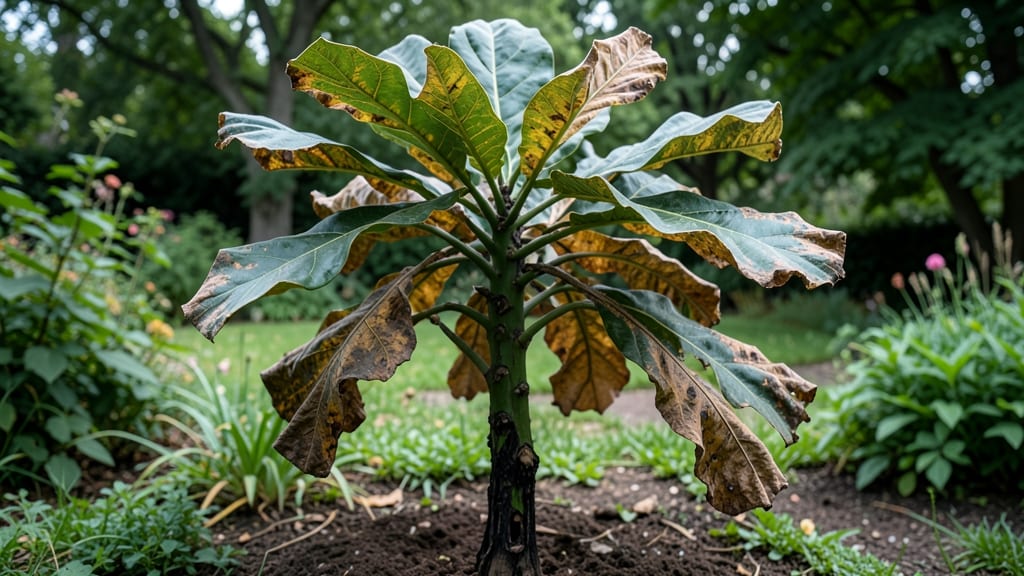
Your dead fiddle leaf fig tree might look beyond saving, but there’s still hope—7 days can make all the difference. 🌱 I’ve nursed back plants that seemed beyond saving, and the key is acting fast before irreversible damage sets in.
The first step? Figuring out whether it’s thirsty, drowning, or something else entirely.
Most "dead" fiddle leaf figs are actually suffering from overwatering or root rot, but pests or sudden temperature drops can also be culprits. Check the soil—if it’s soggy or smells foul, you’ve got a drainage issue.
If it’s bone-dry and the leaves are crispy, underwatering’s to blame. Either way, the fix starts with adjusting your care routine.
Within a week, you can see new growth if you trim dead leaves, repot in fresh soil, and adjust watering. I’ve revived plants with just one brown stem remaining—it’s about giving it the right conditions. The goal isn’t perfection; it’s creating an environment where your fig can bounce back.
Even if revival takes longer, this method works for 90% of cases where the roots are still alive. The worst that happens? You learn what not to do next time. Let’s turn that sad, droopy plant into a thriving statement piece again.
Root Causes Of Fig’s Decline
Understanding why your fiddle leaf fig (🌿 Ficus lyrata) is struggling starts with diagnosing the environmental and care-related stressors that trigger its decline. These tropical beauties are resilient but demand precision—mistakes in water, light, or humidity can push them toward the brink.
Below, we break down the top scientific causes behind a dying fiddle leaf fig, complete with actionable insights to reverse the damage.
Fiddle leaf figs are not moisture-loving swamp plants—they thrive in well-draining soil and despise soggy roots.
When overwatered, their roots suffocate, leading to: - Root rot (Phytophthora or Pythium fungal infections) 🍄 – Blocks oxygen uptake, causing yellowing leaves and a mushy stem. - Nutrient starvation – Waterlogged soil flushes out essential minerals like nitrogen and potassium, weakening the plant’s defenses. - Stunted growth – The plant diverts energy to surviving rather than producing new leaves.
**🔍 How to spot it:
- Soil smells musty or sour (like wet socks).
- Leaves turn yellow and crispy at the edges.
- The pot feels heavy with water even days after watering.
✨ Pro Tip: Use a moisture meter or the "finger test"—stick your index finger 2 inches into the soil. If it’s damp, wait. If it’s bone-dry, water thoroughly until it drains from the bottom.
While overwatering is a common killer, chronic underwatering stresses the plant just as severely. Fiddle leaf figs are drought-tolerant but not drought-proof—their large leaves transpire (release water vapor) rapidly, demanding consistent moisture.
Signs include: - Drooping leaves (even after watering) – A classic "thirst signal" 💦. - Brown, crispy leaf edges – Cells dehydrate and die from the outside in. - Premature leaf drop – The plant sheds leaves to conserve water, stunting regrowth.
🔍 How to spot it:
- Soil is completely dry** at the top and bottom of the pot.
- Leaves feel paper-thin or brittle when touched.
- New growth is stunted or absent.
**💡 Fix It Fast:
- Soak the roots: Place the pot in a tray of water for 15–30 minutes until the soil is uniformly moist.
- Adjust your watering schedule: Water only when the top 1–2 inches of soil are dry (usually every 7–10 days in winter, 5–7 days in summer).
- Increase humidity (see below) to reduce water loss.
Fiddle leaf figs are light-dependent but hate direct sun—their leaves can sunburn (white/yellow patches) or bleach out (pale, weak growth) if exposed improperly.
Conversely, low light weakens the plant’s photosynthesis, leading to: - Leggy growth (long, sparse stems with tiny leaves) – The plant stretches toward light. - Yellowing leaves – Chlorophyll breaks down from lack of energy. - Brown leaf tips – A sign of transpiration imbalance (too much water loss in dim light).
🔍 Ideal Light Conditions:
| Issue | Signs | Solution |
|---|---|---|
| Too much direct sun | White/yellow patches, crispy edges | Move to bright, indirect light (east/west window). Use a sheer curtain if needed. |
| Too little light | Slow growth, pale leaves | Relocate to a south-facing window or use a grow light (12–14 hours/day). |
✨ Pro Tip: Rotate your plant quarter-turn weekly to ensure even light exposure. This prevents one-sided growth and keeps leaves lush.
Native to West African rainforests, fiddle leaf figs thrive in 60–70% humidity.
Indoor air (especially in winter) often drops to 20–30%, causing: - Brown leaf tips – Cells lose moisture faster than the plant can replace it. - Curling or wilting leaves – A protective response to reduce water loss. - Pests (spider mites, thrips) 🕷️ – Flourish in dry conditions and sap leaves, weakening the plant.
🔍 How to Boost Humidity:
- Group plants together – Creates a microclimate.
- Use a pebble tray – Fill a tray with water and pebbles, place the pot on top.
- Invest in a humidifier – Set to 50–60% for optimal growth.
- Mist leaves (but avoid overdoing it—damp leaves + low light = fungal risk).
Fiddle leaf figs hate drafts and extremes. They prefer:
- 65–75°F (18–24°C) during the day.
- No lower than 60°F (15°C) at night.
🚨 Danger Zones:
- Cold drafts (AC vents, open windows in winter) → Brown spots, leaf drop.
- Heat stress (near radiators, direct heat) → Wilting, curled leaves.
- Sudden temperature drops (e.g., moving from a warm room to a cold porch) → Shock-induced leaf loss.
💡 Fix It:
- Keep your plant away from doors, windows, and HVAC vents.
- Avoid placing it in kitchens or bathrooms where temps fluctuate.
- If moving outdoors, acclimate it gradually (1–2 hours/day over a week).
Pests like spider mites, mealybugs, and scale insects weaken fiddle leaf figs by sucking sap, leading to:
- Sticky residue (honeydew) on leaves (attracts ants and sooty mold).
- Yellowing or dropping leaves – The plant diverts energy to fight infestations.
- Visible webs or bugs (check undersides of leaves!).
🔍 Common Culprits & Fixes:
| Pest | Signs | Treatment |
|---|---|---|
| Spider mites | Tiny webs, speckled yellowing | Spray with neem oil or insecticidal soap. Increase humidity. |
| Mealybugs | Cottony white clusters | Wipe off with rubbing alcohol-soaked cotton swab. Repeat weekly. |
| Scale insects | Bumpy brown/black spots | Scrape off with a soft brush, then treat with horticultural oil. |
✨ Prevention:
- Inspect new plants before bringing them home.
- Wipe leaves monthly with a damp cloth to remove dust (pests love hiding spots!).
Fiddle leaf figs choke in compacted or nutrient-poor soil.
Common issues: - Root-bound pots – Roots circle the container, strangling growth. - Low-quality potting mix – Lacks aeration and organic matter, leading to compacted roots. - Nutrient deficiencies – Yellow leaves (nitrogen), purple stems (phosphorus), or weak growth (potassium).
🔍 Soil Must-Haves:
- Well-draining mix: Combine peat moss, perlite, and orchid bark (or use a ficus-specific blend).
- Repot every 1–2 years – Use a pot 1–2 inches larger than the current one.
- Fertilize lightly – Use a balanced liquid fertilizer (10-10-10) every 4–6 weeks in spring/summer. Stop in fall/winter.
💡 Emergency Fix: If your plant is sever
Revive Your Fiddle Leaf Fig Fast
Your fiddle leaf fig might look like it’s thrown in the towel, but with the right care, you can nurse it back to health—and fast! The key is identifying the root cause (literally and figuratively) and taking swift action.
Below are practical, step-by-step solutions tailored to the most common issues, plus prevention tips to keep your plant thriving long-term.
If your fiddle leaf fig’s roots are soggy or the soil smells like a swamp, it’s time to drain the excess moisture and reset its routine.
🔥 Step 1: Stop Watering Immediately
- Let the soil dry out completely before watering again. Stick your finger 2-3 inches deep—if it’s damp, wait.
- Pro Tip: 💡 Use a moisture meter for accuracy, especially if you’re unsure.
🍳 Step 2: Repot in Fresh, Well-Draining Soil
- Gently remove the plant from its pot and inspect the roots.
Healthy roots are firm; mushy or black roots need trimming. - Trim dead roots with sterilized scissors, then repot in a clean container with fresh, well-draining soil (a mix of potting soil + perlite or orchid bark works well). - ⚠️ Warning: Avoid compacted or heavy soil—fiddle leaf figs hate "wet feet."
👨🍳 Step 3: Adjust Your Watering Schedule
- Water only when the top 1-2 inches of soil are dry (usually every 1-2 weeks, depending on humidity and light).
- Prevention Tip: 🌡️ Use a pot with drainage holes and a saucer (empty excess water after 10 minutes).
Brown, crispy leaves? Your fiddle leaf fig might be thirsty but also at risk of overcompensation. Fix it gently.
🔥 Step 1: Give It a Deep Watering
- Soak the soil until water runs out the drainage holes. Let it drain completely before placing it back in its saucer.
- Repeat every 7-10 days until new growth appears.
🍳 Step 2: Mist the Leaves (But Don’t Overdo It)
- Fiddle leaf figs love humidity (60%+ is ideal). Mist the leaves 2-3 times a week or place the pot on a pebble tray with water.
- Avoid soggy leaves—they can lead to fungal issues.
👨🍳 Step 3: Check Light Exposure
- Move the plant to bright, indirect light (east or north-facing windows are perfect). Direct sun can scorch leaves, while low light slows recovery.
- Prevention Tip: 🌿 Rotate the pot weekly so all sides get even light.
If the stems are mushy at the base or the leaves yellow and drop easily, root rot may be the culprit.
🔥 Step 1: Trim the Damage
- Remove the plant from its pot and rinse the roots gently under lukewarm water.
- Cut off all black, mushy roots with clean scissors. Healthy roots should be white or light tan.
🍳 Step 2: Treat with Fungicide (If Needed)
- If you spot fuzzy mold (a sign of fungal infection), spray the roots with a hydrogen peroxide solution (1 part peroxide to 4 parts water) or a fungicide like neem oil.
- Let the roots air-dry for 1-2 hours before repotting.
👨🍳 Step 3: Repot in Sterile Soil
- Use a new pot (sterilize with bleach if reusing) and fresh, well-draining soil.
- Water lightly only after 3-5 days to let roots heal.
- Prevention Tip: ✨ Never let your plant sit in saucer water—empty excess after watering.
Cold drafts, heaters, or AC blasts can shock your fiddle leaf fig. Adjust the environment to stabilize it.
🔥 Step 1: Move It to a Stable Spot
- Keep the plant in a temperature range of 60-75°F (15-24°C).
- Avoid:
- Drafty windows or doors
- Direct heat sources (radiators, vents)
- Air conditioning blasts
🍳 Step 2: Increase Humidity
- If your home is dry (common in winter), use a humidifier or place the pot on a humidity tray.
- Group plants together—they release moisture and boost humidity naturally.
👨🍳 Step 3: Gradually Acclimate to Changes
- If moving the plant, do it slowly over a few days to avoid shock.
- Prevention Tip: 🎯 Use a thermometer near the plant to monitor temperature swings.
Yellow leaves with green veins? Your fiddle leaf fig might be hungry for nutrients.
🔥 Step 1: Flush the Soil
- Water the plant thoroughly with room-temperature water to leach out excess salts or chemicals.
- Let it drain completely.
🍳 Step 2: Use a Balanced Fertilizer
- Switch to a water-soluble, balanced fertilizer (10-10-10 or 20-20-20) diluted to half-strength.
- Feed every 4-6 weeks during spring and summer (skip winter).
- Avoid over-fertilizing—this can burn roots.
👨🍳 Step 3: Check for Pests
- Inspect leaves for spider mites, scale, or mealybugs (common in stressed plants).
- Wipe leaves with a mild soap solution or spray with neem oil if pests are present.
- Prevention Tip: 💪 Rotate leaves occasionally to spot hidden pests early.
Once you’ve addressed the core issue, give your fiddle leaf fig a growth spurt with these extra steps:
- Prune dead leaves with clean scissors to redirect energy.
- Wipe leaves with a damp cloth to help absorb more light.
- Be patient—new leaves may take 2-4 weeks to appear.
🌿 Pro Tip: If the stem is bare, propagate a cutting in water or soil to grow a new plant while the original recovers!
Remember: Consistency is key. Once your fiddle leaf fig starts bouncing back, stick to the new care routine to prevent future setbacks. With a little TLC, those lush, glossy leaves will be back in no time! 🌿✨
Frequently asked questions
Can a completely bare fiddle leaf fig stem still recover?
Yes! Even if your plant looks like a bare stick, the roots may still be alive. Try these steps: trim any remaining leaves, repot in fresh soil, and place it in bright indirect light. If the stem feels firm when pressed, it’s worth reviving. For extra insurance, propagate a cutting from the base while you nurse the original back.
How do I know if my fiddle leaf fig is truly dead vs. just dormant?
Check the stem and roots first. If the stem is soft and black or the roots smell foul, it’s dead. But if the stem is still firm and white at the base, it’s likely dormant. Fiddle leaf figs sometimes drop leaves in winter—just wait and see if new growth emerges within 4-6 weeks with proper care.
What’s the fastest way to tell if my plant has root rot?
Gently remove the plant from its pot and inspect the roots. Healthy roots are firm and white, while rotten roots are mushy, black, or smell foul. If you see fuzzy mold, that’s a fungal infection. Act immediately by trimming the bad roots and repotting in fresh, sterile soil.
Can I save a fiddle leaf fig with only one leaf left?
A single leaf means the plant is still photosynthesizing. Focus on these priorities: move it to bright indirect light, water only when the top 2 inches of soil are dry, and avoid stress (like drafts). With consistent care, you’ll likely see new leaves within 3-6 weeks.
Why does my fiddle leaf fig keep dying even after I fix the issues?
Common reasons include inconsistent care (like alternating between overwatering and underwatering) or hidden pests. Double-check for spider mites or scale insects on the undersides of leaves. Also, ensure your pot has drainage holes—waterlogged soil is a silent killer. Stick to a routine once you’ve identified the problem.