
Pruning
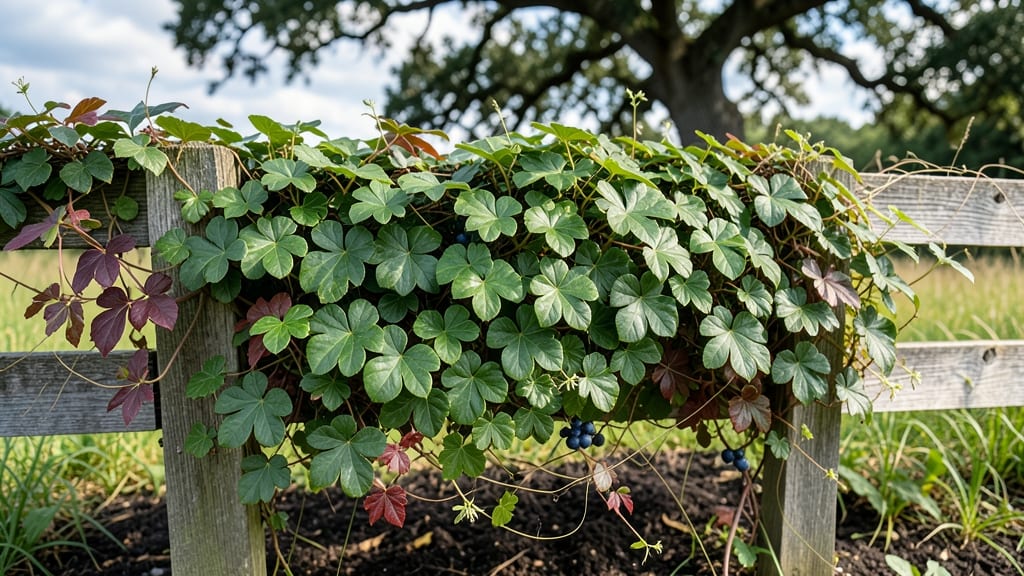
That five-leaf vine creeping up your tree isn't just unsightly—it could be poison ivy, and dealing with it wrong means more work later. 🌿 I've spent years wrestling with these invasive climbers, and the first mistake is assuming you can just pull them. That's how they come back stronger.
The key is cutting at the base—not just the leaves—while wearing long sleeves and gloves. Use vinegar or a commercial herbicide for stubborn roots, and time your pruning for early spring before new growth starts. I've seen vines disappear completely when done right, but only if you're thorough.
You'll end up with a cleaner tree, fewer allergic reactions, and no regrowth if you hit those roots. The vinegar method works best for small patches, while larger infestations need a targeted herbicide application. Just don't spray near desirable plants.
This works for any tree type, from oaks to maples, and the same principles apply to other toxic vines like poison oak. Safety first—always confirm the plant before treating, and keep kids and pets away during application.
📚 In This Guide
- What you need
- Instructions
- Tips and common mistakes
- Wrapping up and next steps
What you need
- ● Pruning shears: Sharp, bypass-style shears (for clean cuts on small branches). Size: 6–8 inches.
- ● Loppers: For thicker stems (½–1 inch in diameter). Quantity: 1 pair.
- ○ Pruning saw: Only if needed for stubborn, thick vines (20–24 inches). Optional but handy!
- ● Gloves: Heavy-duty, gardening-grade (to protect from thorns and sap). Tip: Choose nitrile-coated for grip.
- ● Disinfectant: 70% isopropyl alcohol or rubbing alcohol (to sterilize tools between cuts).
- ○ Pruning sealant (optional): Tree wound sealant (for large cuts > ½ inch). Brand tip: Look for water-based formulas.
- ● Ladder or step stool: Sturdy and tall enough to reach the vine’s highest branches safely.
- ● Trash bags or bucket: For collecting pruned debris. Size: 13-gallon minimum.
- ● Timing: Prune in early spring (before new growth) or late fall (after leaf drop). Avoid pruning during frost or extreme heat.
- ● Weather: Choose a dry, overcast day to prevent sap bleeding and fungal risks.
- ● Safety gear: Safety glasses (to shield from debris) and closed-toe shoes (mandatory!).
- ● Vine health check: Inspect for diseases (e.g., powdery mildew) or pests (e.g., spider mites) before pruning.
How to prune five-leaf vine for thicker, more vibrant growth
Here's the pruning method I've used for years to transform leggy five-leaf vines into lush, bushy climbers.
✂️ Step 1: Time Your Pruning for Maximum Impact
Prune your five-leaf vine in early spring, just as new growth begins to emerge. This is when the plant has the energy reserves to recover quickly and produce vigorous new shoots. Avoid pruning in late fall or winter—you'll be cutting back growth that's already slowing down for dormancy.
Look for the first 2-3 inch shoots appearing along the stems. That's your signal to grab your pruners. The goal is to shape the plant while it's still young enough to respond enthusiastically. I always prune on a dry, sunny morning—the fresh cuts will heal faster in good light and air circulation.
✂️ Step 2: Identify and Remove Weak Growth
Start by examining your vine for stems that are thinner than a pencil or growing in awkward angles. These weak stems compete with stronger growth for nutrients and rarely produce attractive foliage. Use clean, sharp pruners to make your cuts at a 45-degree angle, about ¼ inch above a leaf node.
Don't worry about removing too much at once. Five-leaf vines are remarkably resilient. I like to keep about ⅓ of the plant's total volume after pruning—this maintains the plant's energy balance while encouraging bushier regrowth. Watch for stems that cross or rub against each other; these should go first as they create wounds that invite disease.
✂️ Step 3: Encourage Bushier Growth Through Strategic Cuts
Make your pruning cuts just above a set of leaves where you want new growth to emerge. This is called the "leaf node" and is where side shoots naturally develop. Aim to leave 3-5 strong leaf nodes on each remaining stem—this creates the perfect framework for bushy new growth.
For particularly leggy vines, I cut back the longest stems by about ⅓ of their length. This might seem drastic, but it triggers the plant to produce multiple side shoots from lower nodes. Within 4-6 weeks, you'll see a completely transformed plant with dense foliage and more vibrant leaves. The key is patience—don't expect instant results, but the long-term payoff is worth it.
☀️ Step 4: Post-Pruning Care for Optimal Recovery
After pruning, give your five-leaf vine a thorough watering to help it recover from the stress. Focus on the root zone rather than the foliage to prevent fungal issues. I like to add a balanced fertilizer (10-10-10 ratio) at half strength to give the plant a nutrient boost as it prepares for new growth.
Keep the pruned plant in a location with bright, indirect light for the first week. Direct sunlight can stress recently pruned plants, so a spot near a window with sheer curtains works well. Watch for new growth emerging from the leaf nodes within 10-14 days. This is your confirmation that the pruning worked—you'll see tiny new leaves unfurling along the stems you carefully cut back.
⏰ Step 5: Maintain Through the Growing Season
Once your five-leaf vine has established new growth, continue to monitor it monthly for any stems that become overcrowded or grow in awkward directions. Use your pruners to trim these back early, before they become established. This ongoing maintenance keeps your vine looking its best and prevents it from becoming leggy again.
In late summer, give your vine a second light pruning to remove any spent flowers or damaged leaves. This encourages one final flush of growth before fall. The result is a vine that stays compact, produces abundant foliage, and remains healthy throughout the growing season. With this approach, you'll have a five-leaf vine that's the envy of any garden—bushy, vibrant, and full of life.
Tips & tricks for perfect five-leaf vine pruning
Real talk: I learned these pruning secrets after years of trial and error with my own five-leaf vine. These are the exact techniques that turned my once-sparse climber into a lush, bushy showstopper.
Timing is Everything: That early spring timing in Step 1 is non-negotiable. I once pruned in late winter and my vine took months to recover—don't make that mistake! Look for those 2-3 inch shoots as your green light. If you're unsure, wait a week or two. The plant will tell you when it's ready through new growth.
Pruner Prep Matters: Before you start cutting in Step 2, sterilize your pruners with rubbing alcohol. I do this every time to prevent spreading disease between cuts. Also, make sure your blades are sharp—dull pruners crush stems instead of making clean cuts, which invites infection. A quick test: if you're struggling to cut through a pencil-thick stem, your pruners need sharpening.
Visual Cues for Strategic Cuts: When making those strategic cuts in Step 3, look for leaf nodes that face outward from the vine. These will produce side shoots that grow away from the center, creating that bushy look. I like to imagine the plant as a tree—we want branches growing outward, not all competing for the same space in the middle. This is how you get that "five-leaf vine on tree" dramatic effect without overcrowding.
Recovery Checklist: After pruning, I've found that combining the thorough watering in Step 4 with a light application of cinnamon powder around the base helps prevent fungal issues. The cinnamon acts as a natural barrier while the plant recovers. And remember, those 10-14 days for new growth to appear? Set a reminder—seeing those first tiny leaves is the best confirmation that your pruning worked!
Pro Tips for Five Leaf Vine On Tree
- Real talk: I learned these pruning secrets after years of trial and error with my own five-leaf vine.
- Timing is Everything: That early spring timing in Step 1 is non-negotiable.
- Pruner Prep Matters: Before you start cutting in Step 2, sterilize your pruners with rubbing alcohol.
Frequently asked questions
Got questions about pruning your five-leaf vine (Parthenocissus quinquefolia)?
You’re not alone! Here are the most common queries—and expert answers—to help you keep your vine thriving.
When is the best time to prune a five-leaf vine for maximum bushiness?
The ideal window is late winter or early spring (just before new growth starts). Pruning in fall can encourage tender new shoots that may not survive winter. For established vines, you can also do light trimming in summer to shape growth—but avoid heavy cuts.
How much can I trim back a five-leaf vine without harming it?
You can safely remove up to one-third of the vine’s total growth in a single session. Focus on:
- Dead, diseased, or crossing branches (to improve airflow).
- Long, leggy stems (cut back to a healthy bud or joint).
- Overly dense areas (thin out to encourage sunlight penetration).
Why is my five-leaf vine not growing after pruning? What could I be doing wrong?
If your vine seems sluggish post-prune, check these common culprits:
- Pruned too late: Avoid cutting after early summer—new growth needs time to harden before winter.
- Over-pruned: Never remove more than 1/3 of the vine at once; drastic cuts shock the plant.
- Poor soil/nutrients: Five-leaf vines thrive in well-draining, slightly acidic soil. Add compost or a balanced fertilizer if growth stalls.
- Pests/disease: Yellow leaves or black spots? Inspect for aphids, scale, or fungal issues (treat with neem oil or fungicide if needed).
Can I prune a five-leaf vine to train it along a fence or trellis?
This vine is perfect for training—just follow these steps:
- Install a sturdy trellis or fence before planting (or attach one to the tree if retrofitting).
- Prune side shoots to encourage upward growth along the structure.
- Use soft ties or spiral twine to guide vines (avoid wire, which can damage stems).
- Trim back horizontal growth to 8–12 inches to promote bushiness.
What’s a good alternative if my five-leaf vine isn’t thriving in my climate?
If your zone is warmer than 7b or you’re dealing with poor drainage, consider these hardy alternatives:
- Boston Ivy (Parthenocissus tricuspidata): More heat-tolerant and faster-growing, with glossy leaves.
- Virginia Creeper (Parthenocissus virginiana): Native to North America, drought-resistant, and great for wildlife.
- Star Jasmine (Trachelospermum jasminoides): A fragrant, evergreen option for milder climates (but not a true vine).
Wrapping up and next steps
Mastering the art of pruning your five-leaf vine (or Pentagonia) can transform a sparse plant into a lush, thriving centerpiece! Remember, the key lies in timing, technique, and consistency—whether you’re shaping it for aesthetics or encouraging vigorous growth.
With the right tools, patience, and a little green thumb love, your vine will reward you with vibrant foliage and stunning blooms.
Ready to take the next step? Start small—pick one pruning session to practice, then gradually refine your approach. And don’t forget to share your progress with fellow plant enthusiasts for extra motivation! 🌿✨