
Trees
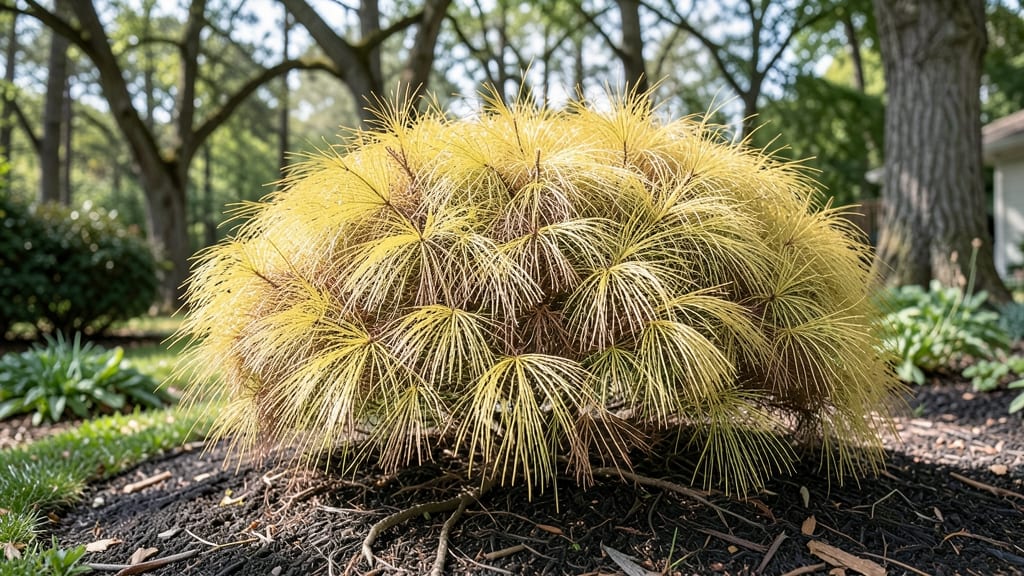
This delicate gold threadleaf cypress transforms any yard into a serene Japanese garden escape with its feathery golden branches and graceful form. 🌿 I fell in love with it after watching one slowly mature in my drought-stricken California landscape—it thrived while everything else needed constant watering.
The secret lies in its slow, steady growth and remarkable adaptability to dry conditions, making it perfect for low-maintenance landscaping.
You’ll need a sunny spot (at least 6 hours of direct sun daily) and well-draining soil—this tree despises soggy roots. The golden foliage fades slightly in deep shade, so prioritize light exposure.
Plant in early spring or fall when temperatures are mild, giving roots time to establish before summer heat arrives. Most nurseries carry it as a small container plant, so you can start with a 3-gallon size and watch it grow over decades.
Once established, water only when the top 2 inches of soil feel dry—this tree stores moisture like a pro. Prune lightly in late winter to shape, but avoid heavy cuts that stress the plant.
The result? A textured, golden focal point that stays lush through droughts and adds year-round interest with its soft, threadlike foliage. Even in winter, its structure provides elegant contrast against bare branches.
Advanced gardeners can experiment with companion plantings—pair it with lavender or ornamental grasses for a Mediterranean vibe. Just avoid planting too close to other moisture-loving species. With proper placement, this cypress becomes the quiet star of any landscape, requiring minimal care while delivering maximum beauty.
Ready to grow one that lasts for generations?
📚 In This Guide
- What you need
- Instructions
- Tips and common mistakes
- Wrapping up and next steps
What you need
- ● Gold Threadleaf Cypress (Cupressus glabra): 1–3 mature trees (depending on spacing goals)
- ● Size: 3–5 ft tall, 1–2 ft wide (container-grown for easier transplanting)
- ● Planting site: Full sun to partial shade (6+ hours of sunlight daily)
- ● Well-draining soil (amend with compost if soil is heavy clay)
- ● Space: 6–10 ft apart for single specimens, 10+ ft for hedges
- ● Mulch: 2–3 inches of organic mulch (pine bark, shredded leaves, or wood chips)
- ● Watering tools: Hose with soaker nozzle or drip irrigation system
- ● 5-gallon watering can (for young trees)
- ● Gloves & pruning shears (sterilized with rubbing alcohol)
- ● Soil test kit (to check pH and nutrient levels; ideal pH: 6.0–7.5)
- ● Slow-release fertilizer (e.g., Osmocote or Alfalfa meal for drought tolerance)
- ● Staking kit (if planting in windy areas: 2–3 stakes + tree ties)
- ● Edging tools (for defining hedges or garden beds)
- ● Drought-resistant ground cover (e.g., Lavender or Ice Plant) to suppress weeds
- ● Decorative rocks or gravel (for a polished, low-maintenance look)
Step-by-Step guide to planting and maintaining gold threadleaf cypress
This drought-resistant beauty thrives with minimal fuss once you nail these key planting and care steps.
🪴 Step 1: Choose the Perfect Planting Location
Gold Threadleaf Cypress (Chamaecyparis pisifera 'Filifera Aurea') loves full sun to partial shade, making it ideal for dry, sunny spots in your landscape. Select a site with well-draining soil—it hates soggy roots. I always test drainage by digging a hole and filling it with water; if it drains within an hour, the spot’s perfect.
Space your plants 4-6 feet apart to allow for their slow, upright growth. This spacing also prevents overcrowding, which can lead to disease. In windy areas, plant near a windbreak—this cypress has delicate foliage that can get damaged in strong gusts.
🌱 Step 2: Prepare the Soil and Plant with Care
Amend the native soil with compost or organic matter to improve drainage and fertility, but avoid heavy amendments like peat moss, which can compact. Dig a hole twice as wide as the root ball but no deeper—planting too deep suffocates the roots. Gently loosen the root ball if it’s tightly bound.
Place the cypress in the hole, ensuring the top of the root ball sits 1 inch above ground level. This prevents water from pooling around the stem. Backfill with native soil, tamping lightly to eliminate air pockets. Water deeply to settle the soil and encourage root contact.
☀️ Step 3: Water Deeply and Establish a Drought-Tolerant Routine
After planting, water deeply once a week for the first 6-8 weeks to encourage deep root growth. Let the soil dry out between waterings—this cypress thrives on neglect once established. Overwatering leads to root rot, which is deadly for these slow growers.
Once established (after 1-2 years), reduce watering to every 2-3 weeks unless your area experiences extreme drought. Mulch with 2-3 inches of organic mulch around the base to retain moisture and suppress weeds, but keep mulch 6 inches away from the trunk to prevent rot.
✂️ Step 4: Prune for Shape and Health
Gold Threadleaf Cypress rarely needs pruning, but you can shape it lightly in late winter or early spring before new growth begins. Use clean, sharp pruners to trim back any leggy growth or wayward branches. Never prune more than 25% of the plant at once—this can stress the cypress and slow its already sluggish growth.
Remove only dead, diseased, or crossing branches. This cypress grows in a graceful, upright form, so minimal pruning preserves its natural elegance. Avoid heavy pruning—it disrupts the delicate foliage and can leave unsightly stubs.
🌿 Step 5: Monitor for Pests and Disease
Gold Threadleaf Cypress is naturally resistant to most pests, but watch for spider mites or scale insects in dry conditions. If you spot webbing or sticky residue on the foliage, treat with a horticultural oil spray in early morning or late evening to avoid burning the delicate needles.
Fungal issues like canker or needle blight can occur in poorly drained soil or humid climates. Improve airflow by spacing plants properly and avoid overhead watering. If you notice brown, crusty spots on branches, prune affected areas immediately and dispose of them in the trash—not the compost.
Tips & tricks for perfect gold threadleaf cypress planting
Between us, these small details make all the difference in getting your Gold Threadleaf Cypress off to the right start—and keeping it thriving for decades. The slow-growing nature of this cultivar means every planting decision compounds over time.
Soil Testing Secret: Before amending your soil, I recommend doing a simple pH test—Gold Threadleaf Cypress prefers slightly acidic soil between 5.5 and 6.5. If your soil tests higher, mix in sulfur or peat moss (though avoid peat moss if you're in a drought-prone area—it can dry out too quickly). The drainage test mentioned in Step 1 is crucial because this cypress simply won't tolerate soggy conditions, even temporarily.
Planting Depth Caution: That 1-inch elevation above ground level is non-negotiable. I've seen too many gardeners plant with the root ball flush or even below soil level, which guarantees rot. Use a level to verify the crown sits perfectly 1 inch above finished grade. Pro tip: Mark the root ball with a pencil before planting so you can reference it later.
Mulch Placement Strategy: The 2-3 inches of organic mulch should form a donut shape around your cypress, starting 6 inches from the trunk. This prevents moisture buildup against the bark while still protecting roots. I use pine straw because it mimics the natural forest floor conditions these cypresses evolved in. Avoid wood chips—they can compact and suffocate roots over time.
Pro Tips for Gold Threadleaf Cypress
- Between us, these small details make all the difference in getting your Gold Threadleaf Cypress off to the right start—and keeping it thriving for decades.
- Soil Testing Secret: Before amending your soil, I recommend doing a simple pH test—Gold Threadleaf Cypress prefers slightly acidic soil between 5.5 and 6.5.
- Planting Depth Caution: That 1-inch elevation above ground level is non-negotiable.
Frequently asked questions
How fast does a gold threadleaf cypress grow, and how tall can it get?
The gold threadleaf cypress is a slow grower, typically adding just 6–12 inches per year. Mature trees reach 15–25 feet tall (sometimes taller with ideal conditions) and 8–12 feet wide. Its slow growth makes it perfect for low-maintenance landscapes but means patience is key for full impact!
Is this tree cold-hardy? What zones does it thrive in?
Yes! The gold threadleaf cypress is highly cold-tolerant, thriving in USDA Hardiness Zones 5–9. It handles frost and snow well, making it a versatile choice for northern and southern climates alike. Just avoid soggy soil in winter to prevent root rot.
How much water does it need? Can it really survive drought?
Absolutely drought-tolerant once established, this tree needs minimal watering after the first year. Water deeply 1–2 times per week for the first 6 months, then reduce to monthly in dry spells. Mulch helps retain moisture—ideal for water-conscious gardeners!
What are some good alternatives if I want a similar look?
If you love the gold threadleaf cypress’s golden foliage and compact shape, consider these drought-tolerant options:
- Blue Atlas Cedar – Silvery-blue needles, cold-hardy, and deer-resistant.
- Dwarf Alberta Spruce – Dark green, dense, and slow-growing (great for hedges).
- Italian Cypress – Tall and slender with a Mediterranean vibe (needs well-drained soil).
- Golden Mop Cypress – Another golden variety, but slightly faster-growing.
Are gold threadleaf cypress trees prone to pests or diseases?
Generally resistant to pests, but watch for aphids, spider mites, or bagworms in stressed trees. Diseases like canker or root rot can occur if soil is poorly drained. Prune for airflow, avoid overwatering, and use neem oil if pests appear. Healthy trees rarely need treatment!
Do I need to prune it, and when’s the best time?
Pruning is optional but helpful to shape the tree or remove dead branches. The best time is late winter or early spring (before new growth starts). Avoid heavy pruning in summer—it can stress the tree. Use clean, sharp tools to prevent disease.
Wrapping up and next steps
The Gold Threadleaf Cypress is a stunning, low-maintenance choice for drought-prone landscapes, offering golden foliage and year-round beauty with minimal fuss. Its slow growth and resilience make it perfect for both urban gardens and water-wise designs—ideal for homeowners who want elegance without the upkeep. 🌿✨
Ready to transform your outdoor space? Start by researching local nurseries or online plant retailers to find a healthy specimen, then plan your planting spot with these drought-smart tips in mind. Your future landscape will thank you!