
Pests
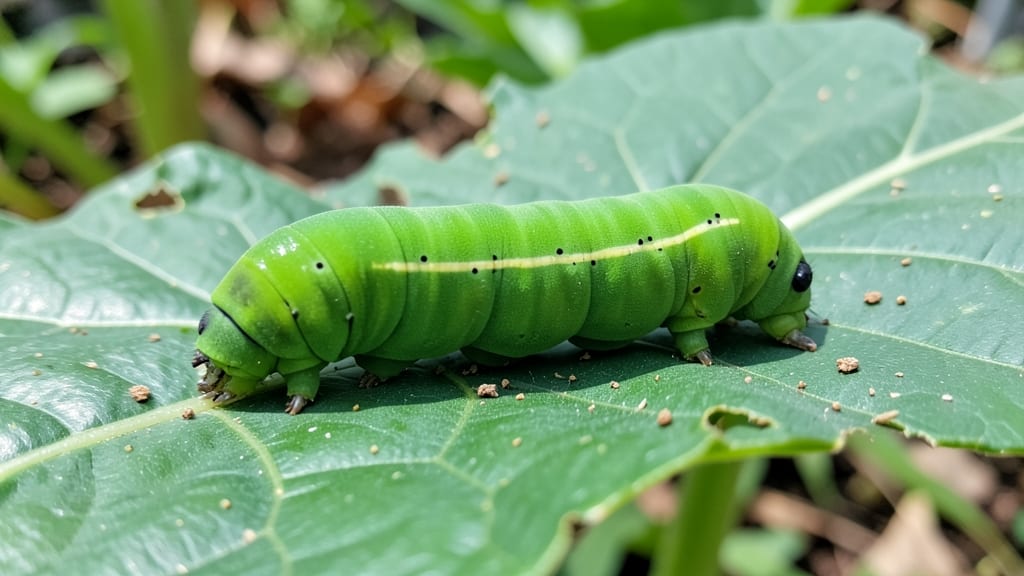
Seeing a green caterpillar munching your plants turns your garden from lush to lost in hours. 🌿 These striped leaf devils—often tomato hornworm or loopers—can strip a plant bare if you don’t act fast, but there’s a foolproof organic spray that works without harming your ecosystem.
The key is neem oil or insecticidal soap, mixed with water and a drop of dish soap for adhesion. Spray directly on caterpillars (they’ll drop off) and undersides of leaves where they hide. Repeat every 3-5 days until they’re gone—no harsh chemicals needed.
You’ll notice new growth within a week as the plants recover. The spray also deters future pests by disrupting their life cycle, so your foliage stays vibrant without constant battles. Works for vegetables, flowers, and ornamentals—just avoid spraying when bees are active. Let’s get your garden back to thriving!
Nature’s Tiny Invaders Explained
Spotting a green caterpillar munching on your plants isn’t just an eyesore—it’s a sign of a larger ecological (or gardening) puzzle. These leaf-chewing critters thrive due to a mix of environmental factors, plant vulnerabilities, and even human habits.
Understanding the why behind their presence helps you tackle the problem at its roots. Below, we break down the most common causes—so you can outsmart these leaf-loving pests.
Caterpillars are plant specialists, and if your garden is a buffet of their favorite meals, they’ll stick around. Many green caterpillars, like those of the looper or tent caterpillar species, target specific host plants. For example:
- Oak trees attract gypsy moth caterpillars, which can defoliate entire branches.
- Tomatoes, cabbage, and brassicas are magnets for cabbage loopers and hornworms.
- Birch and willow trees often host the forest tent caterpillar, which spins silken webs across foliage.
Why it happens: Without natural predators (like birds or parasitic wasps) to keep populations in check, caterpillars multiply when their preferred plants are plentiful. Even a single infested plant can become a breeding ground, spreading the problem to nearby vegetation.
Actionable fix: Rotate crops in vegetable gardens and avoid planting monocultures. If you love ornamental plants, interplant them with unappealing foliage (like marigolds or herbs) to disrupt caterpillar feeding patterns.
Caterpillars are cold-blooded, meaning they’re most active when temperatures are mild (between 60–85°F) and humidity is high. These conditions speed up their growth cycle, allowing them to hatch, feed, and reproduce faster.
- Spring and early summer are peak seasons because rain and warmth create the perfect nursery for eggs laid on leaves.
- Greenhouse or indoor plants (especially in humid climates) can become caterpillar hotspots year-round.
- Overwatered soil keeps leaves lush and tender—an all-you-can-eat buffet for hungry larvae.
Why it happens: Warmth accelerates metabolism, while moisture keeps eggs from drying out. A single female moth can lay hundreds of eggs, and if conditions are ideal, those eggs hatch into caterpillars within 3–10 days.
Actionable fix:
- 💡 Improve airflow around plants by pruning dense foliage and spacing them properly.
- 🌡️ Monitor humidity—aim for 40–60% in greenhouses or use fans to dry leaves quickly after rain.
- ⏰ Time your watering—water in the early morning so leaves dry by evening, reducing egg-laying sites.
In a balanced ecosystem, caterpillars are food for something else. Birds, parasitic wasps, ladybugs, and even spiders help control their numbers. But when these predators are missing—due to pesticide use, habitat loss, or urbanization—caterpillar populations explode.
Why it happens:
- Broad-spectrum pesticides kill both pests and their natural enemies, creating a vacuum effect where caterpillars thrive unchecked.
- Monoculture farming reduces biodiversity, leaving fewer hiding spots and food sources for predator species.
- Suburban sprawl eliminates wild areas where birds and insects hunt, forcing caterpillars to dominate local flora.
Actionable fix:
- 🐦 Attract predators by planting native flowers (like dill, fennel, or milkweed) that lure beneficial insects.
- 🔄 Avoid chemical sprays—opt for organic sprays or neem oil, which target caterpillars without harming predators.
- 🏡 Create habitat with birdhouses, bat boxes, or insect hotels to encourage natural pest control.
Healthy plants resist caterpillar damage better than stressed ones. When plants are weak—due to nutrient deficiencies, disease, or poor growing conditions—they become easier targets for hungry larvae.
Why it happens:
- Nitrogen deficiency makes leaves softer and more palatable, while phosphorus deficiency weakens root systems, making plants more susceptible to pest attacks.
- Fungal or bacterial infections (like powdery mildew) create entry points for caterpillars, which may feed on infected tissue.
- Competition for resources (e.g., weeds stealing nutrients) leaves plants vulnerable to pest pressure.
Actionable fix:
- 📊 Test soil health and amend with compost or organic fertilizer to boost plant resilience.
- 🌱 Remove competing weeds to ensure your plants get the nutrients they need.
- 💧 Water deeply but infrequently to encourage strong root growth and drought-resistant foliage.
Pro Tip: 🎯 Early detection is key—check the undersides of leaves and new growth regularly for tiny eggs or newly hatched caterpillars. The sooner you act, the less damage they’ll cause!
Quick Fixes for Leaf Damage
When you spot a green caterpillar munching away on your plants, acting fast can save your foliage from becoming a buffet. Below are targeted solutions based on the most common causes—whether it’s an infestation, environmental stress, or poor plant health—and how to reverse the damage.
If the green caterpillar is the culprit, manual removal is often the most effective first step.
🔥 Step 1: Handpick the Pests
- How to do it: Wear gloves and inspect leaves thoroughly.
Look under foliage and along stems—caterpillars love hiding! - Pro tip: Drop them into soapy water (1 tbsp dish soap per gallon) to kill them instantly. 💡 This prevents them from crawling back onto your plants.
🍳 Step 2: Use Organic Sprays
If handpicking isn’t enough, try these non-toxic sprays that disrupt caterpillar life cycles:
- Neem oil spray (1 tsp neem oil + 1 tsp mild soap + 1 quart water) – Spray directly on caterpillars and leaves.
- Bacillus thuringiensis (Bt) – A natural bacteria that targets caterpillars’ digestive systems.
Mix as directed and apply when caterpillars are active. - Spinosad spray – Derived from soil bacteria, it’s highly effective against chewing pests.
✨ Best time to spray: Early morning or late evening when bees and beneficial insects are less active.
👨🍳 Step 3: Set Up Barriers
- Row covers – Lightweight fabric draped over young plants blocks caterpillars from laying eggs.
- Diatomaceous earth (food-grade) – Sprinkle lightly on soil around plants. It dehydrates caterpillars on contact (reapply after rain).
If the caterpillar damage is secondary to a stressed plant, focus on revitalizing foliage while keeping pests at bay.
💡 Step 1: Prune Damaged Leaves
- How to do it: Snip off heavily chewed leaves with clean scissors. This prevents further spread of pests and encourages new growth.
- Pro tip: Dispose of pruned leaves in a sealed bag—don’t compost them if pests are present!
🥗 Step 2: Fertilize for Resilience
Weak plants attract more pests. Use a balanced organic fertilizer (like fish emulsion or compost tea) to strengthen foliage. - For fast recovery: Mix 1 tbsp molasses + 1 tbsp Epsom salt in a gallon of water.
Spray on leaves weekly for 2–3 weeks.
🌡️ Step 3: Adjust Watering Practices
Overwatering or underwatering stresses plants, making them vulnerable.
- Check soil moisture: Stick your finger 1 inch deep—water if it’s dry.
- Avoid wetting leaves (especially at night) to prevent fungal growth, which weakens plants further.
Once your plants are healthy, stop caterpillars before they start with these long-term strategies:
| Prevention Method | How to Implement | Why It Works |
|---|---|---|
| Plant companion flowers | Grow marigolds, nasturtiums, or dill nearby. | Repels caterpillars with strong scents. |
| Encourage natural predators | Attract birds (install feeders) or ladybugs (plant dill or fennel). | They eat caterpillar eggs and larvae. |
| Rotate crops | Avoid planting the same species in one spot yearly. | Disrupts caterpillar life cycles. |
| Clean up debris | Remove fallen leaves and plant waste. | Eliminates hiding spots for eggs/larvae. |
Final Note: Consistency is key! Check plants weekly during growing seasons, and act at the first sign of caterpillars. With these steps, your foliage will bounce back—and stay pest-free! 🌿💚
Frequently asked questions
What are the most common types of green caterpillars that eat leaves?
You’ll most likely encounter tomato hornworms (large green with white stripes), cabbage loopers (small, green with an "S" curve when moving), or tent caterpillars (hairy, web-spinning). These species target specific plants—hornworms love tomatoes, while loopers attack brassicas like cabbage and kale.
How do I know if my plants are recovering after removing caterpillars?
Look for new leaf growth within 5-7 days and reduced chewed edges. Healthy plants will also show stronger stems and vibrant color. If damage is severe, prune affected leaves to encourage faster regrowth—just avoid removing more than 25% of foliage at once.
Is it safe to use neem oil if I have bees or butterflies in my garden?
Neem oil is low-toxicity to bees and butterflies when used correctly. Spray only in early morning or late evening when pollinators are inactive, and avoid direct application to flowers. For extra safety, focus on caterpillar hotspots like leaf undersides and stems.
Why do caterpillars always return even after I treat them?
New eggs may have hatched while you were treating, or adult moths could still be laying eggs nearby. Check undersides of leaves daily for tiny eggs (often yellow or white clusters). Apply Bacillus thuringiensis (Bt) to prevent future hatching—it targets caterpillars before they become a problem.
Can I compost leaves with caterpillar damage?
No—infested leaves can spread eggs or larvae to your compost pile. Instead, seal them in a trash bag and dispose of them. If you must compost, use only healthy leaves and maintain high temperatures (140°F+) to kill any remaining pests.