
Plants
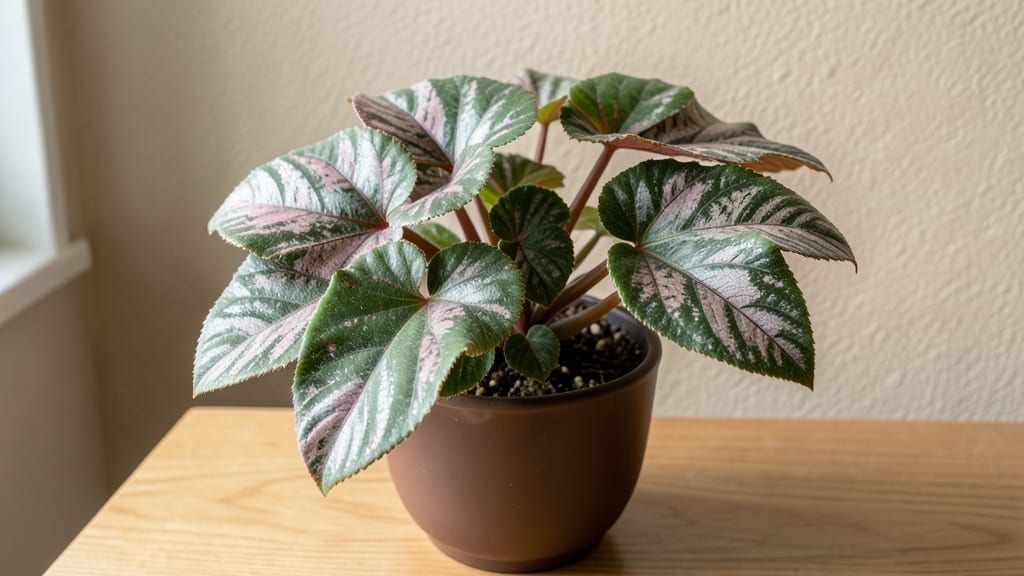
Growing green leaf begonias is like having a tiny tropical rainforest on your windowsill—except these plants actually survive your air-drying skills. 🌿 The secret to their stunning foliage lies in mimicking their natural habitat, which is easier than you think, even if you’ve killed houseplants before.
These plants thrive in bright, indirect light (think east-facing windows or a few feet from a south window) and need consistently moist—but not soggy—soil. I’ve found that a mix of peat, perlite, and orchid bark keeps them happy, and they’ll even grow in water if you prefer the hydroponic route.
The key is keeping humidity high, which you can do with a pebble tray or a simple misting routine. What you’ll end up with is glossy, heart-shaped leaves in shades of green, silver, and pink that look like they belong in a botanical garden.
They grow slowly but steadily, reaching about 12-18 inches tall, and they’ll reward you with new growth all year if you keep their conditions just right. The best part? They’re forgiving. Even if you forget to water once, they’ll bounce back—just don’t let them dry out completely.
Here’s how to keep them thriving, whether you’re growing them in soil or water.
📚 In This Guide
- What you need
- Instructions
- Tips and common mistakes
- Wrapping up and next steps
What you need
- ● Green leaf begonia plant: A healthy cutting (3–5 inches) or a small potted plant with vibrant foliage.
- ● Growing medium: For soil: Well-draining potting mix (e.g., peat-based or a 50/50 blend of potting soil and perlite).
- ● For water propagation: Clean, room-temperature water (preferably filtered or distilled).
- ● Containers: For soil: 4–6 inch pots with drainage holes (terracotta or plastic).
- ● For water: Clear glass jars or vases (8–12 oz) with a narrow neck to support the cutting.
- ○ Rooting hormone (optional but helpful): A gel or powder to encourage faster root growth.
- ● Sharp, sterilized scissors or pruning shears.
- ● Spray bottle (for misting).
- ● Humidity dome or plastic bag (to retain moisture).
- ● Fertilizer (balanced liquid, 10-10-10 or organic options like fish emulsion).
- ○ Grow lights (optional, for low-light conditions).
Step-by-step instructions for cultivating green leaf begonias
Here’s how to revive and grow these stunning plants—whether in water or soil—with minimal fuss.
🪴 Step 1: Choose Your Growing Medium
Green leaf begonias thrive in either water or soil, but each method requires different prep. For soil, use a well-draining mix of 50% peat moss and 50% perlite—this prevents root rot, their biggest enemy. Fill a 4-6 inch pot with the mix, leaving 1 inch of space at the top for watering. If you’re growing in water, use a clear glass jar with clean, room-temperature water and a few drops of liquid fertilizer (like 20-20-20 diluted to half strength).
I like to add a layer of activated charcoal at the bottom of water jars—it keeps the water fresh longer by filtering impurities. For soil, tap the pot gently to settle the mix without compacting it. The goal is airy, loose soil that mimics their natural humid, tropical habitat.
🌱 Step 2: Plant or Submerge Your Begonia
If using soil, gently remove the begonia from its current pot and loosen the roots if they’re tangled. Place it in the center of the pot, ensuring the crown (where leaves meet the stem) sits just above the soil line. Press lightly around the base to secure it, but don’t pack the soil too tightly—begonias hate suffocation.
For water propagation, trim the stem just below a leaf node (where leaves grow), then place 2-3 inches of the stem into the jar. Submerge only the lower half—leaving part of the stem dry prevents rot. Change the water every 5-7 days to keep it oxygenated. You’ll see roots form in 2-4 weeks—that’s your cue it’s ready for a permanent home.
☀️ Step 3: Position for Bright, Indirect Light
Begonias love light but burn easily in direct sun. Place them near a east- or north-facing window where they get bright, indirect light for 6-8 hours daily. If your space is dim, supplement with a grow light kept 12-18 inches away—too close will scorch the leaves.
Watch for these signs: Deep green, glossy leaves mean perfect light. Pale or yellowing leaves signal too much sun; move the plant back. Leggy growth (long, sparse stems) means it’s not getting enough light—adjust the position or add a light source.
💧 Step 4: Water and Humidity Care
For soil-grown begonias, water when the top inch of soil feels dry—usually every 2-3 days in warm weather. Use room-temperature water and avoid wetting the leaves to prevent fungal spots. Let excess water drain completely; soggy soil is a death sentence for these plants.
Water-grown begonias need fresh water every 5-7 days, plus a monthly fertilizer dose (half-strength liquid fertilizer). Maintain 60-70% humidity—mist the leaves lightly daily or place the pot on a pebble tray with water (but keep the pot’s base dry). If humidity drops below 50%, you’ll see crispy leaf edges—time to boost moisture.
✂️ Step 5: Prune and Maintain for Lush Growth
Trim leggy stems or yellowing leaves with clean scissors to encourage bushier growth. Pinch back the tips of new growth to prompt branching—this keeps begonias full and compact. Remove any flowers if they appear, as they drain energy from the foliage you’re growing for.
Every 2-3 months, repot soil-grown begonias into a slightly larger container (just 1-2 inches bigger) to refresh the mix. For water-grown plants, propagate cuttings in fresh water to keep your collection thriving. With consistent care, your green leaf begonia will reward you with glossy, vibrant leaves year-round.
Tips & tricks for cultivating vibrant green leaf begonias
Here's what I learned after nursing my own begonias back to health—and how you can avoid their most common pitfalls.
Medium Matters: When mixing your 50% peat moss and 50% perlite, don't skip the gentle tapping to settle the soil. This creates those tiny air pockets begonias crave. I use a rubber mallet for this—just 3-4 taps around the pot's sides. Too much packing suffocates roots, while too little leaves gaps that hold excess moisture, inviting rot. For water growers, that activated charcoal layer at the bottom is non-negotiable—it keeps water fresh for the full 5-7 day change cycle by filtering out impurities that cause cloudiness.
Lighting Secret: The 6-8 hours of bright, indirect light is your sweet spot, but here's the trick: rotate your plant every 2-3 weeks. This prevents one-sided growth where leaves stretch toward the light source. I place a sticky note on the window side to track which direction gets the most light, then rotate accordingly. Watch for leaves that cup upward—this is your plant begging for more light from below, not just above.
Water Wisdom: For soil begonias, I test moisture by sticking my finger in the top inch—if it feels dry at the first knuckle, that's your cue. But here's what nobody tells you: the bottom inch should always stay slightly moist. Use a moisture meter if you're unsure, as overwatering is the silent killer. For water growers, that 5-7 day refresh cycle is critical—don't let it slip to 10 days or you'll see algae forming on the water surface, which competes with your plant's roots.
Pruning Payoff: When trimming leggy stems, cut just above a leaf node where new growth appears. This encourages branching at that exact spot. I've found that making these cuts at the end of the day prevents stress—plants have time to recover before the next light cycle. And here's a bonus: those trimmed stems can root in water! Place them in a separate jar with fresh water and you'll have baby plants in 2-4 weeks, just like the propagation method described.
Pro Tips for Green Leaf Begonia
- Here's what I learned after nursing my own begonias back to health—and how you can avoid their most common pitfalls.
- Medium Matters: When mixing your 50% peat moss and 50% perlite, don't skip the gentle tapping to settle the soil.
- Lighting Secret: The 6-8 hours of bright, indirect light is your sweet spot, but here's the trick: rotate your plant every 2-3 weeks.
Frequently asked questions
Got questions about keeping your green leaf begonia thriving?
Here are answers to the most common concerns—whether you're growing in soil or water!
Can green leaf begonias grow in water like pothos?
Yes! Green leaf begonias thrive in water propagation, but they’re not long-term water plants like pothos. Use a jar of distilled water with a few inches of stem submerged and change it weekly. For permanent growth, transfer to soil after roots form (about 4–6 weeks).
How often should I water my green leaf begonia?
Water when the top 1–2 inches of soil feel dry (about once a week in summer, less in winter). Overwatering causes root rot—stick your finger in the soil to check! If growing in water, refresh the water every 5–7 days to prevent bacterial buildup.
Why are the leaves turning yellow or dropping?
Yellow leaves usually mean overwatering or low light. Brown edges? It’s often dry air or fluoride in tap water (use filtered water). Dropping leaves can signal stress—check humidity (aim for 50–60%) and light (bright, indirect).
Can I propagate green leaf begonia from a single leaf?
Place a healthy leaf in water or moist soil with the stem submerged. Roots should appear in 2–4 weeks. For soil propagation, use a humidity dome to keep it cozy. Pro tip: Avoid touching the leaf’s underside (it’s delicate and prone to rot!).
Is direct sunlight okay for green leaf begonias?
Nope! These beauties prefer bright, indirect light—like an east-facing window. Too much sun causes leaf scorch (brown patches). If leaves look pale, move it closer; if they’re leggy, it needs more light. A sheer curtain can diffuse harsh rays.
What’s the best soil mix for green leaf begonias?
Use a well-draining mix like 50% peat moss or coco coir + 50% perlite or orchid bark. Add a handful of worm castings for nutrients. Avoid heavy garden soil—it traps moisture and invites root rot. For water growers, stick to short-term hydroponics!
Wrapping up and next steps
Growing green leaf begonia is a rewarding journey that brings vibrant, lush foliage into your space—whether in soil or water! With the right care, these striking plants thrive effortlessly, adding a touch of nature’s beauty to your home.
Whether you’re a beginner or a seasoned gardener, your green thumb is ready to shine.
Ready to take the next step? Start with one plant and experiment with the tips you’ve learned—soon, you’ll be sharing your stunning begonia blooms with pride! 🌿✨