
Light Requirements
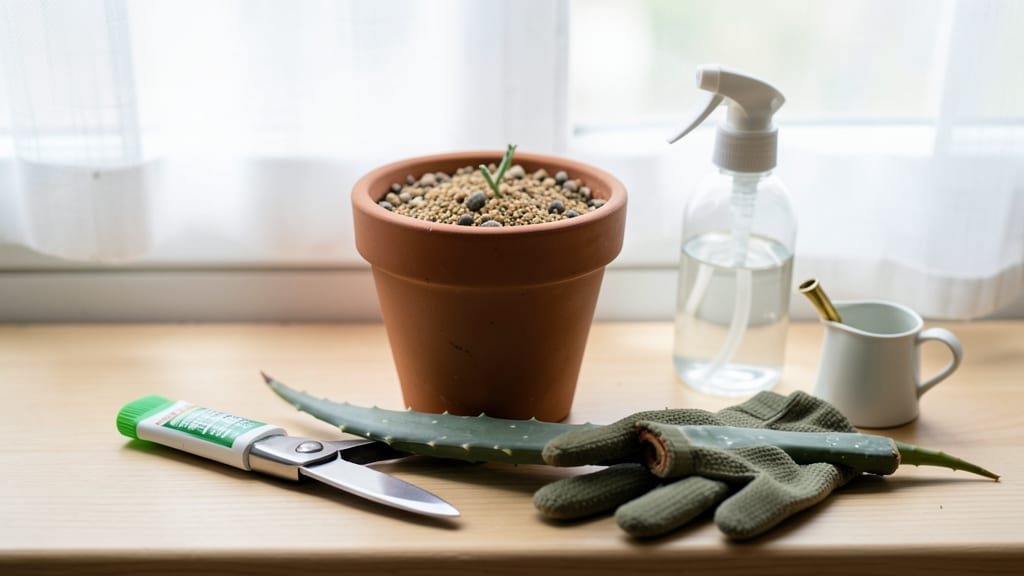
That single aloe vera leaf could become a thriving plant with the right how to replant aloe vera leaf technique. ✨ I’ve turned broken-off leaves into full-grown aloes by letting them callous, choosing the perfect soil, and avoiding common mistakes that drown roots.
The process is simpler than you think—no green thumb required. Start with a healthy leaf, let it dry for a few days, and plant it just deep enough so it stands upright. Water lightly at first, then let the soil dry completely between waterings.
Within weeks, you’ll see new growth signaling success. The key is patience—aloe vera grows slowly but steadily, rewarding you with thick, plump leaves perfect for burns or gifting. Even if your first try doesn’t work, you’ll learn what went wrong and adjust.
This method works for water rooting too, but soil gives the strongest plants. Ready to propagate your own aloe family?
📚 In This Guide
- What you need
- Instructions
- Tips and common mistakes
- Wrapping up and next steps
What you need
- ● Aloe vera leaf: A healthy, mature leaf (at least 6–8 inches long) with a clean cut or tear at the base.
- ● Sharp knife or pruning shears: Sterilized to prevent infection (rubbing alcohol works great!).
- ● Well-draining potting mix: Cactus or succulent soil (avoid regular garden soil—it retains too much moisture!).
- ● Small pot or container: 4–6 inches in diameter with drainage holes (terracotta pots are ideal!).
- ● Water (for rooting in water method): Distilled or filtered water (tap water can harm the leaf).
- ○ Perlite or sand (optional but recommended): Mix 1–2 parts into your soil for extra drainage.
- ○ Rooting hormone (optional): A gel or powder to encourage faster root growth (follow package instructions).
- ● Spray bottle: For lightly misting the soil if the environment is too dry.
- ● Grow lights or sunny windowsill: Bright, indirect light speeds up rooting (aloe vera loves light!).
- ● Hydrogen peroxide (3% solution): Diluted (1:10 ratio) to clean the cut end before replanting.
- ● Label or marker: To track your replanting date and progress.
Step-by-Step guide to rooting aloe vera leaves
Ready to multiply your aloe? Here's the foolproof method I use to root cuttings in water or soil.
🌱 Step 1: Select and Prepare the Healthy Leaf
Choose a mature leaf at least 4-6 inches long with a thick base where it connects to the mother plant. The thicker the base, the better the rooting success. Gently twist the leaf back and forth until it separates cleanly—no need to cut, as the clean break prevents rot.
Let the leaf sit in a dry, shaded spot for 1-2 days to form a callus over the cut end. This prevents bacterial infections when you root it. You'll know it's ready when the base looks slightly dry and the edges are no longer glistening.
💧 Step 2: Root in Water or Soil (Your Choice)
For water rooting: Fill a small glass with room-temperature water and place the leaf in so the base is submerged 1 inch deep. Change the water every 3-4 days to prevent bacteria. Place the glass in bright, indirect light—direct sun will overheat the water.
For soil rooting: Mix cactus/succulent soil with 20% perlite for drainage. Dig a hole 1-2 inches deep and insert the leaf so the base is covered but the rest remains exposed. Water lightly until the soil feels damp, then let it dry out completely before watering again.
☀️ Step 3: Provide Ideal Conditions for Growth
Keep the leaf in bright, indirect light>—a south-facing window with sheer curtains works well. Avoid direct sun, which can scorch tender new growth. If rooting in water, you'll see roots form in 2-3 weeks—they'll look white and fuzzy at first, then turn brownish as they strengthen.
If rooting in soil, wait 3-4 weeks> before checking for roots. Gently tug on the leaf—if it resists, roots have taken hold. You'll also see new growth at the top, signaling the plant is establishing itself.
🌿 Step 4: Transplant to Soil (When Ready)
Once roots are 2-3 inches long> (for water-rooted cuttings) or the leaf feels firmly anchored in soil, it's time to transplant. For water-rooted plants, let the roots dry slightly before planting in a 4-inch pot> filled with cactus/succulent mix.
Water lightly after transplanting and place the pot in bright light. Avoid watering for 5-7 days> to let the roots adjust—aloe vera hates soggy soil. You'll know it's thriving when new leaves emerge from the top within 4-6 weeks>.
Tips & tricks for perfect aloe vera propagation
Let me save you from the trial-and-error I went through when my first few aloe cuttings failed to root. These little details make all the difference between success and disappointment.
Leaf Selection Matters: In Step 1, don't just grab any leaf—look for ones that are at least 4-6 inches long with a thick, plump base. The thicker the base, the better chance it has to develop strong roots. I learned this the hard way after struggling with thin leaves that just wouldn't take. Also, twist the leaf gently rather than cutting—this clean break prevents rot better than a sharp cut would.
Callusing is Non-Negotiable: That 1-2 day drying period in Step 1 isn't optional! I skipped this once and ended up with a mushy base that attracted bacteria. The callus acts like a protective seal. You'll know it's ready when the base looks slightly dry and the edges aren't glistening anymore—this prevents infections when you root it in water or soil.
Water Quality for Root Growth: When rooting in water (Step 2), use room-temperature water only—cold water can shock the plant. Change it every 3-4 days to prevent bacterial growth. I've found that using filtered water works best, as tap water minerals can sometimes hinder root development. Place your glass in bright, indirect light—direct sun will overheat the water and stress the leaf.
Soil Mix Secrets: For soil rooting, that 20% perlite isn't just for show—it's crucial for drainage. Aloe vera roots rot easily in soggy conditions. Mix the perlite thoroughly with your cactus/succulent soil before planting. After inserting the leaf, water lightly until the soil feels damp, then let it dry completely before watering again. This mimics the plant's natural desert environment perfectly.
Pro Tips for Replant Aloe Vera Leaf
- Let me save you from the trial-and-error I went through when my first few aloe cuttings failed to root.
- Leaf Selection Matters: In Step 1, don't just grab any leaf—look for ones that are at least 4-6 inches long with a thick, plump base.
- Callusing is Non-Negotiable: That 1-2 day drying period in Step 1 isn't optional!
Frequently asked questions
Got questions about replanting your aloe vera leaf? You’re not alone! Here are some common concerns—and their solutions—to help you root with confidence.
Can I replant an aloe vera leaf that’s already sprouting roots?
If your leaf has developed roots (about 1–2 inches long), it’s ready to replant. Gently transfer it to soil or water—just avoid disturbing the delicate roots. Pro tip: Let the roots harden for a day or two in dry air before planting to reduce shock.
How long does it take for an aloe vera cutting to root in water?
Patience is key! Most aloe vera cuttings root in 2–4 weeks in water, depending on light and temperature. Change the water every 3–4 days to prevent bacteria. Once roots hit 1–2 inches, transplant to soil.
What if my aloe vera leaf rots before rooting?
Rotting is usually caused by too much moisture or bacteria. If you notice mushy, dark spots, act fast! Rinse the cutting with hydrogen peroxide (1 part peroxide to 4 parts water), let it dry for 24 hours, then replant in fresh, well-draining soil.
Can I replant aloe vera directly into soil instead of water?
Yes! Skip the water step if you prefer. Bury the base of the leaf (about 1 inch deep) in cactus/succulent mix, water lightly, and place in bright, indirect light. Keep soil slightly moist (not soggy) for the first 2 weeks.
Why isn’t my aloe vera cutting growing after replanting?
Slow growth is normal, but check these fixes: low light (move to a sunlit spot), overwatering (let soil dry completely between waterings), or root damage (recheck roots for health). Give it 4–6 weeks—aloe is a slow starter!
Wrapping up and next steps
Replanting an aloe vera leaf is a rewarding way to propagate this versatile succulent—whether you choose water or soil, patience and care are key! 🌱 With the right tools, proper light, and a little TLC, your leaf will grow into a thriving new plant.
Now that you’re equipped with the know-how, why not give it a try? Start small, experiment with different methods, and soon you’ll have a flourishing aloe vera garden to share with friends or enjoy for your own wellness needs.
Pro tip: Document your progress with photos—it’s a fun way to track growth and celebrate your green thumb success! 📸