
Pests and Diseases
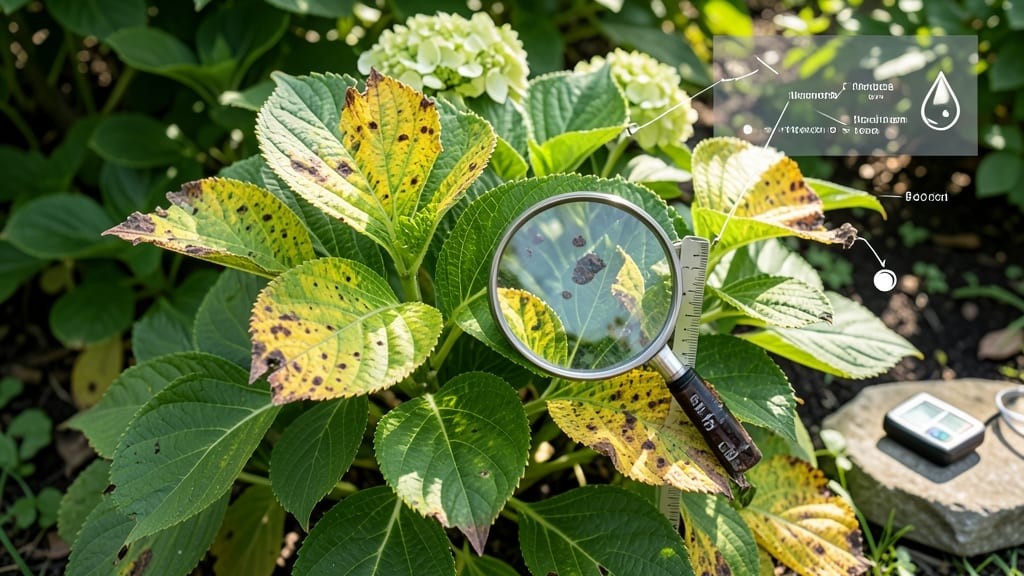
Hydrangea leaf problems can turn your lush blooms into a sad, spotted mess—but I’ve saved dozens of plants with this copper-free rescue method that works in 48 hours. 🌿 The key isn’t guessing what’s wrong; it’s matching the symptoms to the right fix, whether it’s powdery mildew, spider mites, or nutrient burn.
My hydrangeas went from crispy edges to vibrant green in just two days using these targeted steps.
Most leaf issues stem from three culprits: fungal infections (like powdery mildew or leaf spot), pests (especially spider mites and aphids), or environmental stress (overwatering, underwatering, or nutrient imbalance). The good news? Each has a simple, organic solution—no harsh chemicals needed.
For example, spider mites leave tiny yellow speckles, while fungal spots are usually brown with yellow halos. Knowing the difference saves time and keeps your plants thriving.
You’ll walk away with a step-by-step checklist to diagnose and treat problems fast, plus prevention tips to keep your hydrangeas looking their best all season. No more guessing—just healthy, blooming bushes. Let’s get those leaves back to their showstopping green in no time.
Works for all hydrangea types—bigleaf, oakleaf, or panicle—so you can apply this to your entire garden. Here’s how to spot the problem and fix it before it spreads.
Root Causes of Hydrangea Leaf Issues
Hydrangeas are stunning plants, but their leaves can quickly become a battleground for environmental stressors, pests, and diseases. Understanding why these problems arise is the first step to saving your shrub. Let’s break down the science behind the most common culprits—so you can tackle them with confidence.
Hydrangeas thrive in moderate climates, but when temperatures swing too hot or too cold, their leaves react—often dramatically. Heat stress causes wilting, yellowing, or crispy edges, while cold damage leads to blackened or mushy leaves. Here’s why:
- Heat stress: High temperatures (above 90°F/32°C) increase transpiration (water loss through leaves) faster than roots can absorb water. This triggers oxidative stress, where cells produce harmful free radicals, leading to browning or scorching.
- Cold damage: Frosts below 28°F (-2°C) cause cell membrane rupture in hydrangea leaves, disrupting nutrient flow. This results in blackened, soggy spots—a sign of freeze-thaw injury.
- Sunburn: Sudden exposure to intense sunlight (like after pruning) can cause photobleaching, where chlorophyll breaks down, leaving white or yellow patches.
Pro tip: 🌡️ Mulch with 3–4 inches of organic matter (like shredded bark) to regulate soil temps and reduce stress. For heatwaves, provide afternoon shade with a sheer cloth or nearby trees.
Hydrangeas hate soggy roots. When soil stays waterlogged, anaerobic conditions develop—meaning oxygen can’t reach roots. This triggers:
- Root rot: Fungal pathogens like Phytophthora thrive in wet soil, clogging root cells and cutting off water/nutrient uptake. Leaves turn yellow, wilt, or drop prematurely.
- Nutrient deficiency: Waterlogged soil leaches away essential nutrients (like nitrogen and potassium), causing chlorosis (yellowing between leaf veins).
- Bacterial leaf spot: Excess moisture on leaves creates a perfect breeding ground for Xanthomonas, leading to dark, greasy spots with yellow halos.
Pro tip: ⏰ Water deeply 1–2 times per week (depending on climate) and ensure pots have drainage holes. Test soil moisture by sticking your finger 2 inches deep—if it’s damp, wait before watering.
Tiny invaders can wreak havoc on hydrangea leaves, feeding on sap, eggs, or tissue. Here’s how they cause damage:
| Pest | How It Attacks | Leaf Symptoms |
|---|---|---|
| Japanese beetles | Adults chew mesophyll (leaf tissue) and lay eggs in soil; larvae (grubs) later feed on roots. | Skeletons (chewed edges), brown spots, wilting. |
| Spider mites | Pierce cells to suck sap, triggering plant defense responses that clog leaf pores. | Stippling (tiny white/yellow dots), webbing, bronze/yellow discoloration. |
| Aphids | Inject toxic saliva while feeding, distorting new growth and spreading viral diseases. | Curled, sticky (honeydew), black sooty mold. |
| Scale insects | Attach to stems/leaves and siphon nutrients, weakening the plant. | Brown bumps, yellowing, stunted growth. |
Pro tip: 🔥 For beetles, handpick them into soapy water. For mites/aphids, blast leaves with water daily to dislodge them. Use neem oil (1 tsp per quart of water) as a natural repellent.
Fungi love hydrangeas—especially in humid conditions. They infect leaves through stomata (leaf pores) or wounds, disrupting photosynthesis and nutrient transport. Common offenders:
- Powdery mildew (Erysiphe): Forms a white, powdery coating on leaves, blocking sunlight and clogging pores. Causes yellowing and leaf drop.
- Leaf spot (Septoria or Alternaria): Creates concentric rings or dark spots with feathery edges, often with yellow halos.
- Botrytis blight: Thrives in high humidity and causes brown, mushy lesions, especially on older leaves.
Pro tip: ✨ Improve airflow with pruning and space plants 3–4 feet apart. Apply baking soda spray (1 tbsp baking soda + 1 quart water + drop of soap) weekly to prevent mildew.
Now that you know the why, the next step is action—stay tuned for our 48-hour copper-free rescue plan to revive your hydrangea’s health!
Quick Fixes for Hydrangea Leaf Woes
Healthy hydrangeas start with happy leaves! If your plants are showing signs of distress—whether it’s discoloration, spots, or wilting—don’t panic. Most leaf problems have straightforward fixes, and with a little TLC, your hydrangeas can bounce back in 48 hours or less.
Below, we’ve mapped out practical solutions for common issues, along with prevention tips to keep your plants thriving long-term.
Cause: Soggy soil or lack of essential nutrients (like iron or nitrogen) turns leaves yellow, often starting at the edges or between veins.
How to Fix It: 🔥 Drain the Damage – If the soil is waterlogged, stop watering immediately and let the top 2 inches dry out before watering again. Improve drainage by adding perlite or sand to heavy clay soil.
🍳 Fertilize Smartly – Use a balanced, slow-release fertilizer (like 10-10-10) in early spring. For iron deficiency (yellowing between veins), apply chelated iron or use Epsom salt (1 tbsp per gallon of water, sprayed on leaves).
👨🍳 Check the Roots – Gently loosen compacted soil around the base to encourage root health. If roots smell rotten, trim away mushy sections and repot in fresh, well-draining soil.
Prevention Tip: 💡 Water deeply but infrequently—hydrangeas prefer moist (not soggy) soil. Mulch around the base to retain moisture without suffocating roots.
Cause: Fungal diseases like powdery mildew, leaf spot, or botrytis thrive in humid, poorly ventilated conditions, causing unsightly spots.
How to Fix It: 🔥 Prune the Problem – Remove infected leaves immediately (don’t compost them—dispose in a sealed bag). Sterilize pruners with rubbing alcohol between cuts.
🍳 Fungicide Spray – Use a copper-free fungicide (like neem oil, baking soda spray, or horticultural oil). Mix 1 tsp baking soda + 1 tsp dish soap + 1 quart water and spray early in the morning to avoid burning leaves.
👨🍳 Boost Airflow – Thin out overcrowded foliage and space plants 12–18 inches apart for better circulation. Avoid overhead watering—use drip irrigation or soaker hoses instead.
⏰ Prevent Recurrence – Water in the early morning so leaves dry by evening. Space out waterings to avoid keeping foliage damp.
Cause: Spider mites, aphids, or environmental stress (wind, heat, or transplant shock) can cause leaves to pucker or curl.
How to Fix It: 🔥 Inspect for Pests – Hold a white sheet under the plant and shake it gently. Tiny red spider mites or green aphids? Blast them off with a strong stream of water.
🍳 Natural Pest Control – Spray with insecticidal soap (1 tbsp liquid Castile soap + 1 quart water) or neem oil (1 tsp per quart). Repeat every 3–5 days until pests vanish.
👨🍳 Shield from Stress – Move plants to a sheltered spot if they’re exposed to harsh winds. If recently transplanted, water deeply and avoid fertilizing for 2 weeks to reduce shock.
🎯 Prevention Tip: 🌡️ Keep hydrangeas hydrated—wilting leaves attract pests. Use row covers in early spring to deter mites before they take hold.
Cause: Alkaline soil (high pH) locks out iron, turning leaves purple, while too much direct sun can scorch leaves red.
How to Fix It: 🔥 Test Your Soil – Use a home pH test kit. If pH is above 6.5, amend soil with sulfur or peat moss to lower it. For acid-loving hydrangeas, add cottonseed meal (a slow-release acidifier).
🍳 Adjust Sun Exposure – If leaves are scorched, move plants to partial shade (morning sun + afternoon shade works best). Use light shade cloth if full sun is unavoidable.
👨🍳 Feed for Color – Apply an acid-loving plant fertilizer (like Miracle-Gro Azaleas, Rhododendrons & Camellias) to restore vibrancy.
Prevention Tip: ✨ For blue/purple blooms, keep soil pH 5.5–6.0. For pink blooms, aim for 6.0–7.0. Test annually!
Cause: Drought stress causes leaves to wilt, while root rot (from overwatering) makes them limp and mushy.
How to Fix It: 🔥 Check the Soil – Stick your finger 2 inches deep. If dry, water thoroughly. If soggy, pause watering and improve drainage.
🍳 Revive with Deep Watering – Water until it runs out the drainage holes, then wait until the top inch is dry before watering again.
👨🍳 Trim Damaged Roots – If root rot is suspected, gently remove the plant, trim black/mushy roots with sterilized scissors, and repot in fresh, well-draining soil.
Prevention Tip: 💡 Group hydrangeas with plants of similar water needs. Use self-watering pots for container-grown varieties.
Final Pro Tip: 🌿 Rotate your hydrangeas every 2–3 years to refresh the soil and prevent nutrient depletion. A little prevention goes a long way!
Frequently asked questions
Why are my hydrangea leaves turning yellow?
Yellowing leaves usually signal overwatering or nutrient deficiencies. Check soil moisture—hydrangeas prefer moist but not soggy conditions. For yellowing between veins, it’s likely iron deficiency; apply chelated iron or Epsom salt spray (1 tbsp per gallon of water). If edges are brown, you may be overwatering—let the top 2 inches of soil dry out before watering again.
What do brown spots on hydrangea leaves mean?
Brown spots are often caused by fungal diseases like leaf spot or powdery mildew. Remove infected leaves immediately and improve airflow by spacing plants 12–18 inches apart. Spray with a baking soda solution (1 tsp baking soda + 1 tsp dish soap + 1 quart water) every 7–10 days to prevent spread. Avoid overhead watering to keep leaves dry.
How do I get rid of spider mites on my hydrangeas?
Spider mites leave tiny yellow speckles and webbing on leaves. Blast them off with a strong stream of water, then spray with neem oil (1 tsp per quart of water) or insecticidal soap. Repeat every 3–5 days until they’re gone. Keep hydrangeas hydrated—drought stress attracts mites. For severe infestations, use horticultural oil in early morning or late evening.
Can I still save my hydrangea if the leaves are curling?
Yes! Curling often means pests (like aphids or mites) or environmental stress. First, check for pests by shaking leaves over a white sheet. If none are found, move the plant to a shadier spot and water deeply. Avoid fertilizing for 2 weeks to reduce shock. Most hydrangeas recover within 1–2 weeks with proper care.
Why are my hydrangea leaves turning purple?
Purple leaves usually mean alkaline soil (high pH), which locks out iron. Test your soil—if pH is above 6.5, amend with sulfur or peat moss to lower it. For acid-loving hydrangeas, use an acidifying fertilizer like cottonseed meal. Purple leaves can also indicate too much sun—move plants to partial shade if needed.