
Lawn
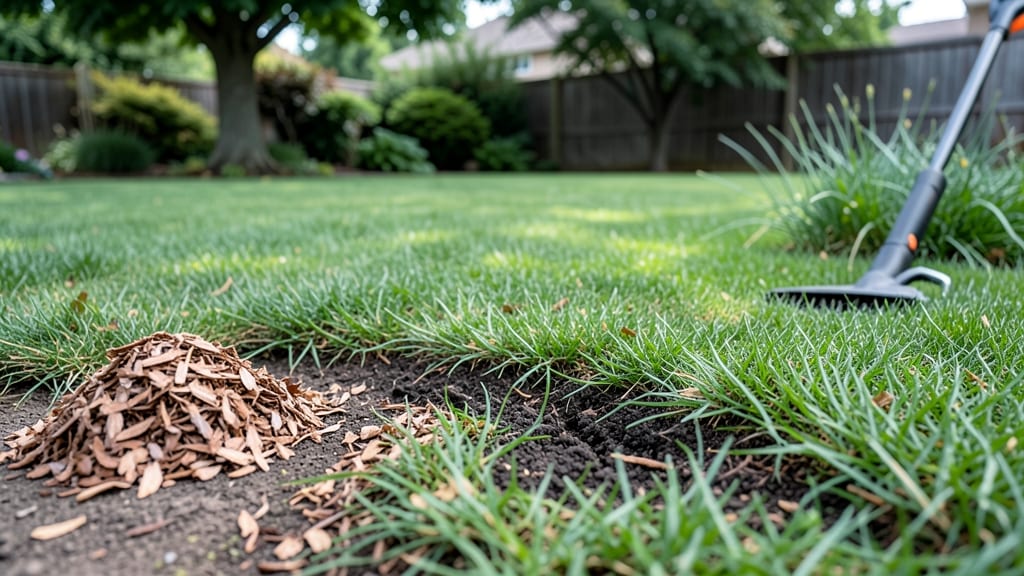
Leaf mulch is good for lawns because it locks in moisture, blocks weeds, and enriches soil as it breaks down, though you'll need to refresh it regularly and avoid letting it pile up too thickly or it may smother grass or attract pests.
Is leaf mulch good for lawn? Yes, it absolutely is! Leaf mulch creates a natural barrier that keeps soil cool and damp, which is especially helpful during hot summers when lawns dry out quickly. 🌿 The organic matter also feeds your grass roots over time, giving them the nutrients they need to stay lush and green. However, the key is using the right thickness—about 1/4 to 1/2 inch—so air and water can still reach the grass below.
One of the biggest perks is how it crowds out weeds by blocking sunlight, reducing the need for harsh chemicals. I’ve seen my neighbors’ lawns transform after using leaf mulch consistently—less watering, fewer weeds, and healthier grass overall.
Just remember to shred the leaves first for faster decomposition and better results.
💡 In This Article
- How Leaf Mulch Improves Soil and Grass Health
- Best Ways to Apply Leaf Mulch for Lawns
How leaf mulch improves soil and grass health
Leaf mulch works like a natural blanket for your lawn, creating a protective layer that slows water evaporation by up to 70% during hot, dry periods.
The dense network of decomposed leaves traps moisture near the roots, which is especially critical during summer months when grass struggles to absorb water from deep soil layers.
This effect is similar to how a thick forest floor retains moisture—except leaf mulch breaks down faster, feeding your lawn continuously rather than taking years to decompose like wood chips.
The weed-suppressing power comes from blocking sunlight, which weeds need for photosynthesis. A 1/4-inch layer of mulch can reduce weed seeds from germinating by 80-90%, creating a natural barrier without chemicals.
The organic matter also introduces beneficial microbes that break down the leaves into humus—a nutrient-rich soil conditioner that improves texture and aeration. This process gradually raises soil organic matter by 1-2% annually, which is comparable to adding compost but with less maintenance.
One often-overlooked benefit is how leaf mulch moderates soil temperature. During summer heatwaves, it can keep soil 5-10°F cooler than bare ground, protecting grass roots from heat stress. In winter, it provides slight insulation against freezing temperatures.
The pH impact varies by leaf type—maple and oak leaves tend to be slightly acidic (pH 5.5-6.5), while birch and aspen are more neutral (pH 6.5-7.5), making them better for lawns needing a gentle soil adjustment.
However, the decomposition process releases nitrogen as leaves break down, which can temporarily "steal" nitrogen from your grass if applied too thickly. This is why finely shredded leaves (less than 1/4 inch) decompose 3-4 times faster than whole leaves, preventing this nitrogen competition.
The texture also matters—coarse mulch creates air pockets that help grass breathe, while compacted leaves can suffocate roots if left unattended for months.
Consider this comparison: A 1-inch layer of leaf mulch might take 6-12 months to fully decompose, while a 1/4-inch layer breaks down in just 3-6 months. The faster decomposition means quicker nutrient release, but also requires more frequent replenishment—typically every 3-6 months depending on your climate and leaf type.
This balance is what turns leaf mulch from a seasonal solution into a year-round lawn care strategy.
For best results, mix leaf mulch with existing soil at a ratio of 1 part mulch to 3 parts soil when first applying. This creates a "mulch-soil blend" that improves water infiltration while preventing compaction.
The blend also helps prevent thatch buildup—a common issue with thick mulch layers—that can smother grass and create an ideal environment for fungal diseases.