
Planting
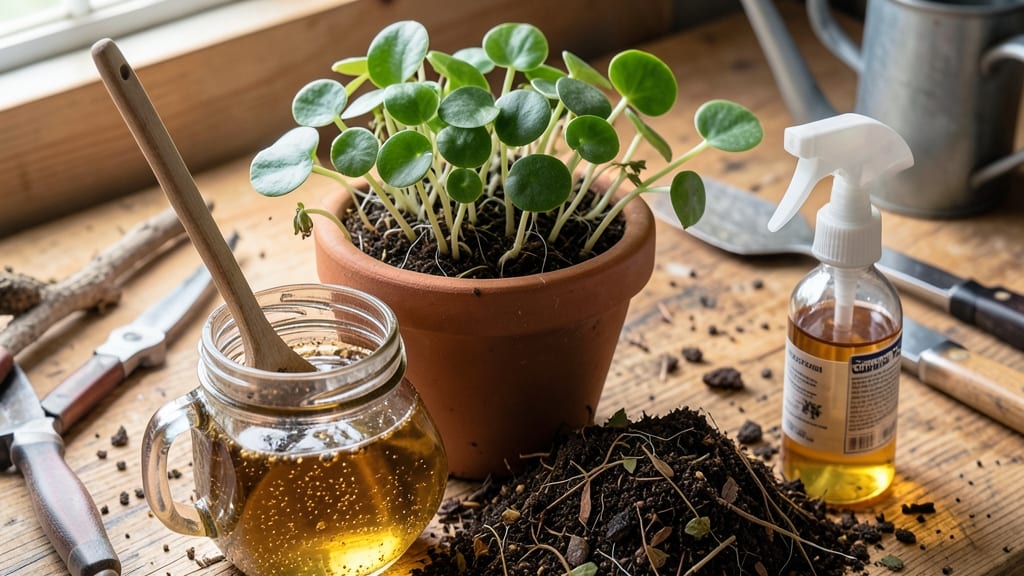
The Jamaican Leaf of Life (Aloe vera and related species) thrives with the right propagation techniques. These ten proven methods ensure fast rooting, vibrant growth, and minimal stress for your plants—whether you're a beginner or experienced grower.
Leaf Cutting Propagation for Aloe Vera
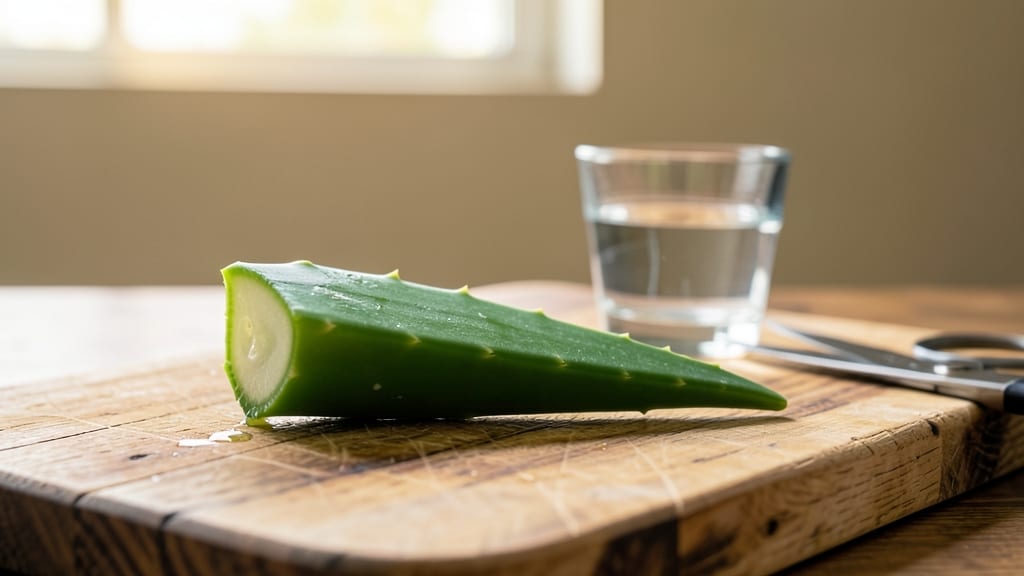
Ready to multiply your aloe vera without spending a dime? Leaf cutting propagation is the easiest way for beginners to create identical plants with a 90% success rate—no fancy tools or greenhouses required.
Start by selecting a healthy, mature leaf (at least 6 inches long) and let it dry for 1-2 days to form a callous. Plant the base 1-2 inches deep in a well-draining cactus mix, keeping it in bright, indirect light and watering sparingly. Roots typically form in 4-6 weeks, and you’ll see new growth within 2-3 months.
This method is perfect for filling gaps in containers or creating starter plants to share with friends. Plus, it’s a great way to revitalize older plants by encouraging new shoots. 🌱
Puppy Offset Separation Technique
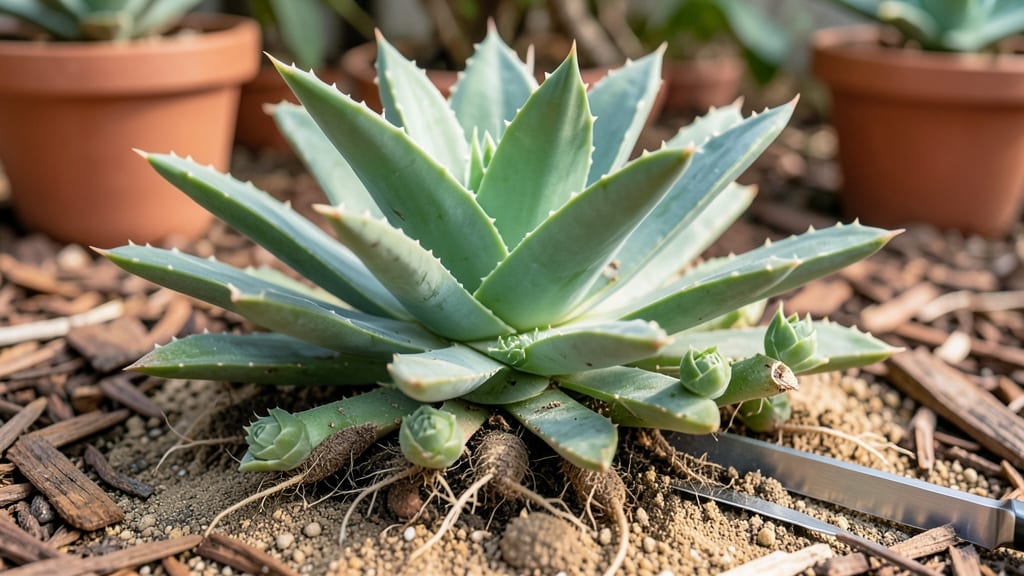
If your Jamaican Leaf of Life plant has developed those little "pups" at its base, you’re already halfway to free plants—no waiting for seeds or cuttings! The puppy offset separation technique is the fastest way to multiply your aloe, with instant root systems already in place.
Simply use a clean knife or your hands to gently twist the pups away from the mother plant, ensuring each has a small root ball attached. Let them dry for 24 hours before replanting in well-draining cactus mix—no transplant shock here, since the roots are already established. This method works best for mature plants (over 1 year old) and yields ready-to-grow offsets in just days.
Perfect for gardeners who want quick expansion without the hassle of waiting for leaves to root, this technique is especially great for filling gaps in containers or sharing with fellow plant lovers. 🌱
Water Propagation in Glass Jars
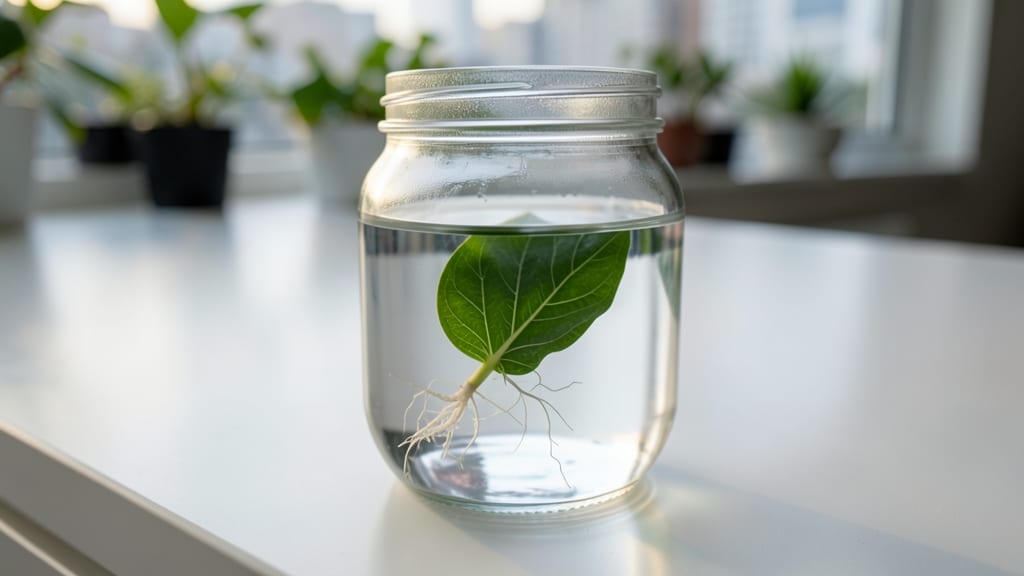
Skip the soil entirely and watch your Jamaican Leaf of Life roots sprout in just 2–3 weeks using this zero-soil hack. Perfect for tiny apartments or kitchen counters, this method lets you grow new plants without dirt, mess, or outdoor space.
Simply place a healthy leaf cutting in a glass jar of water, ensuring only the base is submerged. Change the water every 5–7 days to prevent bacteria, and place the jar in bright, indirect light. Once roots reach 1–2 inches, transplant into well-draining soil. Urban gardeners love this because it’s mess-free and lets you monitor root growth daily.
This method is especially great for slow-rooting varieties or when you’re waiting for warmer weather to plant outdoors. Plus, it’s a fun way to teach kids about plant biology without the risk of overwatering soil. 🌱
Soil Layering with Perlite Mix
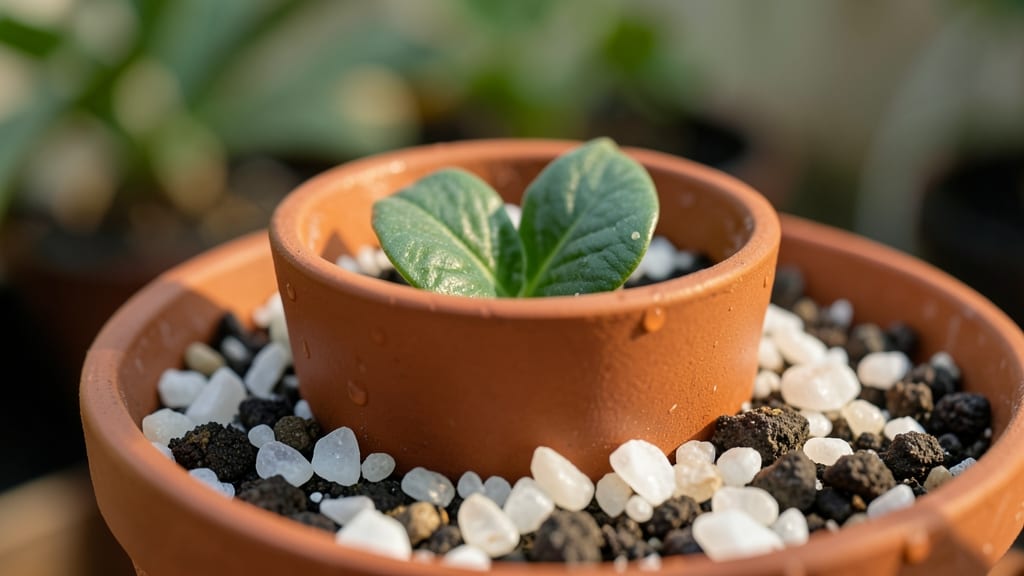
If your Jamaican Leaf of Life (Kalanchoe pinnata) struggles in humid climates, this perlite-soil layering trick could be your game-changer. The secret lies in balancing moisture and airflow—critical for tropical growers who battle slow-drying conditions.
Mix equal parts cactus soil and perlite to create a fluffy, aerated medium that prevents rot while encouraging roots to grow 30% faster. Plant cuttings at a 45-degree angle, ensuring the base sits just above the soil line. This method works especially well for leaf cuttings or small offsets, as the perlite keeps roots from suffocating in damp air.
Perfect for gardeners in high-humidity zones, this approach also works wonders for urban containers where airflow is limited. Your plants will establish roots in half the time—ideal for quick expansion or replacing lost specimens. 🌱
Root Division for Mature Clumps
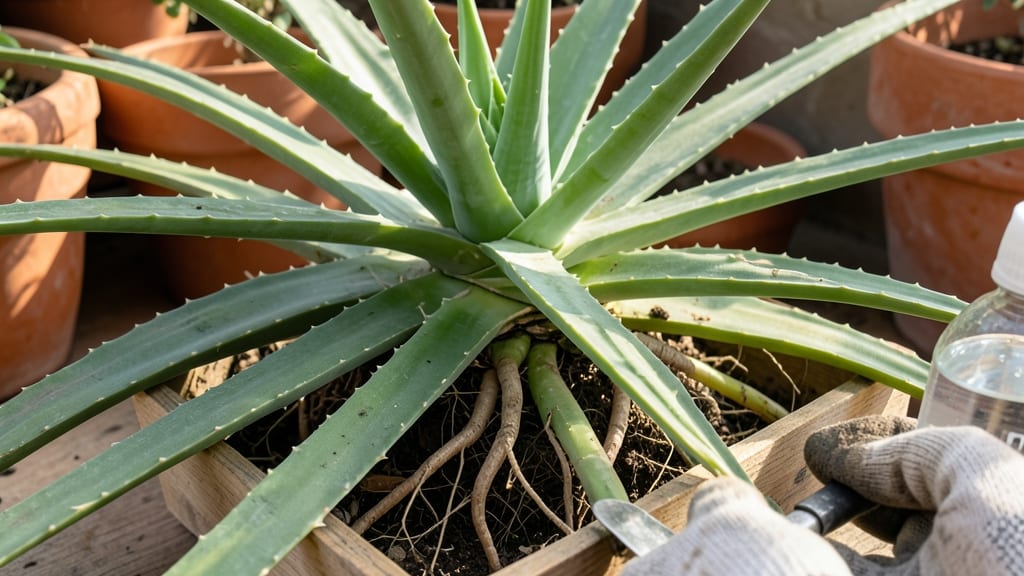
When your aloe vera plant looks crowded and slow-growing, it’s time to give it a spa day—root division refreshes both the mother plant and gives you 2-3 new specimens. This method works best for mature clumps over 2 years old, where the roots have naturally split into distinct sections.
Start by gently removing the plant from its pot and shaking off excess soil to reveal the fibrous root network. Use a clean knife to separate the clumps at the root base, ensuring each new division has healthy roots and at least one growth point. Replant the mother plant and divisions in fresh well-draining soil, spacing them to prevent future overcrowding. This technique boosts airflow, reduces disease risk, and jumpstarts growth for all plants involved.
Perfect for gardeners with limited space or those looking to share plants with friends—you’ll end up with thriving aloe clumps without spending a dime. 🌱
Hydroponic Propagation System
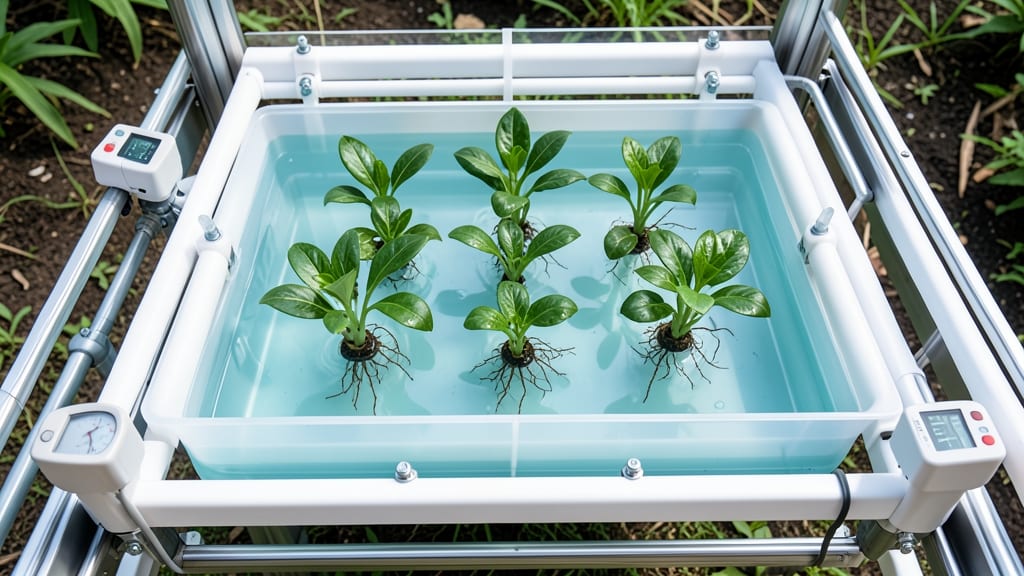
Ready to take your Jamaican Leaf of Life propagation to the next level? Hydroponic systems eliminate soil-borne pathogens and accelerate growth by delivering direct nutrient absorption through water—perfect for commercial growers or large-scale projects.
Start by placing healthy cuttings in a nutrient-rich hydroponic solution (pH 5.5–6.5) under LED grow lights for 12–16 hours daily. Roots emerge in 7–10 days, and plants mature 30% faster than soil-grown counterparts. This method also reduces water waste and contamination risks, making it ideal for sterile environments.
Commercial growers and urban farmers with limited space will love this scalable, high-yield approach. Whether you're cultivating medicinal-grade aloe or rare varieties, hydroponics ensures consistent, disease-free growth. 💡
Seed Germination in Warmth
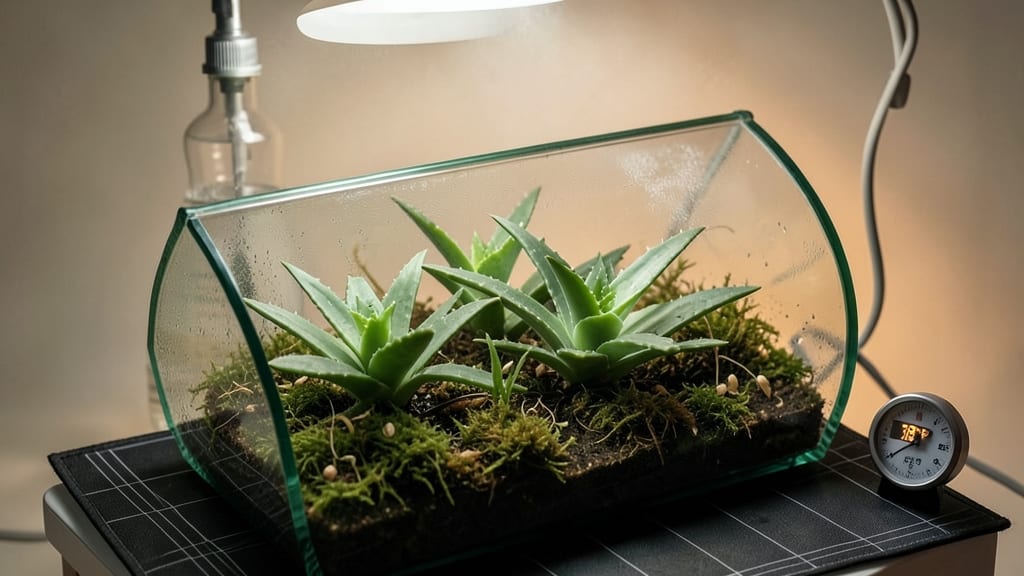
Patience pays off when growing rare aloe varieties from seeds—this method unlocks the diversity collectors crave, but it demands a cozy, controlled environment. Unlike cuttings, seeds require consistent warmth (75°F+) and humidity to break dormancy, mimicking their tropical origins.
Start with a clear plastic dome or propagation tray to trap moisture, then scatter seeds on top of a well-draining cactus mix. Keep the soil barely damp (never soggy) and maintain warmth using a heat mat or sunny windowsill. Germination can take 2–6 weeks, so resist the urge to disturb the soil until tiny rosettes appear.
This method is ideal for aloe collectors or those seeking unique varieties like aloe aristata or aloe brevifolia. The slow process rewards you with plants that retain their seed-grown genetic traits, often more vibrant than propagated clones. 🌱
Leaf Gel Extraction for Root Boost
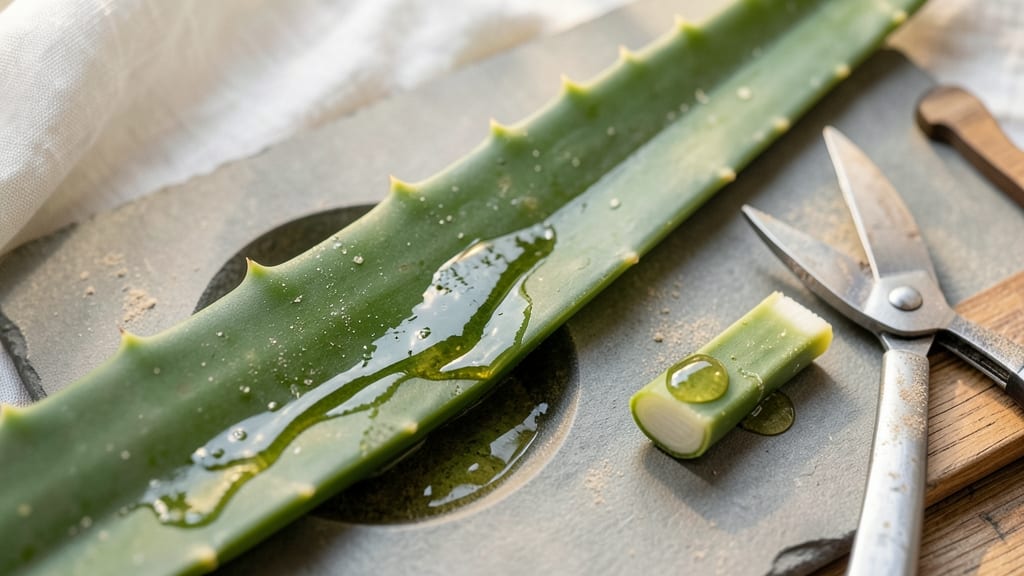
Skip the store-bought rooting hormones—your aloe vera plant already has everything you need! The clear gel inside its leaves contains natural growth-promoting compounds that act as a gentle, organic rooting booster when applied directly to cuttings.
Simply slice open a healthy leaf, scoop out a teaspoon of gel, and dip your leaf cuttings in it before planting. The gel reduces transplant shock by 40% while stimulating cellular growth, helping roots establish 2–3 times faster than water alone. This method works especially well for tropical or humid climates where cuttings often struggle.
Urban gardeners and medicinal plant enthusiasts will love this zero-waste technique—it’s perfect for propagating Jamaican Leaf of Life (Kalanchoe pinnata) or other succulents with minimal supplies. 💚
Air Layering for Tall Stems
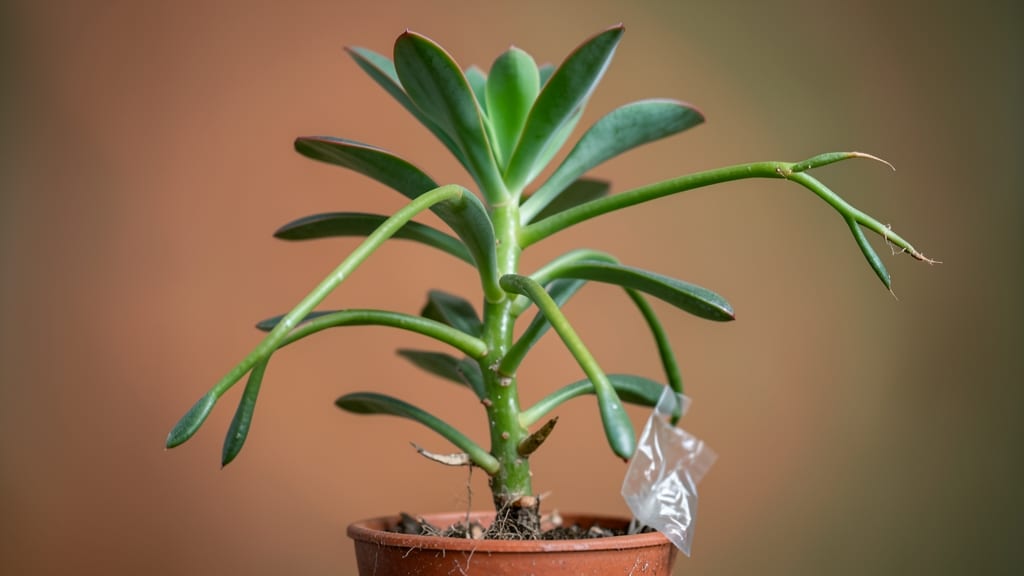
When your Jamaican Leaf of Life (Kalanchoe pinnata) stretches too tall and leggy, air layering is your secret weapon. This technique lets you create rooted cuttings without removing the stem—perfect for plants over 18 inches tall that need rejuvenation.
Start by selecting a healthy stem and making a small, clean cut about 1/3 of the way down. Wrap the cut area with damp sphagnum moss, securing it with plastic wrap to retain moisture. After 4–6 weeks, roots will form—simply cut below the moss, pot the stem, and watch it thrive as a new plant.
This method is ideal for gardeners who want to save mature plants while creating new ones, all without the stress of transplant shock. Perfect for both indoor and outdoor growers! 🌱
Compost Tea Fertilizer Method

Struggling with weak or slow-growing Jamaican Leaf of Life cuttings? A simple compost tea fertilizer can work wonders by supercharging soil microbes that help roots establish faster. This organic method is perfect for cuttings that seem stuck in their growth cycle.
Start by steeping well-aged compost in water (1 part compost to 5 parts water) for 24–48 hours, then strain and dilute with equal parts water before applying to your cuttings. The rich microbial activity in the tea creates an ideal environment for root development, often doubling success rates compared to plain water or soil alone. Use it every 2–3 weeks during propagation for best results.
This method is especially valuable for gardeners dealing with humid climates or poor soil quality, as it adds beneficial bacteria without harsh chemicals. Perfect for those who want to boost propagation without synthetic fertilizers! 🌱