
Pests and Diseases
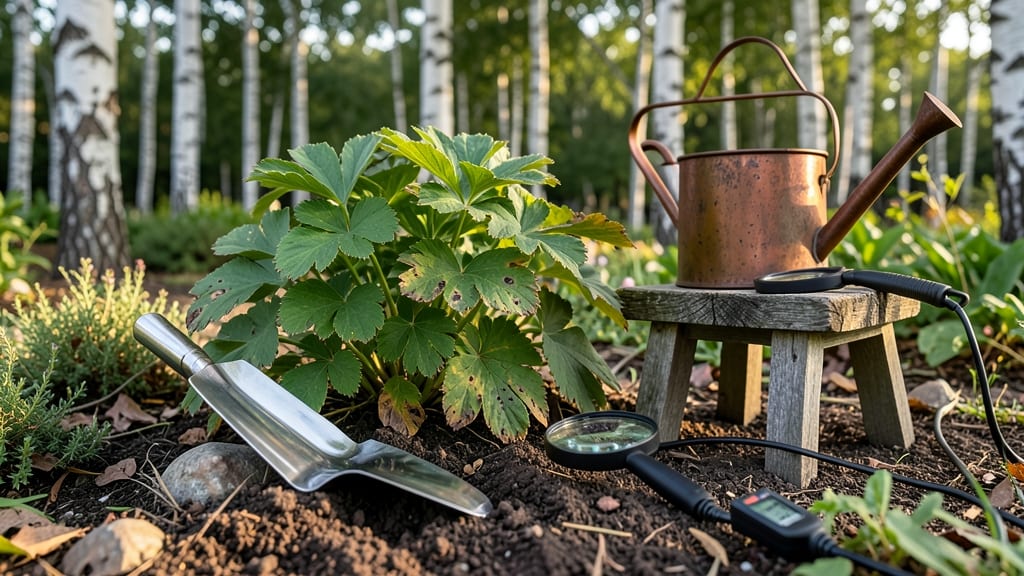
Japanese anemone leaf problems can turn your late-summer blooms into a sad, spotted mess—until you try this 48-hour fix. 🌿 I’ve seen powdery mildew, bacterial spots, and aphid damage ruin these gorgeous plants, but copper spray works like magic when applied right.
The key is catching issues early, before the leaves turn to lace or drop entirely.
Most problems start with too much moisture or crowded foliage. Powdery mildew looks like dusty white patches, while bacterial spots appear as water-soaked brown marks. Aphids cluster on undersides, leaving sticky residue.
The good news? Copper spray—whether homemade or store-bought—stops fungal growth and deters pests without harsh chemicals. Just mix it up and spray when leaves are dry.
Within two days, you’ll see fresh green leaves pushing through, and the plant will bounce back stronger. The secret is consistency: spray every 7–10 days during humid weather, and keep airflow moving by thinning out crowded stems. Your anemones will reward you with bold blooms all season long.
Works for both powdery mildew and bacterial spots, and even keeps slugs and aphids at bay. No more wilting leaves or missed blooms—just healthy, thriving plants. Let’s get those leaves looking crisp again!
Root Causes Behind Leaf Issues
Japanese anemones (Anemone × hybrida) are prized for their elegant blooms and lush foliage, but when their leaves start showing distress, it’s often due to underlying environmental or biological stressors.
Understanding why these problems occur is the first step toward revival. Below, we break down the most common culprits—backed by science—and explain how they disrupt your plant’s health.
Japanese anemones thrive in cool to moderate climates, and extreme heat or rapid temperature swings can trigger leaf problems. Here’s how it happens:
- Heat Shock: Temperatures consistently above 85°F (29°C) stress the plant, causing chlorosis (yellowing) or necrosis (brown, crispy edges).
The leaves lose turgor pressure as cells dehydrate, leading to wilting or curling. - Sunburn: While anemones tolerate partial shade, direct afternoon sun (especially in hot climates) can scorch leaves, creating bleached or white patches where chlorophyll breaks down. - Cold Damage: Freezes below 20°F (-7°C) can cause blackened or mushy leaves due to ice crystal formation in cells, rupturing membranes.
💡 Pro Tip: Mulch with 3–4 inches of organic matter (like shredded bark) to regulate soil temperature and retain moisture, buffering against extreme heat or cold.
Anemones are drought-tolerant but hate soggy roots, making watering a delicate balance. Poor moisture management leads to:
- Overwatering & Root Rot:
- Fungal pathogens (Phytophthora, Pythium) thrive in waterlogged soil, blocking oxygen uptake and causing yellowing, wilting, or black stems.
- Symptoms: Mushy roots, leaves that droop even when soil is wet, and a foul, sour smell from the base.
- Why? Anaerobic conditions trigger ethylene gas production, accelerating cell death.
- Underwatering & Drought Stress:
- Leaves curl inward or develop brown, papery edges as cells lose moisture.
- Chronic dehydration weakens the plant, making it susceptible to pests (like spider mites) that exploit stressed foliage.
✨ Actionable Fix: Water deeply 1–2 times per week (depending on climate), ensuring the top 6 inches of soil dry out between sessions. Use well-draining soil (amend with perlite or sand) to prevent saturation.
Japanese anemones are prone to foliar diseases when humidity is high and airflow is poor. Here’s how pathogens attack:
| Disease | Cause | Leaf Symptoms | Triggers |
|---|---|---|---|
| Powdery Mildew | Erysiphe fungus | White, powdery coating (like talcum powder) | High humidity (70%+), poor airflow |
| Leaf Spot | Septoria or Cercospora fungi | Dark spots with yellow halos, may ooze | Wet foliage, overhead watering |
| Bacterial Blight | Xanthomonas bacteria | Water-soaked lesions turning brown/black | Rain splashes, contaminated tools |
🔥 Why It Spreads:
- Fungi spore in damp conditions, landing on leaves via wind or splashing water.
- Bacteria enter through wounds (e.g., from pruning or hail) and multiply in moist environments.
👨🍳 Prevention: Space plants 18–24 inches apart for airflow, avoid overhead watering, and sterilize pruners with rubbing alcohol. For powdery mildew, neem oil (1 tsp/gallon) disrupts fungal membranes.
Pests drain sap, spread disease, or physically damage tissue, leading to leaf discoloration, holes, or stunted growth. Common culprits:
- Spider Mites (Tetranychus spp.):
- Symptoms: Stippling (tiny white/yellow dots), silver webbing on undersides.
- Why? They pierce cells to suck sap, causing chlorophyll loss (yellowing) and premature leaf drop.
- Japanese Beetles:
- Symptoms: Skeletons (chewed leaves with veins intact), black fecal pellets.
- Why? Larvae feed on roots, while adults skeletonize foliage, reducing photosynthesis.
- Slugs & Snails:
- Symptoms: Irregular holes, silver slime trails, notches on leaf edges.
- Why? They consume entire sections of leaves overnight, leaving behind glossy, chewed surfaces.
🎯 Solution: Introduce beneficial nematodes (Phasmarhabditis hermaphrodita) for slugs, or spray neem oil (1%) for mites. Handpick beetles in the morning for immediate relief.
Japanese anemones are light feeders, and imbalances in soil nutrients can manifest as leaf problems:
- Nitrogen (N) Deficiency:
- Symptoms: Pale yellow leaves (starting at the base), stunted growth.
- Why? Nitrogen is critical for chlorophyll production; deficiency halts protein synthesis.
- Magnesium (Mg) Deficiency:
- Symptoms: Interveinal chlorosis (yellowing between veins, often on older leaves).
- Why? Magnesium is central to chlorophyll molecules; lack of it disrupts photosynthesis.
- Iron (Fe) Deficiency:
- Symptoms: Bright yellow leaves (even veins), small new growth.
- Why? Iron is immobile in plants, so new leaves show symptoms first when roots can’t absorb enough.
- Over-Fertilization (Salt Burn):
- Symptoms: Brown, crispy leaf edges, leaf drop, white crust on soil.
- Why? Excess salts (from synthetic fertilizers) osmotically stress roots, preventing water uptake.
💪 Fix: Test soil pH (6.0–7.0 is ideal) and amend with chelated iron or Epsom salt (1 tbsp/gallon) for magnesium. Flush soil with water if you suspect salt buildup.
Quick Fixes for Japanese Anemone Leaf Issues
Reviving your Japanese anemone’s lush foliage starts with pinpointing the root cause—whether it’s fungal infections, pest invasions, or environmental stress. Below, we’ve mapped out practical, step-by-step solutions for each common problem, plus prevention tips to keep your plants thriving long-term. No green thumb required—just follow along!
Fix it fast with these copper-based remedies:
1. 🔥 Copper Spray Revival (48-Hour Turnaround)
Japanese anemones respond amazingly to copper fungicide sprays—the same trick used in organic gardening for decades. Here’s how: - Mix it right: Use a ready-to-use copper fungicide (like Bonide Copper Fungicide or Neem Oil + Copper Soap blend).
For a DIY version, combine: - 1 tsp copper sulfate (or 1 tbsp copper fungicide powder) - 1 quart water - 1 tsp dish soap (as a spreader-sticker) - Optional: Add 1 tsp baking soda for extra alkaline power against fungi. - Spray like a pro: Apply early morning or late evening (avoid direct sunlight—it burns leaves!).
Focus on: - Undersides of leaves (fungi love hiding there!). - Stems and buds (prevents spread). - Reapply every 7–10 days until new growth appears. ✨ Pro Tip: After spraying, water the soil deeply to help the plant absorb nutrients.
2. 🌡️ Adjust Humidity & Airflow Fungi thrive in stagnant, damp air.
Fix this by: - Space plants 18–24 inches apart (improves airflow). - Water at the base (avoid overhead spraying—it splashes spores onto leaves). - Use a fan on low speed near the plant (mimics natural wind). - Prune crowded branches to let air circulate.
3. 💡 Prevent Future Outbreaks
- Rotate copper sprays with neem oil (every other week) to avoid resistance.
- Mulch with pine needles or gravel (keeps soil dry and deters fungal spores).
- Avoid wetting foliage when watering—use a soaker hose instead.
Crush the critters without chemicals (mostly!).
1. 👨🍳 Handpick Japanese Beetles (Best for Heavy Infestations)
- When? Early morning (beetles are sluggish and easy to grab).
- How?
- Fill a bucket with soapy water (1 tbsp dish soap + water).
- Wear gloves and pluck beetles into the bucket.
- Dispose of them (don’t toss them back—they’ll return!).
- Bonus: Drop a few drops of neem oil on their backs to kill them faster.
2. 🕷️ Slug & Snail Barriers (Nighttime Raiders)
- Copper tape or rings: Place copper tape around pots or garden beds—slugs get a mild electric shock and avoid it.
- Beer traps: Bury a shallow dish filled with beer near the plant.
Slugs crawl in and drown. 💡 Pro Tip: Refresh the beer every 2 days. - Diatomaceous earth (DE): Sprinkle food-grade DE around the base (reapply after rain). It’s a natural abrasive that dehydrates slugs.
3. 🌿 Natural Miticide Sprays for Spider Mites
- Neem oil spray:
- Mix 1 tbsp neem oil + 1 tsp mild soap + 1 quart water.
- Spray both sides of leaves until glistening.
- Reapply every 5–7 days until mites vanish.
- Blast them off: Use a strong stream of water from a hose to knock mites loose.
4. 🎯 Long-Term Pest Prevention
- Plant companion flowers like marigolds, chrysanthemums, or catnip—they repel beetles and mites.
- Encourage beneficial insects: Ladybugs and lacewings love eating spider mites. Attract them with dill, fennel, or yarrow.
- Remove fallen leaves/debris (pests hide there!).
Tweak your care routine for instant relief.
1. 🌞 Fix Sunburnt or Scorched Leaves
- Move the plant to partial shade (3–6 hours of morning sun max).
- Provide afternoon shade with a lightweight shade cloth (30–50% coverage).
- Mulch heavily (3–4 inches of organic mulch) to keep roots cool.
2. 💦 Drainage & Overwatering Issues
- Check the soil: Stick your finger 2 inches deep—if it’s soggy, hold off on watering.
- Improve drainage:
- Add perlite or sand to heavy clay soil.
- Plant in well-draining containers with holes.
- Water deeply but less often: Japanese anemones hate "wet feet."
Water once a week (or when soil is dry 2 inches down).
3. 🌱 Nutrient Deficiencies (Yellowing Leaves)
- Test your soil (a simple $20 home kit works).
Japanese anemones love: - pH 6.0–7.0 (slightly acidic to neutral). - Balanced fertilizer (10-10-10) in spring and early summer. - Fix yellow leaves: - Nitrogen deficiency? Use compost or fish emulsion. - Magnesium deficiency (yellow between veins)? Sprinkle Epsom salt (1 tbsp per gallon of water) every 2 weeks.
4. ⏰ Prune for Better Airflow & Growth
- Remove dead/diseased leaves with sterilized pruners (wipe with rubbing alcohol).
- Cut back leggy stems in early spring to encourage bushier growth.
- Deadhead spent blooms to redirect energy to foliage.
If your anemone is past saving but you want to salvage the roots: 1. Severely infected? Dig up the plant, trim all blackened leaves, and soak roots in 1:10 hydrogen peroxide solution (3%) for 10 minutes to kill fungi.
- Repot in fresh, sterile soil (mix 50% garden soil + 50% compost).
- Keep it dry and shaded for 2 weeks while it recovers.
Final Thought: Japanese anemones are tough once you get the basics right—copper sprays, proper airflow, and smart watering are your best friends. Start with one fix at a time, monitor progress, and soon you’ll have vibrant, pest-free foliage in no time! 🌿✨
Frequently asked questions
Why do Japanese anemone leaves turn yellow between the veins first?
This classic symptom usually signals magnesium deficiency, where the plant can't produce enough chlorophyll. Magnesium is central to chlorophyll molecules, so when levels drop, older leaves (which transport nutrients to new growth) show yellowing first. Try applying Epsom salt (1 tbsp per gallon of water) every 2 weeks to restore magnesium levels.
Can I still save my Japanese anemone if the leaves have white powdery spots?
Yes! That's powdery mildew, and copper fungicide works wonders. Mix 1 tsp copper sulfate with 1 quart water and spray thoroughly on both leaf sides (especially undersides). Reapply every 7-10 days until new growth appears. For prevention, space plants 18-24 inches apart and avoid overhead watering.
What's the fastest way to stop slugs from eating my anemone leaves overnight?
Set up a beer trap immediately—slugs are irresistibly drawn to it. Bury a shallow dish filled with beer near the plant, and refresh it every 2 days. For long-term protection, create a barrier with copper tape around pots or garden beds, which gives slugs a mild electric shock they avoid.
Are Japanese anemones sensitive to too much sun?
While they tolerate partial shade, direct afternoon sun (especially in hot climates) can scorch leaves, creating bleached patches. Move your plant to morning sun only (3-6 hours max) and provide afternoon shade with a lightweight cloth. Mulching heavily (3-4 inches) also helps regulate root temperature.
How often should I fertilize Japanese anemones to prevent leaf problems?
Light feeders need just 2 applications per year: use a balanced fertilizer (10-10-10) in early spring and early summer. Over-fertilizing causes salt buildup, which leads to brown, crispy leaf edges. Always water thoroughly after fertilizing to prevent root burn.