
Pests and Diseases
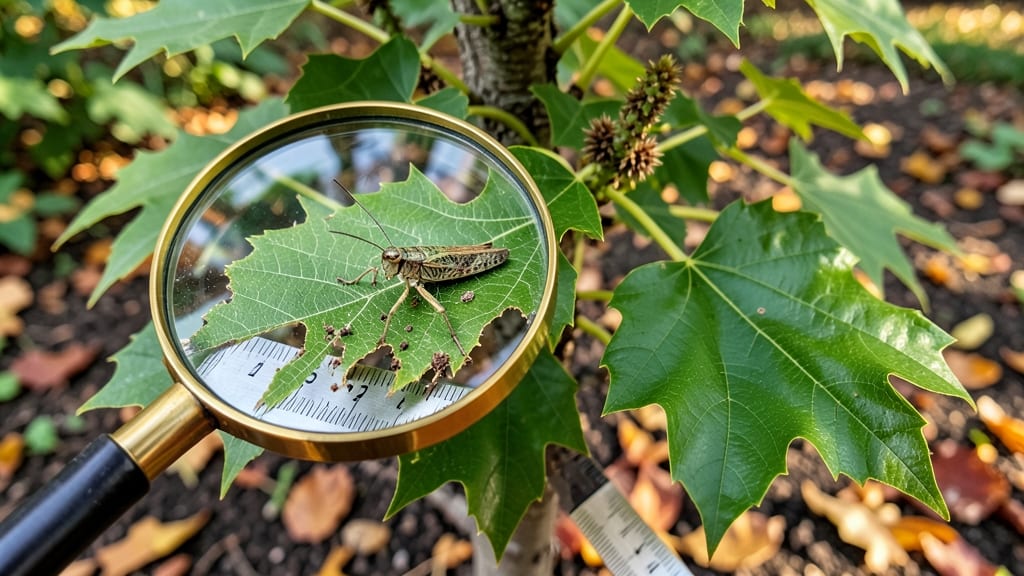
Katydid leaf damage turns leaves into lacy skeletons that look like Swiss cheese—not the clean edges of grasshoppers or the holes of beetles. 🌿 I’ve spent years watching these camouflaged critters turn my vegetable plants into leafy confetti, and I’ve learned the 12 key markers that scream "katydid attack" before the damage gets out of hand.
Adult katydids leave jagged, irregular notches along leaf edges, while nymphs create tiny, scattered holes that expand into larger tears. The real giveaway? You’ll often find them frozen mid-chew on the undersides of leaves, their wings folded like origami.
They love tomatoes, peppers, and basil—my go-to herbs—so if your plants look like they’ve been through a food processor, this is your culprit.
Here’s the good news: katydids are mostly harmless to plants, but their damage adds up fast. A single adult can skeletonize a leaf in under an hour, and nymphs work in swarms.
The secret to rescue? Handpick them at dusk (they’re slow then) or introduce praying mantises, their natural predators, which actually help control katydid populations better than sprays ever could.
Prevention is easier than cleanup—plant dill, fennel, or marigolds nearby to distract them, and avoid overwatering (katydids adore damp soil). If you’re in the South or Southwest, where they thrive, this guide will save you from turning your garden into a leafy salad bar.
Let’s get those plants back to full strength!
Causes behind leaf destruction
Katydids—those stealthy, leaf-mimicking insects—aren’t just charming garden visitors. When their populations explode, they can turn your prized plants into a buffet of destruction. But why do they suddenly decide your foliage is their personal salad bar?
Let’s break down the real reasons behind their leaf-crunching rampages, so you can outsmart them before they out-eat you.
Katydids thrive in environments where their natural enemies—like birds, spiders, and parasitic wasps—are scarce. If your garden lacks biodiversity (or if pesticides have wiped out their predators), katydids reproduce unchecked.
A single female can lay hundreds of eggs, and without controls, their numbers skyrocket. When food (your leaves) becomes limited, they’ll overgraze, stripping plants bare in days. 🐦🕷️
Actionable fix:
- Encourage natural predators by planting native flowers (like milkweed or coneflowers) to attract beneficial insects.
- Install birdhouses or bat boxes—both are katydid nightmares.
- Avoid broad-spectrum pesticides, which kill predators faster than katydids.
Not all plants are equally tempting to katydids. These leaf-munchers have a preference list, and if your garden is stocked with their favorites, they’ll move in permanently. Common targets include:
- Fruit trees (especially peach, plum, and apple)
- Vegetables (beans, corn, and squash)
- Ornamentals (roses, hibiscus, and gardenias)
- Lawn grasses (yes, they’ll nibble even your turf)
Katydids also love young, tender leaves—new growth is like fast food to them. If your plants are stressed (from drought, poor soil, or over-fertilization), they become even more vulnerable. 💦🌱
Actionable fix:
- Replace high-risk plants with katydid-resistant varieties (e.g., okra, marigolds, or basil—they’re less appealing).
- Use mulch to retain soil moisture and reduce stress on plants.
- Prune new growth regularly to deny katydids their preferred snack.
Katydids are opportunistic, and their feeding frenzies often spike during:
- Hot, dry summers: Drought-stressed plants release volatiles (chemical signals) that attract katydids like a dinner bell. 🔥
- Warm nights: Katydids are most active after sunset, so humid, balmy evenings mean more munching.
- Early spring: As temperatures rise, katydid eggs hatch, and starving nymphs go on a feeding spree.
Even unseasonal rain can trigger outbreaks—wet conditions help katydid eggs survive and hatch faster. ☔
Actionable fix:
- Install a weather station or check forecasts to predict katydid activity spikes.
- Use drip irrigation to keep soil moist without creating humid nighttime conditions.
- Apply reflective mulch (like aluminum foil) to disrupt their nighttime feeding patterns.
Sometimes, we accidentally create the perfect katydid paradise. Common human mistakes that invite these pests include:
- Over-fertilizing: Too much nitrogen makes leaves softer and more nutritious, a katydid’s dream. 🍃
- Ignoring yard debris: Piles of leaves, wood, or grass clippings provide hiding spots and egg-laying sites.
- Monoculture landscaping: Planting only one type of plant (like a single row of corn) turns your garden into a katydid buffet.
- Using chemical pesticides: These can kill off predators first, leaving katydids to thrive unchecked.
Actionable fix:
- Switch to slow-release, organic fertilizers to avoid nitrogen spikes.
- Keep your yard tidy: Remove leaf litter, mulch properly, and store firewood away from plants. 🧹
- Practice polyculture gardening—mix plant types to confuse katydids.
- Opt for targeted pest controls (like neem oil or kaolin clay) that don’t harm predators.
Katydid damage isn’t random—it’s strategic. By understanding their triggers, you can rewrite the rules of your garden and keep those leaf-chewing invaders in check.
Fixing Katydid Leaf Damage Fast
Katydids may seem harmless, but their leaf-eating habits can quickly turn your garden into a skeleton of its former self. The good news? With the right approach, you can reverse the damage and keep these pests in check—without resorting to harsh chemicals.
Below, we’ve mapped out targeted solutions based on the most common causes of katydid leaf damage, along with preventive tips to stop future outbreaks.
If your yard is a katydid buffet due to dense foliage, thinning plants is your first line of defense. Katydids thrive in cluttered spaces where they can hide and multiply.
How to Fix It: ✅ 🔪 Prune Strategically – Trim back overgrown bushes, vines, and weeds, especially near host plants like roses, hibiscus, and citrus. Focus on removing tattered or heavily chewed leaves first—they’re katydid magnets. ✅ 🌱 Space Plants Wisely – Give your garden a breath of fresh air by increasing airflow between plants. Aim for 12–18 inches of spacing between shrubs and 2–3 feet between trees. ✅ 🍂 Mulch Smartly – Use wood chips or straw (not thick layers) to deter katydids, which dislike dry, exposed soil.
💡 Pro Tip: If you love a lush garden, opt for katydid-resistant plants like lavender, marigolds, or basil—their strong scents repel these pests naturally.
Katydids target tender new growth, leaving jagged holes and stunted plants in their wake. If your seedlings or young perennials are under attack, strengthening them is key.
How to Fix It: ✅ 💧 Hydrate Deeply – Katydids love stressed plants. Water at the base (not overhead) to prevent fungal issues and keep foliage firm and unappetizing to them. ✅ 🌱 Fertilize Lightly – Use a balanced, slow-release fertilizer (like 10-10-10) to encourage thicker leaves—katydids prefer soft, thin foliage. ✅ 🛡️ Shield New Growth – For high-value plants, cover seedlings with fine netting (like floating row covers) until they mature.
🔥 Quick Rescue: If a young plant is already heavily damaged, prune the affected leaves and feed it a dose of compost tea to speed up recovery.
Katydids are nocturnal nibblers, making them tricky to spot during the day. If you’re waking up to new leaf damage overnight, it’s time to hunt them down.
How to Fix It: ✅ 🔦 Nighttime Patrol – Grab a flashlight and gloves, then shake plants gently at dusk. Katydids will drop to the ground—squash them or drop them in soapy water. ✅ 🕷️ Set Up Traps –
- Yellow Sticky Traps (katydids are attracted to the color).
- DIY Beer Traps: Bury a shallow container filled with beer near plants—katydids will drown in it.
✅ 🌿 Use Beneficial Predators – Encourage birds, spiders, and parasitic wasps (like Tachinaephaga flies) by keeping a wildflower meadow nearby.
⚠️ Warning: Avoid broad-spectrum insecticides—they kill beneficial predators too, making the problem worse long-term.
Katydids love heat and moisture, so if your garden is a tropical paradise, they’ll stick around like uninvited guests. Drying out their favorite spots can send them packing.
How to Fix It: ✅ ☀️ Increase Sun Exposure – Trim back shady, damp areas where katydids hide. Aim for at least 6 hours of sunlight per day in problem zones. ✅ 💨 Improve Drainage – Fix standing water in saucers or low spots—katydids lay eggs in moist soil. Use gravel or sand to improve drainage. ✅ 🌬️ Use Fans (Yes, Really!) – Place a small oscillating fan near plants—katydids hate wind and will avoid the area.
🌡️ Heat Hack: If you’re in a hot climate, mulch with coarse bark to keep soil temperatures consistently high—katydids prefer cooler, moist conditions.
The best way to handle katydid damage? Prevent it in the first place. Here’s how to keep your garden katydid-free season after season:
🔹 🌱 Plant Deterrents – Surround vulnerable plants with katydid-repelling herbs like mint, thyme, or rosemary. 🔹 🍂 Clean Up Debris – Remove fallen leaves, dead plants, and weeds in autumn—katydids overwinter in leaf litter. 🔹 🕊️ Encourage Natural Enemies – Install a birdhouse or bat box—both are katydid predators. 🔹 🛡️ Apply Neem Oil (Early Season) – Spray neem oil on plants in late spring to disrupt katydid egg-laying and deter adults. 🔹 📅 Monitor Eggs – Check tree bark and plant stems in fall/winter for small, foam-like egg masses—scrub them off with a brush.
Final Thought: Katydid damage doesn’t have to mean game over for your garden. With targeted pruning, smart watering, and a few strategic traps, you can outsmart these pests without chemicals.
Start with one or two fixes from above, then expand based on what works best in your space. Your garden will thank you! 🌿💚
Frequently asked questions
How can I tell if katydids—not grasshoppers—are damaging my plants?
Look for irregular, jagged notches along leaf edges (not clean cuts like grasshoppers) and tiny scattered holes from nymphs. Katydids often leave behind a lacy skeleton of veins while grasshoppers create straight-edged gaps. Check leaf undersides at dusk—they freeze mid-chew, their wings folded like origami.
Are katydids harmful to my garden beyond cosmetic damage?
While they rarely kill mature plants, heavy infestations can stunt growth in young seedlings and reduce yields in vegetables like beans or corn. The bigger risk is their rapid reproduction—a single female lays hundreds of eggs, turning your garden into a katydid breeding ground if unchecked.
What’s the most effective way to remove katydids without chemicals?
Try the nighttime flashlight method: Shake plants gently at dusk—they’ll drop to the ground. Collect them in soapy water or relocate them to a wildflower patch (their natural predators live there). For prevention, plant marigolds or basil nearby—their strong scents deter katydids naturally.
Why do katydids seem worse in some years than others?
Outbreaks spike after mild winters (more eggs survive) or drought years (stressed plants attract them). They also thrive when predators like birds or spiders are scarce—common after pesticide use. Regional weather patterns (like unseasonal rain) can trigger hatching surges too.
Can katydids damage fruit or vegetables beyond the leaves?
Rarely—they focus on foliage, but young fruit (like tomatoes or peaches) can get superficial scarring if heavily infested. The real concern is transmitted plant pathogens when their mouthparts pierce tender tissue. Harvest fruit promptly and inspect for tiny puncture marks if you notice leaf damage nearby.