
Plants
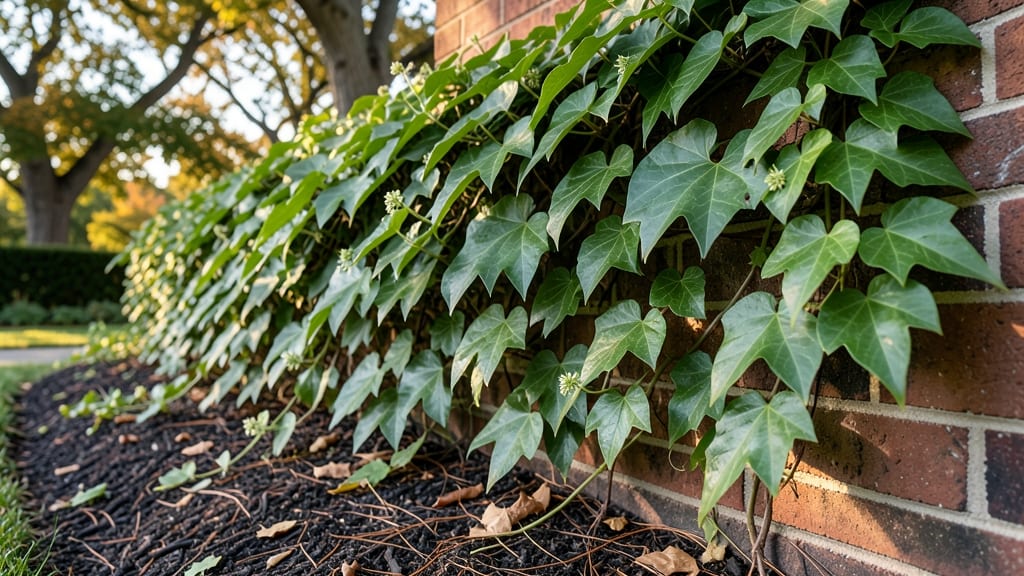
Growing a large leaf climbing vine like Monstera or Philodendron feels like unlocking a tropical jungle in your home. 🌿 These fast-growing perennials transform bare walls into lush vertical gardens with minimal effort—once you know the secrets to their care.
The key is mimicking their natural habitat: bright, indirect light, slightly moist soil, and humidity levels that keep those signature leaves velvety and glossy. Most people overwater or place them in direct sun, which causes yellowing or crispy edges.
I’ve learned the hard way that these plants thrive when you treat them like the low-maintenance divas they are. By summer’s end, you’ll have a 6-foot-tall jungle cornerpiece that purifies the air and turns heads. The best part?
They’re easy to propagate—just snip a stem and root it in water for a free plant. Whether you’re filling a sunroom or dressing up an apartment wall, these vines adapt beautifully. Let’s get your vertical garden growing!
📚 In This Guide
- What you need
- Instructions
- Tips and common mistakes
- Wrapping up and next steps
What you need
- ● Large leaf climbing vine plant(s): 1-3 (e.g., Parthenocissus tricuspidata, Clematis, or Actinidia—choose based on your climate zone).
- ● Trellis, fence, or sturdy support: At least 6–10 feet tall (wood, metal, or PVC). Ensure it’s durable to hold 20+ lbs of vine weight.
- ● Well-draining potting mix: 2–3 bags (50 lbs each) for in-ground planting or 1–2 bags (20 lbs) for containers.
- ● Organic compost: 1–2 bags (for nutrient-rich soil).
- ● Slow-release fertilizer: 10–20 lbs (10-10-10 or balanced formula).
- ○ Mulch (optional but recommended): 1–2 bags (cedar or shredded bark).
- ● Garden trowel or shovel (for planting).
- ● Pruning shears (sharp, bypass-style for clean cuts).
- ● Gloves (gardening or work gloves to protect hands).
- ● Watering can or hose (with a gentle spray nozzle).
- ● Measuring tape (to space plants 3–6 feet apart).
- ● String or twine (for tying young vines to supports).
- ● Sunlight: 6+ hours of direct sun (varies by vine type—check your plant’s needs!).
- ● Water access: A nearby hose or watering system (vines need consistent moisture).
- ● Space: Minimum 5 feet of vertical clearance + horizontal root zone.
- ● Climate check: Confirm your vine thrives in your USDA Hardiness Zone (e.g., Parthenocissus loves Zones 4–8).
Step-by-step instructions for planting and growing a large leaf climbing vine
Here’s how to get your fast-growing, dramatic vine thriving in record time—no green thumb required.
🌱 Step 1: Choose the Perfect Planting Spot
Large leaf climbing vines need a location with at least 6 hours of sunlight daily—morning sun with afternoon shade works best in hotter climates. I always check the spot’s light conditions for a full week before planting to avoid surprises. Look for a wall, trellis, or sturdy fence that can support the vine’s weight as it grows.
If you’re planting near a wall, leave 12-18 inches of clearance between the vine and the surface. This prevents moisture buildup against the wall, which can rot stems. For trellises, ensure the structure is anchored securely—these vines can grow 10-15 feet in a single season and put serious strain on flimsy supports.
🪴 Step 2: Prepare the Soil and Plant
Amend the soil with 2-3 inches of compost mixed into the top 12 inches of soil. Large leaf vines thrive in well-draining, nutrient-rich soil with a slightly acidic to neutral pH (around 6.0-7.0). If your soil is heavy clay, add a handful of perlite or coarse sand per hole to improve drainage.
Dig a hole twice as wide as the root ball but only as deep as the container’s root base. Gently remove the plant from its container, loosen any circling roots with your fingers, and place it in the hole so the top of the root ball sits 1 inch below soil level. This ensures stability as the vine grows taller and heavier.
☀️ Step 3: Provide Support and Water Deeply
Install your trellis, wall hooks, or other support system before planting—these vines are aggressive climbers and will scramble for anything to latch onto. I like to use a combination of twine or soft garden ties to guide the main stems upward initially. As the vine grows, it’ll naturally wrap around the support structure.
Water the plant deeply right after planting—soak the soil until water drains out the bottom of the hole. This helps settle the roots and eliminates air pockets. After that, water once a week during the first month, giving it 1-2 inches of water per week. You’ll know it’s getting enough when the soil feels moist 2 inches below the surface.
🌿 Step 4: Train and Prune for Maximum Growth
Once the vine reaches 3-4 feet tall, start training it by gently weaving the main stems around the trellis or support structure. This encourages stronger growth and prevents the vine from toppling over. Prune back any leggy or weak growth to focus the plant’s energy on developing thick, sturdy stems.
In late spring or early summer, trim back any overly crowded or crossing stems to improve airflow. This reduces the risk of fungal diseases and keeps the foliage lush. I always prune just above a leaf node—this is where new growth will emerge. By mid-summer, your vine should be 8-10 feet tall with vibrant, large leaves.
⏰ Step 5: Maintain Through the Growing Season
Fertilize your vine once in early spring and again in mid-summer with a balanced, slow-release fertilizer (like a 10-10-10). This keeps the growth steady without overwhelming the plant. Avoid high-nitrogen fertilizers—they promote leafy growth at the expense of sturdy stems.
Watch for pests like aphids or spider mites, which love the tender new growth. Spray the undersides of leaves with a mix of 1 tablespoon mild dish soap per gallon of water if you spot any. With proper care, your vine will reward you with fast, dramatic growth and a stunning vertical display by late summer.
Tips & tricks for perfect large leaf climbing vine growth
A few strategic moves will help your vine grow faster and stronger than you ever imagined.
Location Scout Like a Pro: I can't stress enough how important that full week of sunlight tracking is. Use a simple app to log sunlight hours at your chosen spot—trust me, it's worth the effort. If you're in a hot climate, those afternoon shade hours make all the difference in preventing leaf scorch. And remember, the 12-18 inch clearance from walls isn't just about looks—it's about preventing stem rot from trapped moisture.
Soil Prep Secret: When mixing in that 2-3 inches of compost, don't just scratch it in—really work it into the top 12 inches. I like to use a broadfork to aerate the soil first, then mix in the compost. For clay soil, add perlite or sand gradually while testing drainage—you want water to disappear within 2-3 hours after watering. A soil pH test kit is worth the investment here; getting that pH just right between 6.0-7.0 makes all the difference in root development.
Support System Strategy: Before you even plant, install that trellis or wall hooks—these vines will scramble for anything to grab onto, and you want them climbing your chosen structure, not your fence or neighbor's property. I've seen vines grow 10 feet in a season, so make sure your support can handle that weight. For training, use soft twine or fabric ties that won't damage the stems as they thicken. The key is to guide the main stems early—once they're established, they'll do most of the work themselves.
Watering Wisdom: That deep watering right after planting isn't just about settling roots—it's about eliminating air pockets that can strangle new growth. After the first month, stick to that 1-2 inches per week guideline, but check soil moisture 2 inches down. If it's dry, water; if it's still moist, wait. Overwatering is just as bad as underwatering for these vines. And here's a pro move: water in the morning so leaves have all day to dry, reducing fungal risks.
Pro Tips for Large Leaf Climbing Vine
- A few strategic moves will help your vine grow faster and stronger than you ever imagined.
- Location Scout Like a Pro: I can't stress enough how important that full week of sunlight tracking is.
- Soil Prep Secret: When mixing in that 2-3 inches of compost, don't just scratch it in—really work it into the top 12 inches.
Frequently asked questions
Got questions about growing a large leaf climbing vine? You’re not alone! Here are answers to the most common queries to help you cultivate a thriving vertical garden with ease.
What’s the fastest-growing large leaf climbing vine for beginners?
For quick results, try Mikania micrantha (also called "mile-a-minute vine") or Parthenocissus tricuspidata (Boston ivy). Both grow aggressively (up to 12+ inches per week under ideal conditions) and are hardy for beginners. Just ensure they have sturdy trellises or walls to support their rapid growth!
How long does it take for a large leaf vine to cover a trellis?
Most fast-growing vines can cover a 6–8 ft trellis in 1–3 months during peak growing season (spring/summer). Slower varieties like Clematis may take 3–6 months. Pro tip: Prune regularly to encourage bushier growth and prevent overcrowding!
Are large leaf climbing vines invasive? Should I be worried?
Some vines, like English ivy (Hedera helix) or kudzu, can be invasive if left unchecked. Always research your local climate and regulations—opt for non-invasive species like Campsis radicans (trumpet vine) or Actinidia (kiwi vine) for safer options. Containment is key!
Can I grow a large leaf vine indoors or in containers?
Yes! Vines like Philodendron hederaceum or Monstera deliciosa thrive in containers with proper light (bright, indirect) and support (e.g., moss poles). Ensure drainage and rotate pots occasionally for even growth. Warning: Some vines (e.g., wisteria) need outdoor conditions to flourish.
Why are my vine leaves turning yellow or dropping? How do I fix it?
Yellowing leaves often signal overwatering, nutrient deficiency, or pests (like spider mites). Check soil moisture (keep it slightly dry), fertilize with a balanced plant food, and inspect undersides for pests. Quick fix: Prune affected leaves and adjust care based on the root cause.
What’s a good alternative if my vine isn’t thriving?
If your vine struggles with your climate, try climbing roses (fragrant + drought-tolerant), passionflower (vibrant blooms), or jasmine (scented and low-maintenance). Each offers unique textures and colors while requiring less aggressive growth management.
Wrapping up and next steps
Transforming your space with a large leaf climbing vine is easier than you think—just follow the right steps! These fast-growing perennials bring lush vertical beauty while requiring minimal effort. Whether you’re a gardening pro or a beginner, your walls, trellises, or fences are about to get a stunning makeover.
Ready to take the next step? Start by choosing the perfect spot in your garden, gather your supplies, and watch your vine thrive. Happy planting—your green oasis awaits! 🌿✨