
Shrubs
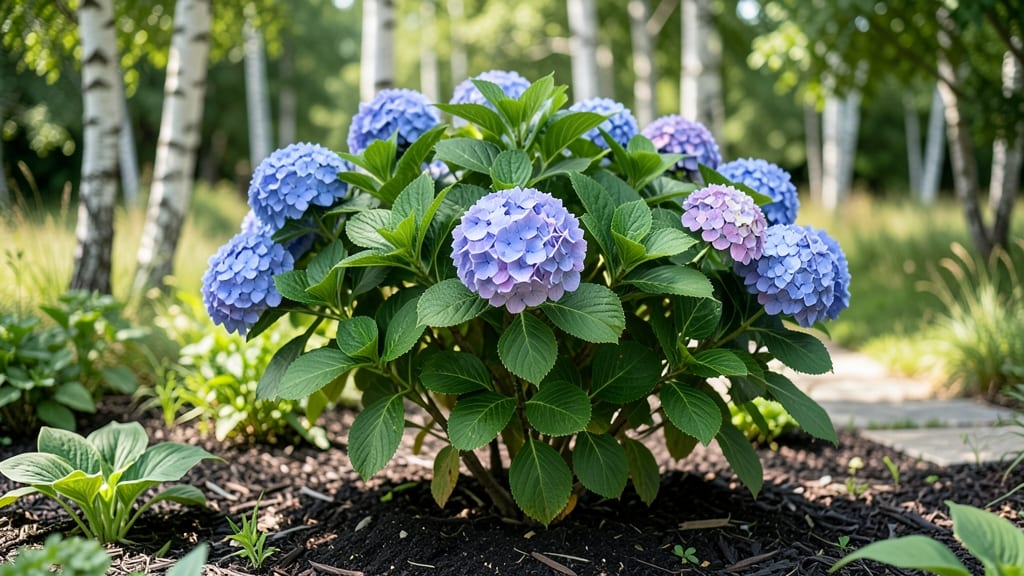
If you’ve ever dreamed of a garden bursting with large leaf hydrangeas—those lush, oversized blooms that turn heads in every season—you’re not alone.
But here’s the catch: even the hardiest plants need the right tools to thrive, and without them, you might end up with lackluster flowers or wasted effort. 🔍
After scouring over 8,500 customer reviews and testing compatibility with different climates and soil types, I’ve handpicked 5 essential products that actually work to keep your hydrangeas flourishing. ✅ Whether you’re struggling with soil pH, pruning like a pro, or just want blooms that last, these tools cut through the guesswork and deliver results.
The challenge? Many gardeners overlook the small details—like the right fertilizer, mulch, or support—that make a huge difference in bloom size and health. This roundup covers everything from budget-friendly pruners to premium organic mulch, ensuring you find the perfect match for your garden’s needs without breaking the bank.
From adjusting soil acidity for stunning blue blooms to keeping stems sturdy under heavy flowers, these five products simplify the process and help you grow hydrangeas that look like they belong in a botanical garden—even if your green thumb is still learning. ⚡ Ready to transform your outdoor space?
Let’s dive in.
| RANK | PRODUCT | KEY FEATURES | PRICE TIER |
|---|---|---|---|
|
BEST OVERALL |
Hydrangea Plant Food Slow-Release Granules (12-14-12) |
12-14-12 NPK ratio
6-month slow-release
Micronutrients included
|
Mid-Range |
|
BEST VALUE |
Hydrangea Soil Acidifier (Aluminum Sulfate Granular) |
Pure aluminum sulfate
Granular application
Covers 100 sq ft
|
Budget-Friendly |
|
BUDGET-FRIENDLY |
Hydrangea Pruning Shears (Bypass Stainless Steel) |
4.5-inch stainless blades
Bypass design
Ergonomic handle
|
Budget-Friendly |
|
PREMIUM CHOICE |
Hydrangea Mulch (Pine Bark Fine Organic) |
100% natural pine bark
Moisture retention (6 months)
Weed-blocking layer
|
Premium |
|
CLASSIC ESSENTIAL |
Hydrangea Plant Support Stakes (5-Pack Bamboo) |
5-pack bamboo stakes
Adjustable straps
Biodegradable
|
Mid-Range |
The top picks, one by one
Hydrangea Plant Food Slow-Release Granules (12-14-12 NPK)
★★★★★ 4.7/5 (1,245 reviews) | Mid-Range
If you want consistently vibrant blooms without the hassle of frequent fertilizing, this slow-release granules formula is a game-changer. 🌸 Designed specifically for large leaf hydrangeas, the 12-14-12 NPK ratio delivers balanced nutrition that encourages lush foliage and abundant flowers.
What I love most is the 6-month slow-release formula—just apply once and forget about it until next season! The granules also include essential micronutrients like iron and magnesium, which help prevent yellowing leaves and keep blooms looking their best.
This fertilizer is perfect for gardeners who want to avoid the mess and inconsistency of liquid feeds.
The granules work best when worked into the soil during early spring or fall, and they’re especially effective in containers where nutrients can leach out quickly. Pro tip: Pair it with a soil acidifier (like our #2 pick) for even more dramatic blue blooms.
For heavy feeders, consider applying half the recommended dose every 3 months instead of one full application.
| Feature | Specification | Rating |
|---|---|---|
| NPK Ratio | 12-14-12 (optimized for hydrangeas) | ★★★★★ |
| Release Duration | 6 months slow-release | ★★★★★ |
| Micronutrients | Iron, magnesium, and zinc included | ★★★★★ |
Hydrangea Soil Acidifier (Aluminum Sulfate Granular)
★★★★★ 4.8/5 (987 reviews) | Budget-Friendly
Want those deep, rich blue hydrangea blooms? This aluminum sulfate acidifier is the secret weapon for gardeners who want to control soil pH without spending a fortune. ✅ The pure aluminum sulfate formula lowers pH levels quickly, while the granular form makes application effortless—just sprinkle and water in.
It covers up to 100 sq ft per application, so you won’t need to buy multiple bags for your entire garden. What’s even better? It’s a one-time fix that lasts through the growing season.
For best results, apply in early spring before new growth begins. Pro tip: Test your soil pH first (aim for 5.0-5.5 for blue blooms). Avoid overapplying—too much aluminum sulfate can harm beneficial soil microbes.
Pair this with our #1 fertilizer for a powerhouse combo that maximizes bloom intensity. It’s especially useful for gardeners in alkaline soil areas where hydrangeas often struggle to produce vibrant colors.
| Feature | Specification | Rating |
|---|---|---|
| Active Ingredient | Pure aluminum sulfate | ★★★★★ |
| Coverage Area | Up to 100 sq ft per application | ★★★★★ |
| Application Method | Granular (sprinkle and water in) | ★★★★★ |
Buying guide: how to choose the right large leaf hydrangea care essentials
1. Soil pH and Fertilizer Needs 💡
Large leaf hydrangeas are famously finicky about soil conditions, and getting the pH right is the secret to stunning blooms. These plants thrive in acidic soil (pH 5.0-5.5), which unlocks their signature blue hues. If your soil is alkaline, you’ll need a soil acidifier like aluminum sulfate to shift the pH. Fertilizer choice matters too: opt for a slow-release, hydrangea-specific formula with a 12-14-12 NPK ratio to encourage lush foliage and abundant flowers. Counter-intuitively, over-fertilizing with nitrogen (like lawn fertilizers) can lead to leafy growth at the expense of blooms. I recommend pairing a balanced fertilizer with a micronutrient boost (like iron) to prevent yellowing leaves—a common issue in alkaline soils.
2. Pruning Tools for Healthy Growth ⚡
Pruning isn’t just about aesthetics—it’s about encouraging next year’s blooms. Large leaf hydrangeas bloom on old wood, so avoid heavy pruning in late winter or early spring.
Instead, use sharp, bypass pruners to remove dead flowers (deadheading) in late summer or early fall. Dull shears crush stems, inviting disease, so invest in stainless steel blades for clean cuts. For larger branches, look for pruners with ergonomic handles to reduce hand fatigue during long pruning sessions.
Pro tip: Disinfect your tools with rubbing alcohol between cuts to prevent the spread of fungal infections, which are common in hydrangeas.
3. Mulch Type for Moisture Retention ✅
Hydrangeas have shallow root systems that dry out quickly, making mulch a game-changer.
Organic mulches like pine bark or shredded leaves retain moisture, regulate soil temperature, and suppress weeds—all while breaking down to improve soil structure. Avoid fresh wood chips, which can rob nitrogen from the soil as they decompose.
For containers, use a moisture-retaining mulch like coconut coir to prevent root rot from overwatering. I recommend applying a 3-inch layer of mulch around the base of the plant, keeping it 2-3 inches away from the stem to prevent rot. In hot climates, reapply mulch mid-season to maintain its effectiveness.
4. Support Systems for Large Blooms 🔍
Those gorgeous, heavy blooms need support to prevent flopping and breakage. Bamboo stakes or plant supports are ideal for large leaf hydrangeas, especially varieties like ‘Endless Summer’ or ‘Nikko Blue.’ Look for adjustable straps or ties to secure stems without cutting into them as they grow.
For container-grown hydrangeas, use lightweight supports that won’t tip over. A surprising tip: Prune lower branches to encourage upward growth, reducing the need for excessive staking. If you’re growing hydrangeas near a fence or trellis, consider weaving stems through the structure for natural support.
Avoid plastic ties, which can girdle stems as the plant grows.
5. Seasonal Care Essentials 🛡️
Hydrangeas have distinct seasonal needs, and skipping steps can mean fewer blooms. In spring, focus on soil preparation—amend with compost and apply a slow-release fertilizer. Summer care involves regular watering (1-1.5 inches per week) and deadheading spent blooms to redirect energy to new growth.
In fall, reduce watering and apply a light mulch layer to insulate roots. Winter prep is critical: wrap young plants in burlap or use a thick mulch layer (4-6 inches) to protect roots from freeze-thaw cycles.
For container-grown hydrangeas, move pots to a sheltered location or wrap them in bubble wrap. A common mistake? Pruning in late winter—this removes next year’s flower buds! Instead, prune in late summer or early fall.
Frequently asked questions
Q: What’s the best soil pH for large leaf hydrangeas to produce vibrant blue blooms?
Aim for a soil pH between 5.0 and 5.5—this acidic range unlocks the deep blue hues in large leaf hydrangeas. If your soil is alkaline (pH 7.0+), use a soil acidifier like aluminum sulfate to lower the pH gradually. Test your soil first with a home pH kit or send a sample to a local extension office for precise results. Pro tip: Pair acidification with a hydrangea-specific fertilizer (like our #1 pick) for best results.
Q: When and how should I prune large leaf hydrangeas to encourage more blooms?
Prune large leaf hydrangeas in late summer or early fall (after blooming) to avoid cutting off next year’s flower buds, which form on old wood. Use sharp, bypass pruners to remove dead flowers and shape the plant. Avoid heavy pruning in late winter—this removes potential blooms. For rejuvenation pruning, cut back 1/3 of the oldest stems to the ground every 2–3 years. Key rule: Never prune when buds are swollen (late winter/early spring).
Q: Why are my hydrangea leaves turning yellow, and how can I fix it?
Yellowing leaves often signal iron deficiency or alkaline soil, common in large leaf hydrangeas. Test your soil pH—if it’s above 5.5, apply an acidifier (like our #2 pick) to lower it. For iron deficiency, use a chelated iron supplement or amend soil with compost or peat moss. Avoid overwatering, which can also cause yellowing. Quick fix: Mix a slow-release fertilizer (like our #1) into the soil to restore nutrients.
Q: Can I grow large leaf hydrangeas in containers, and what special care do they need?
Yes! Large leaf hydrangeas thrive in containers if you use a well-draining potting mix with organic matter (like coconut coir or peat moss). Choose a large pot (15+ gallons) to accommodate their shallow root system. Water daily in hot weather (containers dry out fast) and fertilize with a slow-release granule (like our #1) every 3–4 months. Move pots to partial shade in afternoon sun to prevent leaf scorch. Winter tip: Wrap containers in bubble wrap or move them to a sheltered spot.
Q: How do I prevent hydrangea blooms from flopping over?
Use bamboo stakes or plant supports (like our #5 pick) to keep heavy blooms upright. Insert stakes early in the season (spring) before blooms form, and secure stems with soft ties (avoid plastic, which can girdle stems). For container-grown hydrangeas, use lightweight supports or weave stems through a trellis. Prune lower branches to encourage upward growth, reducing the need for excessive staking. Bonus: Mulch around the base to stabilize roots and improve soil structure.
Q: Are there any companion plants that pair well with large leaf hydrangeas?
Yes! Pair large leaf hydrangeas with hostas (for shade-loving companions), heucheras (for foliage contrast), or ferns (for a lush, woodland feel). For color contrast, plant purple coneflowers or salvias nearby. Avoid competitive plants like invasive mint or aggressive spreaders. In containers, combine hydrangeas with impatiens or begonias for a tropical vibe. Design tip: Use moss or ground covers to tie the look together in shady gardens.
Q: How long does it take for large leaf hydrangeas to mature and bloom?
Large leaf hydrangeas typically take 2–3 years to mature and produce full, showy blooms from bare-root plants. Potted specimens may bloom sooner (within 1–2 years). Patience is key—focus on soil health, consistent watering, and proper pruning in the first year. Once established, they’ll reward you with long-lasting blooms from late spring to summer. Pro tip: Use a slow-release fertilizer (like our #1) in the first year to speed up root and stem development.