
Leaf Blower
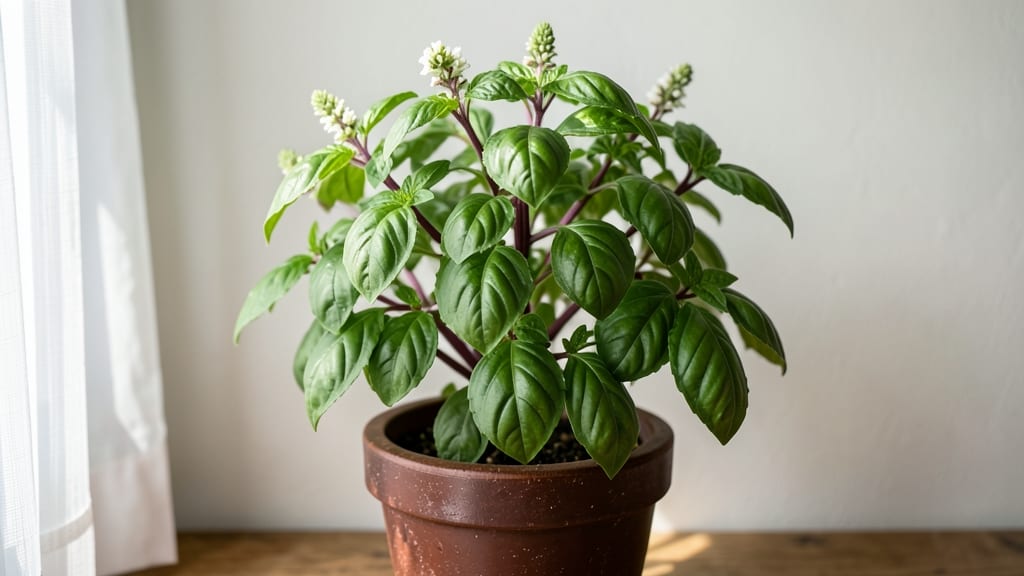
Growing large leaf Italian basil means fresh, fragrant leaves year-round with barely any effort. 🌿 I’ve learned the simple tricks that keep my plants productive for months—no matter if you’re growing indoors or out—so you can enjoy that signature sweet flavor whenever you need it.
The secret lies in matching light, water, and warmth to what this basil truly craves. Too much sun scalds the leaves, while inconsistent moisture turns them bitter.
But once you nail these basics, you’ll snip leaves for pesto, salads, and sandwiches for 6+ months without buying a single pot from the store.
📚 In This Guide
- What you need
- Instructions
- Tips and common mistakes
- Wrapping up and next steps
What you need
- ● Large leaf Italian basil seeds or seedlings: Choose Genovese or Sweet Basil varieties for that classic, fragrant flavor. (2–4 plants per container or 12–18 seeds for direct sowing.)
- ● Well-draining potting mix: Opt for a lightweight, organic mix (e.g., 60% peat/coir + 30% perlite + 10% compost). (1–2 bags for containers, 3–4 cubic feet for in-ground planting.)
- ● Containers or garden bed: Containers: 12–14" diameter pots (1 plant per pot) or 5-gallon fabric grow bags (for 2–3 plants). (Drainage holes are a must!)
- ● Garden bed: Full sun (6+ hours/day) with loose, fertile soil. (Amend with compost if your soil is heavy.)
- ● Watering can or hose with a gentle spray nozzle: Basil hates soggy roots—water at soil level to avoid wetting leaves.
- ○ Fertilizer (optional but helpful): Balanced liquid fertilizer (e.g., 10-10-10) (Dilute to ½ strength, apply every 3–4 weeks).
- ● Slow-release organic pellets (e.g., fish emulsion or worm castings).
- ● Pruning shears or sharp scissors: For harvesting and shaping (sterilize with rubbing alcohol between uses!).
- ● Garden gloves: Protect your hands from thorns (yes, basil has tiny ones!).
- ● Plant labels: Mark varieties if growing multiple types.
- ○ Row covers or shade cloth (optional): For hot climates (70% shade during peak summer).
- ● Grow lights (indoor option): LED bulbs (12–16 hours/day) if extending the season.
- ● Time commitment: Basil is low-maintenance but thrives with consistent care (watering, pruning, and harvesting).
- ● Climate awareness: Warm season plant: Ideal temps: 70–85°F. (Frost-sensitive—bring indoors or use row covers below 50°F.)
- ● Indoor growing: Needs bright light (south-facing window or grow lights).
- ● Patience: Seeds take 7–14 days to germinate; seedlings may need 6–8 weeks to mature.
How to grow large leaf Italian basil for a year-round harvest
Here’s the easy method I use to grow basil so big and flavorful it stays productive even through winter.
🌱 Step 1: Choose the Right Spot for Maximum Growth
Large leaf Italian basil thrives in 6-8 hours of direct sunlight daily. A south-facing window or a spot near a bright grow light works perfectly. I place mine on a kitchen windowsill where it gets morning sun and afternoon light—this keeps the leaves tender and sweet.
If you’re growing outdoors, avoid harsh afternoon sun in hot climates—it burns the leaves. Instead, position it where it gets gentle morning light and shade after 11 AM. You’ll know it’s happy when the leaves stay deep green and glossy, never yellowing or wilting.
🪴 Step 2: Plant in Well-Draining Soil and a Spacious Container
Use a pot at least 6 inches deep and wide—basil roots spread fast, and cramped containers stunt growth. Fill it with a mix of potting soil and perlite (half and half) to prevent soggy roots. I add a handful of compost to the bottom for nutrients, but don’t overdo it—too much can make the soil too dense.
Plant your basil about 1 inch deep, pressing the soil gently around the stem. Water lightly right after planting so the roots settle into place. Avoid compacting the soil too much—basil roots need air to breathe. If you’re transplanting a store-bought plant, let it sit in water for 10 minutes first to hydrate the roots before repotting.
☀️ Step 3: Water Consistently Without Overdoing It
Basil hates soggy soil but won’t survive drought either. Water when the top inch of soil feels dry—stick your finger in to check. I water mine every 2-3 days in summer and reduce to once a week in winter when growth slows. Always water at the base to keep leaves dry, which prevents fungal diseases like downy mildew.
Here’s the trick: water deeply until it drains from the bottom. If your pot has no drainage holes, empty the saucer after 10 minutes to avoid root rot. You’ll know you’re doing it right when the soil stays moist but not waterlogged, and the leaves stay plump and vibrant.
✂️ Step 4: Prune Regularly to Encourage Bushier Growth
Pinch off the top set of leaves when the plant reaches 6 inches tall. This might seem counterintuitive, but it forces the plant to branch out instead of growing tall and leggy. I also snip any yellow or damaged leaves immediately—they sap energy from the rest of the plant.
For a continuous harvest, cut stems just above a leaf node (where leaves meet the stem) whenever you pick leaves. This encourages new growth from that spot. If your basil flowers, snip those buds off right away—flowering makes the leaves bitter and slows production. With regular pruning, your plant will stay compact and keep producing for months.
🌿 Step 5: Extend the Season With Simple Winter Care
When temperatures drop below 50°F, move your basil indoors near a sunny window. Reduce watering to every 7-10 days since growth slows in cooler months. I also turn the pot occasionally so it doesn’t lean toward the light—this keeps it balanced and healthy.
If your basil looks tired by winter, give it a trim back by half its size and fertilize lightly with a balanced liquid fertilizer. This jumpstarts new growth. With proper care, your plant will bounce back in spring, ready for another season of harvests. The key is consistency—don’t let it dry out completely, and keep it in the light.
Tips & tricks for perfect large leaf Italian basil growth
Here's what I've learned after years of growing basil that never quits—these little tricks make all the difference between a sad potted plant and a thriving, flavorful harvest.
Light Strategy: The 6-8 hours of sunlight rule is non-negotiable, but here's the secret: rotate your pot every 2-3 days if you're growing near a window. Plants grow toward light sources, and this keeps them balanced and bushy. I use a timer to remind myself—otherwise, I forget!
Soil Science: That half-and-half mix of potting soil and perlite isn't just about drainage—it's about aeration. Basil roots need to breathe, and compacted soil leads to root rot faster than you'd think. I sift the perlite through my fingers before mixing to get an even distribution throughout the soil.
Pruning Precision: When you reach Step 4 and pinch those top leaves at 6 inches, here's what nobody tells you: use clean, sharp scissors or your fingers (not dull blades) to make clean cuts. Ragged edges invite disease, and I've seen too many plants suffer from infections that started with dirty pruning tools.
Winter Revival: That 50°F threshold isn't just about moving indoors—it's about timing. I move my basil in late September when nights start dipping toward 50°F, even if daytime temps are still warm. This gives it time to adjust before the real cold hits, and it's made a huge difference in survival rates over the years.
Pro Tips for Large Leaf Italian Basil
- Here's what I've learned after years of growing basil that never quits—these little tricks make all the difference between a sad potted plant and a thriving, flavorful harvest.
- Light Strategy: The 6-8 hours of sunlight rule is non-negotiable, but here's the secret: rotate your pot every 2-3 days if you're growing near a window.
- Soil Science: That half-and-half mix of potting soil and perlite isn't just about drainage—it's about aeration.
Frequently asked questions
Got questions about growing and using large leaf Italian basil?
You’re not alone—this fragrant, flavorful herb has its quirks! Here are answers to the most common queries to help you master your basil harvest.
How do I keep large leaf Italian basil thriving year-round?
Large leaf Italian basil thrives in warm weather (60–75°F) but can be extended with care. In cooler months, grow it indoors near a sunny window or under grow lights. Use a heat mat in winter if temperatures dip below 50°F. Prune regularly to encourage bushiness and prevent legginess.
How long does it take for large leaf Italian basil to grow from seed?
Germination takes 7–14 days in warm, moist soil. Once sprouted, seedlings may take 4–6 weeks to reach harvest size. For faster results, opt for transplants—you’ll see usable leaves in 3–4 weeks. Patience pays off, but don’t rush! Overcrowding seeds delays maturity.
Can I use large leaf Italian basil in cooking like regular basil?
Its larger, sweeter leaves are perfect for pesto, caprese salads, and pasta dishes. The key difference? Its milder, more aromatic flavor holds up better to cooking. Swap it 1:1 for regular basil, but save the biggest leaves for fresh garnishes—they’re stunning!
Why are my large leaf Italian basil leaves turning yellow or spotted?
Yellowing often signals overwatering or fungal issues (like downy mildew). Ensure pots have drainage holes and water only when the top inch of soil is dry. Spotted leaves? Check for pests (aphids, spider mites) or adjust humidity. Prune affected leaves immediately and treat with neem oil if needed.
What’s the best alternative if I can’t grow large leaf Italian basil?
Try Genovese basil (similar flavor, smaller leaves) or Thai basil (spicier, anise notes) for cooking. For garnishes, holy basil or purple basil add visual appeal. Store-bought basil works in a pinch, but fresh is always better—just wash and pat dry before using!
Wrapping up and next steps
Growing large leaf Italian basil is a rewarding journey that brings vibrant flavors and lush greenery to your kitchen—without the fuss! With the right soil, sunlight, and a little TLC, you’ll enjoy a year-round harvest that’s perfect for pesto, salads, and more.
Whether you’re a seasoned gardener or just starting, this easygoing plant proves that minimal care can yield maximum flavor.
Ready to elevate your cooking? Start small—plant a pot or two today and watch your basil thrive! For even more tips, explore companion plants or creative ways to use your harvest. Happy growing! 🌱✨