
Pests and Diseases
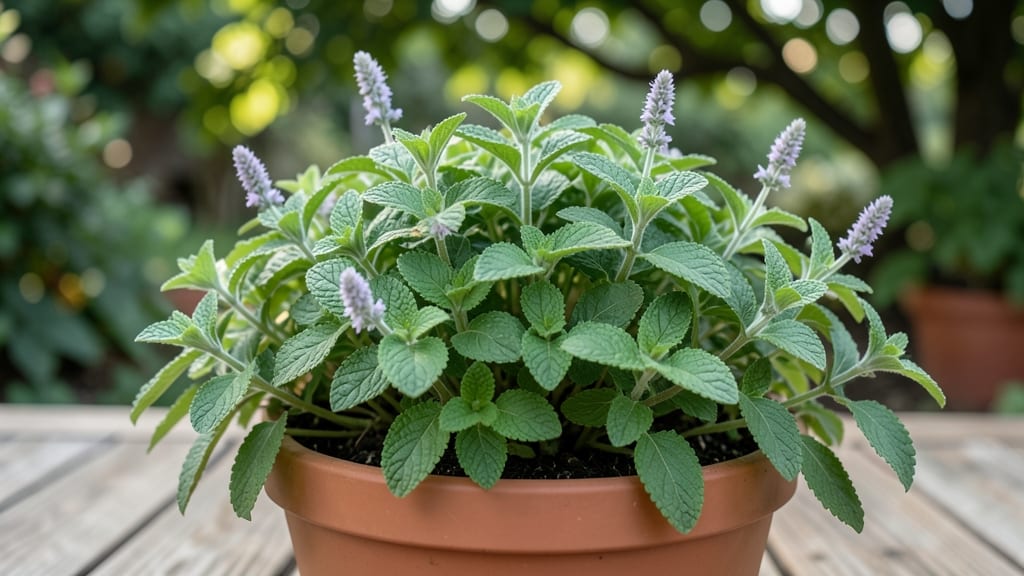
Growing large leaf mint means year-round harvests that outlast most annual herbs—this cold-hardy perennial thrives where regular mint gives up in winter. 🌿 I’ve watched mine push through snow and still taste bright enough to use in teas by March, proving it’s the ultimate workhorse for gardeners who hate replanting every spring.
The secret to its success? Rich, moist soil and full sun to partial shade—it’s the only mint that handles both city balconies and shady woodland edges.
Unlike its invasive cousins, large leaf mint stays contained when you prune it back hard twice a year, and its fragrant, silvery-green leaves make it a showstopper in containers or borders.
You’ll harvest fresh leaves for cooking, remedies, or cocktails all 12 months, with the strongest flavor right after pruning. The plant spreads slowly (unlike spearmint), so you won’t need to dig it up every few years—just divide clumps every 3-4 years to keep it vigorous.
For pest control, companion planting with lavender or thyme keeps aphids away, and deer leave it alone. Here’s how to get started without the headaches most gardeners face.
📚 In This Guide
- What you need
- Instructions
- Tips and common mistakes
- Wrapping up and next steps
What you need
- ● Large Leaf Mint Plants or Seeds: 3–5 large leaf mint plants (for direct planting) OR
- ● 1 packet of large leaf mint seeds (organic, non-GMO preferred)
- ○ Growing Containers (Optional but Recommended): 2–3 12-inch-wide or larger pots with drainage holes (if container-growing)
- ● OR a raised bed (at least 12" deep)
- ● Potting Mix: 1 bag (5–10 lbs) of well-draining, peat-free potting mix (or garden soil amended with compost)
- ● Fertilizer: Balanced, slow-release granular fertilizer (10-10-10 or similar) OR liquid organic fertilizer (like fish emulsion)
- ● Mulch: 2–3 inches of organic mulch (straw, shredded leaves, or wood chips)
- ● Trowel or small shovel
- ○ Garden gloves (optional but handy!)
- ● Watering can or hose with a gentle spray nozzle
- ● Pruning shears (for harvesting and shaping)
- ○ Optional: Soil pH test kit (to ensure ideal 6.0–7.0 pH for mint)
- ○ Optional: Row covers or frost cloth (for cold climates)
- ● Full sun to partial shade (4–6 hours of sunlight daily)
- ● Well-draining soil (mint hates soggy roots!)
- ● Consistent moisture (keep soil evenly damp, not waterlogged)
- ● Warning: Mint spreads aggressively—plant in containers or use root barriers if growing in-ground!
Step-by-step guide to planting and establishing large leaf mint
Here's how I grow vigorous, cold-resistant large leaf mint that thrives year after year.
🌱 Step 1: Select the Perfect Planting Location
Large leaf mint thrives in partial shade to full sun—I always choose a spot that gets 4-6 hours of morning sunlight and afternoon shade, especially in hotter climates. The key is avoiding midday sun during summer, which can scorch the broad leaves. Test your spot by observing how much direct light it receives between 10 AM and 2 PM—this is when mint burns most easily.
Mint grows aggressively, so pick a location where it can spread without becoming invasive. A contained bed with 12-inch borders or a large container (at least 12 inches deep) works best. If planting in the ground, I recommend installing a root barrier to prevent it from taking over nearby plants—this is non-negotiable for most gardeners.
💧 Step 2: Prepare the Soil for Optimal Growth
Large leaf mint prefers moist, well-draining soil with a pH between 6.0 and 7.0. Before planting, mix 2 inches of compost into the top 6 inches of soil to improve fertility and drainage. If your soil is heavy clay, I add 1 part perlite or coarse sand to 3 parts soil to prevent waterlogging, which can rot the roots.
Work the soil gently—mint has delicate roots that bruise easily. Avoid tilling deeply, as mint grows best when its roots stay near the surface. If your soil is sandy, add a thin layer of mulch (like shredded leaves or straw) to retain moisture and keep the roots cool.
🌿 Step 3: Plant and Water for Strong Establishment
Plant your large leaf mint in early spring or fall when temperatures are mild—50-65°F is ideal. Dig a hole twice as wide as the root ball but only as deep as the container it came in. Place the plant so the top of the root ball sits just below soil level—this prevents stem rot from sitting water.
Water deeply right after planting to settle the soil and remove air pockets. Mint needs 1-2 inches of water per week, but it’s better to water deeply 2-3 times per week than lightly daily. Check moisture by sticking your finger 1 inch into the soil—if it feels dry, it’s time to water. Overwatering is the fastest way to kill mint, so always let the top inch dry out slightly between waterings.
✂️ Step 4: Prune and Maintain for Year-Round Harvest
Once your mint reaches 6-8 inches tall, pinch back the top set of leaves to encourage bushier growth. This step is critical—if you skip it, your plant will grow tall and leggy. I also trim any flowering stems as soon as they appear, because mint loses flavor and grows slower once it blooms.
In late summer or early fall, cut the plant back by one-third to rejuvenate growth. This also helps mint survive winter better. If you’re in a cold climate (below 20°F), mulch heavily with 4-6 inches of straw or leaves to protect the roots. Mint is cold-hardy, but young plants need extra insulation in harsh winters.
☀️ Step 5: Overwinter and Prepare for Next Year
Large leaf mint is perennial in USDA zones 3-9, meaning it comes back year after year with proper care. In spring, remove the old mulch and trim back any dead or damaged growth. Fertilize lightly with a balanced organic fertilizer (like 10-10-10) if the soil looks depleted.
Watch for mint rust or powdery mildew—these are common fungal issues. If you spot yellow spots or white powder, prune affected leaves immediately and improve airflow by thinning the plant. With consistent care, your mint will produce new growth within 2-3 weeks of spring’s first warm days.
Tips & tricks for growing vigorous large leaf mint
These practical insights will help you cultivate a thriving, cold-resistant mint plant that produces abundant harvests all season long.
Location Precision: When selecting your planting spot, pay special attention to the 4-6 hours of morning sunlight requirement. Use a simple kitchen timer to track sunlight exposure between 10 AM and 2 PM—this is when mint is most vulnerable to scorching. I've found that placing mint near a north-facing wall provides natural afternoon shade while still capturing morning light. For container growing, position your pot where it receives morning sun but moves into shade by early afternoon.
Soil Preparation Strategy: The 2 inches of compost mixed into the top 6 inches of soil isn't just about nutrition—it creates the perfect moisture-retaining environment mint craves. For heavy clay soils, I recommend adding 1 part perlite to 3 parts soil by volume, not weight, to prevent compaction. Test your soil's moisture by squeezing a handful—it should hold together but not be soggy. If your soil is sandy, apply a thin layer of straw mulch immediately after planting to lock in moisture without suffocating the roots.
Planting Depth Technique: The critical detail about placing the root ball just below soil level prevents stem rot by avoiding water pooling at the stem base. I've learned this the hard way—over-deepening causes rot, while planting too shallow exposes roots. Use a level tool to ensure consistent depth across multiple plants. For container growing, make sure your pot has drainage holes and consider adding a layer of gravel at the bottom to prevent waterlogging.
Winter Protection Hack: In climates below 20°F, I've found that 4-6 inches of straw mulch provides better insulation than leaves alone. The straw's air pockets create a microclimate that protects roots while allowing moisture to penetrate. For extra security, I wrap young plants in burlap during the coldest months. This simple layering system has helped my mint survive winters as cold as -10°F without damage.
Pro Tips for Large Leaf Mint
- These practical insights will help you cultivate a thriving, cold-resistant mint plant that produces abundant harvest...
- Location Precision: When selecting your planting spot, pay special attention to the 4-6 hours of morning sunlight req...
- Soil Preparation Strategy: The 2 inches of compost mixed into the top 6 inches of soil isn't just about nutrition—it ...
Frequently asked questions
Got questions about growing large leaf mint?
Here are answers to the most common ones—from planting to troubleshooting—so you can keep your herb thriving all year!
Is large leaf mint really cold-hardy?
Yes! This variety is one of the hardiest mints, surviving light frosts down to USDA Zone 5 (around -20°F). For extra protection in colder climates, mulch heavily or grow it in containers to move indoors during harsh winters. Just avoid heavy snow buildup, which can damage tender foliage.
How fast does large leaf mint grow?
Expect rapid growth—up to 12–18 inches tall and wide in a single season! With ideal conditions (sun to part shade, consistent moisture), you can harvest leaves as early as 6–8 weeks after planting. Pinch back stems to encourage bushier, more productive growth.
Can I grow large leaf mint in containers?
Containers are ideal for controlling spread and moving plants indoors during winter. Use a 12-inch-wide pot with drainage holes and well-draining potting mix. Place it in full sun to part shade, and water when the top inch of soil feels dry.
What pests or diseases should I watch for?
Large leaf mint is generally pest-resistant, but keep an eye out for aphids, spider mites, or mint rust (a fungal disease causing yellow spots). To prevent issues, avoid overhead watering, ensure good airflow, and remove any diseased leaves immediately. Neem oil can help treat minor infestations.
How do I keep large leaf mint from taking over my garden?
This mint spreads aggressively via underground runners! To contain it, plant in buried pots or containers (bury the pot 2–3 inches deep) or divide the roots every 2–3 years to control growth. If it escapes, dig up and discard stray plants promptly.
Wrapping up and next steps
Growing large leaf mint is a rewarding journey that brings fresh, fragrant herbs to your kitchen year-round—even in colder climates! 🌿 With the right care, this hardy perennial thrives with minimal fuss, offering a bountiful harvest for teas, cocktails, and cooking.
Whether you're battling pests or preventing diseases, remember: consistency and observation are your best tools.
Ready to take the next step? Start small—plant a few cuttings in a pot or patch of soil, then expand as you gain confidence. Before you know it, you’ll be enjoying homegrown mint straight from your garden! 🌱