
Flowers
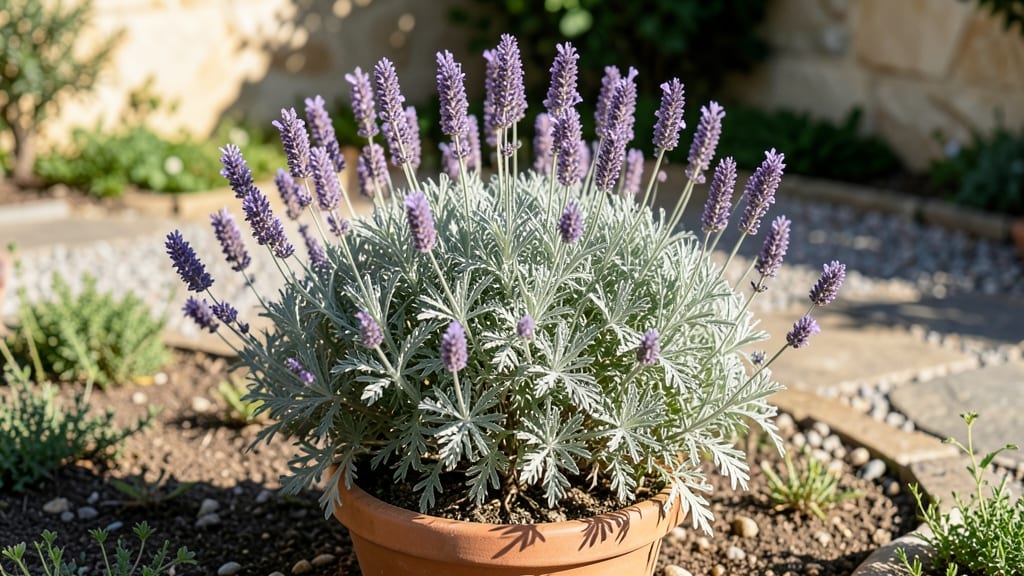
Growing Lavandula multifida fernleaf lavender means adding silvery, drought-resistant drama to your garden with almost no effort. 🌿 The feathery foliage and delicate purple blooms make it a standout, but it also thrives where other lavenders struggle—dry soils, hot climates, and poor conditions.
My first batch survived a summer drought with just occasional watering, and the fragrance when brushed against? Unmatched.
The secret to success starts with well-draining soil—mix in sand or gravel if your yard packs too tightly—and full sun for at least 6 hours daily. This lavender tolerates heat better than most, but it despises soggy roots, so raised beds or slopes work best.
Once established, it’s nearly indestructible, making it perfect for low-maintenance borders or pollinator-friendly gardens.
By late spring, you’ll see those signature fern-like leaves unfurl, followed by fragrant spikes of lavender blooms that last for weeks. The scent alone—sweet, herbal, and clean—makes it worth growing, but the texture and color add year-round interest.
Prune lightly after flowering to keep it compact, and watch it bounce back stronger each season.
Even in rocky soils or coastal gardens, this lavender adapts, though it prefers slightly alkaline conditions. If your area gets heavy rain, elevate the planting spot to prevent rot. The payoff? A plant that’s as resilient as it is beautiful, requiring almost no care once settled in.
📚 In This Guide
- What you need
- Instructions
- Tips and common mistakes
- Wrapping up and next steps
What you need
- ● Fernleaf Lavender Plants: 3–5 nursery-grown Lavandula multifida (choose healthy, established plants for best results).
- ● Well-Draining Soil: 5–10 cubic feet of cactus/succulent mix or amended garden soil (add perlite or coarse sand for drainage).
- ○ Containers (Optional): 12–18" pots with drainage holes (if growing in containers).
- ● Organic Mulch: 2–3 inches of gravel, decomposed granite, or pine bark (to retain moisture and deter weeds).
- ● Trowel or hand shovel (for planting).
- ● Gloves (to protect hands from prickly stems).
- ● Watering can or hose with a gentle spray nozzle.
- ● Pruning shears (for shaping and maintenance).
- ○ Optional Extras: Slow-release fertilizer (low-nitrogen, like 5-10-5).
- ● Pebble trays (for container drainage).
- ● Sunlight meter (to check light exposure).
- ● Sunlight: Full sun (6+ hours/day). Fernleaf Lavender thrives in hot, dry climates (Zones 7–10).
- ● Water Access: Drought-tolerant, but establish plants with weekly deep watering for the first month.
- ● Space: 18–24" spacing between plants (or wider for hedges).
Step-by-step guide to growing Lavandula multifida fernleaf lavender
This striking lavender thrives with minimal fuss—here’s how to cultivate its signature silvery foliage and fragrant blooms.
🌱 Step 1: Select the Perfect Planting Location
Fernleaf lavender demands full sun exposure—at least 6-8 hours daily. I always choose the sunniest, driest spot in my garden because this variety despises soggy roots. If your yard has afternoon shade, opt for a south-facing window or raised bed where it can bask in unfiltered light.
Test your site by observing how much sun reaches it over a week. The ideal location will show no more than 2 hours of shade during peak growing months. Fernleaf lavender’s silvery foliage actually lightens under intense sun, creating its signature look—so embrace the brightest spot available.
🪴 Step 2: Prepare Well-Draining Soil and Plant Correctly
This lavender refuses heavy, moisture-retentive soil. Amend your garden bed with sand or gravel until the mix resembles coarse, gritty soil—think of how water runs through a sieve. I dig in 2-3 inches of coarse sand per square foot and mix it thoroughly with existing soil.
Plant your fernleaf lavender 18-24 inches apart in clusters of 3-5 for a natural, fragrant hedge. Dig holes just slightly deeper than the root ball but never deeper—sinking too low suffocates the roots. Gently remove the plant from its container and loosen any circling roots with your fingers before placing it in the hole.
☀️ Step 3: Establish Proper Watering and Pruning Routines
Water deeply only once every 2-3 weeks after planting, then reduce to monthly watering once established. The key is letting the soil dry completely between waterings—stick your finger 2 inches deep; if it feels dry, it’s time to water. Overwatering kills fernleaf lavender faster than anything else.
Prune back one-third of the plant right after flowering to encourage bushier growth. Use sharp pruners to cut just above a leaf node, never into bare wood. I prune in early spring and again after blooms fade to maintain that silvery, fern-like foliage. Never prune in fall—this variety needs winter dormancy to thrive.
✂️ Step 4: Protect and Maintain for Long-Term Beauty
Fernleaf lavender’s silvery foliage is its signature, so avoid fertilizers—they encourage leafy growth at the expense of that striking color. Instead, mulch with 3 inches of gravel or coarse sand around the base to improve drainage and deter weeds without smothering roots.
Watch for spider mites in hot, dry weather—they love the fernleaf’s delicate texture. I spray plants with water weekly during summer to deter pests and keep foliage looking crisp. In winter, protect young plants with 2-3 inches of mulch but avoid covering the crown, which can rot in damp conditions.
Tips & tricks for perfect fernleaf lavender cultivation
These key strategies will help you coax out that signature silvery foliage and keep your fernleaf lavender thriving for years.
Sunlight Secret: The 6-8 hours of direct sunlight requirement isn't just about growth—it's about developing that signature silvery hue. I've seen fernleaf lavender lose its distinctive color when given less than 6 hours of sun. If your location only gets 4-5 hours, consider growing it in containers and moving them to sunnier spots during peak sunlight hours. That extra light makes all the difference in maintaining that striking appearance.
Soil Science: When amending your soil with 2-3 inches of coarse sand, don't skimp on the mixing. I've made the mistake of just scattering sand on top—it creates a false drainage layer while the roots below still encounter compacted soil. Dig down at least 6 inches and thoroughly blend the sand with existing soil to create that ideal gritty texture throughout the root zone.
Watering Wisdom: The 2-3 week watering schedule after planting might seem long, but it's crucial for establishing strong roots. I recommend using a moisture meter during this period to verify when the soil has truly dried out to 2 inches deep. Overwatering at this stage is the fastest way to kill fernleaf lavender—it's far more forgiving of drought than excess moisture.
Pruning Precision: When you prune back one-third of the plant after flowering, focus on removing the oldest stems first. These are the ones that have already bloomed and are now contributing less to the plant's overall health. I use sharp pruners and make clean cuts just above a leaf node—this encourages new growth from exactly where you want it, maintaining that fern-like structure.
Pro Tips for Lavandula Multifida Fernleaf Lavender
- These key strategies will help you coax out that signature silvery foliage and keep your fernleaf lavender thriving f...
- Sunlight Secret: The 6-8 hours of direct sunlight requirement isn't just about growth—it's about developing that sign...
- Soil Science: When amending your soil with 2-3 inches of coarse sand, don't skimp on the mixing. I've made the mistak...
Frequently asked questions
Got questions about Lavandula multifida (Fernleaf Lavender)?
Here are some of the most common ones—and their answers—to help you grow this stunning, drought-resistant beauty like a pro!
How fast does Fernleaf Lavender grow?
Lavandula multifida grows at a moderate pace—about 6–12 inches per year under ideal conditions. With proper care (full sun, well-draining soil), it can reach 2–3 feet tall and wide in 2–3 years. Patience pays off for those lush, silvery fern-like foliage and fragrant blooms!
Is Fernleaf Lavender deer-resistant?
Yes! While no plant is 100% deer-proof, Fernleaf Lavender is highly deer-resistant due to its strong scent and fuzzy leaves. Deer usually avoid it unless other food sources are scarce. For extra protection, consider adding a physical barrier or companion plants like rosemary.
How often should I water Fernleaf Lavender?
Once established, Lavandula multifida is drought-tolerant—water deeply but infrequently (about once every 1–2 weeks in dry spells). Overwatering is the biggest threat! Key tip: Let the soil dry out completely between waterings to prevent root rot. Pro move: Mulch lightly to retain moisture without smothering roots.
Can I grow Fernleaf Lavender in containers?
Absolutely!
Fernleaf Lavender thrives in containers, making it perfect for patios, balconies, or small gardens. Use a well-draining pot (at least 12–18 inches deep) with a mix of cactus/succulent soil and perlite. Ensure it gets 6+ hours of sun daily and prune lightly to encourage bushiness.
Does Fernleaf Lavender attract pollinators?
Yes!
Its fragrant purple blooms are a magnet for bees, butterflies, and beneficial insects. To boost pollinator visits, plant it near other native perennials or herbs (like thyme or salvia). Bonus: The foliage also repels pests like mosquitoes—nature’s double win!
Why isn’t my Fernleaf Lavender blooming?
If your plant is leafy but not flowering, check these fixes:
- Sunlight: Needs full sun (6+ hours daily)—move it to a sunnier spot.
- Pruning: Trim back 1/3 of the plant in early spring to encourage new growth and blooms.
- Fertilizer: Use a low-nitrogen, phosphorus-rich fertilizer in early spring.
- Age: Young plants may take 1–2 years to bloom.
Wrapping up and next steps
Lavandula multifida, with its striking silvery-fern foliage and drought-resistant charm, is a true gem for gardeners seeking low-maintenance yet visually stunning plants. Whether you’re drawn to its aromatic appeal, pollinator-friendly benefits, or unique texture, this fernleaf lavender brings effortless elegance to any landscape. 🌿✨
Ready to elevate your garden? Start by selecting the perfect spot—sunny, well-drained soil—and plant with confidence. Watch as this beauty thrives with minimal care, rewarding you with fragrant blooms and year-round interest!
- Next step: Grab your Lavandula multifida and get planting—your garden’s next star is waiting! 🌱