
Pruning
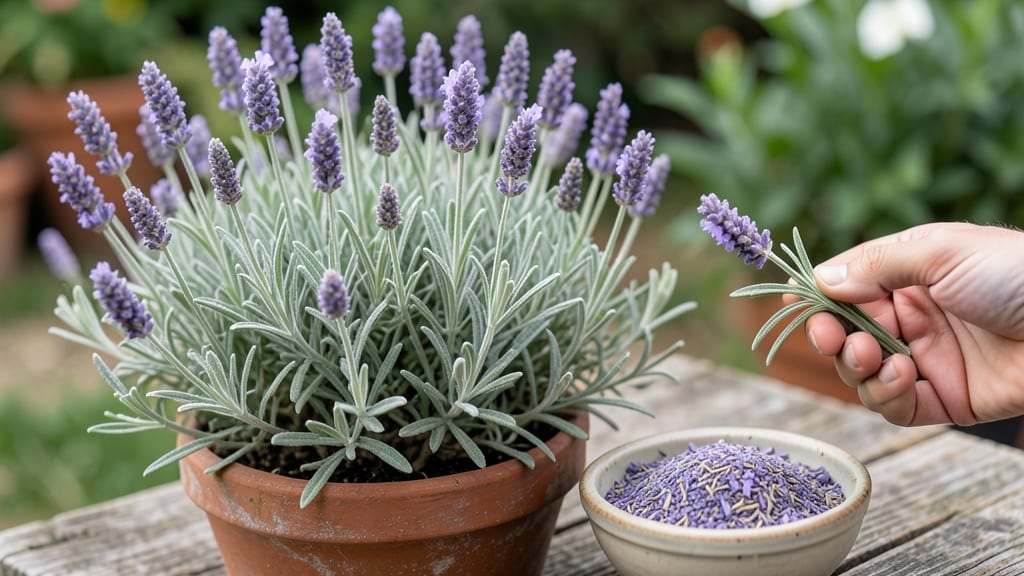
The lavender leaf benefits you’ve been trimming away are a hidden treasure trove. 🌿 Beyond their fragrance, they pack culinary, medicinal, and even pest-deterring powers that transform your garden’s waste into useful tools.
I used to toss mine until I discovered how they elevate teas, soothe stress, and keep pests at bay—no special skills required.
Start with culinary uses—fresh or dried leaves add a delicate floral note to teas, infuse honey, or sprinkle over roasted veggies. Medicinally, they’re a calming tea for anxiety or a sleep aid when steeped in hot water. Even gardeners swear by scattered leaves to repel moths and fleas naturally.
You’ll love how versatile they are: one plant becomes a stress reliever, a kitchen seasoning, and a garden protector. The best part? No fancy equipment—just your existing lavender and a little creativity. Here’s how to unlock their full potential without wasting a single leaf.
Perfect for herb gardeners, tea lovers, and DIY naturalists—this is the secret life of your lavender’s foliage. Let’s put those leaves to work!
📚 In This Guide
- What you need
- Instructions
- Tips and common mistakes
- Wrapping up and next steps
What you need
- ● Fresh or dried lavender leaves: 1–2 tablespoons (or 5–10 fresh sprigs, depending on use). Pro tip: 💡 Harvest leaves from organic lavender plants for the purest flavor and benefits!
- ● High-quality olive oil or carrier oil: ½ cup (for infusions). Choose cold-pressed oils like extra-virgin olive oil or sweet almond oil for optimal absorption.
- ○ Honey or sugar: ¼ cup (optional, for syrups or preserves). Raw, local honey enhances both flavor and medicinal properties!
- ● Water: 1 cup (for teas or steeping). Filtered or spring water is ideal to avoid impurities.
- ● Chef’s knife or pruning shears: For harvesting fresh leaves (if using garden-grown lavender).
- ● Mortar and pestle (or spice grinder): To crush dried leaves for teas or infusions.
- ● Glass jar with lid: 8–16 oz (for oil infusions or storage). Pro tip: 🌡️ Use amber or dark glass to protect oils from light degradation!
- ● Fine-mesh strainer or cheesecloth: For straining infused oils or teas.
- ● Small saucepan: For simmering lavender in liquids (e.g., teas or syrups).
- ○ Optional: Food processor (for large batches of dried lavender powder).
- ● Essential oil diffuser (if extracting lavender essential oil for aromatherapy).
- ● Labeling supplies (to mark homemade lavender products).
- ● Time: 10–30 minutes (depending on the recipe). Infusions may require 1–2 weeks for full potency!
- ● Knowledge: Basic familiarity with handling herbs (e.g., proper drying techniques if using fresh leaves).
- ● Safety note: Avoid lavender if you have asthma or are pregnant. Always patch-test essential oils before topical use.
How to harvest and use fresh lavender leaves for culinary and medicinal purposes
Fresh lavender leaves pack a flavor and fragrance punch that dried versions can't match—here's how to get the most from them.
🌿 Step 1: Identify and Harvest Leaves at Peak Freshness
Lavender leaves are the tender, needle-like foliage along the stems—avoid harvesting woody stems or flower buds, which are bitter. The best time to harvest is early morning after dew has dried when essential oils are most concentrated. Look for stems with bright green, flexible leaves rather than yellowing or crispy ones.
Use clean, sharp scissors to snip just above a leaf node—this encourages bushier growth. Harvest no more than 1/3 of the plant at a time to avoid stressing it. I like to work in small batches, processing leaves immediately for maximum potency. If you must store, refrigerate in an airtight container for up to 5 days—freshness fades fast once cut.
🌱 Step 2: Prepare Leaves for Culinary Use
For culinary purposes, wash leaves gently in cold water to remove dust but avoid soaking, which strips essential oils. Pat dry with a paper towel and chop finely—you'll need about 1 teaspoon of fresh leaves per cup of liquid for infusions. The flavor is subtle but floral, perfect for herbal teas, syrups, or light desserts like lavender shortbread.
Here's the thing—lavender leaves lose potency when heated strongly. For teas, steep 1 teaspoon in 1 cup boiling water for 5-7 minutes, then strain immediately. For syrups, combine leaves with equal parts water and honey, simmer on low for 10 minutes, then strain through cheesecloth. Store syrups in the fridge for up to 2 weeks—they'll keep their delicate aroma better than dried versions.
💧 Step 3: Create Medicinal Infusions and Compresses
For medicinal uses, lavender leaves excel as anti-inflammatory compresses or calming infusions. To make a compress, steep 2 tablespoons of fresh leaves in 1 cup hot (not boiling) water for 15 minutes, then strain. Soak a clean cloth in the cooled liquid and apply to minor burns, insect bites, or sore muscles for 10-15 minutes. The compounds in fresh leaves reduce redness and soothe irritation better than dried preparations.
For a relaxing tea, combine 1 teaspoon leaves with 1/2 teaspoon chamomile (synergistic for sleep) in 1 cup hot water. Let steep 8-10 minutes—longer steeping makes it bitter. Drink 30 minutes before bedtime for a gentle sedative effect. I keep a small jar of chopped leaves in the fridge for quick infusions; they stay potent for 3-4 days this way.
✂️ Step 4: Preserve Excess Leaves for Later Use
If you harvest more than you can use fresh, freeze leaves whole or chopped in ice cube trays with water or oil. For water-based cubes, add 1 teaspoon leaves to 1 tablespoon water, freeze, then transfer to a bag. These make perfect flavored ice cubes for cocktails or tea starters. Oil-based cubes (using light olive or grapeseed oil) preserve flavor for 3 months—great for drizzling over salads or roasted vegetables.
For long-term storage, dry leaves quickly by spreading them on a wire rack in a dark, well-ventilated area for 2-3 days. Once completely dry (they'll crumble easily), store in an airtight container away from light. Dried leaves retain some benefits but lose 50% of their essential oil content compared to fresh. Use dried leaves for longer-term teas or potpourri—they'll last 6-12 months this way.
Tips & tricks for perfect lavender leaf applications
These practical insights will help you maximize the unique properties of fresh lavender leaves—both in the kitchen and beyond.
Harvesting Precision: When harvesting in Step 1, focus on leaves that are still pliable and emit a fresh, herbal scent when crushed. Avoid leaves with brown edges or those growing near the base of woody stems—they'll taste bitter. I've found that harvesting just after morning dew evaporates (around 9-10 AM) captures the highest concentration of essential oils, which is why the instructions emphasize early morning timing. This is especially important if you're planning to use the leaves for medicinal compresses, where potency matters most.
Culinary Timing Secret: In Step 2, the 5-7 minute steeping range for teas is crucial—any longer and the delicate floral notes turn bitter. For syrups, that 10-minute simmer on low heat preserves the lavender's subtle sweetness. Here's what I do: I always use a timer and remove the leaves immediately when the water turns pale yellow. For extra flavor, I sometimes add a pinch of sea salt during the final 30 seconds of steeping—it enhances the floral notes without overpowering them.
Medicinal Application Tip: When making compresses in Step 3, the 15-minute steep is non-negotiable for maximum anti-inflammatory compounds. For sore muscles, I've noticed the cooling effect is most effective when applied immediately after cooling the infusion to room temperature—never use hot liquid directly on skin. For burns, you can actually increase the concentration by using 3 tablespoons of leaves per cup of water, but never exceed 20 minutes of application time to avoid skin irritation.
Preservation Strategy: For freezing lavender leaves in Step 4, I've found that using grapeseed oil in the ice cubes works better than olive oil—it has a neutral flavor that won't compete with the lavender's aroma. When drying leaves, spread them in a single layer on the rack and give them a gentle shake every 12 hours to ensure even drying. The 2-3 day drying time can vary based on humidity, so check daily—properly dried leaves should crumble easily between your fingers.
Pro Tips for Lavender Leaf Benefits
- These practical insights will help you maximize the unique properties of fresh lavender leaves—both in the kitchen and beyond.
- Harvesting Precision: When harvesting in Step 1, focus on leaves that are still pliable and emit a fresh, herbal scent when crushed.
- Culinary Timing Secret: In Step 2, the 5-7 minute steeping range for teas is crucial—any longer and the delicate floral notes turn bitter.
Frequently asked questions
Can I eat lavender leaves like I would culinary lavender buds?
Yes, but with a few caveats! While lavender buds are the most popular edible part, young, tender leaves can also be used—just avoid woody stems. Use them sparingly (¼ tsp dried per recipe) in teas, desserts, or savory dishes like roasted veggies. Pro tip: Harvest leaves in spring/summer when they’re most fragrant and flavorful!
When is the best time to harvest lavender leaves for medicinal use?
The ideal time is early morning after the dew dries but before the sun peaks (around 8–10 AM). This maximizes essential oil potency. For medicinal purposes, prioritize flowering season (late spring to early summer)—leaves harvested then contain the highest levels of beneficial compounds like linalool and linalyl acetate.
Are lavender leaves as effective as lavender essential oil for anxiety?
Not quite! While lavender leaves offer mild calming properties (thanks to linalool), they’re far less concentrated than essential oil. For anxiety, essential oil is the gold standard—use it in diffusers or diluted topical applications. Leaves work better in teas or culinary uses for gentle relaxation. Always consult a healthcare provider for severe conditions.
What’s a good substitute if I can’t find lavender leaves?
For flavor, try:
- Dried lavender buds (½ the amount of leaves)
- Thyme or oregano (earthy notes)
- Basil or lemon balm (bright, herbal twist)
Can lavender leaves cause allergies or side effects?
For most people, lavender leaves are safe in food/tea. However, allergic reactions (rare) may include rashes or digestive upset. Avoid if you’re allergic to Lamiaceae family plants (like mint or sage). Pregnant/nursing women or those on medications should consult a doctor before regular use. Start with tiny amounts to test tolerance!
How do I store lavender leaves for long-term use?
Store dried leaves in an airtight container (glass jars work best) in a cool, dark place (like a pantry). Avoid humidity to prevent mold. Leaves retain potency for 6–12 months. For fresh leaves, refrigerate in a sealed bag for up to 1 week—or freeze them in ice cube trays with water for easy tea additions!
Wrapping up and next steps
From soothing stress to enhancing your favorite dishes, lavender leaves are a versatile powerhouse 🌿! Whether you’re brewing a calming tea, adding floral depth to your cooking, or exploring their medicinal perks, this humble herb offers something for every lifestyle.
Now that you’re armed with the best lavender leaf benefits, why not grow your own or experiment with a new recipe today? Your mind—and taste buds—will thank you!
🌱 Ready to Try?
Start small: harvest a few sprigs, steep them in hot water, or toss them into a salad. The possibilities are endless—and delicious!