
Pests and Diseases
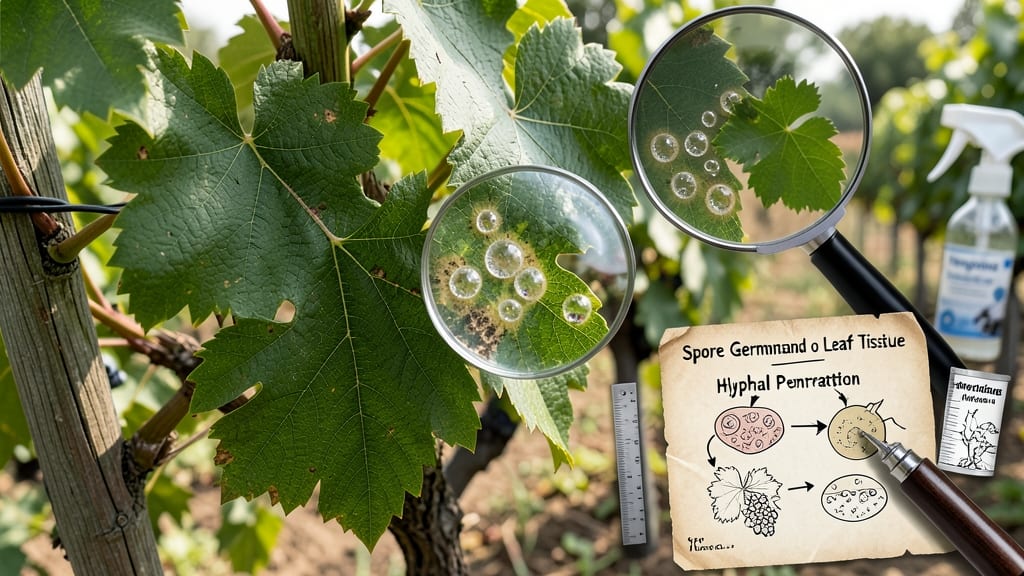
Those unsightly blisters on your plant leaves could be leaf blister disease—and catching it early is your best shot at saving your garden. 🌿 I’ve battled this fungal foe before, and the key is acting fast before it spreads to your entire crop.
The sooner you spot those raised, puckered spots on leaves, the sooner you can stop it in its tracks.
This disease loves warm, humid conditions and targets plants like tomatoes, peppers, and beans—basically, your summer staples. The blisters start small but multiply quickly, distorting leaves and weakening plants.
My first mistake? Waiting too long to treat it. By then, the fungus had already moved on to my basil and eggplants. Don’t make the same error.
You’ll need a fast-acting organic remedy like copper fungicide or a baking soda spray to revive your plants. Within 7-10 days of consistent treatment, you’ll see new growth pushing through, and the blisters will start to shrink.
The trick is staying ahead of the fungus—spray preventatively after rain or when humidity spikes.
Prevention is just as critical as treatment. Space your plants for airflow, remove infected leaves immediately, and avoid overhead watering. With these steps, you’ll keep your garden thriving and blister-free all season long.
Root Causes Of Plant Stress
Leaf blister disease isn’t just a random attack—it thrives when your plants are under stress, often from a mix of environmental and biological factors. Understanding these triggers helps you prevent outbreaks before they start.
Below, we break down the key causes behind this frustrating condition, so you can address them directly.
Leaf blister disease is primarily caused by Exobasidium fungi, which exploit weak spots in plant tissue. These pathogens spread through:
- Moisture-loving conditions: Overhead watering or dense foliage traps humidity, creating the perfect breeding ground for fungal spores. Exobasidium thrives in temperatures between 50–75°F (10–24°C), making spring and fall high-risk seasons.
- Wounded leaves: Physical damage (e.g., from hail, insects, or pruning) opens doors for fungal entry. Even minor abrasions can become infection sites.
- Contaminated tools or soil: Fungal spores linger on pruners, gloves, or compost. If you’ve had infected plants before, spores may persist in the soil for years.
💡 Pro Tip: Sterilize tools with a 1:10 bleach-water solution (90% water, 10% bleach) between uses, and avoid watering leaves—stick to drip irrigation or soaker hoses.
Stressed plants are like open invitations to pathogens. Common stressors include:
- Nutrient deficiencies: Lack of nitrogen, phosphorus, or potassium weakens cell walls, making leaves vulnerable. Yellowing or stunted growth are red flags.
- Overcrowded roots: Roots competing for space can’t absorb nutrients efficiently, leaving foliage malnourished. This is especially true in container gardens or heavily mulched beds.
- Improper pH levels: Most plants prefer a soil pH of 6.0–7.0. Acidic or alkaline soil disrupts nutrient uptake, leaving plants susceptible to infections.
📊 Actionable Fix: Test your soil’s pH and nutrient levels with a DIY kit or send a sample to a local extension office. Amend soil with compost or organic fertilizers like fish emulsion or bone meal to restore balance.
Leaf blister disease doesn’t just appear—it’s often encouraged by specific weather patterns:
- Prolonged humidity: Fungal spores germinate faster in 70%+ humidity. Greenhouses or shaded areas with poor airflow are hotspots.
- Rainfall timing: Heavy rains followed by dry spells create ideal conditions for fungal growth. The moisture kickstarts spores, while dry periods weaken plant defenses.
- Temperature swings: Sudden drops from warm to cool (or vice versa) shock plants, lowering their resistance. Exobasidium exploits this stress.
✨ Prevention Hack: Improve airflow with pruning (remove dense branches) or spacers in containers. In greenhouses, use exhaust fans or dehumidifiers to keep humidity below 60%.
While not the primary cause, certain pests worsen leaf blister disease by:
- Chewing leaves: Caterpillars, aphids, or mites create entry points for fungi. Look for holes, skeletonized leaves, or webbing.
- Transmitting spores: Some insects (like thrips) carry fungal spores from plant to plant on their bodies.
- Honeydew buildup: Sap-sucking pests (e.g., scale insects) leave sticky residue that traps moisture and encourages fungal growth.
🔥 Quick Response: Blast pests off with a soapy water spray (1 tsp mild soap per quart of water) or introduce beneficial insects like ladybugs or lacewings to control populations.
By tackling these root causes—fungal pressure, plant stress, weather, and pests—you’ll starve leaf blister disease of the conditions it needs to spread. Next, we’ll cover how to spot early signs so you can act before damage spreads.
How to Fix Blistered Leaves Fast
Blistered leaves can turn your lush garden into a sad, spotted mess—but don’t panic! With the right approach, you can reverse the damage and keep your plants thriving.
Below, we’ve mapped practical fixes directly to the most common causes, plus prevention tips to stop future outbreaks. Let’s get your greenery back to its healthy best!
If your plants are covered in puffy, blister-like lesions (especially in humid weather), a fungal infection like Exobasidium or Taphrina is likely the culprit.
🔥 Step 1: Prune the Damage
- ✂️ Snip off severely blistered leaves immediately to prevent spores from spreading.
- 🗑️ Dispose of infected foliage in a sealed trash bag (not your compost!) to avoid reinfection.
🍳 Step 2: Apply Organic Fungicides
Mix one of these DIY sprays and apply early in the morning (when humidity is lower):
- Baking Soda Spray 🧂:
- 1 tsp baking soda + 1 tbsp neem oil + 1 quart water + a drop of dish soap (as a surfactant).
- Spray every 7–10 days until new growth appears.
- Copper Soap Solution 🛡️:
- 1 tbsp copper fungicide (like copper sulfate) + 1 gallon water.
- Caution: Avoid spraying in direct sunlight (can burn leaves).
🌡️ Step 3: Improve Airflow & Dryness
Fungi love dampness—so break their favorite conditions:
- 🌬️ Space plants 12–18 inches apart for better airflow.
- ☀️ Water at the base (not overhead) and early in the day so leaves dry by evening.
- 🌿 Use a fan on low speed near susceptible plants (like roses or fruit trees) to reduce humidity.
If blisters appear sticky, crinkled, or paired with tiny bugs, sap-sucking pests are likely draining your plants.
👨🍳 Step 1: Blast Off Pests
- 💦 Spray with soapy water (1 tsp mild castile soap + 1 quart water) to smother adults and eggs.
- 🕷️ Introduce predator insects like ladybugs or lacewings (available at garden centers).
- 🍯 Use a sticky trap (like yellow cards coated in petroleum jelly) to catch flying pests.
🥘 Step 2: Strengthen Plant Resilience
Weak plants attract pests—boost their defenses with:
- 🌿 Compost tea (fermented compost + water, strained and sprayed on leaves).
- 💪 Fish emulsion (diluted to 1 tbsp/gallon) for a nitrogen kick to speed recovery.
If blisters look dry, papery, or yellowed (common in newly transplanted or over-fertilized plants), environmental stress is the issue.
⏰ Step 1: Adjust Watering & Sun Exposure
- 💧 Water deeply but less often (let soil dry 2–3 inches deep between waterings).
- 🌅 Gradually acclimate shade-loving plants to sun (start with 2–3 hours/day and increase slowly).
- 🌧️ Mulch heavily (2–3 inches of straw or wood chips) to retain moisture and cool roots.
🔪 Step 2: Rebalance Soil Nutrition
- 🚫 Stop synthetic fertilizers (they can cause salt burn).
- 🍄 Use worm castings or kelp meal for a gentle nutrient boost without overloading.
- 📊 Test soil pH (ideal for most plants: 6.0–7.0).
Adjust with lime (to raise pH) or sulfur (to lower pH) if needed.
Once your plants recover, lock in their health with these long-term strategies:
| Problem | Prevention Fix | How Often |
|---|---|---|
| Fungal spread | Copper fungicide spray (preventative) | Every 2 weeks in wet seasons |
| Pest infestations | Neem oil spray (repels + disrupts life cycles) | Monthly or after rain |
| Sun stress | Shade cloth (30–50%) for new plants | Until fully hardened off (~4 weeks) |
| Poor drainage | Raise beds or add perlite to soil | One-time fix |
| Over-fertilizing | Slow-release organic fertilizer | Every 6–8 weeks |
- 🌿 Trim back only non-essential foliage—healthy leaves can still photosynthesize and help recovery.
- 🌡️ Monitor temperature—fungi thrive in 70–80°F conditions. Ventilate greenhouses or use shade cloth in peak summer.
- 🎯 Rotate remedies—if one spray stops working, switch to a different organic fungicide (like garlic or horsetail extract) to avoid resistance.
Your turn! Start with the most likely cause for your plants, apply the fix, and watch them bounce back in 2–4 weeks. Need a quick win? Baking soda spray is your best first defense against fungi! 🚀
Frequently asked questions about leaf blister disease
What plants are most susceptible to leaf blister disease?
Leaf blister disease commonly targets tomatoes, peppers, beans, roses, and fruit trees like apples and cherries. These plants thrive in warm, humid conditions—perfect breeding grounds for the Exobasidium fungus. If you notice blisters on your herbs (like basil) or ornamentals (like azaleas), it’s likely the same issue.
Can I still harvest fruits or vegetables from infected plants?
Only harvest fruits or vegetables from healthy, non-blistered parts of the plant. The fungus doesn’t typically spread to the edible portions, but remove all infected leaves immediately to prevent further contamination. For heavy infestations, it’s safer to prune the entire plant back to encourage new, disease-free growth.
How do I know if my plant has leaf blister disease vs. another issue?
Leaf blister disease causes raised, puffy blisters that distort leaf shape, often with a yellowish or whitish hue. Unlike pests (which leave holes or webbing) or nutrient deficiencies (which cause uniform yellowing), blisters are localized and textured. Hold a magnifying glass over suspicious spots—if you see tiny fungal spores, it’s likely Exobasidium.
Will chemical fungicides work better than organic remedies?
Chemical fungicides like chlorothalonil can stop severe outbreaks faster, but they’re not always necessary. Organic options like copper fungicide or neem oil work well for early-stage infections and are safer for edible plants and pollinators. The key is consistency—spray every 7–10 days until new growth appears, regardless of the method.
Can leaf blister disease survive in my soil over winter?
Yes, fungal spores can linger in soil or plant debris for years. To break the cycle, remove all infected plants and debris, then solarize your soil (cover with clear plastic for 4–6 weeks in summer heat) or apply composted manure to boost beneficial microbes. Rotate crops annually to further reduce risk.