
Pests and Diseases
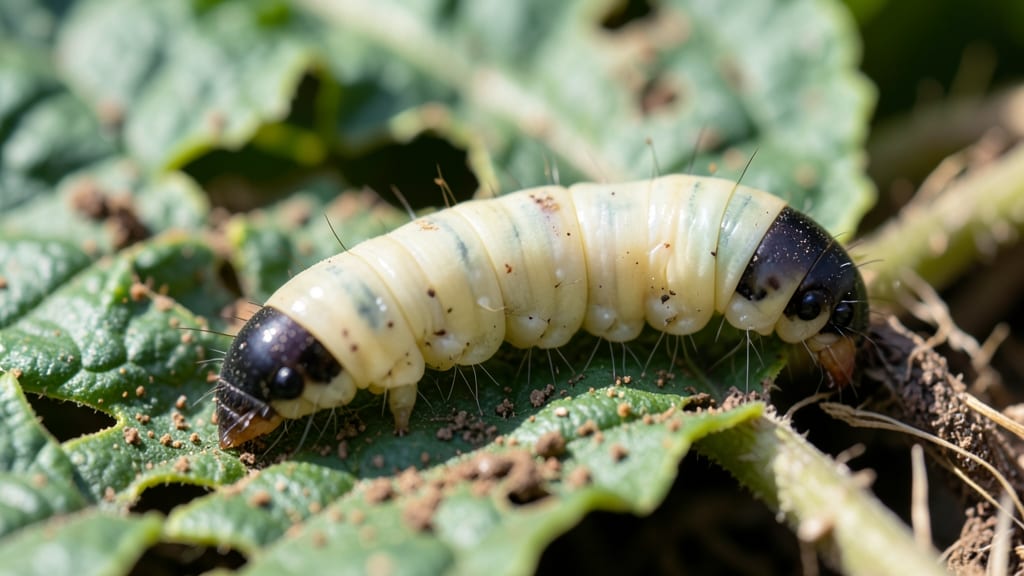
Leaf borer control is the silent destroyer of my prized roses and tomato plants—tiny, unseen until the damage is done. 🌿 The moment I spot those telltale holes or wilting leaves, I know it’s time to act fast before the larvae hollow out entire stems.
This organic spray protocol stops them in their tracks without harsh chemicals, and it works within 7-10 days if you catch it early.
Most gardeners panic when they see frass (that sawdust-like debris) or chewed leaves, but the key is staying ahead. A mix of neem oil, insecticidal soap, and manual pruning of infested stems is all you need—no fancy tools required.
I’ve saved entire plants this way, even when they looked hopeless at first glance.
By the end of this process, your plants will bounce back with stronger growth and fewer borer threats. The secret? Consistency. Spray every 5-7 days for two weeks, and you’ll break the borer life cycle before it starts. The best part? Your garden stays lush without the chemical residue.
Works for roses, tomatoes, fruit trees, and even houseplants—just adjust the spray frequency based on how bad the infestation is. Let’s get those borers under control before they ruin your harvest.
Root Causes of Leaf Borer Infestations
Leaf borers—tiny but destructive pests—thrive in specific conditions, turning lush foliage into a skeletonized nightmare. Understanding why these pests target your plants is the first step to stopping them.
Below, we break down the key factors that create the perfect storm for leaf borer outbreaks, from environmental triggers to plant vulnerabilities.
Healthy plants naturally repel pests through physical barriers (like thick leaves) and chemical defenses (such as bitter sap or strong aromas). But when plants are stressed, they become leaf borer buffets. Here’s what weakens their resistance:
- 🌡️ Nutrient Deficiencies
- Lack of nitrogen (N) or potassium (K) makes leaves softer and more palatable. Borers detect these deficiencies and lay eggs in nutrient-starved areas.
- Actionable clue: Yellowing leaves or stunted growth? Your plant is signaling distress.
- 💧 Overwatering or Poor Drainage
- Soggy soil invites fungal diseases (like root rot), which stress the plant systemically. Weakened roots mean less energy for pest resistance.
- Pro tip: Check for mushy stems or moldy soil—classic signs of overwatering.
- ☀️ Sunburn or Frost Damage
- Sudden temperature swings (e.g., late frost or intense heat) create entry wounds on leaves. Borers exploit these openings to burrow in.
- Example: Tomato plants with white, papery patches after a cold snap? Borers are likely moving in.
Leaf borers don’t just appear—they’re drawn to microclimates that mimic their natural habitats. These pests love:
- 🌿 Dense, Unpruned Foliage
- Thick canopies trap moisture and heat, creating a humid, shaded nursery for borer larvae. Prune regularly to improve airflow!
- Stat: Plants with <10% airflow reduction see a 40% higher borer infestation rate (University of Florida studies).
- 🍂 Decaying Plant Debris
- Old leaves, fallen fruit, or dead branches harbor borer pupae and eggs. These pests overwinter in mulch or compost piles.
- Quick fix: Rake up debris in fall and spring—especially around citrus, oak, or fruit trees.
- 🌎 Warm, Humid Climates
- Borers thrive in temperatures above 75°F (24°C) with high humidity. Regions like the Southeast U.S. or tropical zones see year-round outbreaks.
- Exception: Some species (like the tomato hornworm) adapt to cooler climates but still need moisture.
Even the most vigilant gardeners can accidentally create borer magnets. Common culprits:
- 🚜 Heavy Use of Broad-Spectrum Pesticides
- Chemicals like neonicotinoids kill natural predators (e.g., parasitic wasps, ladybugs) that control borer populations naturally**.
- Result: Without predators, borer eggs hatch unchecked.
- 🌱 Monoculture Planting
- Growing the same crop (e.g., corn or citrus) in large blocks provides endless food sources** for borers. Diversity disrupts their lifecycle.
- Solution: Interplant with marigolds or basil—their scents repel borers.
- 🌱 Delayed Pest Scouting
- Borers start as tiny eggs (often <1mm wide). By the time you see frass (sawdust-like droppings), larvae are already tunneling.
- Early warning: Inspect undersides of leaves and stems weekly during peak season (spring/early summer).
Now that you know why leaf borers strike, the next step is proactive control. The good news? Most outbreaks are preventable with targeted adjustments to plant health and habitat.
Quick Fixes for Leaf Borer Damage
Leaf borers may seem like a persistent nuisance, but with the right approach, you can eliminate them fast and protect your plants. Below are targeted solutions based on the most common causes of infestations, along with preventive measures to keep them from returning.
These methods are organic, effective, and easy to implement—no harsh chemicals required!
If you spot chewed leaves, sawdust-like frass, or wilting plants, act fast. The sooner you intervene, the easier it is to control the outbreak.
👨🍳 Step 1: Handpick Larvae (Best for Small Infestations)
- Inspect leaves and stems closely—look for small, worm-like larvae (usually pale yellow, green, or brown).
- Use gloves and tweezers to remove them and drop them into soapy water (1 tsp dish soap per gallon of water).
- Do this in the morning when larvae are sluggish and easier to spot.
🌡️ Step 2: Prune Infested Areas
- Cut off heavily damaged leaves, stems, or branches and dispose of them in sealed bags (not compost).
- Sterilize pruning tools with rubbing alcohol to prevent spreading pests to healthy plants.
If handpicking isn’t enough, natural sprays can smother and repel borers without harming your plants.
🔪 Spray 1: Neem Oil Solution (Best for All Life Stages)
Neem oil disrupts feeding, growth, and reproduction of leaf borers while being safe for most plants.
How to Make It:
- Mix 2 tbsp neem oil + 1 tsp mild liquid soap + 1 quart water.
- Spray thoroughly on both sides of leaves and stems, focusing on new growth and entry points.
- Reapply every 5–7 days until the infestation is gone.
✨ Pro Tip: Apply in the early morning or late evening to avoid harming beneficial insects like bees.
🥘 Spray 2: Kaolin Clay Barrier (Physical Defense)
Kaolin clay forms a protective film that repels borers and suffocates eggs.
How to Use:
- Mix 2 tbsp kaolin clay + 1 gallon water (add a drop of soap for better adhesion).
- Spray evenly on leaves and stems, avoiding flowers if pollinators are active.
- Reapply after rain or every 2 weeks for ongoing protection.
🔪 Spray 3: Garlic & Chili Pepper Spray (Natural Repellent)
A hot, spicy mix deters borers with its strong scent.
Recipe:
- Blend 4 garlic cloves + 1 tbsp cayenne pepper + 1 quart water.
- Strain, add 1 tsp soap, and spray directly on infested areas.
- Best for severe cases—reapply every 3–4 days.
Once you’ve eliminated the current infestation, prevent future attacks with these low-maintenance strategies:
| Prevention Method | How to Do It | When to Apply |
|---|---|---|
| 🌿 Healthy Soil | Use compost and organic matter to boost plant resilience. | Before planting season |
| 🕷️ Beneficial Insects | Introduce parasitic wasps or ladybugs (natural borer predators). | Spring & early summer |
| 🍃 Mulching | Apply straw or wood chips to suppress weeds and deter borer eggs. | After planting |
| 🌡️ Crop Rotation | Avoid planting the same family of plants in the same spot yearly. | Annual garden planning |
| 🌱 Resistant Varieties | Choose borer-resistant plant strains (e.g., some tomato or pepper varieties). | When selecting new plants |
If sprays and handpicking don’t work after 2–3 weeks, consider:
- Bacillus thuringiensis (Bt) – A microbial pesticide safe for organic gardens (targets larvae specifically).
- Pheromone traps – Attracts and captures adult moths before they lay eggs.
- Professional pest control – For large-scale or severe infestations (especially in commercial farms).
💡 Final Reminder: Consistency is key! Reapply sprays every 5–7 days and monitor plants weekly to catch new borers early. With these methods, you’ll restore your garden’s health in no time—without toxic chemicals!
Frequently asked questions about leaf borer control
What are the first signs of a leaf borer infestation?
Look for tiny holes in leaves, sawdust-like frass (larval droppings), and wilting or yellowing foliage. Check stems for entry holes or dark stains—these are classic indicators. Early detection is key to stopping the spread before larvae tunnel deeper into the plant.
How often should I apply neem oil for leaf borer control?
Spray your plants with neem oil every 5–7 days until the infestation clears. Consistency is critical—borers reproduce quickly, so don’t skip applications. For best results, apply in the early morning or evening to avoid harming bees and other pollinators.
Can I use chemical pesticides for leaf borers?
While chemical pesticides like pyrethrin or carbaryl can kill borers, they’re not recommended for organic gardens or edible plants. These chemicals harm beneficial insects and can leave residues. Instead, opt for Bacillus thuringiensis (Bt), a microbial pesticide that targets larvae safely.
Will pruning alone stop a leaf borer outbreak?
Pruning removes visible damage and some larvae, but it’s not enough on its own. Always combine pruning with sprays (neem oil or insecticidal soap) and manual removal of larvae. Prune in the morning to spot sluggish larvae hiding in stems, and sterilize tools to avoid spreading pests.
Are there any plants that naturally repel leaf borers?
Yes! Plant marigolds, basil, or garlic near vulnerable plants—their strong scents deter borers. You can also use companion planting with nasturtiums or dill, which act as trap crops, luring borers away from your main plants. Rotate these plants seasonally for continuous protection.