
Container Gardens
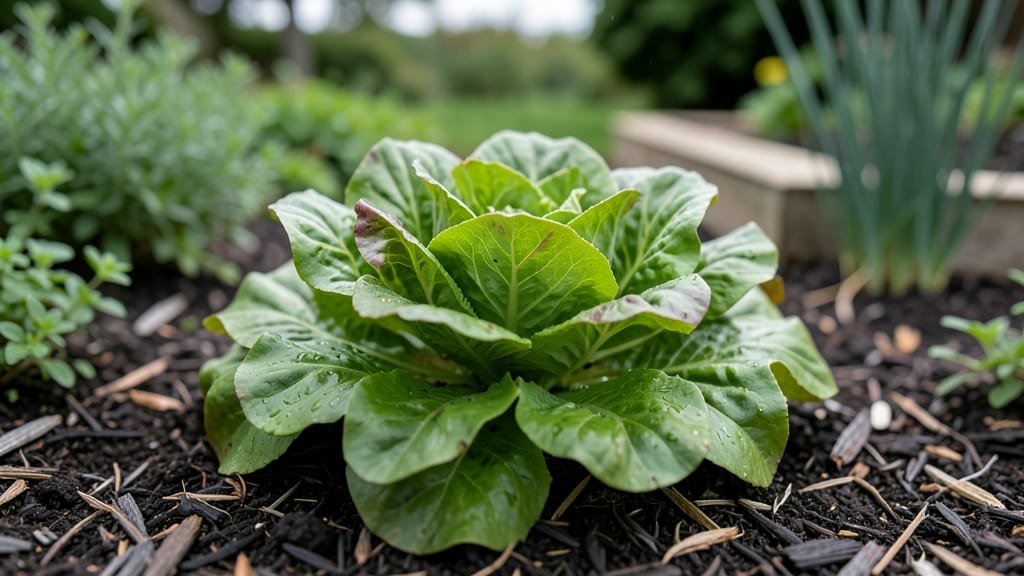
Leaf lettuce growing tips mean fresh, crisp greens on your table in just 4-6 weeks—no matter your yard size or season. 🌱 I’ve turned my balcony into a mini salad factory using this simple method, and the key starts with the right soil mix and timing. The secret isn’t complicated: it’s about keeping the soil moist, the light bright, and the heat away.
You’ll need shallow containers (at least 6 inches deep), well-draining soil, and a spot with 4-6 hours of sunlight daily. Start seeds indoors or buy young plants, then transplant them into containers with a mix of compost and potting soil.
Water gently but often—lettuce hates soggy roots—and keep the soil cool to prevent bolting (that’s when lettuce turns bitter and flowers too soon).
By the time you’re harvesting, you’ll have tender leaves ready for salads, sandwiches, or quick-cooked dishes. The first cuts encourage more growth, so you’ll keep picking fresh greens for weeks. Plus, container growing means no weeds, no pests, and no wasted space—just pure, homegrown goodness.
This method works in spring, summer, or even winter with a grow light. Whether you’re a beginner or a seasoned gardener, leaf lettuce is the easiest way to grow your own food. Let’s get those seeds planted!
📚 In This Guide
- What you need
- Instructions
- Tips and common mistakes
- Wrapping up and next steps
What you need
- ● Container: At least 6–12 inches deep (deeper = more root space). Use 5–6 gallon pots for 2–3 plants or a 10–12" wide trough for a row. Drainage holes are a must!
- ● Potting Mix: 1–2 bags (1–2 cubic feet) of lightweight, well-draining soil (avoid garden soil—it compacts!). Mix in 1 part perlite or vermiculite per 3 parts soil for aeration.
- ● Leaf Lettuce Seeds: 1–2 packets (e.g., Buttercrunch, Romaine, or Looseleaf varieties). Sow 2–3 seeds per container or thin seedlings to 6–8" apart.
- ● Watering Can or Spray Bottle: A 1–2 gallon can with a gentle rose nozzle to avoid disturbing seeds.
- ● Fertilizer: Balanced liquid fertilizer (5-5-5 or 10-10-10) or compost tea for organic growth.
- ○ Seed Starting Kit: For indoor germination (if starting early). Includes seed trays, heat mat (optional), and grow lights.
- ● Row Covers or Shade Cloth: 30–50% shade fabric to protect seedlings from intense sun or pests.
- ● Organic Mulch: Straw or shredded leaves to retain moisture and suppress weeds.
- ● pH Test Kit: Ensure soil pH is 6.0–7.0 (lettuce loves slightly acidic to neutral soil).
- ● Pruning Shears: For harvesting outer leaves without damaging the plant.
Step-by-step instructions for growing crisp leaf lettuce in containers
Here's how to grow tender, crisp lettuce leaves all year—no garden required.
🌱 Step 1: Choose the Right Containers and Fill with Light Soil
Use containers at least 6 inches deep with drainage holes to prevent soggy roots. I like shallow wooden boxes or wide pots for multiple plants. Fill them with a light, fluffy potting mix—avoid garden soil, which compacts and suffocates roots. Leave about 1 inch of space at the top for watering.
Tap the container gently to settle the soil, then water it until moisture reaches 2 inches deep. The surface should feel damp but not wet. This pre-moistening ensures even germination and prevents dry pockets where seeds might fail to sprout.
🌱 Step 2: Plant Seeds at the Correct Depth and Spacing
Scatter 3-4 seeds per container (you'll thin later) about ¼ inch deep. Lettuce seeds are tiny, so I sprinkle them directly from the packet onto the soil surface, then cover lightly with a thin layer of mix. Press gently to ensure good seed-to-soil contact—this prevents seeds from drying out before they sprout.
Space seeds 1-2 inches apart in rows if planting multiple varieties. Water gently with a spray bottle until the soil is evenly moist. Keep the surface damp (not soggy) until germination, which typically takes 7-14 days depending on your indoor temperature.
☀️ Step 3: Provide Consistent Light and Cool Temperatures
Lettuce thrives in cool conditions (60-65°F) and needs 4-6 hours of bright light daily. A south-facing window works, but most homes lack enough intensity. I use a grow light on a timer for 12-14 hours/day to prevent leggy growth. Keep the light 6-12 inches above the plants and adjust as they grow.
Watch for signs of light stress: if leaves turn pale or stretch toward the light, your setup needs more intensity. Conversely, if leaves yellow at the edges, you're overwatering or using cold water. Always water with room-temperature water to avoid shocking the roots.
💧 Step 4: Water and Thin for Optimal Growth
Water when the top inch of soil feels dry, usually every 2-3 days. Use a watering can with a gentle spray to avoid disturbing seedlings. Once seedlings reach 2 inches tall and have 2 true leaves, thin to the strongest plant per container. Snip the extras at the base with scissors—don't pull, or you'll disturb the roots of the remaining plants.
After thinning, fertilize lightly with a balanced liquid fertilizer (10-10-10) diluted to half strength. This encourages steady growth without burning tender leaves. I apply it every 2 weeks during active growth, but skip it if your soil is already nutrient-rich.
✂️ Step 5: Harvest Outer Leaves for Continuous Yield
Start harvesting when plants reach 4-6 inches tall. Use clean scissors to snip the outer leaves just above a leaf node. This encourages the plant to produce more leaves from the center. Avoid cutting into the growing point—you'll stunt the plant and reduce future harvests.
Harvest in the morning when leaves are crispest. Rinse leaves gently under cool water, then pat dry with a clean towel. Store in a sealed container lined with paper towels in the fridge for up to 1 week. For maximum flavor, harvest regularly—neglected plants bolt (go to seed) quickly in warm weather.
Tips & tricks for perfect leaf lettuce in containers
Here's what nobody tells you about growing crisp lettuce indoors—these little details make all the difference.
Light Setup: That 12-14 hour grow light schedule is non-negotiable for crisp leaves, but here's the secret: use a timer set to turn on at sunrise and off at sunset. This mimics natural daylight cycles and prevents those sad, leggy plants. I place my grow light 8-10 inches above the seedlings at first, then raise it as they grow—never let it touch the leaves or you'll burn them.
Temperature Trick: Lettuce loves cool weather, but most homes run warmer than that ideal 60-65°F range. If your space gets hotter, place containers on a tray of ice cubes for 10-15 minutes daily. This creates a microclimate that keeps your lettuce happy without needing an expensive cooling system. The temperature drop also prevents bolting (going to seed) in warm weather.
Thinning Technique: When you're thinning those 2-inch seedlings down to one plant, don't just yank them out—snip at the base with clean scissors. This prevents disturbing the roots of your remaining plant. I find it helps to wait until after watering when the soil is slightly damp; the plants pull easier and you won't accidentally uproot your keeper.
Harvesting Hack: That 4-6 inch height guideline is perfect, but here's how to tell when leaves are truly ready: press a leaf between your fingers—if it holds its shape and feels firm but tender, it's harvest time. I always harvest in the morning because that's when leaves are at their crispest, and I store them in a sealed container with a paper towel to absorb any moisture that would make them soggy.
Pro Tips for Leaf Lettuce Growing Tips
- Here's what nobody tells you about growing crisp lettuce indoors—these little details make all the difference.
- Light Setup: That 12-14 hour grow light schedule is non-negotiable for crisp leaves, but here's the secret: use a timer set to turn on at sunrise and off at sunset.
- Temperature Trick: Lettuce loves cool weather, but most homes run warmer than that ideal 60-65°F range.
Frequently asked questions
Got questions about growing leaf lettuce? You’re not alone! Here are answers to the most common concerns—whether you're a beginner or a seasoned green thumb.
How long does it take for leaf lettuce to grow?
Most varieties of leaf lettuce are fast growers—ready for harvest in just 30 to 50 days from seed! If you’re growing from transplants, you might see baby leaves in as little as 2 to 3 weeks. For continuous harvests, sow new seeds every 2 to 3 weeks.
Can I grow leaf lettuce in hot weather?
Leaf lettuce thrives in cool temperatures (50–75°F), but it can bolt (go to seed) in heat. To beat the heat:
- Use shade cloth (30–50%) during peak sun hours.
- Opt for heat-tolerant varieties like ‘Black Seeded Simpson’ or ‘Jericho.’
- Harvest outer leaves first to keep plants productive.
Why are my lettuce leaves turning yellow or bitter?
Yellowing leaves often signal over-maturity, nitrogen deficiency, or stress. Bitter taste? It’s usually from:
- Heat stress (harvest earlier in the day).
- Overcrowding (thin seedlings to 6–12 inches apart).
- Older leaves (pick them first for milder flavor).
Check soil moisture too—consistent watering prevents bitterness!
What’s the best container size for leaf lettuce?
Leaf lettuce doesn’t need deep roots, but width matters! Aim for containers at least 6–12 inches deep and 12+ inches wide per plant (or 1 plant per 6-inch pot). For multiple plants, use a long, shallow tray (like a windowsill planter) with good drainage.
Can I regrow leaf lettuce from store-bought clippings?
If the base still has roots and a few leaves, place it in 1–2 inches of water (or damp soil) in a sunny spot. Change the water every 2–3 days. You’ll get new growth in 1–2 weeks—just avoid wilted or slimy bases. Pro tip: Use organic lettuce for best results!
Wrapping up and next steps
Growing leaf lettuce in containers is a rewarding journey that brings fresh, crisp greens right to your doorstep—no matter the season! 🌱 With the right soil, sunlight, and care, you’ll enjoy a steady harvest of tender leaves perfect for salads, sandwiches, or garnishes.
The key is consistency: water wisely, protect from pests, and harvest young for the best flavor and texture.
Ready to dive in? Start small—pick a sunny spot, grab your supplies, and plant your first seeds or seedlings today. Soon, you’ll be savoring homegrown goodness while watching your container garden thrive! 🌿✨