
Vegetables
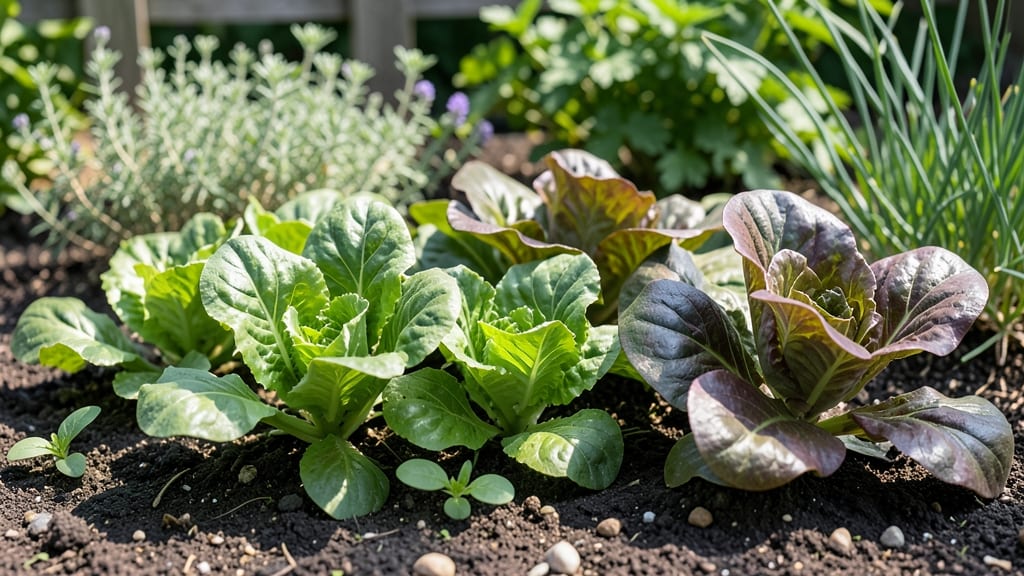
Using a leaf lettuce growth chart is the fastest way to grow crisp, sweet greens in just 30-45 days. 🌱 I learned the hard way that skipping this chart means bolting lettuce or bitter leaves—but once you see the stages unfold, you’ll spot problems before they start.
The first true leaves appear around day 7, and by week 4, you’re harvesting baby greens that rival store-bought quality.
Each stage demands different care: seedlings need consistent moisture, while mature rosettes crave shade to prevent bolting. At 3-4 inches tall, your plants should have 6-8 leaves—this is prime harvest time for baby leaves.
The chart breaks down exactly when to thin seedlings (to prevent overcrowding) and how to spot nutrient deficiencies (yellowing leaves mean it’s time to fertilize lightly).
By month’s end, your lettuce will be 6-8 inches wide with bold, ruffled leaves perfect for cutting. The secret? Consistent watering (1 inch per week) and afternoon shade in hot climates.
Even my black thumb can’t mess this up—once you see the visual progression, you’ll know exactly when to harvest for maximum tenderness.
This isn’t just a timeline—it’s your early-warning system. The chart flags common pitfalls like slug damage or heat stress, so you can act fast. Whether you’re growing in containers or garden beds, these stages stay the same. Let’s turn those seeds into a steady supply of fresh greens!
📚 In This Guide
- What you need
- Instructions
- Tips and common mistakes
- Wrapping up and next steps
What you need
- ● Leaf Lettuce Seeds: Choose fast-maturing varieties like Buttercrunch or Black Seeded Simpson (1–2 packets, ~500–1,000 seeds total).
- ● Growing Containers: Seed trays or pots (4–6 inches deep, 12+ cells or 1–2 per pot).
- ● OR a raised bed or in-ground plot (12–18 inches wide, 6–12 inches deep).
- ● High-Quality Potting Soil: Lightweight, well-draining mix (10–20 lbs, depending on container size). Pro tip: Add perlite or vermiculite (1 part per 4 parts soil) for aeration!
- ● Organic Fertilizer: Balanced 10-10-10 or compost (1 cup per 5 sq ft of soil).
- ● Watering Can or Hose: With a gentle spray nozzle (1–2 gallons capacity).
- ● Garden Gloves: For protection (1 pair).
- ● Seedling Heat Mat: (For indoor starts, 70–75°F range).
- ● Grow Lights: LED or fluorescent (12–16 hours/day for seedlings).
- ● Mulch: Straw or shredded leaves (to retain moisture).
- ● Pruning Shears: For harvesting outer leaves without damaging the plant.
- ● pH Test Kit: To ensure soil pH is 6.0–7.0 (ideal for lettuce).
How to track leaf lettuce growth month by month
Watch your lettuce transform from tiny sprouts to harvest-ready leaves—here’s what to expect each month.
🌱 Step 1: Germination and First True Leaves (Week 1-2)
After sowing seeds ¼ inch deep in moist soil, germination typically occurs in 5-10 days at 60-70°F. You’ll notice tiny green sprouts breaking through the surface—these are the cotyledons, not true leaves yet. Keep the soil consistently moist (but not soggy) to prevent damping-off.
Once the first true leaves appear (they’ll look like miniature versions of mature lettuce leaves), your seedlings are ready for their next growth phase. This usually happens within 10-14 days of sowing. At this stage, seedlings need bright, indirect light—a south-facing window or grow light works best.
☀️ Step 2: Early Growth and Leaf Development (Weeks 3-4)
By Week 3, your lettuce will have 3-4 true leaves and be ready for thinning if planted too closely. Use scissors to snip excess seedlings at soil level—this prevents competition for nutrients. Space remaining plants 6-8 inches apart for optimal growth.
Increase sunlight exposure gradually to 4-6 hours of direct light daily to encourage sturdy stems. You’ll see leaves grow larger and develop deeper green color. If leaves start yellowing, it’s often a sign of overwatering or nutrient deficiency—adjust care accordingly.
🌿 Step 3: Rapid Leaf Expansion (Weeks 5-6)
By Week 5, your lettuce will be 4-6 inches tall with 6-8 mature leaves. This is when you can start harvesting outer leaves for baby greens. Use clean scissors to cut leaves at the base, leaving the inner leaves to continue growing.
If growing for full heads, ensure plants receive 6+ hours of sunlight daily and keep soil moist but well-drained. You’ll notice leaves forming a rosette pattern—this is normal and indicates healthy growth. Avoid fertilizing at this stage unless soil is nutrient-poor.
⏰ Step 4: Harvest Readiness (Weeks 7-8)
By Week 7, most leaf lettuce varieties will be ready for full harvest. Look for mature leaves reaching 6-8 inches in diameter and a vibrant green color. For continuous harvest, cut outer leaves while leaving the inner growth point intact—this encourages regrowth.
If growing for a full head, harvest when the entire plant reaches 8-10 inches tall. Cut the entire head at the base with a sharp knife. Store harvested lettuce in a plastic bag with a paper towel to absorb moisture and extend freshness for up to 1 week in the fridge.
🌱 Step 5: Successive Planting and Seasonal Care
For year-round harvests, plant new seeds every 2-3 weeks in spring and fall. Lettuce thrives in cool weather (50-75°F)—avoid planting during hot summer months when it bolts quickly. Use shade cloth to protect plants if temperatures exceed 80°F.
Watch for pests like aphids or slugs, which can damage tender leaves. Remove affected leaves immediately and treat with neem oil or soapy water spray if needed. With proper care, you’ll enjoy fresh lettuce for 8-12 weeks from sowing.
Tips & tricks for perfect leaf lettuce growth
A few simple strategies will help you grow vibrant, healthy leaf lettuce from seed to harvest.
Germination Conditions: To speed up germination in Step 1, place a clear plastic bag over your seed tray to create a mini greenhouse effect. This traps warmth and moisture, helping those first sprouts appear in as few as 5 days instead of the usual 5-10 days at 60-70°F. Just remove the bag once you see sprouts breaking through—you don't want to smother them!
Lighting Strategy: During Weeks 1-4, position your seedlings within 6 inches of a grow light if natural light is insufficient. I've seen seedlings stretch toward weak light sources, creating weak, leggy plants that never recover. Rotate your trays daily so all sides get even exposure—this prevents lopsided growth and ensures sturdy stems by Week 4.
Thinning Technique: When thinning in Step 2, don't pull seedlings—always use clean scissors to snip at soil level. Pulling can disturb nearby roots and create gaps where weeds might take hold. I've found that thinning to 6-8 inches apart gives leaves room to develop their full size without competing for nutrients, resulting in those beautiful 6-8 inch mature leaves by Week 5.
Harvesting Hack: For continuous harvests, always cut leaves at the base with clean scissors rather than pulling them. This prevents damage to the inner growth point and encourages your lettuce to regrow. I've had plants produce three harvests this way over 12 weeks—just be sure to leave at least one mature leaf attached to keep photosynthesis going.
Pro Tips for Leaf Lettuce Growth Chart
- A few simple strategies will help you grow vibrant, healthy leaf lettuce from seed to harvest.
- Germination Conditions: To speed up germination in Step 1, place a clear plastic bag over your seed tray to create a mini greenhouse effect.
- Lighting Strategy: During Weeks 1-4, position your seedlings within 6 inches of a grow light if natural light is insufficient.
Frequently asked questions
Got questions about growing leaf lettuce?
You’re not alone! Here are answers to the most common queries—from timing to troubleshooting—so you can enjoy a thriving harvest.
How long does leaf lettuce take to grow from seed?
Leaf lettuce is one of the fastest-growing greens! Most varieties mature in 30–50 days from seed, depending on the type. Loose-leaf varieties (like 'Black Seeded Simpson') are ready in as little as 30 days, while slightly larger varieties may take closer to 45–50 days. Check your seed packet for exact timelines.
Can I grow leaf lettuce in hot weather?
Leaf lettuce thrives in cool weather (50–70°F), but it can bolt (go to seed) or taste bitter in heat. For summer growth, try shade cloth (30–50%) or plant in late afternoon shade. Alternatively, opt for heat-tolerant varieties like 'Jericho' or 'New Red Fire'—they handle warmer temps better than traditional lettuces.
How often should I harvest leaf lettuce?
Harvest outer leaves when they’re 4–6 inches tall to encourage continuous growth. Use clean scissors or snip just above a lower leaf. Avoid cutting more than ⅓ of the plant at once—this keeps it productive. With proper care, one plant can yield harvests for 4–6 weeks!
What should I do if my lettuce leaves are yellowing or wilting?
Yellowing leaves often signal overwatering, nutrient deficiency, or pests. Check soil moisture—lettuce prefers consistently moist (not soggy) soil. If leaves are crispy or wilted, it may be underwatering or heat stress. Inspect for pests like aphids or slugs, and treat with neem oil or diatomaceous earth if needed. Pro tip: A balanced fertilizer (like 10-10-10) can help if growth slows.
Can I grow leaf lettuce in containers?
Leaf lettuce is perfect for containers—just ensure the pot has drainage holes and is at least 6–12 inches deep. Use a lightweight potting mix and place the container where it gets 4–6 hours of sunlight daily. A 5–6 gallon pot can comfortably support 2–3 plants. Container-grown lettuce may need more frequent watering since soil dries out faster.
Wrapping up and next steps
Growing leaf lettuce is a rewarding journey that brings fresh, crisp greens straight to your plate! By following a month-by-month growth chart, you’ll gain confidence in timing, care, and harvest—whether you’re a beginner or a seasoned gardener. 🌱
Now that you’re armed with tips and answers to common questions, it’s time to roll up your sleeves and start planting. Watch your garden transform as those tiny seeds grow into vibrant, edible leaves—one stage at a time. Happy growing!