
Companion Plants
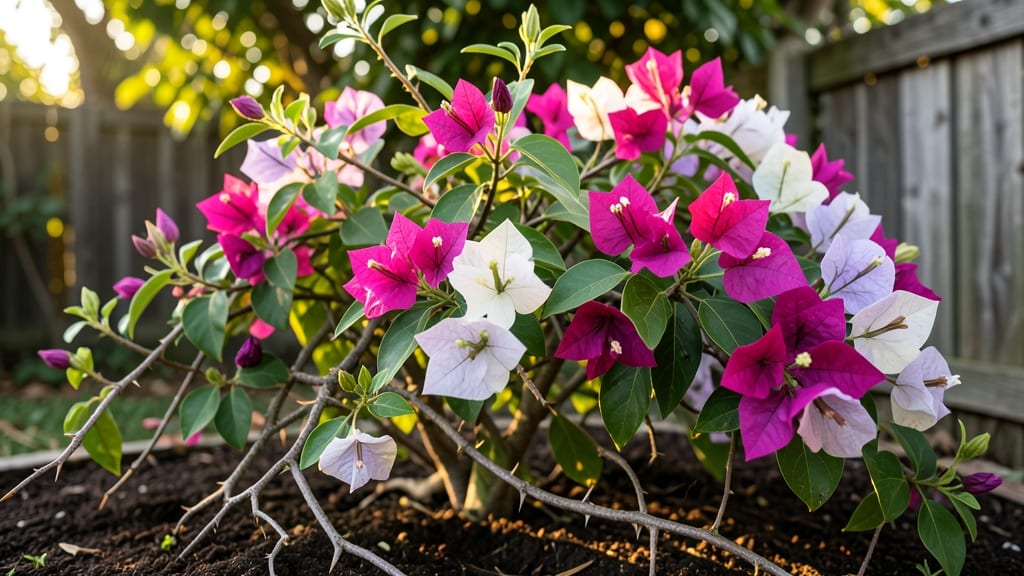
Leaf modifications in plants create specialized forms like spines, tendrils, and bracts that help plants thrive in challenging conditions by improving water retention, defense, or light absorption.
These adaptations aren't just random—they're evolutionary survival strategies. For example, cactus spines reduce water loss while protecting against herbivores, while pitcher plants use modified leaves to trap insects for nutrients. 🌵 The diversity of these modifications shows how plants have evolved to dominate nearly every ecosystem on Earth.
What's fascinating is how these adaptations often serve multiple purposes. A plant's leaves might simultaneously reduce water evaporation and reflect harsh sunlight, like the silvery leaves of desert shrubs. These modifications aren't just about survival—they're about thriving in environments where most plants would struggle to grow.
💡 In This Article
- How Leaf Modifications Enhance Plant Survival
- Common Plant Species with Unique Leaf Adaptations
How leaf modifications enhance plant survival
Leaf modifications are nature's engineering solutions, finely tuned over millennia to address specific environmental challenges. Take the case of cactus spines: these aren't true leaves but modified stems covered in waxy cuticles that reduce water loss by up to 90% compared to regular leaves.
The spines also create shade that lowers leaf surface temperatures by 10-15°F, preventing overheating in desert conditions. This dual function—water conservation and temperature regulation—shows how modifications often serve multiple survival purposes simultaneously.
The Venus flytrap demonstrates another brilliant adaptation where modified leaves become active predators. These leaves contain trigger hairs that detect prey movements, causing them to snap shut in just 0.1 seconds.
The inner leaf surface secretes digestive enzymes that break down insects, providing essential nitrogen—something these plants can't get from poor, nutrient-deficient bog soils. This carnivorous adaptation allows them to thrive where other plants would starve, proving how leaf modifications can completely redefine a plant's ecological niche.
Light absorption gets a high-tech upgrade in some desert plants like the creosote bush. Its leaves are covered in reflective, silvery hairs that bounce away 70-80% of incoming sunlight, preventing heat damage while still allowing enough light for photosynthesis.
This adaptation is particularly crucial during the 110-120°F midday temperatures common in their habitats. The hairs also create a insulating air layer that maintains a cooler leaf surface temperature, sometimes by as much as 25°F compared to ambient air.
Defense mechanisms take fascinating forms too. The mimosa pudica's leaves exhibit thigmonasty—when touched, they fold inward and droop within 1-2 seconds due to rapid water loss from specialized cells. This response deters herbivores and even some predators that might mistake the plant for a suitable meal.
What's remarkable is that this reaction isn't just physical—it's also a chemical defense, as the plant releases volatile organic compounds that can repel insects for hours after being disturbed.
Even photosynthesis gets a makeover in some modifications. The leaves of certain aquatic plants develop air pockets that allow them to float, positioning themselves at optimal light levels in water columns.
Some floating leaves like those of the water hyacinth grow waxy coatings that repel water, creating a hydrophobic surface that minimizes water loss while still allowing gas exchange through specialized stomata on the upper surface.
This adaptation lets them thrive in environments where submerged plants would struggle to get enough light.
What ties all these modifications together is their precision engineering. Each adaptation represents a trade-off between different survival needs—water conservation vs. photosynthesis efficiency, for example. The cactus might sacrifice some photosynthetic capacity for water retention, while the Venus flytrap trades energy expenditure for nutrient acquisition.
These compromises show how plants have become master adaptors in their evolutionary arms race for survival.